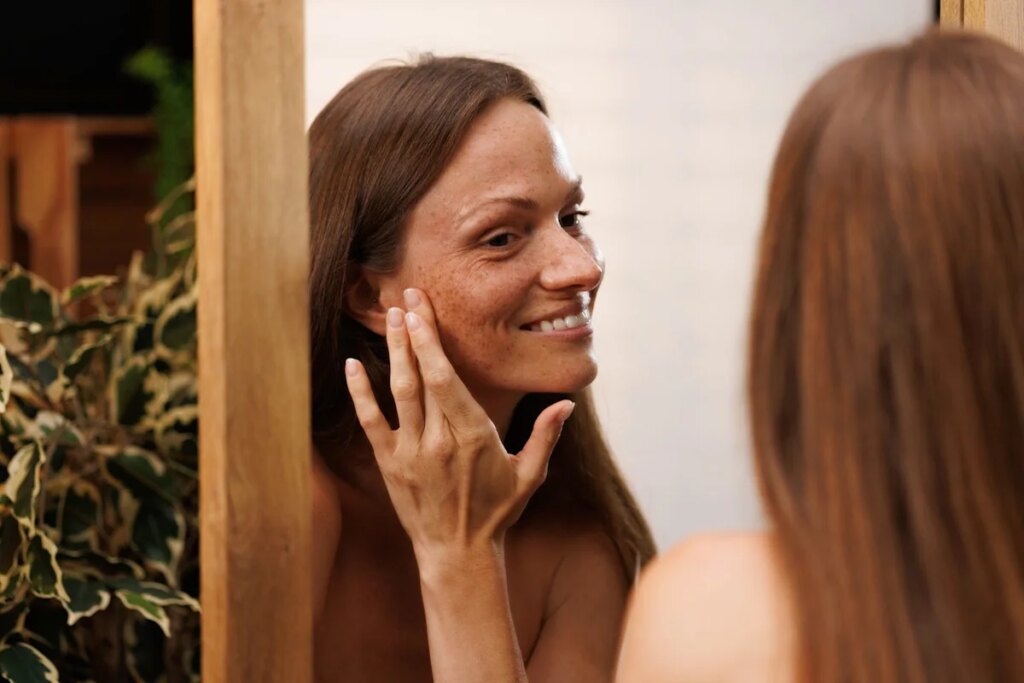
Once they show up, brown spots are like party guests who won’t leave. Dark spots or splotches on your skin are extremely common—especially by the time you hit 40, as decades of cumulative sun exposure can start catching up to you. In fact, the medical term for these spots is “solar lentigines,” which basically means “sunspots” in doctor speak. Given all that, is it even possible to prevent dark spots from showing up?
Hyperpigmentation happens for a multitude of reasons, including UV exposure, hormone fluctuations, acne, and skin injuries over time. While it’s nearly impossible to avoid it entirely, there are proven ways to stop hyperpigmentation from getting worse, to fade those dots and blotches, and to prevent them from coming back.
Meet the expert: Mona Gohara, M.D., a board-certified dermatologist in Connecticut and an associate clinical professor of dermatology at Yale School of Medicine
Advertisement
Advertisement
Since sun exposure is one of the primary factors that creates—and worsens—dark spots, it goes without saying (but it’s worth repeating!) that diligent sun protection is the best first-line defense against discoloration. But protecting your skin from UV rays is just the start. Ahead, learn how to prevent dark spots from showing up and what can help fade the ones you’ve got.
What are dark spots—and why do they happen?
“Dark spots are areas where extra melanin pigment accumulates,” explains Mona Gohara, M.D., a board-certified dermatologist in Connecticut and an associate clinical professor of dermatology at Yale School of Medicine. “Think of the melanocytes, or pigment-producing cells in your skin, as little factories: sun exposure, inflammation, and hormonal changes can turn up production, leaving uneven patches of color,” she says.
“The term ‘dark spots’ refers to sunspots (or lentigines), but marks left behind by acne or injuries that can become discolored too.” But while there may be several triggers, unprotected sun exposure is by far the biggest culprit.
Can certain medications cause dark spots?
“Yes. Medications such as the antibiotic minocycline, the heart medication amiodarone, and some chemotherapy drugs can cause discoloration, and others increase sun sensitivity, making sun-related skin reactions more likely,” says Dr. Gohara. A topical retinoid like tretinoin also makes your skin more prone to sun damage, another critical reason to wear a broad-spectrum SPF every day.
Advertisement
Advertisement
“Oral contraceptives and other forms of hormone therapy can trigger melasma, or brown patches, in people with a genetic tendency toward it,” Dr. Gohara adds. Underlying health conditions like Addison’s disease, thyroid disorders, pregnancy, and hormonal shifts can also trigger hyperpigmentation. “It’s important to check with your doctor if a spot changes or looks different from the others, or if you have new, unexplained pigmentation,” she warns, since it could be more than just a cosmetic concern.
How to prevent dark spots
Since excess melanin production is your skin’s protective response to harm like UV exposure, the best way to prevent these dark spots is to stay out of the sun or wear broad-spectrum UVA and UVB protection on exposed skin. And that means applying sunscreen with an SPF of 30 or higher every single day—even cloudy, rainy ones. Sun protection is your first line of defense, but using pigment-fighting ingredients like antioxidants, such as vitamin C, adds another layer of defense, Dr. Gohara says. “Think of sunscreen as your umbrella and antioxidants as extra weatherproofing backup.”
More on that below.
Don’t skip daily SPF.
Because UV exposure is the primary cause of brown spots and may worsen existing discoloration, diligent daily use of a broad-spectrum sunscreen with a minimum SPF of 30 is the single best form of prevention. Dermatologists often recommend mineral sunscreens for sensitive skin because their active ingredients like titanium dioxide and zinc oxide are less likely to cause inflammation (a spot trigger), but the best sunscreen is the one you will actually wear every day—so pick your favorite daily moisturizer with SPF and wear it.
Advertisement
Advertisement
UV radiation also penetrates through clouds and windows, so you need to apply sunscreen to exposed skin every single day, even if it’s cloudy. You’re not protected if you’re sitting in the car or on a plane, either. If the sun touches your skin, it needs to be shielded. And research shows that up to 80% of signs of aging (not just dark spots, but also wrinkles, sagging skin, neck lines, and jowls) come from unprotected sun exposure. Sunscreen is the best anti-aging product you can use!
Add antioxidants.
Antioxidants work hand in hand with your daily SPF to prevent and repair toxic free-radical damage from environmental factors like sun and pollution, which may in turn cause hyperpigmentation and other visible signs of aging like fine lines.
“Apply an antioxidant, like a vitamin C serum, underneath your sunscreen, since SPF should be your last skincare step before makeup,” suggests Dr. Gohara. She recommends using a vitamin C serum with L-ascorbic acid, which has been shown to reduce hyperpigmentation. “This form of vitamin C is among the best-studied topical antioxidants. Formulas that pair it with vitamin E and ferulic acid have evidence for reducing UV-induced skin damage, including dark spots.”
Look for other pigment-fighting ingredients.
“Topical vitamin C and certain licorice compounds, most notably ‘glabridin,’ have been shown to inhibit or slow tyrosinase, the enzyme involved in making melanin pigment,” says Dr. Gohara. Niacinamide is a skincare ingredient that has antioxidant and anti-inflammatory properties, and has been shown to help improve hyperpigmentation by reducing the transfer of pigment packets (melanosomes) into surrounding surface skin cells. “Think of it as limiting deliveries of pigment versus slowing production.”
Minimize inflammation.
Remember, excess melanin production is a response to a skin injury, so anything that causes inflammation, whether it’s acne, picking at your skin, using harsh chemicals, over-scrubbing, or any kind of abrasion, can cause melanocytes to produce melanin. This is called post-inflammatory hyperpigmentation (PIH).
Advertisement
Advertisement
“Darker skin tones are especially prone to PIH due to having more active melanin production, but anyone with a sensitive skin type can develop PIH,” says Dr. Gohara. “It’s the dark post-acne mark that lingers after a pimple has healed, or it can be the brown splotch left behind by a burn, a bug bite, or other skin irritation.”
To avoid PIH, being gentle on your skin is key. Resist common skincare mistakes, like picking at your skin, popping a pimple, or going overboard with potentially irritating active ingredients (think scrubs, glycolic acid, or retinoids). “Stinging, peeling, and irritation from aggressive treatments can create the very marks you’re trying to prevent, so introduce actives gradually, especially if you have sensitive skin,” Dr. Gohara warns.
How to treat existing dark spots at home
Sun protection may be your best friend when trying to prevent new dark spots, but slathering on sunscreen won’t make your existing pigmentation go away. But it’s not a hopeless cause. Topical antioxidants like vitamin C (L-ascorbic acid), niacinamide, and certain licorice extracts can help reduce discoloration. Chemical exfoliators like glycolic, lactic, and azelaic acid can help to gradually fade surface discoloration by gently sloughing off pigment from the surface of the skin over time. Just be sure not to overdo it if you have sensitive skin.
Prescription-strength tretinoin also helps remove pigmented dead skin cells from the surface by regulating skin cell turnover. “Prescription tretinoin and hydroquinone are two of the best-established and proven options,” says Dr. Gohara. “But hydroquinone should be used with a dermatologist’s guidance because prolonged or inappropriate use can occasionally cause paradoxical darkness.”
The bottom line
Diligent daily sun protection is the single best way to prevent dark spots, and it’s never too early (or late) to start. “Using a broad-spectrum sunscreen with an SPF 30 or higher along with an antioxidant like vitamin C consistently can help prevent and manage uneven pigmentation,” says Dr. Gohara. “Antioxidants are helpful teammates in reducing UV damage, but sunscreen remains essential to prevent dark spots.”
You Might Also Like