

Most travelers hope for sunshine when planning a vacation, but sometimes the most memorable experiences happen when the weather takes a turn. From misty forests and snow-covered mountains to dramatic coastlines, there are plenty of trips where bad weather can actually make the scenery more spectacular. Rain, fog, and freezing temperatures can reveal a completely different side of familiar destinations. As the National Park Service explains, abundant rainfall is what makes places like Olympic National Park’s rain forests so extraordinary. Here are 12 trips that prove perfect weather isn’t always necessary for a great vacation.
Hoh Rain Forest, Washington
RomanKhomiyak / iStockphoto
A rainy day might ruin an ordinary hike, but in Olympic National Park’s Hoh Rain Forest, it feels like part of the experience. The region receives enormous amounts of rainfall, supporting towering trees covered in thick moss and a forest floor crowded with ferns. Light rain makes the greenery glisten, while mist drifting between the trees adds to the atmosphere. Short trails near the visitor center make exploring relatively manageable, although muddy paths and slippery roots mean waterproof shoes are a good idea.
Oregon Coast, Oregon
Bonnie Moreland / Wikimedia Commons / PDM 1.0
Winter storms turn the Oregon Coast into a spectacular place to watch the ocean. Powerful waves crash against rocky headlands, sending spray high into the air while visitors enjoy the show from protected viewpoints. Coastal towns such as Depoe Bay and Yachats have become popular destinations for storm watching, especially during the colder months. A room overlooking the water can make the experience even more enjoyable. Just don’t mistake dramatic weather for an invitation to approach the surf, since sneaker waves can be deadly.
Great Smoky Mountains National Park, Tennessee and North Carolina
There’s a reason these mountains are called the Smokies. Moisture and natural haze frequently create soft layers of mist that drift between the ridges, giving the landscape its familiar blue-gray appearance. After light rainfall, scenic overlooks can reveal valleys filled with low clouds, creating views that feel completely different from those on a clear afternoon. The effect can be particularly beautiful in the morning. However, thick fog can also eliminate visibility entirely, so check road conditions before heading toward higher elevations.
Niagara Falls, New York and Ontario
Advertisement
Advertisement
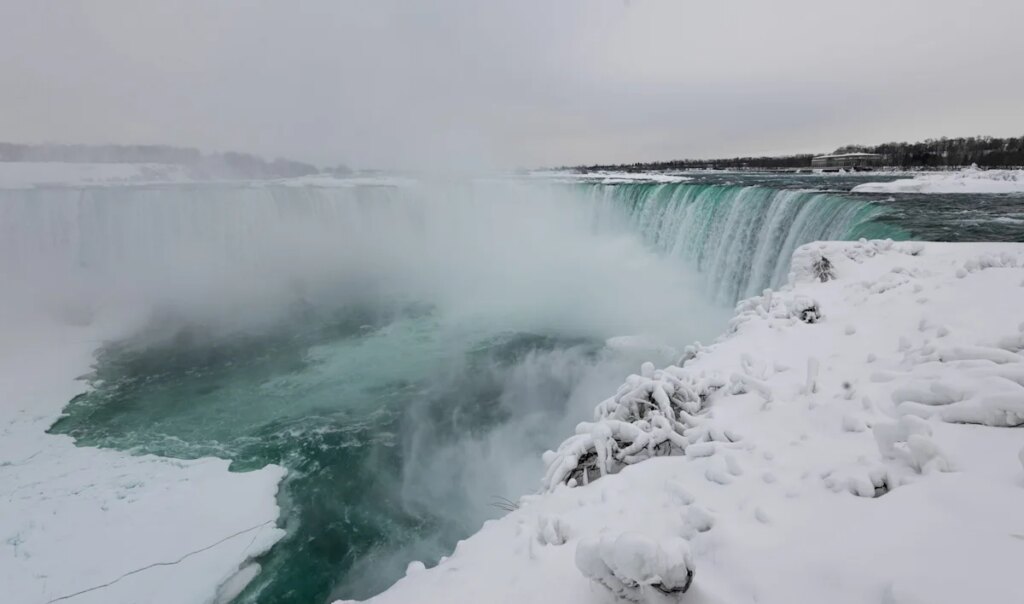
Most visitors picture Niagara Falls surrounded by summer greenery, but freezing temperatures create an entirely different spectacle. Mist from the rushing water coats nearby trees, railings, and rocks in ice, while snow transforms the surrounding landscape. The waterfalls continue flowing beneath the icy scenery, despite occasional photographs that make them appear completely frozen. Winter can also bring a quieter atmosphere to the surrounding tourist areas. Some boat tours and outdoor attractions operate seasonally, though, so check what’s open before planning your visit.
Yellowstone National Park, Wyoming, Montana and Idaho
Public Domain / Wikimedia Commons
Yellowstone’s geysers and hot springs look especially dramatic when surrounded by snow. Clouds of steam rise against the white landscape, while frost-covered trees give the geothermal basins an almost otherworldly appearance. Winter also offers opportunities to see wildlife moving through snowy valleys. Unlike summer visits, however, most popular attractions cannot be reached by ordinary car. Travelers generally need authorized snowcoach or snowmobile transportation, which adds to the cost. The scenery can be unforgettable, but advance reservations and warm clothing are essential.
Yosemite National Park, California
Yosemite’s waterfalls are impressive year-round when flowing, but spring snowmelt can turn them into roaring spectacles. Yosemite Falls and Bridalveil Fall are particularly powerful during periods of high runoff, often peaking around May. Visitors may feel cool spray near the viewpoints and hear rushing water long before reaching the falls. By late summer, some cascades shrink dramatically or disappear. Spring weather can be unpredictable, however, and high-elevation roads may remain closed. Stick to designated paths, since wet rocks and strong currents are dangerous.
Acadia National Park, Maine
Fog can obscure Acadia’s famous ocean views, but it also gives the Maine coastline a completely different personality. Rocky shores, evergreen trees, and granite cliffs take on a quiet, mysterious appearance when clouds settle close to the water. A misty walk along accessible sections of the shoreline can be just as memorable as watching the sunrise from Cadillac Mountain. Summer mornings are particularly prone to coastal fog. Just remember that fog can hide landmarks and make exposed rocks slippery, so avoid risky shoreline scrambling.
Death Valley National Park, California
Advertisement
Advertisement
Rain isn’t something most people associate with Death Valley, but a wet winter can produce one of the desert’s most surprising sights. When conditions are right, wildflowers spread across normally dry landscapes, creating colorful displays that may last only a short time. The park experienced a notable superbloom in 2026 following unusually favorable rainfall. These events aren’t guaranteed, and the flowers typically appear weeks or months after the rain. Check bloom reports before traveling, and avoid desert roads during storms because flash flooding can develop quickly.
Monteverde Cloud Forest, Costa Rica
Travelers hoping for uninterrupted sunshine might be disappointed in Monteverde, but moisture is what makes its cloud forest special. Mist hangs among the trees, moss covers branches, and lush vegetation thrives in the damp environment. Walking through the forest while clouds move across the canopy can feel far more memorable than an ordinary woodland stroll. Costa Rica’s green season also brings opportunities for hiking and wildlife watching. However, heavy rain can make trails slippery, and cloud cover may limit distant views or certain outdoor activities.
Mount Rainier National Park, Washington
JeffGoulden / iStockphoto
Mount Rainier is famous for its summer wildflowers, but winter snow gives the park an entirely different appeal. Evergreen forests disappear beneath heavy white blankets, while snowshoeing and ranger-led winter walks offer alternatives to warm-weather hiking. The Paradise area is especially associated with deep snowfall and mountain scenery. Getting there requires preparation, however. Many roads close seasonally, and all vehicles must carry tire chains from November 1 through May 1. Check road access before leaving, since heavy storms can prevent travel altogether.
Jigokudani Snow Monkey Park, Japan
Few wildlife experiences look quite as unusual as watching Japanese macaques soak in steaming hot springs while snow falls around them. At Jigokudani Snow Monkey Park in Nagano Prefecture, the monkeys have been observed bathing in the warm water for decades. Winter provides the snowy backdrop that makes the scene especially memorable. Visitors reach the park by walking through a forest, which can become icy during colder months. The monkeys are wild animals, so bathing behavior isn’t guaranteed, and visitors aren’t allowed to enter their pool.
Lake Myvatn, Iceland
Advertisement
Advertisement
Cold weather can make a geothermal soak feel especially inviting, and northern Iceland’s Lake Myvatn region offers a striking volcanic landscape for the experience. The area is known for steaming geothermal features and naturally heated bathing facilities, where visitors can relax while chilly air surrounds them. Winter also brings long nights and the possibility of seeing the northern lights when skies are sufficiently clear. Heavy cloud cover, however, can hide the aurora, and icy roads may complicate travel. Check current bathing-facility operations before booking.
Source link