“Hearst Magazines and Yahoo may earn commission or revenue on some items through these links.”
Treating adult acne can feel like one big science experiment—until now. This is the guy’s guide to adult acne. Read the rest of the stories here.
ACNE SUCKS. THE scars it can leave behind suck even more. These dermatologist-approved* treatments can get your skin smooth again, reduce hyperpigmentation, and may even make you look a little younger.
Your Scars Appear…
Depressed or Sunken
These are known as atrophic scars and are caused when inflammation breaks down skin’s collagen that’s responsible for smoothness and elasticity. There are three main forms of atrophic scars, and some people will develop a mix of all of them.
Your Atrophic Scar Resembles…
Deep, Narrow Holes
Meet the icepick scar, so named because it looks as if your skin was pierced with something thin and pointed.
Advertisement
Advertisement
The Treatment: Acid Peel + CO2 Laser
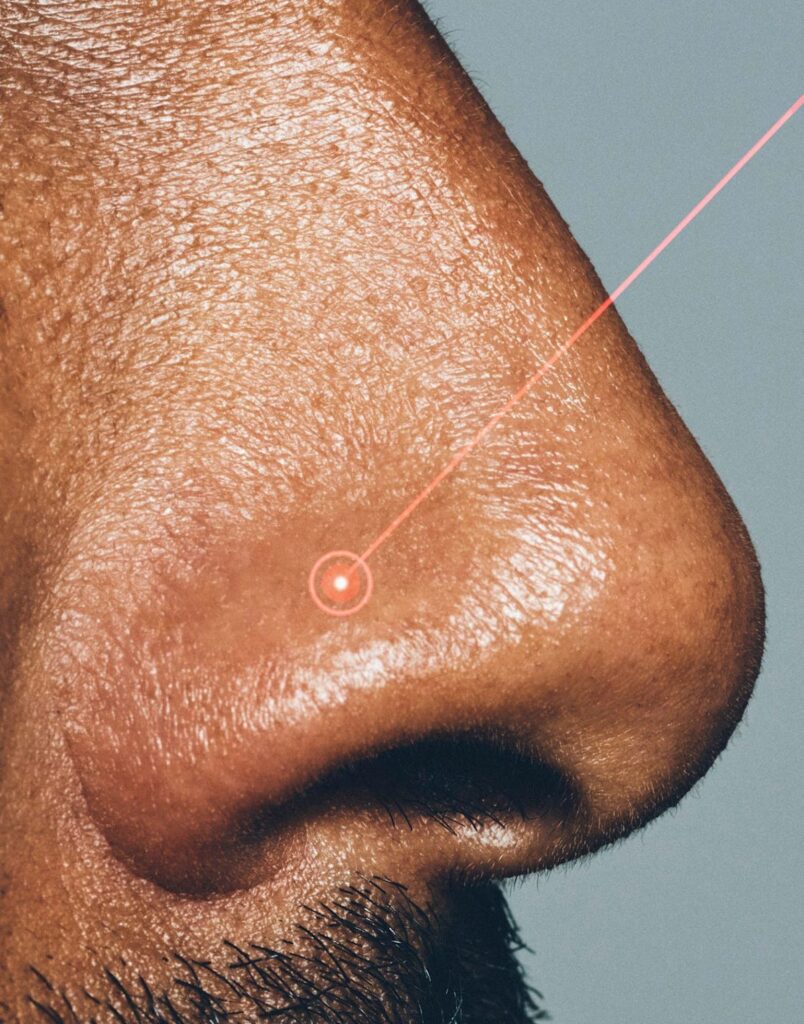
Derms will typically combine topical trichloroacetic acid (TCA) with a CO2 laser to supercharge the production of new collagen and resurface skin. Often, up to three sessions are needed and typically range in cost from $300 to $5,000 per session, depending on the size of the scar(s) and whether treatments are combined.
Small Circular or Oval-Shaped Indentations
Commonly referred to as boxcar scars, this type of scar doesn’t run as deep as their icepick brethren and may respond to less invasive treatments.
The Treatment: Fraxel FTX or Microneedling
Your doctor may use a slightly more superficial fractionated laser (like the new nonablative Fraxel FTX). This procedure is around $1,000 per session. Another option is a microneedling treatment (tiny needles penetrate the skin to kick-start collagen), which can be paired with heat-like radiofrequency for better results. Multiple sessions at $600 to $1,500 a pop are typically necessary.
Shallow Wave-Like Depressions
These rolling scars are slightly different, caused, yes, by collagen loss, but also when acne inflammation tethers areas of skin to the tissue below.
Advertisement
Advertisement
The Treatment: Subcision or Filler
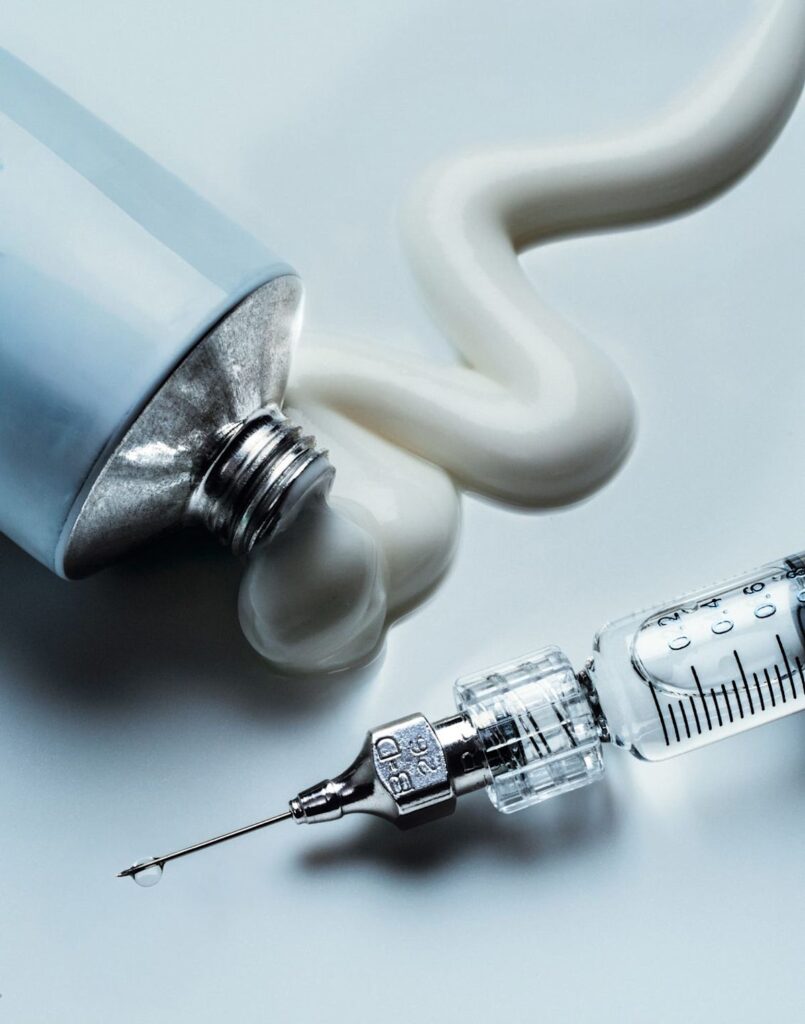
One option is a technique called subcision (which ranges anywhere from $300 to $1,500)—your doc will cut away the tethers pulling the skin downward to release the scar. Another option is Bellafill (roughly $800 per syringe), a type of filler that adds volume to depressed areas, or hyaluronic acid fillers (roughly $650 per syringe), which also lifts depressed areas to the same level as the surrounding skin.
Your Scars Appear…
Raised and Thick
You’re dealing with a hypertrophic scar or a keloid, which typically result from severe, deep cystic or nodular acne.
Your Scar Looks…
Slightly Elevated But Within the Borders of the Original Acne Spot
The hallmark signs of a standard hypertrophic scar, these signal that your body’s response to injury is to churn out way more collagen than you need. These scars are more common among people with darker skin tones.
Advertisement
Advertisement
The Treatment: Steroids + CO2 Laser
Corticosteroid injections (roughly $100 to $300 per injection) flatten and soften excess scar tissue. A fractional CO2 laser breaks up the collagen, reduces the size of the scars, and helps injected or applied medications penetrate more effectively.
Very Elevated, Extending Outside the Borders of Where Your Acne Was
Think of this—called a keloid—as a hypertrophic scar on steroids. An apropos analogy, as that’s what you’ll use to treat it, too.
The Treatment: Steroids + Laser
Corticosteroid injections will most likely be needed to break apart this large, fibrous collection of collagen tissue, but CO2 or fractionated lasers can be used afterward to improve the skin’s texture.
Advertisement
Advertisement
*Reviewed by Bradley Glodny, MD, and Rishi Chopra, MD.
You Might Also Like