


One of the big things I worry about when I travel, especially with my little kids, is getting sick while on the road. It’s terrible being sick, but ten times worse when you’re on the road. And it’s a million times worse if you’re an Olympic athlete who has one shot at something they literally worked their whole lives to achieve.
That’s why I found this recent Wall Street Journal article titled How Do You Avoid Getting Sick on a Plane? Team USA’s Doctor Has Answers very interesting.
WSJ reporter Rachel Bachman interviewed Dr. Jonathan Finnoff, Chief Medical Officer of the U.S. Olympic & Paralympic Committee, who has spent years researching how to keep athletes healthy while they crisscross the globe ahead of the 2026 Winter Games in Italy.
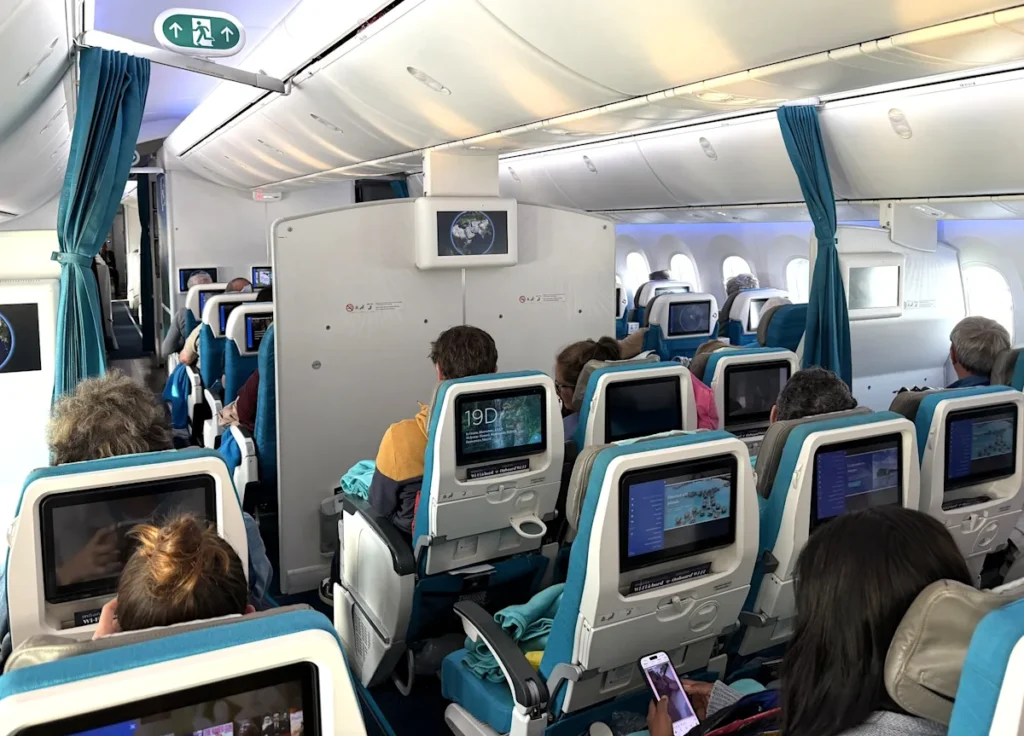
Dr. Finnoff’s recommendations are pretty simple. First, choose a window seat in the middle of the aircraft, away from the busiest areas, the front where passengers board, and the rear near bathrooms and the galley. Less traffic means fewer opportunities for germs to land on you.
Once seated, he advises wiping down any surfaces you touch, including seat belts, armrests, air nozzles, and even the bathroom door. The tray table is the most important target, since research shows it can harbor more germs than a toilet seat. Finally, he suggests pointing the air nozzle between yourself and the passenger next to you to create a small protective bubble. And, of course, the universal immune system booster: seven to eight hours of restful sleep each night. Finnoff said, “If you’re not sleeping, you get hurt and you get sick.”
I personally choose an aisle seat because I don’t like to feel trapped, and I get up often to use the bathroom and take stuff down from my carry-on bag in the overhead bin. My wife always jokes that I trained my whole life for the pandemic, since I’ve been wiping down airline seats, hotel rooms and rental cars for decades. The one spot I don’t do that the doctor recommended was the bathroom door, but I use a tissue to open the door after washing my hands. I do wipe down the overhead bin, which was omitted.
Speaking of being omitted, Dr. Finnoff did not recommend wearing a mask, which many commenters on Instagram (embedded below) found surprising.
@ayeshaappamd: “Infectious Diseases doctor here! While I love a sanitized surface, more upper respiratory tract infections (URIs) come from someone else’s sneeze, cough, or breathing. Airplane filters are great but still risk if someone is sick or spewing droplets within two rows. Those tray tables can be gross but not efficient transfer of viruses like flu or covid. So don’t forget to wash hands, bring your N95 if you’re really committed to preventing infection, like an Olympic athlete!”
@gogreengrant wrote, “To not mention wearing a mask or washing/sanitizing your hands is crazy.”
@timlonghurst called mask omission negligent, noting masks are the most effective way to prevent airborne illness.
@judahworldchamp explained that properly fitted N95, KF94, KN95, or FFP2 masks are critical, while cloth or surgical masks are insufficient.
@kaylanadellamotta echoed everyone advocating mask use.
I don’t wear a mask when I travel, but I do keep a couple in my carry-on just in case one of my seatmates is visibly sick. If I was an Olympic athlete, I probably would wear one when flying to major competitions just to make sure.
Obviously, traveling can’t be completely risk-free, but with a few simple precautions, you can dramatically increase your odds of arriving healthy and ready for whatever adventure awaits.