A 2026 study revealed that immobilizing one leg for just two weeks can cause substantial strength loss and changes deep inside muscle cells. The findings suggest that recovering from an injury may involve more than rebuilding lost muscle.
Researchers studying 21 healthy young men found that leg-press strength declined by an average of 47 pounds, after 14 days of immobilization. Meanwhile, thigh circumference decreased by approximately 2%, revealing a striking difference between visible muscle loss and declining performance.
Next: I’m a Trainer: Your Grip Strength Is Hiding an Important Clue, Says New Longevity Study
What Scientists Found Inside Muscle Cells

Published in Pflügers Archiv—European Journal of Physiology, the research examined how immobilization affects the molecular processes that help muscles function.
Advertisement
Advertisement
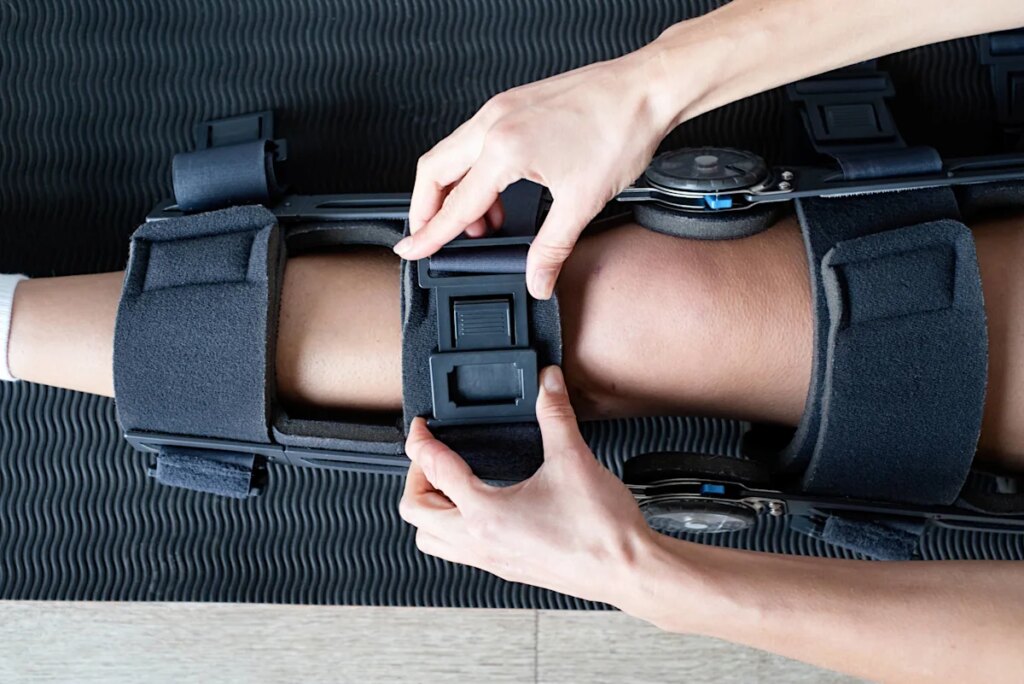
Participants wore a brace that prevented movement of one knee and used crutches to avoid placing weight on that leg. Scientists collected muscle biopsies before immobilization and again after three and 14 days.
They discovered widespread changes in alternative splicing, a process that determines how genetic instructions are assembled into messages used by cells to produce proteins.
The researchers described these changes as particularly relevant to “muscle maintenance and protein synthesis.”
By day 14, the affected biological pathways included mitochondrial function, cellular organization, and signaling involved in muscle adaptation.
Next: Workouts Feel Harder After 40, but Aging May Not Be the Reason You Think
Why Two Weeks Can Make Such a Difference
The researchers measured more than strength and thigh circumference. MRI scans also confirmed reductions in quadriceps muscle cross-sectional area.
Advertisement
Advertisement
Their analysis identified alternative splicing as a potential “regulatory mechanism in muscle wasting during immobilization.”
That matters because the findings suggest muscle deterioration involves changes in cellular regulation, not simply shrinking muscle fibers.
However, this was a small study involving young men. It did not establish how quickly these changes reverse, whether they predict long-term disability, or whether older adults respond similarly.
Next: What Science Says You Should Do After a Workout to Recover Faster
What This Means for Injury Recovery
The distinction between immobilization and ordinary rest is important.
Taking two weeks off lifting weights does not produce the same conditions as keeping a knee braced and avoiding weight-bearing activity.
Advertisement
Advertisement
For someone recovering from surgery or an injury, the findings reinforce the importance of following a clinician-directed rehabilitation plan once movement is medically permitted.
Related: Scientists Found Something Surprising Happens to Your Muscles After 25 Minutes of Sitting

This story was originally published by Men’s Journal on Oct 15, 2026, where it first appeared in the Health section. Add Men’s Journal as a Preferred Source by clicking here.