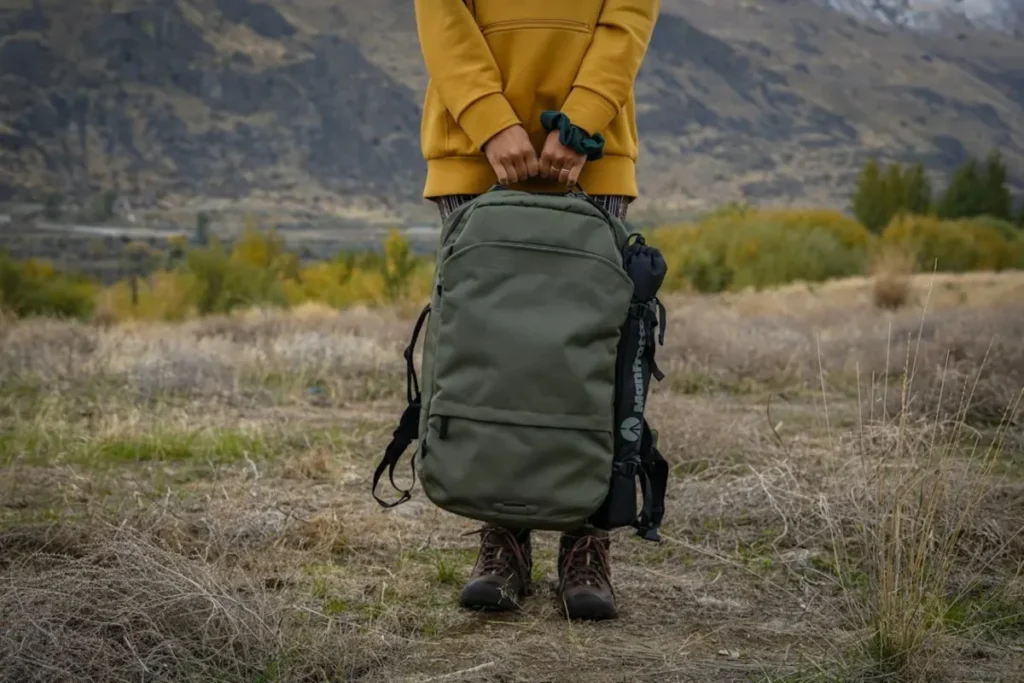


There’s a particular kind of frustration that only travelers know: you’re mid-tour, the sun has shifted, your feet ache, your phone is dead, and the one thing that would fix everything is sitting back at the hotel. A city walking tour should feel freeing, not like a logistics crisis on legs.The difference between a great day and a miserable one often comes down to what’s in your bag. Tour professionals, seasoned travel advisors, and walking tour operators have thought deeply about this question. Here is what they consistently recommend.
The Right Bag Size: Not Too Big, Not Too Small
The Right Bag Size: Not Too Big, Not Too Small (Image Credits: Unsplash)
A 20 to 30 litre daypack is generally plenty of room for the essentials without making the pack itself a burden. Go smaller than that and you’ll be forcing choices you shouldn’t have to make mid-tour. Go larger and you’ll fill the space with things you don’t need, and your back will notice by noon.
A small day bag works perfectly and allows you to keep a few practical items within reach. Carrying too much can make the experience less comfortable. A slim, structured bag with multiple compartments keeps things accessible without turning every pocket into a lucky dip.
Advertisement
Advertisement
Avoid bulky or unstructured daypacks. Select a slim, secure bag you can carry all day, think anti-theft crossbody or a fitted backpack with good organization. The goal is a bag you can forget you’re wearing.
Water: The Non-Negotiable First Item
Water: The Non-Negotiable First Item (Image Credits: Unsplash)
Water should always come first. A refillable bottle keeps you energized throughout the tour. It sounds obvious, yet it’s the most commonly forgotten item, and the most punishing thing to be without on a warm day when the next café is three blocks and one cobblestone hill away.
Keep a filled water bottle at least 500 ml in size, and plan to refill at cafés along the route. Group tours typically demand 10,000 to 20,000 steps daily, which makes hydration far more consequential than most travellers expect.
A reusable bottle is the smart choice, both practically and environmentally. Buying single-use plastic all day adds up in cost, waste, and bag clutter. Bring a bottle that fits securely in an exterior side pocket so it’s retrievable without stopping to dig.
Weather Protection: A Layer and a Rain Shell
Weather Protection: A Layer and a Rain Shell (Image Credits: Pexels)
Bring a lightweight waterproof jacket with a good outer shell, along with rain pants if needed. Even when rain isn’t in the forecast, weather can change surprisingly quickly when you’re outdoors for several hours. This is especially relevant in coastal cities and destinations with variable climates.
Advertisement
Advertisement
Use a simple layering system: base layer, insulating layer, weather shell. That might mean a breathable tee, a light fleece, and a packable rain jacket. In shoulder seasons, mornings can be cool while afternoons become hot, and the wrong clothing forces you to sweat or shiver.
A poncho is another option, particularly if you want something that covers both you and your daypack. It won’t win any style awards, but it keeps everything dry, including your bag contents, which matters when you have a phone and a paper map inside.
Footwear and Blister Prevention
Footwear and Blister Prevention (Image Credits: Unsplash)
Invest in a pair of good walking shoes that could also be worn to a nice restaurant. Try them out before you go, as you don’t want to be limping through a city with blisters. This is one of those things tour guides mention in pre-tour emails and say again in person because people still show up in brand new sneakers.
Preparing for a walking tour involves packing the right gear, wearing supportive footwear, and planning breaks every 60 to 90 minutes. Blister plasters belong in your bag whether you think you’ll need them or not. The moment your heel starts chafing, nothing else matters.
Advertisement
Advertisement
Veteran walkers keep a small stash of moleskin or compeed pads tucked into a zip pocket. A small first aid kit with essentials like blister plasters is recommended as standard daytime kit. It takes up almost no space and can rescue an otherwise ruined afternoon.
Snacks That Actually Work for You
Snacks That Actually Work for You (Image Credits: Pexels)
Pack light snacks: cereal bars, nuts, or fruit. These are the choices that travel well, don’t melt, and give you a real energy lift without the mid-afternoon sugar crash that follows a street pastry eaten in haste. That said, no rule says you can’t grab something local along the way.
For slower-paced scenic tours, bring comfort items like a lightweight jacket, a snack, and a power bank for photos and navigation. Snacks are especially useful during longer tours where the group doesn’t stop for a full meal until mid-afternoon. Having something to eat quietly during a museum stop makes all the difference.
Keep snacks accessible rather than buried at the bottom of your bag. A small outer pocket or a zip pouch keeps them reachable without unpacking everything. Avoid anything that smells strongly, especially on indoor portions of a tour.
Phone, Portable Charger, and Offline Maps
Phone, Portable Charger, and Offline Maps (Image Credits: Unsplash)
Your phone, wallet, and a portable charger belong in your bag. Many travelers enjoy taking photos or checking maps after the tour, and a little extra battery power helps avoid frustration later. On full-day tours with heavy photo-taking and GPS use, a phone battery can drain faster than expected.
Advertisement
Advertisement
Pack a phone, charging cable, universal power adapter, and a power bank with enough capacity for a full day of use. Compact power banks have become much smaller and lighter in recent years, making them easy to carry without adding noticeable weight to your bag.
For city exploration, comfortable walking shoes are paramount. Navigation via portable charger and offline maps is also strongly advised. Download the maps you need before you leave your accommodation. City data connections can be unreliable in older districts and underground passages.
Sun Protection You’ll Actually Use
Sun Protection You’ll Actually Use (Image Credits: Unsplash)
Sunscreen and sunglasses help during sunny days, particularly in open squares where shade can be limited. Many city walking tours spend significant time in plazas, along waterfronts, and on exposed streets. Shade is not always available where the most interesting history happens to be.
Pack a scarf or shawl for covering shoulders in religious sites. This serves double duty as sun protection when you’re in the open and as a modest cover when entering churches, mosques, or temples. It takes up almost no space and avoids awkward moments at the entrance of a cathedral.
Advertisement
Advertisement
A small tube of sunscreen rather than a full-size bottle is the practical choice. For shared supplies like sunscreen, the recommended ratio for group tours is one large bottle per three people, distributed across multiple bags. If you’re traveling solo, a travel-size tube is sufficient for a single day.
Documents, Tickets, and Keeping Valuables Safe
Documents, Tickets, and Keeping Valuables Safe (Image Credits: Pexels)
Organize the bag so your tickets, phone, and water sit at the top or in an outer pocket. Digging through a packed bag at a busy meeting point wastes time and tests patience. Keep valuables close to your body rather than in an outer zip.
Your passport and credit cards are your most important travel items. Never set these valuables down in a public space, not on a coffee counter, a patio table, or an airport kiosk. Keeping them on your person at all times is essential, and the closer, the better. Storing your passport, cards, cash, and other high-value items in a money belt worn discreetly under your clothes is a strong option.
Leave passports in your hotel safe and carry a photocopy rather than the real thing for everyday sightseeing. It’s a small precaution that many tour guides recommend specifically, because replacing a passport abroad is an ordeal that no amount of beautiful architecture makes up for.
A Small First Aid Kit That Earns Its Weight
A Small First Aid Kit That Earns Its Weight (Image Credits: Unsplash)
Your walking tour leader will carry a comprehensive first aid kit for the group, but it is also suggested that you take a personal small first aid kit in your daypack so you can tend to any minor cuts, scrapes, or blisters along the way. The guide’s kit is for emergencies. Your personal kit handles the everyday inconveniences that no one talks about but everyone experiences.
Advertisement
Advertisement
A compact personal first-aid kit with pain relievers, blister plasters, and antihistamines covers most common needs. Prescribed medications should be in their original labelled containers, with a buffer supply of at least three extra days. If you take daily medication, this is not the day to leave it at the hotel.
Wet wipes or a small hand sanitizer round out the kit neatly. Kleenex doubles as toilet paper if necessary, which is a practical reality in parts of Southern Europe and Asia where public restrooms sometimes don’t supply it. Small things, quietly essential.
Anti-Theft Features and a Few Smart Security Habits
Anti-Theft Features and a Few Smart Security Habits (Image Credits: Pexels)
While some places have a reputation for being fertile terrain for pickpockets, it’s wise to work from the premise that pickpockets operate in all cities and all countries. This isn’t meant to create anxiety. It’s a quiet reminder that a few small habits protect you everywhere, not just in notoriously risky destinations.
Wear a shoulder bag diagonally across the body. Shorten the strap so the bag sits in front or tucked under an arm. Position it so the zipper pull or flap faces inward. Slash-proof bags with wire mesh lining add a stronger measure of security. A bag with a wide strap is also more difficult to cut than a narrow one.
Advertisement
Advertisement
Adding Bluetooth trackers such as AirTags to your bags and pairing them with your phone is an increasingly common tip from experienced guides. It won’t stop a theft, but it can help recover a lost bag, and knowing your belongings are trackable offers genuine peace of mind on a crowded metro or at a busy market square.
The Takeaway
The Takeaway (Image Credits: Unsplash)
A well-packed day bag is a quiet act of respect for yourself and for the experience you’ve come to have. The lighter and smarter your bag, the more you can pay attention to the city unfolding around you rather than managing logistics on the move.
None of this requires expensive gear. Preparing for a walking tour doesn’t require complicated planning. Comfortable shoes, a few essentials in a small bag, and a little curiosity will take you a long way. Pack with intention, leave with confidence, and let the guide do the rest.
AI Disclaimer: This article was created with the assistance of AI tools and reviewed by a human editor.
Advertisement
Advertisement
The post Tour Guides Reveal What to Pack in a Day Bag for a City Walking Tour appeared first on Trip Jaunt.
Source link