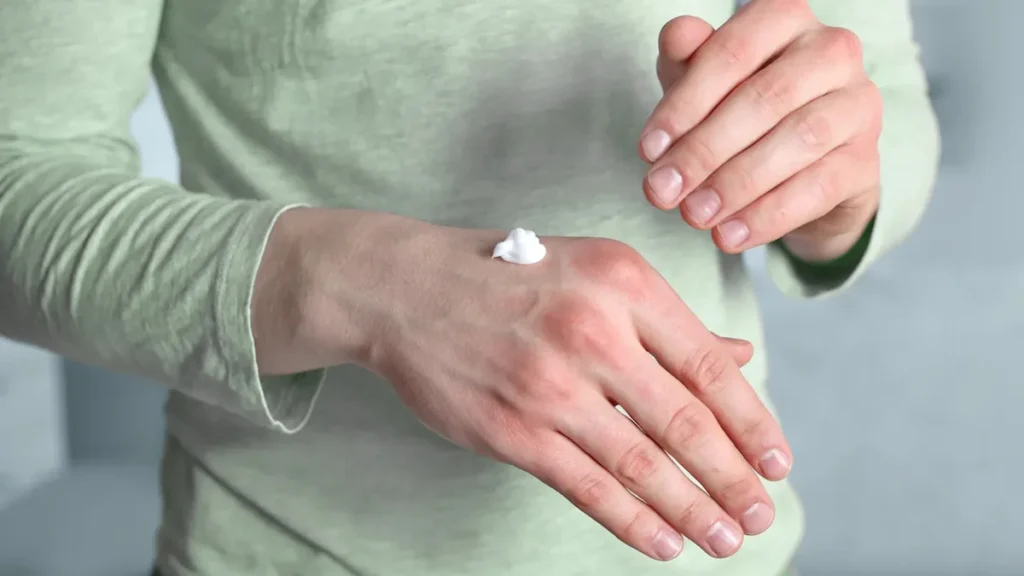


Atopic dermatitis can flare up any day of the year, causing scaly patches of extremely dry, itchy, inflamed skin. But for many people living with the condition, also known as eczema, the winter months can be especially challenging.
Taking steps to prevent flares can help keep your skin healthy in colder weather – and beyond.
What Is Eczema?
With atopic dermatitis, the skin barrier is compromised, meaning it doesn’t do an adequate job of keeping irritants and allergens out and moisture in, says Amy Paller, MD, the chair of dermatology at Northwestern University’s Feinberg School of Medicine in Chicago.
Advertisement
Advertisement
As a result, you may experience:
Why Is Eczema Worse in the Winter?
“The dryness and coldness of winter … can dry out your skin even more and irritate you, and you can end with exacerbations [flares],” Dr. Paller says. “It’s not clear why, but changes in temperature tend to be one of the biggest triggers for people with eczema.”
This can be a common concern in winter when you’re often moving back and forth between warm indoor heating and cold outside air. Frigid outdoor air and harsh wind can trigger a flare-up, too.
These nine strategies can help prevent flares even when the moisture and humidity plummet.
1. Protect Exposed Skin When Outside
Hand eczema is common in winter and can cause deep cracks, peeling, and blisters on the tops of your hands, palms, or fingers, according to Jeffrey Benabio, MD, a dermatologist with Kaiser Permanente in San Diego. He recommends wearing gloves whenever you head outdoors.
Advertisement
Advertisement
To protect your neck, face, and scalp, which can also be sensitive to the cold, grab a scarf and a hat on chilly days.
Be selective about fabrics that will lie directly on your skin, says Paller.
Opt for soft, natural materials, like cotton or bamboo. And avoid materials that can worsen eczema symptoms, like wool, nylon, spandex, and polyester.
Irritating your skin can set off an itch-scratch cycle.
8 Ways to Prevent Eczema Flares in Cold Weather
Eczema can cause dry, itchy, inflamed skin, and can be particularly challenging during the winter months.
2. Step Up Your Moisturizing Routine
The best treatment for eczema is a proactive one. That includes using moisturizers, which can strengthen the skin barrier to prevent water loss.
Advertisement
Advertisement
To protect against irritants and manage itching, moisturize in the morning and night as well as any time the skin gets wet.
This is especially important after a bath or shower, says Jason Reichenberg, MD, a professor of dermatology at Dell Medical School at the University of Texas in Austin.
Keep in mind that lotions, which are mostly water, might not cut it this time of year. “At a minimum, you’ll need to use a moisturizing cream. An ointment like petroleum jelly is even better,” says Paller.
Although thick creams and ointments can feel greasy, they hold moisture in the skin for longer and don’t easily wash away if they get wet.
3. Steer Clear of Soaps and Scents
Your sensitive skin may be especially prone to flares in winter, so avoid exposure to any potentially irritating products.
Advertisement
Advertisement
“In the summer, you may be able to tolerate antibacterial or deodorant soaps, but in the winter, you should switch to nonsoap cleansers,” Dr. Reichenberg suggests. Look for products labeled “face cleanser” or “body bar,” and avoid anything that has the word “soap” on the package.
“Even so-called ‘natural’ soap products can be harsh on the skin,” he says.
Fragrances and essential oils can also irritate and dry out eczema-prone skin, so opt for fragrance-free skin care products whenever possible. The same goes for laundry detergents: Look for ones that are fragrance-free.
4. Resist the Lure of a Long, Hot Shower
When temperatures drop, a steamy shower can be hard to resist. But showering for too long – especially with hot water – strips the skin of its natural oils.
Advertisement
Advertisement
This can make atopic dermatitis worse, says Reichenberg. He recommends sticking to short baths and showers of no more than 10 minutes, using comfortably warm but not hot water.
Afterward, gently pat your skin dry (rather than rubbing it), and leave it slightly damp. This helps the skin retain more moisture.
5. Dress in Layers
While exposure to cold air can cause an atopic dermatitis flare, dressing too warmly isn’t the answer. The goal is to maintain an even skin temperature as much as possible, says Paller.
To avoid the hot-cold-hot-cold cycle, she recommends wearing several light layers rather than one or two heavy ones.
Advertisement
Advertisement
“That way, if you start feeling hot and uncomfortable, you can remove a layer,” she says. You can always put it back on later if you need to.
If you’ll be doing something active and expect to sweat, choose a quick-drying or moisture-wicking fabric as your base layer, such as a lightweight cotton.
6. Strip Off Wet Clothes
After walking around in the snow or being out in the rain, be sure to remove your gloves, jacket, socks, and anything else that’s wet as soon as you come inside.
Wet clothes can irritate eczema and, as they dry, cause moisture to evaporate from the skin, Dr. Benabio says.
Perspiration can also be very irritating to eczema-prone skin. If you’ve been outside exercising or shoveling snow, or if you just bundled up a bit too much and started sweating, it helps to take a quick shower, moisturize, and put on clean, dry clothes as soon as you can.
7. Sleep With a Humidifier
Many heating systems dry out the air inside your home, which can worsen atopic dermatitis, notes Reichenberg. Using a humidifier in your bedroom overnight can help add moisture back into the air and into your skin.
Advertisement
Advertisement
Whether you use a cool- or warm-mist unit, be sure to follow the manufacturer’s cleaning instructions, Paller says. “Otherwise the humidifier could harbor organisms, particularly mold, which isn’t good for someone with an allergic tendency and could end up making eczema worse,” he says.
8. Ditch the Heavy Duvet
Though you may be chilly when you get into bed, getting cozy under a heavy comforter can leave you feeling hot and itchy a few hours later. To avoid overheating at night, dress your bed as you dress yourself – in layers.
Paller recommends starting with soft, cotton sheets and then adding several lightweight blankets on top that are made from nonirritant fabrics, like cotton, bamboo, or silk, that you can remove easily.
“This way, there’s something you can do if you wake up hot and uncomfortable, rather than just scratching up a storm and being unable to sleep,” she says.
9. Check With Your Dermatologist
One of the many frustrating things about atopic dermatitis is that you can do everything right and still get a flare. If you can’t break the itch-scratch cycle on your own, check in with your doctor or dermatologist.
Advertisement
Advertisement
“There are so many wonderful ways to treat eczema right now,” Paller says. “We don’t just have steroid creams. We have several different types of topicals. We also have injectable biologics that have helped people who were using steroid after steroid or immunosuppressant medication.”
A dermatologist can advise you on the newest treatments for eczema, such as oral or topical JAK inhibitors, which target inflammatory pathways to help bring relief. They can also help individualize treatment to your situation and symptoms.
“Even if you haven’t had success in the past, you might find something that is just right for you, and it can change your life,” he says.
The Takeaway
Eczema tends to worsen in cold weather. But you can take plenty of steps to counteract flare-ups.
When you’re outside, be sure to protect your skin from cold air exposure and dress in layers. At home, step up the moisturizing routine, try sleeping with a humidifier, and keep showers or baths short and warm, not hot.
There is no cure for eczema, but you can manage it and minimize symptoms, even in cold weather. Check in with a doctor or dermatologist if you need advice or want to explore additional treatment options.
EDITORIAL SOURCES
Everyday Health follows strict sourcing guidelines to ensure the accuracy of its content, outlined in our editorial policy. We use only trustworthy sources, including peer-reviewed studies, board-certified medical experts, patients with lived experience, and information from top institutions.
Advertisement
Advertisement
Resources
How to Deal With Eczema During Extreme Weather. Cleveland Clinic. December 27, 2023.
Such Stuff as Dreams Are Made On: Eczema-Friendly Bedding. EczemaUK.
Meet Our Experts
See Our Editorial Policy Meet Our Health Expert Network
Jacquelyn Dosal
Jacquelyn Dosal, MD
Medical Reviewer
Castle Connolly Top Doctor
Jacquelyn Dosal, MD, is a board-certified dermatologist practicing at The Dermatology House in Park City, Utah. Her areas of expertise include acne, rosacea, integrative treatments…
See full bio
julia-califano-bio
Julia Califano
Author
Julia Califano is an award-winning health journalist with a passion for turning complex medical research and information into news you can actually use and understand. She strives …
See full bio
Diana Rodriguez
Diana Rodriguez
Author
Diana Rodriguez is a Kentucky-based health news writer. She is skilled at turning confusing doctor-speak and complex medical topics into understandable language for readers. She is…
See full bio
See Our Editorial Policy Meet Our Health Expert Network
Source link