


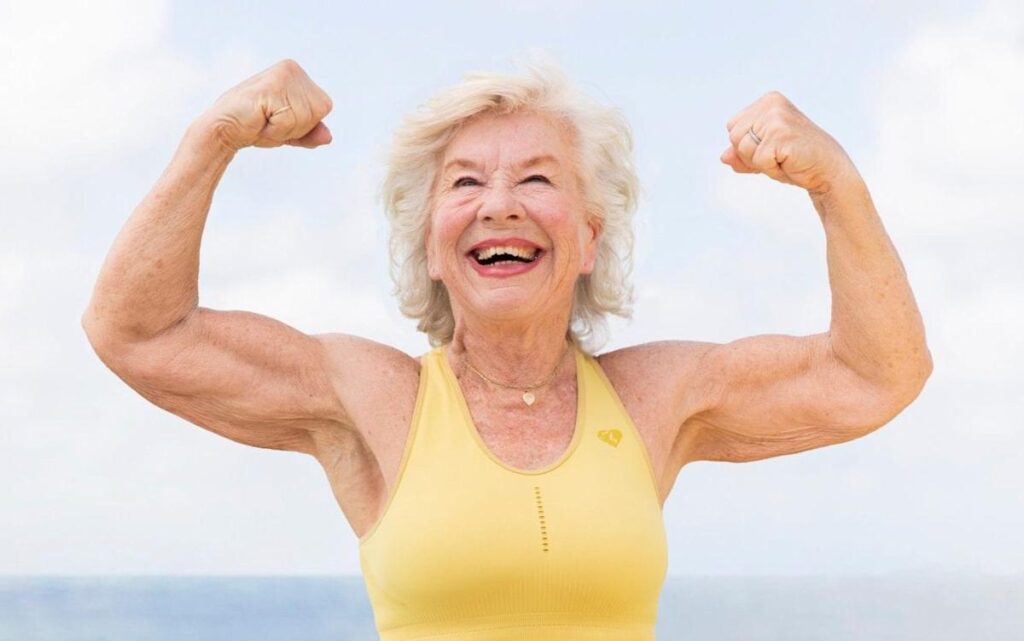
In her 60s, Joan MacDonald was over 14st and on medication for high blood pressure and high cholesterol. Tired, achy, and easily out of breath, it was her daughter, Michelle (usefully, a personal trainer), who decided things could not go on like this. “You’ve got a choice,” Michelle told her. “You deserve to feel alive again.”
So aged 70, Joan started strength training in the gym. It was hard at first, “like learning a different language,” she says. But over time, she started to feel stronger and more energised.
Little did she know that she would go on to be a social media sensation. Launching her Instagram account, @TrainWithJoan, in 2018 was a form of accountability, and sharing “before and after” pictures was a way to track her progress. Now she has over two million followers, inspired by her transformation and motivational posts. It’s quite the pivot for the sweet-natured Canadian retiree who previously worked in local government.

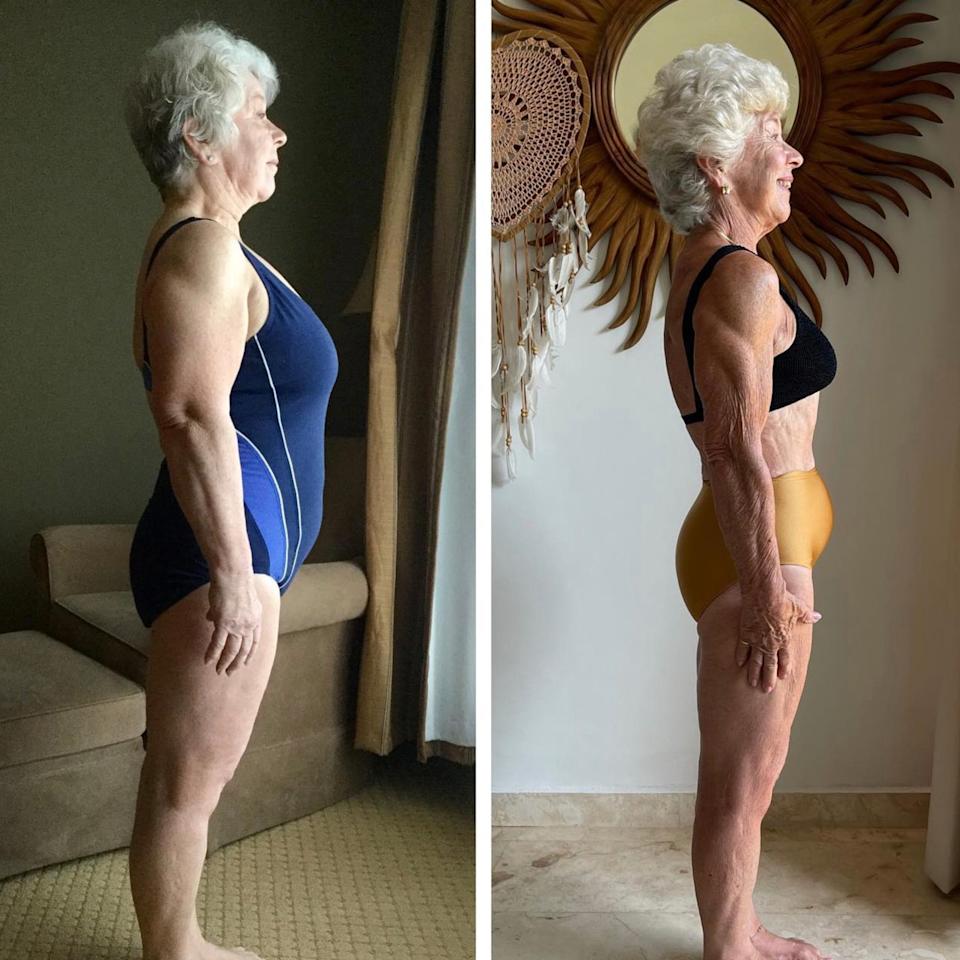
Joan created an Instagram account when she turned 70 to document her fitness journey
But the past decade has not all been smooth sailing. In 2023, she lost her husband of 56 years, Norman. He was 82, and died after a fall. She had knee replacement surgery and a titanium reverse shoulder implant last year, after coming off her bike. But she goes to physiotherapy twice a week, and says her therapist is “blown away by my progress”.
Now she splits her time between Canada and Tulum in Mexico, where Michelle lives. “Strength isn’t just about lifting weights,” she says. “It’s about living fully.”
Joan, who turns 80 in March, says she feels better than she did at 50. She’s planning to celebrate her birthday in Mexico City with her daughter and friends. “I’ve never felt more alive,” she says.
Here’s how she does it.
Have a structure and stick to it
“I wake up between 5-6am,” says Joan. “The single thing that has had the biggest positive effect on my life is having a structure. I know what I need to do every day, and I don’t even think about it. I don’t spend any time working up the motivation – I just get on with it.”
She spends the first hour of her day looking over her schedule of filming and voice-over commitments and getting ready. “I have a light breakfast around 7am, because I’m not going to work out on an empty stomach, then I head to the gym.” Having this structure removes decision fatigue by keeping habits automatic.
Exercise effectively, not excessively
“I used to work out for three hours a day,” admits Joan, who says that her fitness journey has seen her go from exhausted and struggling, to becoming slightly addicted as she got stronger. Now, she’s got it down to an hour a day, which many would still say is rather a lot (assuming this isn’t your full-time job). But the key is doing it whether you feel like it or not.

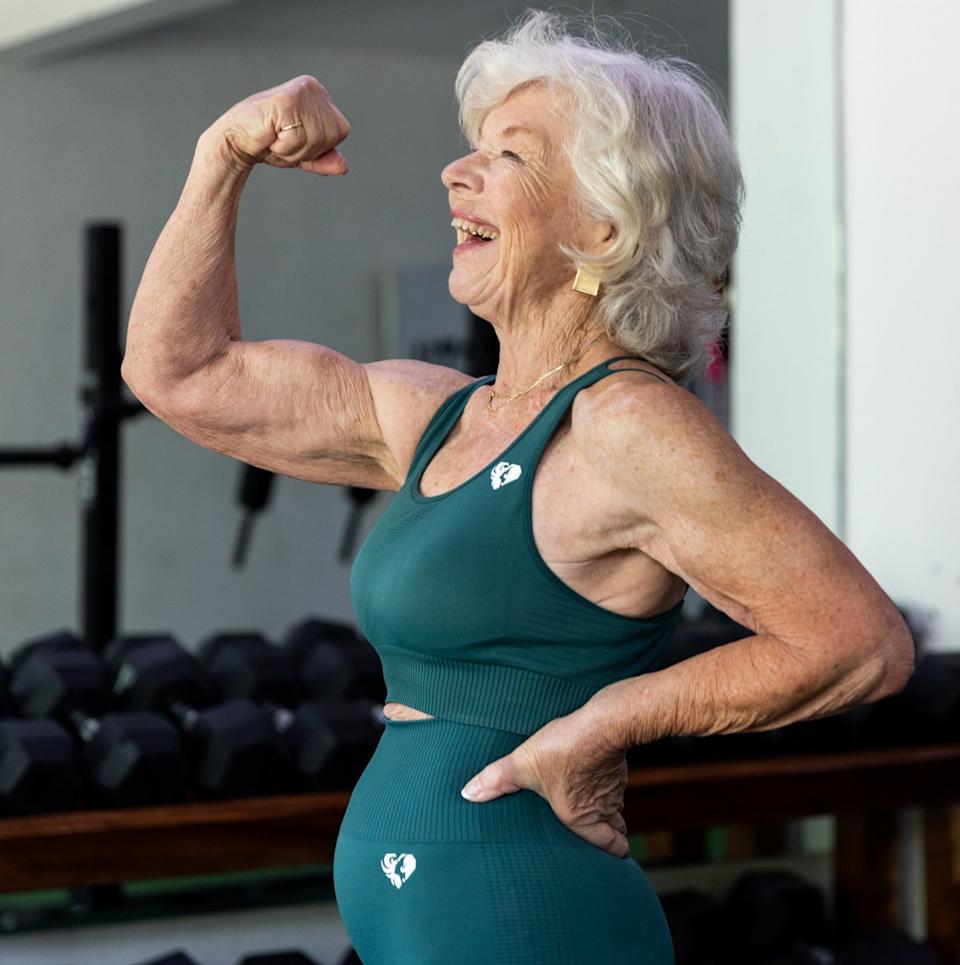
Joan, who turns 80 in March, says she feels better than she did at 50
“When I don’t feel like it, Michelle tells me: ‘Get in, and get out. Concentrate on what you’ve got to do, and do it.’ And I always feel better afterwards.” The takeaway is that long workouts can lead to burnout. Effective, focused training keeps you consistent.
Do something active every day
Joan works out six days a week: two upper body strength days, two lower body days, and two cardio days, which mean cycling or running on the treadmill.
“Sunday is meant to be my day off from working out, but I usually have a long walk or go cycling,” she says.

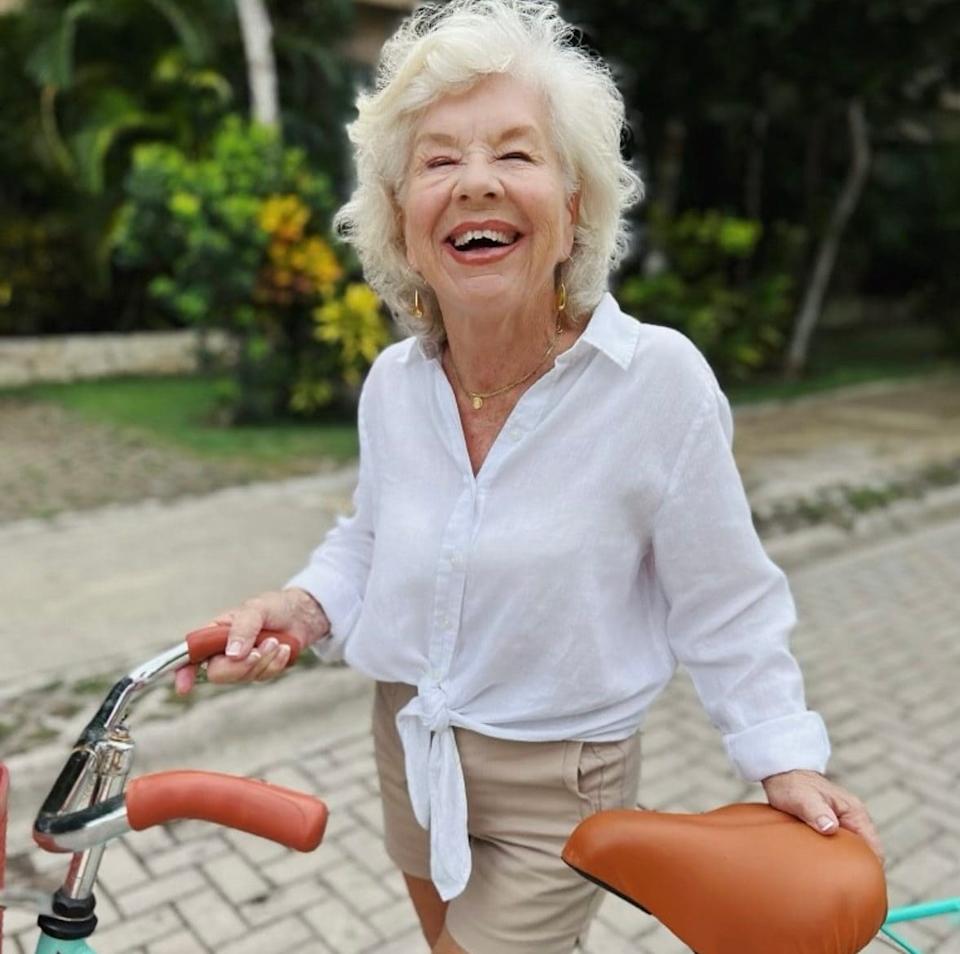
Joan does strength training six times a week and cardio twice a week
Research now shows that strength training is essential in older age, for everything from muscle mass and mobility to balance and metabolic health. “But you don’t have to do as much as I do,” says Joan. “Find a schedule that works for you and stick to it. The key is not having to decide to exercise, because it’s just what you do every day.”
Don’t forget to work your ‘booty’
“Anyone can get a pert bum, at any age,” insists Joan. “I’ve got a booty now! I might not be Kim Kardashian, but I never thought I’d have a booty at this age.”
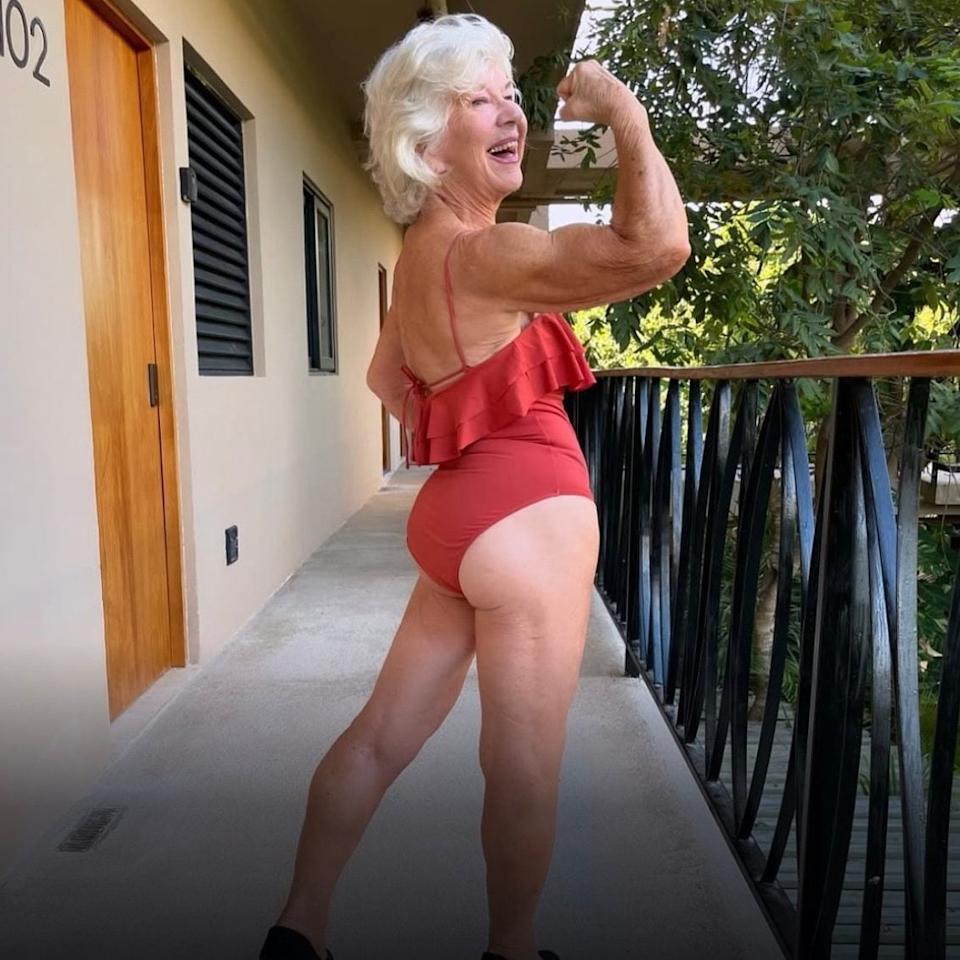
One of Joan’s favourite exercises is the leg curl which she says is ‘great for a perky bum’
There are several exercises that are particularly good for your glutes (the powerful muscles in your bottom): she recommends squats and lunges. “But also try a leg curl, where you lie on your front with a dumbbell between your feet, then bend your knees to lift the dumbbell up,” she suggests. “That one is great for a perky bum.”
Create an eating schedule
Joan eats five small meals a day, which sounds like a lot of effort, but some of these “meals” are more like snacks. “Breakfast at 7am is half a bagel with chicken and mustard,” she says. “That’s all I need to fuel my workout. Then around 10am, I have an egg-white omelette with ham, cheese, spinach, mushrooms and tomatoes. At 1pm, I’ll have a protein shake, or some natural yogurt with fruit. And my fourth meal, around 4pm, is the largest one; it’s like my dinner so it’s meat or fish with vegetables. Finally, at 7pm, I’ll have something very light, like a salad.”
Prioritise protein and eat the rainbow
As we get older, protein is crucial for muscle preservation, recovery and supporting strength training. Joan makes an effort to get protein from food sources, but does add a protein powder once a day. “I try to get at least 30g of protein per meal,” she says. “I’m a meat eater, so I source the best-quality meat I can.”

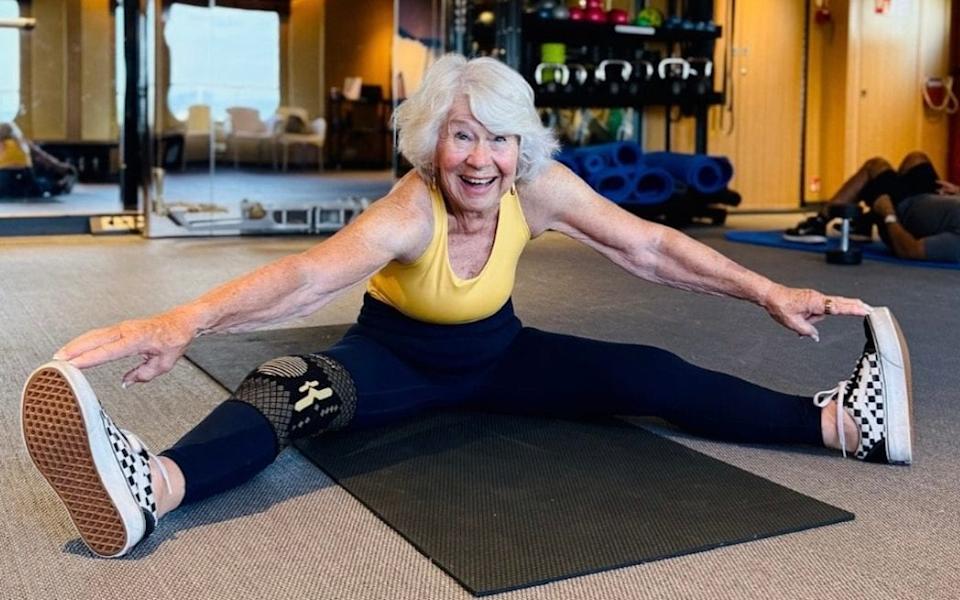
Joan MacDonald: ‘Do you want to sit on your sofa watching TV for the rest of your life? What a waste of time’
Then when it comes to fruit and vegetables, “I try to eat every colour of the rainbow,” she says. Different-coloured plants contain different nutrients, minerals and fibres. “I love all vegetables. My favourites are carrots, cauliflower, beets and creative salads with walnuts or pecans and apple.”
Don’t fall for portion distortion
Restaurant portions and large plates have given us all a distorted idea of what a healthy portion of food looks like. “It took a while to get my head around portion sizes,” says Joan. “I used to eat three big meals a day, but my body struggled to digest it. Now I’m so used to weighing my food that I know how many grams of protein are in a chicken breast or a portion of yogurt just by looking at it.” Most of us lack the time and inclination to weigh our food, so it might be easier to think in terms of a deck of cards for meat, and a fist-size amount of carbs like rice or pasta. Vegetables, particularly green, leafy ones, should take up half of your plate.
Make time for fun
While her day-to-day meals are regimented, Joan knows that seeing friends and having fun is an important part of a healthy life, as well as keeping her lifestyle sustainable. “I have a ‘fun meal’ every week, sometimes twice a week,” she laughs. “I’m fairly relaxed when I’m out, but obviously it’s less healthy than I would make at home because restaurants use a lot of fat, so I don’t overdo it.”

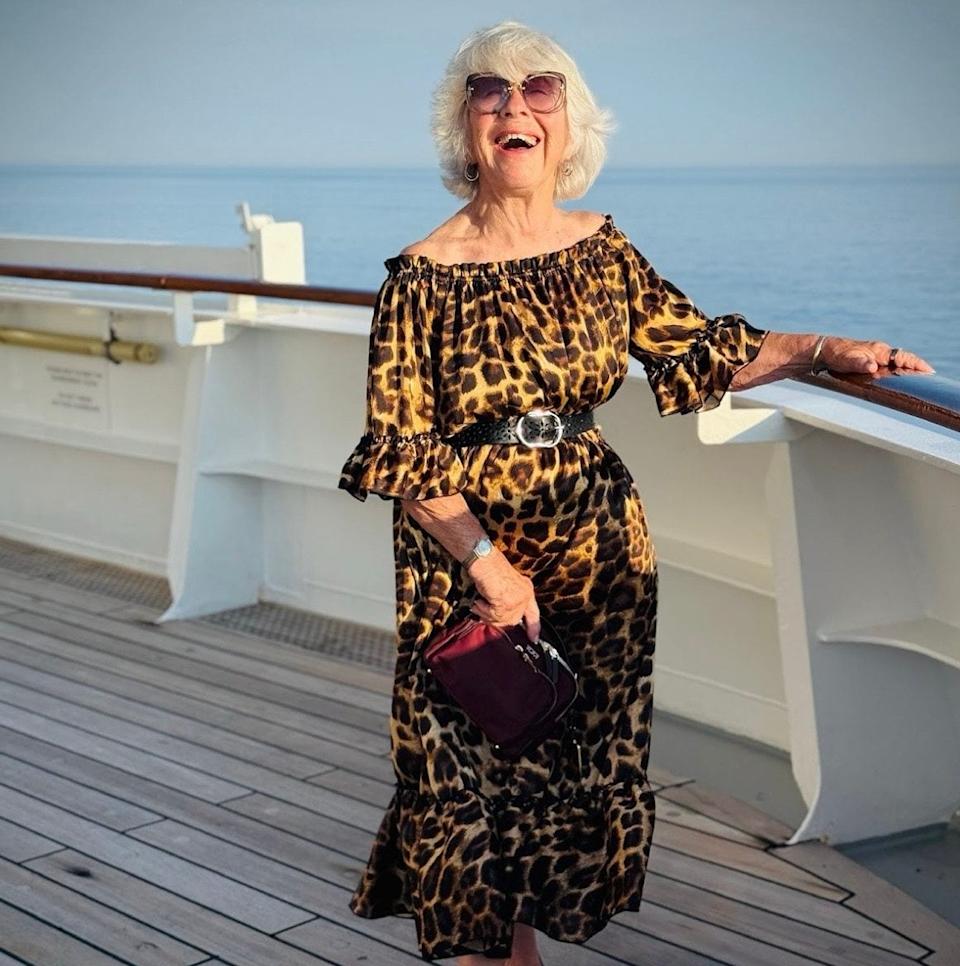
Joan knows that seeing friends and having fun is an important part of a healthy life
When ordering from a menu, she still thinks in terms of protein and a variety of plant foods for fibre. “I don’t drink alcohol at all,” she adds. “It’s a waste. I’d rather have food. And I can get silly no matter what, I don’t need a drink for that!”
Think puzzles and posture
Simple daily habits make a huge difference, says Joan, and they’re not necessarily about sweating it out in a gym. “Keeping my brain engaged is so important to me,” she says. “I love puzzles – crosswords and sudoku – I do them every day.”
And she describes how a new focus on her posture and breath has been transformative. “Posture is everything, and the way that you breathe is so powerful,” she says. “Breathe in deeply, feeling your chest expand, with your shoulders back. Then, as you exhale, suck your tummy in. Think about that throughout the day, not only when you’re exercising.”
Don’t make excuses
“Do you want to sit on your sofa watching TV for the rest of your life? What a waste of time,” she says, with characteristic frankness. “There is so much more to experience, and you can feel so much better if you’re moving your body and eating well.” Joan strongly feels that, if she can do it, so can anyone. So if you’re waiting for a sign, let this be it. “You are never too old to change, but no one else can change your life for you,” she adds firmly. “You’ve got to do it for yourself.”
Try full access to The Telegraph free today. Unlock their award-winning website and essential news app, plus useful tools and expert guides for your money, health and holidays.