


The Transportation Security Administration announced a major procedural change this week: Starting February 1, 2026, travelers who show up to security without an acceptable form of identification — including those with a non-REAL ID driver’s license — will be directed to a new fee-based verification system called TSA Confirm.ID.
The cost: $45 for a 10-day travel window.
According to the agency’s announcement, the fee will allow travelers to establish identity using a “modernized” system rather than being denied entry to the security line. TSA framed the change as a way to ensure that “the cost to cover verification of an insufficient ID will come from the traveler, not the taxpayer.”
But one travel expert who responded to my interview questions by email says the policy raises serious questions.
“The Real ID Act was passed 20 years ago, and enforcement just began this year,” said Points Path Founder Julian Kheel in an email. “Rather than helping Americans transition smoothly, TSA is now imposing financial penalties on those still catching up to a requirement that was delayed by the agency itself for two decades.”
Kheel notes that the $45 fee will likely fall hardest on travelers who already face obstacles navigating REAL ID requirements. “This policy will disproportionately impact lower-income travelers who may not have easy access to DMV appointments or the flexibility to take time off work to get a new ID,” he told me. “Now those same folks are being asked to pay an additional $45 fee on top of already expensive airfare.”
He also pointed out the oddity of the 10-day identity window. “The 10-day window creates a bizarre situation where your identity expires like a carton of milk,” he wrote. “After those 10 days pass, you’re back to square one, forced to pay another $45 even though nothing about your actual identity has changed.”
And beyond just the cost, Kheel believes the system could produce ripple effects at airports nationwide.
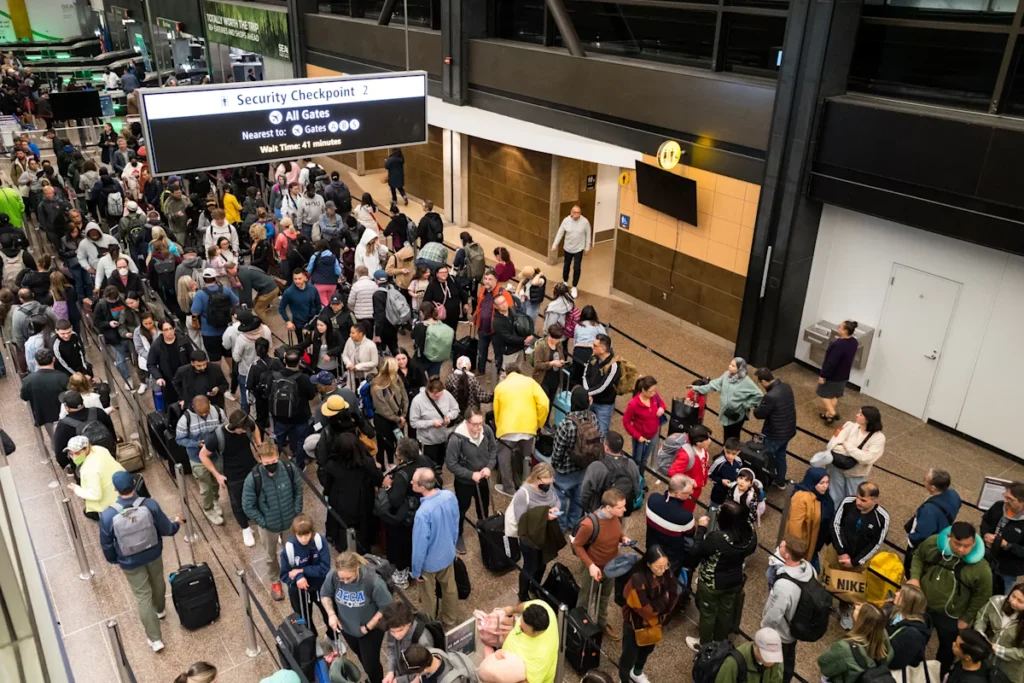
“Delaying travelers in order to charge them is very likely to create slowdowns and long lines at TSA checkpoints,” he said. “If that happens, members of Congress will very quickly hear about it from their constituents.”
TSA, for its part, urges travelers without a REAL ID to update their documents as soon as possible — and to pre-pay the fee online before heading to the airport, if they choose to use Confirm.ID.
But with enforcement beginning in early 2026 and millions of Americans still navigating REAL ID compliance, even travel industry experts have plenty of questions about how smoothly this transition will go. But as always, prepare to pack your patience when you travel in the new year.