Have you ever looked at a gaggle of marathon runners jogging through the streets and thought it would be interesting to try it yourself, testing your physical limits and mental discipline? Even if you caught the bug, it can be difficult to know where to start.
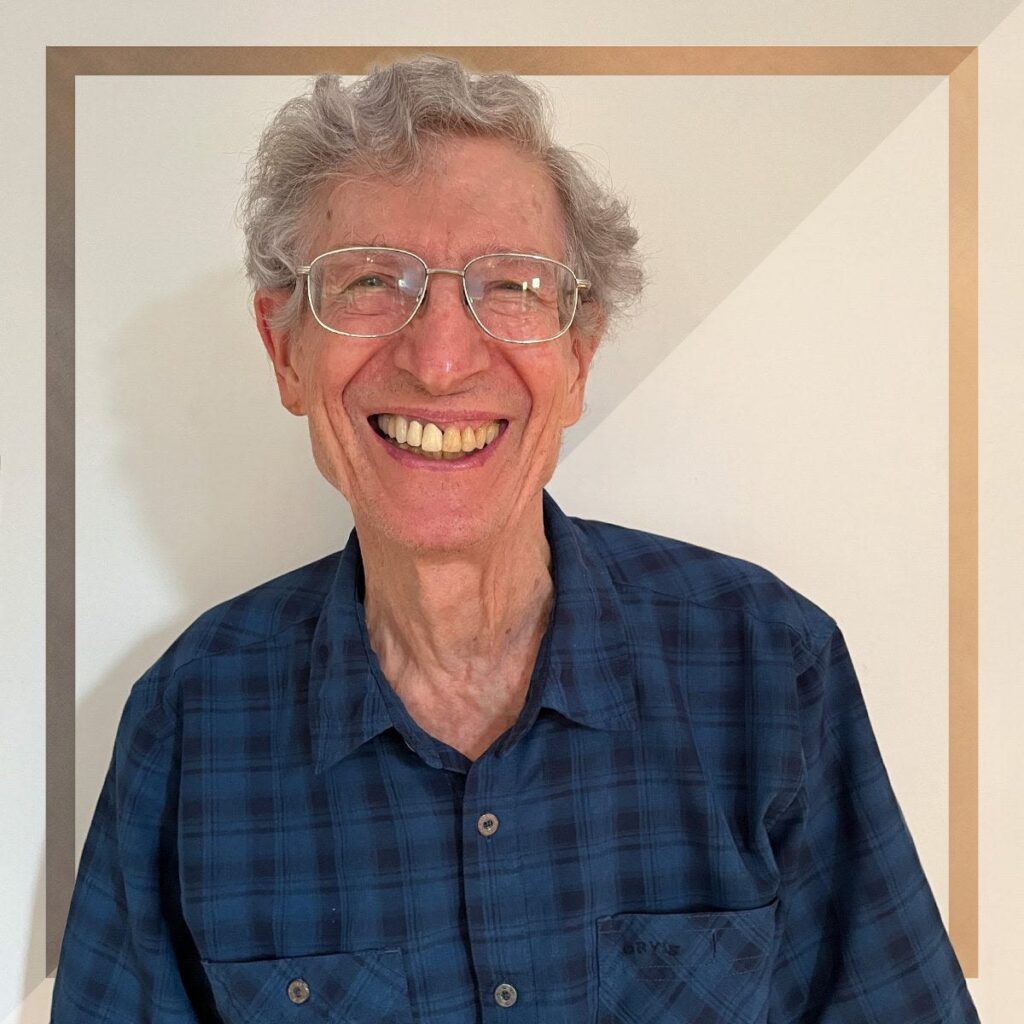
Dave Obelkevich, 83, had the same thought as a young man—although he says he thought that marathon running would be “fun.” So he opened a bestselling running book. Rule number one in the book? Never walk.
“Um, if everyone in your family is a foot doctor, then maybe that’s okay but otherwise, it’s terrible advice,” says Dave.
Advertisement
Advertisement
And he would know. The retired New York City (NYC) high school music teacher has finished every New York City Marathon held since 1976. On November 1, 2026, he took on his 50th. Over the years he’s run 115 marathons, 200+ ultramarathons, and many more shorter races. How has he finished so many miles? He’s not afraid to break the rules, starting with the “no walking” one.
An accidental streak
Dave grew up in Johnson City in upstate New York. He ran track in high school—though not well, he admits. In the 100-yard dash, he says, “At least I didn’t come in last! I was penultimate.”
He moved to New York City in 1961 to attend Columbia University and often wound up in Central Park.
“I saw a lot of people running, and I thought, that looks like fun,” Dave says. By his late 20s he was running regularly, and he ran his first marathon in 1974. Despite running all the NYC Marathons since 1976, the first year it expanded to all five boroughs, he didn’t know he had a notable streak. Until organizers told him he was the very top of the list—running the NYC marathon more consecutive times than any other person.
Advertisement
Advertisement
He laughs, “They said, ‘You have a streak going.’ I said, ‘What do you mean, brushing my teeth?'”
He’s now officially the ultimate “streaker” (but not that kind!) and belongs to the New York Road Runners streakers. It’s a group for athletes with 15 or more consecutive New York City Marathons. The group has become a vital part of his training—especially as he runs unplugged, preferring to just watch nature or chat with other runners.
“We have meetings together and social things,” he says. “It’s nice to be with people.”
Hurdling over roadblocks

He almost lost his streak in 2020 when he needed emergency surgery. One day he was running and got what he thought was a calf cramp. It turned out is was a blood clot that resulted in an aortic aneurysm.
Advertisement
Advertisement
The doctors told him he was lucky to survive, that he could have lost his leg or his life. But instead of using that as an official passport to the recliner, he just adapted and changed his marathon strategy. “Now when I run, it’s just a quarter of a mile because my heart rate gets up high, so I run and then walk and run again” he says.
How much running actually improves longevity
You might think that scaling back his running would have a negative affect on Dave’s longevity. But research says that is not necessarily the case. In the British Journal of Sports Medicine, international researchers looked at over 230,000 participants from 14 different studies. They found that people who ran were 30% less likely to die of cardiovascular causes and 23% less likely to pass from cancer. In fact, they were 27% less likely to die from any cause compared to people who didn’t run at all.
Importantly, any amount of running seems to help. In the conclusion, the study authors write, “Increased rates of participation in running, regardless of its dose, would probably lead to substantial improvements in population health and longevity.”
But make no mistake, walking isn’t a consolation prize to running—it supports health in many valuable ways. A 2023 review in Geroscience points out that people who walk regularly also have lower rates of cardiovascular disease, as well as dementia and cognitive impairment. The authors also note that walking is an integral part in the lifestyle of people living in Blue Zones, which are home to high concentrations of people over 100.
Advertisement
Advertisement
You also don’t need 10,000 steps a day to benefit. In fact, having a black-and-white attitude about exercise can result in getting less movement in some cases. Dave says flexibility is the key … and he’s not just talking about hamstring stretches.
“It’s about finishing the race and however you get there is great—it’s still competing,” he says. Dave adds that he doesn’t think he’s anything special (although I and many others might disagree) so if he can run a marathon you definitely can, too. Here’s how.
Rule 1: Walk breaks aren’t weakness
In the early ’80s, Dave chased speed. “It didn’t occur to me to walk, because I figured if I walk, that means I’m going slower,” he says.
Injuries and watching other runners slowly changed his mind. “When they run and walk, they can go just about as fast and they recover much faster. When they get to the finish line, they don’t fall from exhaustion. They go dancing around,” he says.
Advertisement
Advertisement
A 2015 study of 42 recreational marathoners backs this up. The researchers found that competitors who mixed running and walking crossed the finish line in around 4 hours, 14 minutes; while people who only ran had times around 4 hours, 8 minutes. They also completed the race with less pain and fatigue. Although researchers note that walk breaks did not lower heart-stress markers, so check with your doctor before starting a new exercise regiment whether it’s running, walking, or both.
But for beginners, Dave says, permission to walk is key. “I guarantee they’re not going to be exhausted at the end,” he says. “They’re going to have a lot of fun.”
Rule 2: Start slower than you think
“I think the most important thing about starting a marathon is finding the right pace,” he says. His formula: Double your half-marathon time, then add the time it takes to run a mile and a half at that pace. A 2:10 half marathon becomes 4:20, plus about 15 minutes, or 4:35.
Dave says, “If you start at that pace and don’t go any faster, I almost guarantee you will finish.”
Rule 3: Don’t just drink water
“When you perspire, the sweat has a lot of salt in it,” Dave says. “If you just replace the water, the salt concentration in your blood drops.”
Advertisement
Advertisement
What he’s describing is hyponatremia. A 2025 review found that symptomatic cases of hyponatremia occur in under 1% of marathoners and the leading cause is overdrinking. The takeaway: Drink to thirst rather than forcing fluids, and ask a sports-medicine doctor whether you could benefit from extra sodium in long events.
Rule 4: Run with a friend
When asked for his best advice for beginners, Dave says, “Run with at least one other person.” He adds that most runners are friendly, saying, “If you ask, ‘What’s your name?’ They’ll tell you about themselves. And they’ll ask you a question about yourself.”
He recalls a high school coach saying, “If you don’t make at least two new friends, consider yourself a failure.” He’s taken that to heart and even brings business cards to hand out to new friends on the course so he can stay connected.
Everyone sees benefits from being social while exercising, but a 2024 review suggests it may be even more important for older adults. In most studies they analyzed, there was a positive relationship between social support and physical activity in people around 60 years old and older—with companionship being one of the top factors.
Two final pieces of advice for running … and life
He isn’t chasing records. He once read about a runner with more than 1,000 marathons. “I’m not going to get that many,” he says. “I’m happy with whatever number comes up. I’m going to run until I can’t.”
Advertisement
Advertisement
Dave’s goal is simple. “I want to keep finishing, keep running,” he says. “A lot of people say the secret to living long is keep moving, don’t stop.”
And his advice for anyone supporting a runner lacing up for the first time? “Don’t tell them good luck. Tell them, have fun. If enough people tell them to have fun, they’ll focus on enjoying it and that’s the key.”