
Close Menu
  • Entertainment
    • Celebrities
    • Music
    • Television & Movies
  • Healthcare
    • Fitness
    • Health
    • Wellbeing
  • Lifestyle
    • Culture
    • Love
    • Trending
  • Living
    • Homes
    • Nice house
  • Style & Beauty
    • Accessories
    • Beauty
    • Fashion
  • Travel
    • Activities
    • Food
    • Places & Attractions
    • Weekend escapes
Facebook X (Twitter) Instagram
Friday, March 13
  • Homepage
  • Sitemap
Facebook X (Twitter) LinkedIn VKontakte
Healthcare, Lifestyle, Entertainment, Living and TravelHealthcare, Lifestyle, Entertainment, Living and Travel
  • Entertainment
    • Celebrities
    • Music
    • Television & Movies
  • Healthcare
    • Fitness
    • Health
    • Wellbeing
  • Lifestyle
    • Culture
    • Love
    • Trending
  • Living
    • Homes
    • Nice house
  • Style & Beauty
    • Accessories
    • Beauty
    • Fashion
  • Travel
    • Activities
    • Food
    • Places & Attractions
    • Weekend escapes
Healthcare, Lifestyle, Entertainment, Living and TravelHealthcare, Lifestyle, Entertainment, Living and Travel
Home»Lifestyle»Severe COVID-19 or flu raises risk of lung cancer, even years later, U.Va. research finds
Lifestyle

Severe COVID-19 or flu raises risk of lung cancer, even years later, U.Va. research finds

03/13/20264 Mins Read
Facebook Twitter Pinterest LinkedIn Tumblr Email
Share
Facebook Twitter LinkedIn Pinterest Email


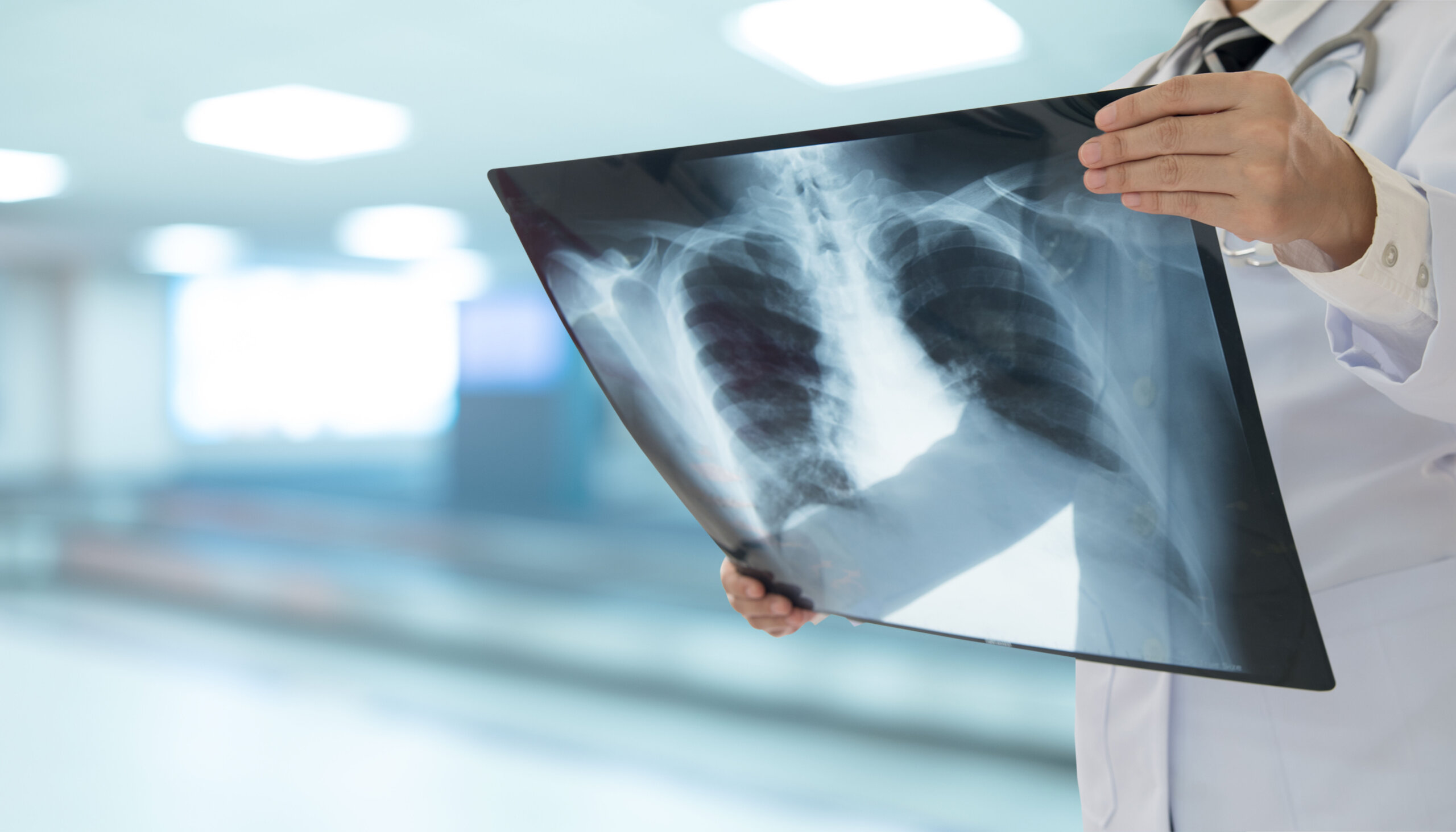
Patients hospitalized with severe COVID-19 have an increased risk of developing lung cancer, months or years later, according to new research from University of Virginia.

Patients hospitalized with severe COVID-19 have an increased risk of developing lung cancer months or years later, according to new research from the University of Virginia.

U.Va. School of Medicine researcher Jie Sun and his colleagues found serious viral infections “reprogrammed” immune cells in the lungs to facilitate the growth of cancer tumors, up to years later.

“A bad case of COVID or flu can leave the lungs in a long-lasting ‘inflamed’ state that makes it easier for cancer to take hold later,” Sun said. “The encouraging news is that vaccination largely prevents those harmful changes for cancer growth in the lung.”

While respiratory infections, including flu and COVID, have been known causes of injury and trauma to the lung, it hasn’t been clear what effect those injuries have on long-term cancer risk.

Sun and his team examined the effects on both lab mice and human patients, in research from U.Va. Health’s Beirne B. Carter Center for Immunology Research and the U.Va. Comprehensive Cancer Center. Their findings were published in the scientific journal Cell.

Mice that suffered severe lung infections were both more likely to go on to develop lung cancer and significantly more likely to die from the disease.

When the researchers examined data from patients, the findings held true.

“The scientists found a significant association between prior COVID-19 hospitalization and increased lung cancer incidence,” according to a news release. “This 1.24-fold increase held true regardless of whether the patients were smokers or had other health conditions,” known as comorbidities.

In other words, after a serious COVID-19 infection, the chances of developing lung cancer in the future is roughly one-quarter higher than normal.

According to the researchers, prior vaccination appeared to prevent the cancer-promoting lung changes, since vaccines train the immune system to battle infections, reducing the severity of the illness.

The increased cancer risk was seen only in patients with severe COVID; those who suffered mild cases actually saw a slight decrease in risk.

After severe COVID, regular screening can prevent lung cancer

With tens of millions of people globally experiencing long-term pulmonary effects from COVID, the U.Va. researchers hope their findings will help doctors identify patients at risk for viral lung cancer, so they can get treatment sooner.

“Our goal is to help doctors identify who may be at higher risk of lung cancer after prior pneumonia,” said Sun, who said vaccines don’t just prevent acute hospitalization after contracting pneumonia. “They may also reduce the long-term fallout of severe infection, including the kind of immune scarring that can increase cancer risk.”

Jeffrey Sturek, U.Va. physician-scientist and collaborator on the project, said the findings suggest more aggressive surveillance is needed.

“We’ve known for a long time that things like smoking increase the risk of lung cancer,” Sturek said. “The results from this study suggest that we may need to think about severe respiratory viral infection similarly.”

For patients who are considered high risk because of a smoking history, doctors recommend regular CT screenings to catch cancer early.

“In future studies, we may want to consider a similar approach after severe respiratory viral infection,” Sturek said.

“Individuals recovering from severe viral pneumonia, particularly those with smoking history, may benefit from enhanced lung cancer surveillance, and preventing severe lung infection through vaccination may confer indirect cancer protection benefits,” Sun said.

Get breaking news and daily headlines delivered to your email inbox by signing up here.

© 2026 WTOP. All Rights Reserved. This website is not intended for users located within the European Economic Area.


Source link

cancer COVID19 finds flu lung raises research risk severe U.Va years
Share. Facebook Twitter Pinterest LinkedIn Tumblr Email
Previous ArticleWhen stock markets get shaken, it can pay for investors to be patient
Next Article What you should know about wearable glucose monitors in wake of recall

Related Posts

Greek restaurant Our Mom Eugenia set to open this fall in Bethesda

03/13/2026

What you should know about wearable glucose monitors in wake of recall

03/13/2026

When stock markets get shaken, it can pay for investors to be patient

03/13/2026
Latest Posts

Greek restaurant Our Mom Eugenia set to open this fall in Bethesda

03/13/2026

What you should know about wearable glucose monitors in wake of recall

03/13/2026

Severe COVID-19 or flu raises risk of lung cancer, even years later, U.Va. research finds

03/13/2026

When stock markets get shaken, it can pay for investors to be patient

03/13/2026

Smaller portions are a big restaurant trend as customers watch their budgets and waistlines

03/13/2026
Highlights

Greek restaurant Our Mom Eugenia set to open this fall in Bethesda

03/13/2026

Our Mom Eugenia, a Virginia-based Greek restaurant minichain, is planning to open this fall in…

What you should know about wearable glucose monitors in wake of recall

03/13/2026

Severe COVID-19 or flu raises risk of lung cancer, even years later, U.Va. research finds

03/13/2026

When stock markets get shaken, it can pay for investors to be patient

03/13/2026
Architectural Concept
  • Architecture Concept
  • Interior Design
  • Landscape Design
  • Italy Highlights
  • Italy Attractions
  • Travel to Italy
  • Italy Food
  • Trip Ideas in Italy
  • Real Estate in Italy
  • Crypto News
  • Finances News
  • Investing News
  • Economic News
Marketing News
  • Marketing News
  • Digital Marketing News
  • Brand Strategy
  • Seo News
  • Finances News
  • Investing News
  • Crypto News
  • Cho thuê căn hộ
  • Hỗ trợ mua nhà
  • Tư vấn mua nhà
  • Tiến độ dự án
  • Tàng thư các
  • Truyện tranh Online
  • Truyện Online
Rental Car
  • Xe Rental
  • Car Rental
  • Rental Car
  • Asia Pacific Lighting
  • Indoor Lighting
  • Outdoor Lighting
  • Solar Light
  • Vi Vu Tây Nguyên
  • Đi chơi Tây Nguyên
  • Khách sạn Tây Nguyên
  • Tour du lịch Tây Nguyên
  • Cho thuê xe Miền Tây
Copyright © 2023. Designed by Helitra.com.
  • Home
  • Entertainment
  • Healthcare
  • Lifestyle
  • Living
  • Style & Beauty
  • Travel

Type above and press Enter to search. Press Esc to cancel.

Go to mobile version