When you buy through links on our articles, Future and its syndication partners may earn a commission.

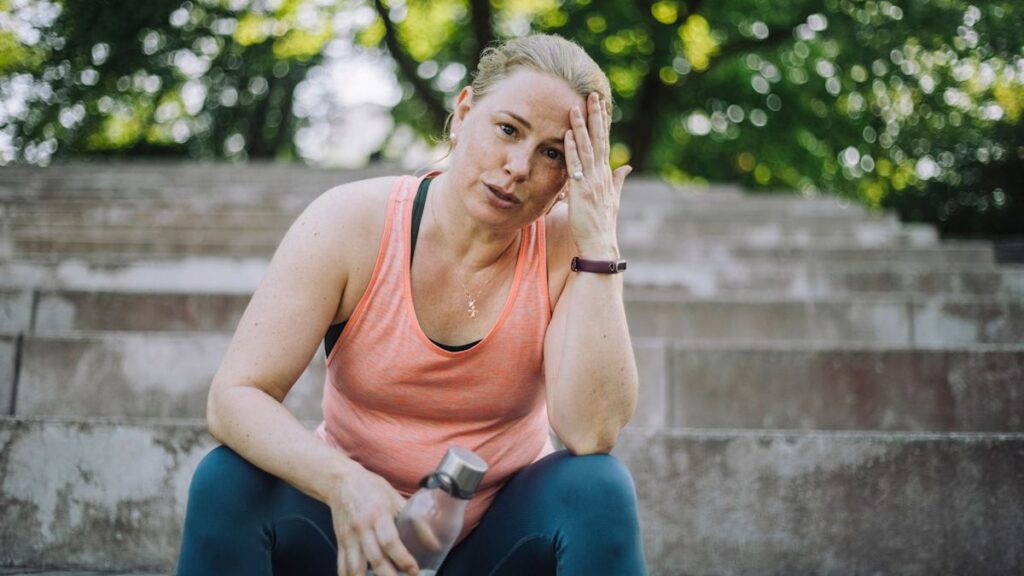
If your usual exercise routine leaves you more out of breath than usual, that warrants further investigation, says cardiologist Dr Roy Jogiya, chief medical advisor at Heart Research UK. | Credit: Getty Images / Maskot
Menopause might prompt you to rethink how you exercise, eat and look after yourself. But while symptoms like disrupted sleep, anxiety and hot flashes get plenty of attention, heart health can be easier to overlook.
“Estrogen plays an important role in maintaining healthy blood vessels and regulating cholesterol. As levels fall during menopause, LDL cholesterol can rise, blood pressure may increase, and women can develop more abdominal fat and insulin resistance,” says cardiologist Dr Roy Jogiya, chief medical advisor at Heart Research UK.
Advertisement
Advertisement
“These changes happen gradually and aging also contributes. I often tell patients, menopause isn’t just a reproductive milestone; it’s a cardiovascular one, too.”
Here, Jogiya shares three heart-related symptoms women should never ignore, when to seek medical help and the lifestyle habits to adopt now.
1. Chest discomfort that could pass for indigestion
New chest pressure or discomfort should never automatically be attributed to menopause, as it could be a symptom of a heart attack, Jogiya tells Fit&Well.
“Women may also experience breathlessness, nausea, sweating, unusual fatigue or discomfort in the jaw, back or upper abdomen,” he says.
“Some women describe indigestion rather than the crushing chest pain traditionally associated with a heart attack. The danger is assuming that a heart attack always looks like the dramatic scenes we see on television,” he adds.
2. Feeling breathless doing everyday tasks or exercise
Does your usual Zumba class suddenly feel harder? Or maybe doing something seemingly simple like climbing the stairs leaves you out of breath, when it never used to.
Advertisement
Advertisement
This could be another heart-related symptom you need to take note of, says Jogiya.
“If someone who previously walked upstairs comfortably suddenly becomes breathless doing the same activity, that deserves investigation,” he says.
3. An irregular beat or a racing heart that won’t settle
Palpitations are common during menopause and often harmless, says Jogiya.
“Hormonal fluctuations, disrupted sleep, anxiety and hot flashes can all make the heartbeat feel more noticeable.
“However, persistent racing, irregular heartbeat or palpitations associated with breathlessness, chest pain or faintness warrant assessment,” he warns. See below for when to call your local emergency service.
Advertisement
Advertisement
A doctor may use an electrocardiogram or a portable heart monitor to investigate whether a heart rhythm problem is causing the symptoms.
“The important message is that women shouldn’t have to guess whether their symptoms are hormonal or cardiac,” he says.
When to seek medical help
Call emergency services: Call 911 (or 999 in the U.K.) if you think you may be having a heart attack, even if you are unsure.
Warning signs include new chest pressure or discomfort “especially with sweating, nausea or breathlessness,” says Jogiya. Don’t wait for symptoms to become severe.
Call emergency services if you’re having palpitations alongside chest pain, shortness of breath, or feeling faint or fainting. “Severe breathlessness, collapse or signs of stroke also require emergency attention,” he adds.
Advertisement
Advertisement
Contact your doctor: Arrange an assessment for new or recurring palpitations or if you notice “reduced exercise tolerance, recurrent dizziness or unexplained breathlessness,” says Jogiya. Seek urgent medical advice if symptoms are worsening, or if you have experienced palpitations with chest pain, breathlessness or faintness that have now stopped.
Who is at greater risk?
Women with hypertension, diabetes, high cholesterol, smoking history, obesity or a strong family history of premature heart disease are particularly vulnerable, says Jogiya.
“I would also highlight women with premature menopause, pre-eclampsia, gestational diabetes or a history of pregnancy-related hypertension,” he says. “These are important cardiovascular risk markers that can sometimes be overlooked.”
Three ways to support your heart health
Jogiya recommends doing these three things to keep your heart healthy:
Advertisement
Advertisement
-
Aim for 150 minutes of moderate exercise each week, and strength train too to support muscle and metabolic health.
-
Eat a heart-healthy diet, which includes vegetables, wholegrains, nuts and olive oil, and aim to eat less saturated fat and salt.
-
Get your blood pressure, cholesterol and blood sugar checked so any problems can be identified and treated early.
“I think the future of women’s cardiovascular health lies in earlier and more personalised prevention,” says Jogiya.
“Menopause is not something women should fear from a heart-health perspective, but it is an opportunity to take control of their future cardiovascular health.”