

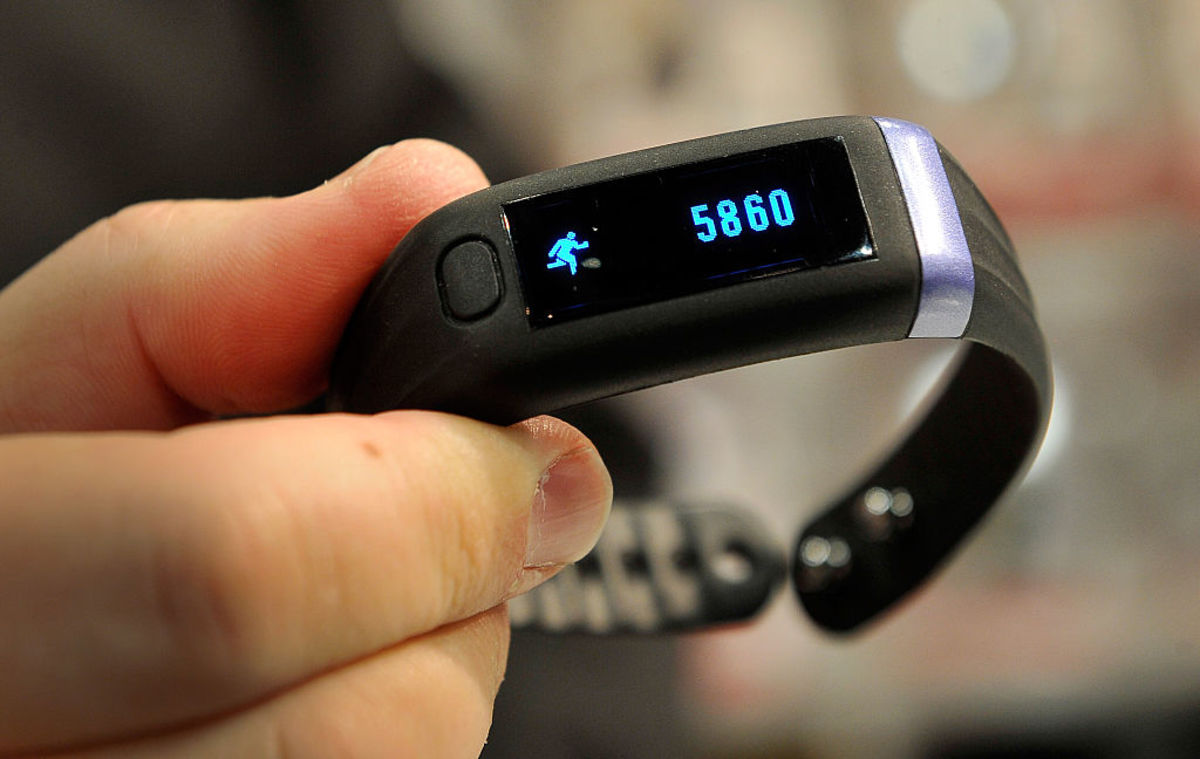
10,000 steps per day
8 glasses of water per day
2,000 calories per day
The health and fitness world is full of arbitrary metrics like these, despite the research often saying otherwise. The origin of some of these numbers can be surprising.
In 1965, a Japanese company launched the first wearable pedometer called the Manpo-Kei, which translates to “10,000 steps.”
…And that was it. We just stuck with that number forever.
There was no real basis for it. It was just a round number that was easy to remember and understand. The purpose of the pedometer was sound; to get people to be more active and strive toward a daily step goal. But the goal itself really didn’t have anything behind it.
Recent research has attempted to determine what the optimal number of steps per day would be. With the popularity of wearable technology like the Apple Watch, Garmin, and Fitbit, there is a ton of data out there to work with.
A systematic review by Ding et al. looked at 57 different studies to try to draw conclusions about the ideal number of steps per day for health.
The study determined that 7,000 steps, not 10,000, was the optimal number for positive health outcomes.
Obviously, this doesn’t mean that 10,000 steps is a bad target. It simply means that the health benefits tend to plateau at 7,000.
The most dramatic shift in health comes from taking 2,000 steps per day to 7,000. That increase, on average, leads to the following:
All-cause mortality: 47% lower risk
Cardiovascular disease: 25% lower risk
Dementia: 38% lower risk
Depression: 22% lower risk
Falls (in older adults): 28% lower risk
Cancer mortality: 37% lower risk
Type 2 diabetes: 14% lower risk
The benefits do not stop at 7,000 steps, but they are not as dramatic. It’s akin to getting 9 hours of sleep versus 8.
It’s important to note that this is correlative data. That means we can’t say with certainty that walking more causes these health improvements — it’s possible that healthier people simply tend to walk more. Someone who is already sick, in pain, or dealing with a chronic condition will naturally take fewer steps. However, the consistency of the findings across 57 studies and multiple health outcomes makes a compelling case that the relationship is real.

Dan Himbrechts/Bloomberg via Getty Images (Dan Himbrechts/Bloomberg via Getty Images)
The gamification of fitness technology is both good and bad. It’s great to strive for goals, hit streaks, and earn badges. It also gives structure and specificity to your day. Rather than saying “I’m trying to be healthier,” you now have a target in mind.
But if you feel like a failure any time you don’t hit it, then that leads down a bad path. If you’ve been conditioned to see 9,999 steps as a failure, you’re letting a number with no scientific foundation dictate how you feel about your health. The new research gives you opportunity to reframe the goal.
Should you ditch your 10,000-step goal? Not necessarily. It’s still a great target for those who can achieve it, and the research shows benefits continue beyond 7,000. But if 10,000 steps feels overwhelming or out of reach, know that you don’t need to hit that number to see real health benefits. The science doesn’t demand 10,000. It just demands that you start.
This story was originally published by Men’s Fitness on Mar 9, 2026, where it first appeared in the News section. Add Men’s Fitness as a Preferred Source by clicking here.