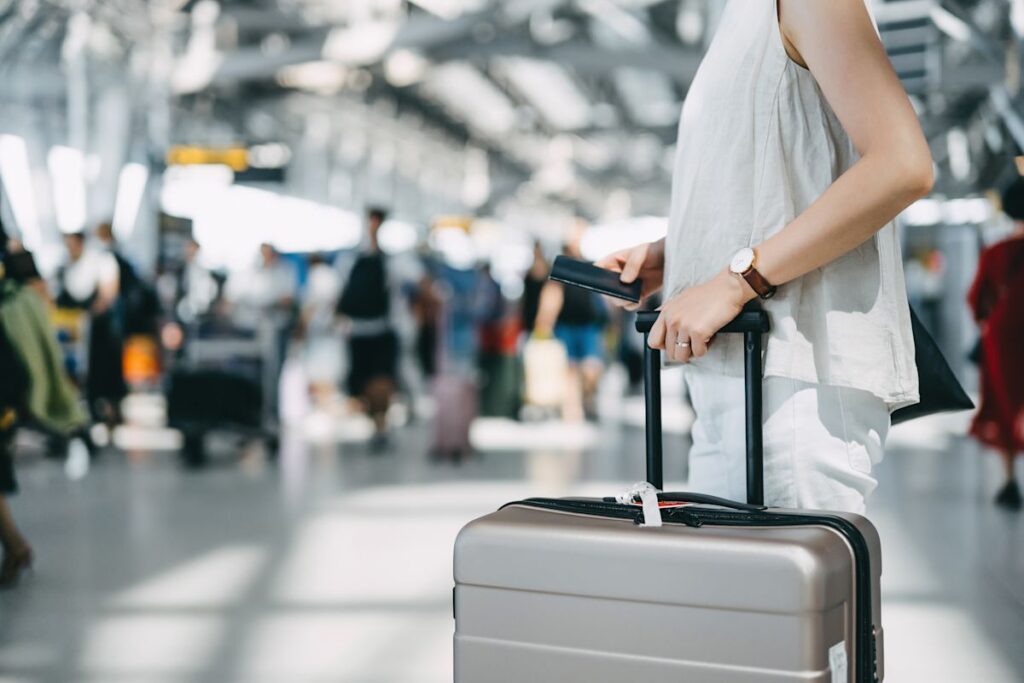


Maybe you’ve been there before: You watch the carousel slow to a stop, and your suitcase never appears. Nothing throws a wrench in your travel plans quite like delayed or lost luggage. And while neither is entirely within your control, there are steps you can take to reduce the risk and make recovery easier.
That’s especially important during peak travel seasons, when there’s added strain on the baggage system. As flights fill up and ground crews face tighter turnaround times, even minor delays can create a ripple effect throughout the airport, leaving bags behind or misrouted.
Below, travel industry experts share some simple precautions that can help keep your luggage from getting lost — and how to track it down if it doesn’t arrive.
Advertisement
Advertisement
Don’t book a super short layover
A tight connection doesn’t just increase your risk of missing your second flight. It also makes it more likely that your bags won’t make it onto the next plane. “The closer the scheduled flight departure time of one airplane is to the arrival of another, the higher the probability of experiencing a loss or delay of your checked baggage,” says Germán Zannier, transportation expert and head of operations at Mozio.
Anton Radchenko, attorney and CEO of AirAdvisor, says most of the claims his flight compensation company handles involve connections of 75 minutes or less at congested hubs. “A bag typically doesn’t make it even when an inbound is only slightly delayed,” he adds.
According to Joe Cronin, president of International Citizens Insurance, it’s particularly wise to avoid close connections during busy periods, such as major holidays. “This is when ground crews are stretched thin and turnaround times shrink,” he explains. “A connection that’s comfortable in February becomes a gamble in July.”
Give yourself extra time at the airport
Make sure your bag gets on the plane by arriving on time.
(Twenty47studio via Getty Images)Many airlines require checked bags to be dropped off at least 45 minutes before a domestic flight and 60 minutes before an international flight, says Matt Owens, senior vice president of commercial strategy at Unclaimed Baggage. “The closer you cut it, the greater the chance your bag gets left behind,” he adds.
Advertisement
Advertisement
It’s especially important to give yourself some buffer time during summer and holiday travel, when even small delays can contribute to baggage bottlenecks. “During peak travel seasons, the air traffic volume doesn’t simply overload an individual gate; it overloads the overall airport infrastructure,” explains Zannier.
Get rid of old baggage tags before every trip
Before checking your bag, remove any baggage tags or stickers from previous journeys. This seemingly small habit can prevent major mishaps by ensuring handlers and automated sorting systems work with accurate information.
“These tags can create confusion for baggage handlers,” says Owens. “Old tags being scanned also means your bag won’t be tracked.”
Use a luggage tracker
A luggage tracker can help you — and airline employees — find your lost bag faster.
(d3sign via Getty Images)A Bluetooth luggage tracker may not prevent your bag from getting misplaced, but it can make recovery much easier by giving you a better idea of its location.
Advertisement
Advertisement
“Apple’s updated AirTags offer shared tracking and precision finding, both extremely helpful when bags go missing,” explains Owens. An AirTag can show your bag’s most recently reported location when a nearby device in Apple’s Find My network detects it.
Cronin says he’s seen these trackers pay off firsthand: A client can often recover their bag much faster by telling staff “It’s in Terminal B,” rather than waiting for the airline to locate it.
Act immediately if your bag doesn’t arrive
Before you even leave the baggage claim area, file a report with the airline’s baggage representative, says Radchenko. If you can’t find a representative, Owens suggests contacting the airline directly.
“Airlines typically require this to be filed before leaving the airport or within a short window after, so don’t wait,” Radchenko explains. “Some airlines will try to log it informally over the phone. Insist on the written document and get the reference number.”
Advertisement
Advertisement
After you file the report, ask about next steps for tracking your suitcase at the airline’s baggage services office, says Zannier. “Reporting early also accelerates the startup of the tracing process,” he adds.
Photograph your bag before checking it
It takes just a few seconds to snap a photo of your suitcase, but according to Cronin, that simple step can be invaluable if your bag is delayed, lost or damaged.
Before you even leave the house, Radchenko and Cronin advise photographing both the outside of your bag and its contents. This is especially important if you packed anything valuable, unique or irreplaceable.
“There is no such thing as overpreparing for a trip,” says Owens. “Whether that be a tracker, bright tag or updated contact information inside or outside your luggage, taking a few extra precautions can make a world of difference in reducing the chances of losing your luggage.”
Source link