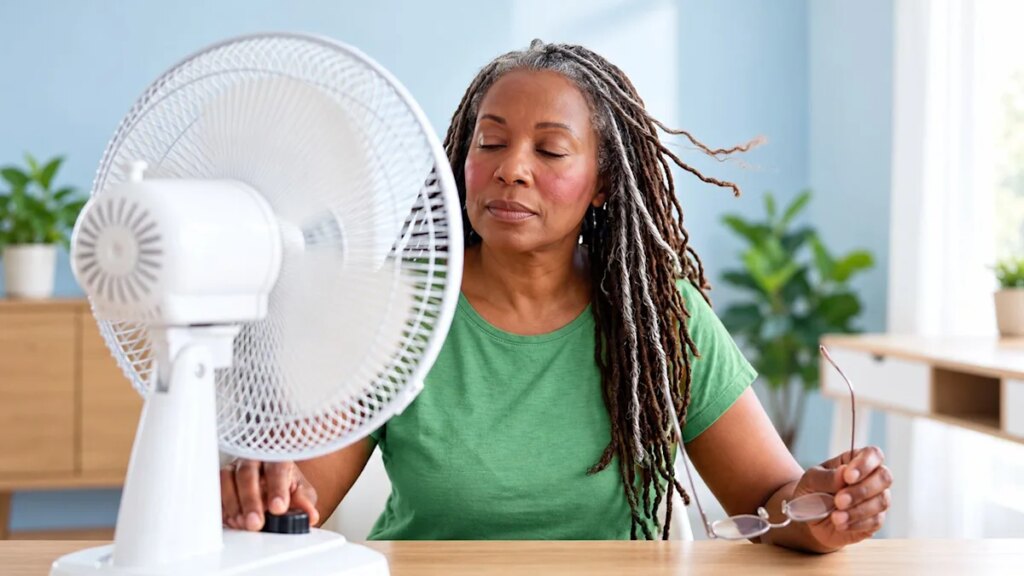


Vasomotor symptoms (VMS) – the umbrella term for hot flashes and night sweats – affect up to 80 percent of women going through menopause. Vasomotor symptoms can be a nuisance, and for some women, they can be debilitating, affecting sleep, work, intimacy, and, not surprisingly, mood and mental well-being.
Vasomotor symptoms are worth mentioning to your healthcare provider to determine if treatments such as hormone therapy or antidepressant medication might help. You can also keep some strategies in your back pocket, so you know how to respond when vasomotor symptoms strike at the office, in the bedroom, or in other situations.
How Do VMS Impact Mood?
Vasomotor symptoms affect mood indirectly, by hampering sleep quality. Night sweats and hot flashes cause microarousals that disrupt sleep cycles, and disrupted sleep can make you feel more anxious, depressed, irritable, or stressed. This can create a vicious loop, because stress may make vasomotor symptoms worse, which can also make it harder to sleep – continuing the cycle.
How to Manage Mood With VMS
Track your triggers and mood shifts. Keeping a brief daily log of when hot flashes occur, their intensity, and your mood can help you notice patterns you can share with your doctor later, such as irritability after a night of frequent sweats or hot flashes after drinking a glass of wine. “It’s a very good idea to track what could be triggering hot flashes to figure out the best way to treat them,” says Susan E. Loeb-Zeitlin, MD, an obstetrician-gynecologist and director of the Weill Cornell Medicine Women’s Midlife Center in New York City.
Consider cognitive behavioral therapy (CBT). Research suggests talk therapy focused on changing thinking and behaviors can help with short-term relief of vasomotor symptoms, insomnia, and depressive symptoms in perimenopausal and menopausal women. Your doctor can refer you to a mental health professional who specializes in working with people going through menopause.
Practice mindfulness. Additional research suggests mindfulness-based interventions, such as meditation and body scanning, may help lower anxiety, depressive symptoms, and stress and improve sleep quality during menopause.
How Do VMS Affect Job Performance?
Hot flashes can hit at inopportune moments, such as during an already stressful presentation or important meeting. Plus, when night sweats disrupt your sleep, you may experience daytime fatigue, making it even more difficult to maintain focus and concentration on the job.
Advertisement
Advertisement
According to Mayo Clinic Proceedings, 13 percent of women ages 45 to 60 had an adverse work outcome related to menopause symptoms, and roughly 11 percent missed work days because of these symptoms.
“Hot flashes can be disruptive to your workday, and we know there are hundreds of thousands of dollars lost due to menopausal symptoms in the workplace,” says Dr. Loeb-Zeitlin.
How to Manage VMS at Work
Focus on your breath. Next time you feel a hot flash coming on, try taking a few deep breaths. Paced breathing can activate the parasympathetic nervous system, which helps you relax. Try the 4-7-8 breathing pattern: Inhale through your nose for four counts, hold your breath for seven counts, exhale through your mouth for eight counts, and repeat.
Think layers. Whether it’s wearing a light cardigan or jacket over a tank or tee, dressing in layers can make it easy to cool down quickly when a hot flash hits.
Wear breathable fabrics. Natural fabrics, such as bamboo, cotton, and linen, let air circulate and absorb sweat, whereas synthetics, such as polyester, nylon, and acrylic, trap heat and moisture.
Mind your meals. Caffeine and spicy foods can make menopause symptoms worse, so consider skipping the hot sauce at lunch and switching to decaf or herbal tea on workdays.
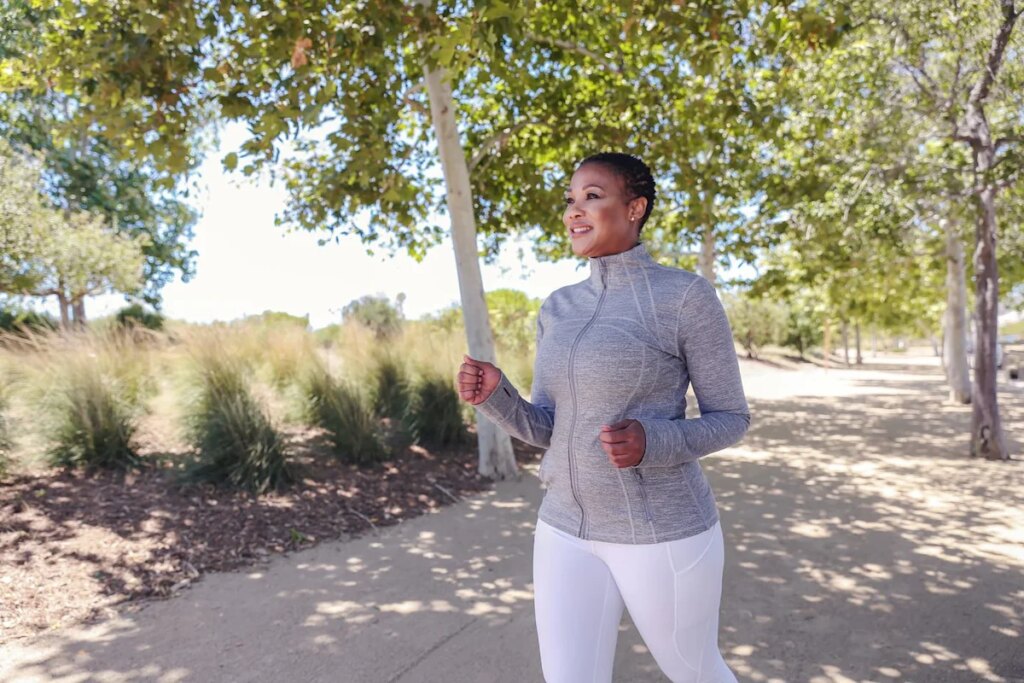
Take a midday stroll. Building a brisk walk into your workday may help keep symptoms at bay. Research suggests regular, moderate-intensity exercise reduces both the frequency and severity of hot flashes.
Be your own best advocate. There’s no shame in going through menopause, and speaking up for yourself can help stop the stigma and make it easier to handle symptoms. Try talking to your manager about moving your desk near a window, or request the flexibility to work from home when symptoms are severe. “We’re lucky that menopause is getting more attention … but, of course, advocate for yourself and take the time off that you need,” says Loeb-Zeitlin.
How Do VMS Impact Your Relationship?
Hot flashes and night sweats may cause you to feel disconnected from your partner. They might struggle to understand what you’re going through, or you may feel less interested in sex or other forms of intimacy if you’re feeling irritable, stressed, sweaty, or tired due to vasomotor symptoms.
Advertisement
Advertisement
You might even find yourself wanting space in bed, as your partner’s body heat can be enough to trigger a hot flash.
How to Connect With Your Partner Despite VMS
Rethink your sleeping environment. Try lowering the thermostat and positioning a fan to blow directly on your side of the bed. Using sheets and sleepwear made of natural fibers can increase airflow.
Talk openly with your partner. It may feel uncomfortable at first, but honest communication prevents misunderstandings. “Make sure your partner is aware of what you’re going through and really understands what menopause is and what the symptoms of menopause are,” says Loeb-Zeitlin. Try starting the conversation by saying, “My doctor says I’m dealing with symptoms of menopause. We discussed what’s going on and what we can do about it, and I want to fill you in.”
Explore nonhormonal intimacy aids. Water-based lubricants and vaginal moisturizers may help ease vaginal dryness or discomfort during sex, which are other menopause symptoms that can affect sexual intimacy. Water-based moisturizers need to be pH balanced. It may also be important to consider silicone-based lubricants. If nonhormonal aids are ineffective, vaginal estrogen may be necessary for moisture.
Find the Right Healthcare Provider to Help You Manage VMS
To get personalized recommendations and explore potential treatments, you can talk to a healthcare provider about the symptoms you’re having. You can start with your primary care provider or gynecologist. If you feel unheard or don’t have a healthcare provider, look for a clinician who specializes in menopause. “Finding a provider who is certified by The Menopause Society is the best advice I can give,” says Loeb-Zeitlin, “because then you’re getting real, evidence-based care.”
The Menopause Society has a healthcare practitioner directory that can help you find a healthcare provider in your area.
The Takeaway
Hot flashes affect up to 80 percent of women during menopause, taking a major toll on work productivity, sleep quality, intimacy, and overall mood.
Simple adjustments, such as paced breathing, breathable clothing layers, and sleep environment tweaks, can help you minimize and manage symptoms. If lifestyle changes aren’t enough to manage hot flashes and/or night sweats, ask your doctor about treatment options, such as hormone therapy or antidepressant medication.
Open communication at home and work is key, along with evidence-based care from a certified menopause healthcare provider or cognitive behavioral therapist.
EDITORIAL SOURCES
Everyday Health follows strict sourcing guidelines to ensure the accuracy of its content, outlined in our editorial policy. We use only trustworthy sources, including peer-reviewed studies, board-certified medical experts, patients with lived experience, and information from top institutions.
Advertisement
Advertisement
Resources
Sexton-Radek K. Sleep Factors Affecting Mental Health: Mechanics and Trigger Factors. Frontiers in Sleep. September 11, 2025.
Arnot M et al. The Relationship Between Social Support, Stressful Events, and Menopause Symptoms. PLoS One. January 27, 2021.
Arentson-Lantz EJ et al. Cognitive Behavioral Therapy for Menopausal Insomnia in Perimenopausal and Postmenopausal Women With Insomnia and Nocturnal Hot Flashes: A Randomized-Controlled Pilot Trial. Menopause. November 2026.
Wang H et al. The Effectiveness of Mindfulness-Based Interventions on Menopausal Symptoms: A Systematic Review and Meta-Analysis of Randomized Controlled Trials. Journal of Affective Disorders. July 15, 2025.
Akbal YS et al. Relationship Between Coffee Consumption and Vasomotor Symptom Severity in Turkish Postmenopausal Women. African Health Sciences. July 2, 2026.
Witkowski S et al. Physical Activity and Exercise for Hot Flashes: Trigger or Treatment? Menopause. February 2023.
Additional Sources
Meet Our Experts
See Our Editorial Policy Meet Our Health Expert Network
Robyn Faye
Robyn Faye, MD, FACOG, MSCP, IF, CSC
Medical Reviewer
Robyn Faye, MD, is a board-certified ob-gyn with more than 35 years of clinical experience. She is also a gynecologic dermatologist, a specialty requiring focused expertise in vulv…
Advertisement
Advertisement
See full bio
Susan Jara
Author
Susan Jara is a health communications strategist and writer with more than 15 years of experience transforming complex medical information into clear, accurate, and engaging conten…
See full bio
See Our Editorial Policy Meet Our Health Expert Network
Source link