
(Dreamstime)
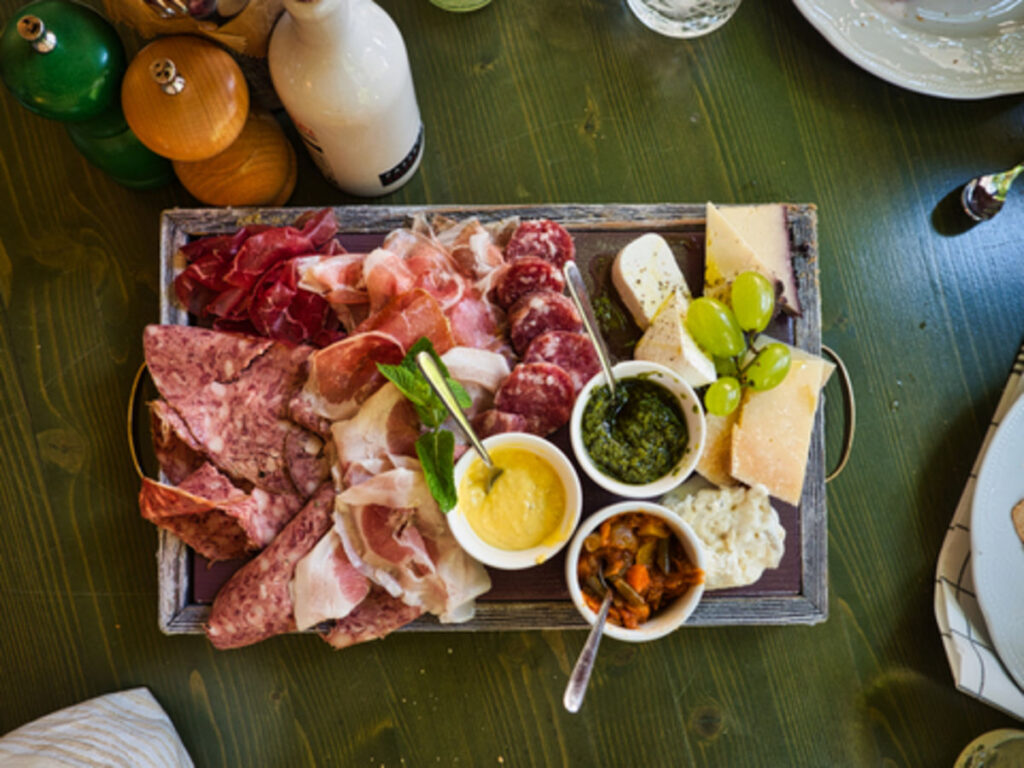
Beautifully arranged charcuterie boards have become popular entertaining staples in recent years, but leaving them out for too long could turn a festive occasion into a bout of food poisoning. While guests mingle and graze on meats, cheeses and other treats, harmful bacteria can multiply without any visible signs of spoilage.
Mindy Brashears, Under Secretary of Agriculture for Food Safety at the U.S. Department of Agriculture (USDA), tells Good Housekeeping that perishable foods should not sit at room temperature for more than two hours. If temperatures exceed 90 degrees Fahrenheit, that time drops to one hour. To slow bacterial growth, refrigerated foods should be kept at 40 degrees Fahrenheit or below.
Refrigerate perishable leftovers promptly or discard them if they have exceeded the recommended time limits. Shelf-stable foods, such as crackers and nuts, can remain on the table longer, but Brashears recommends keeping them separate from perishable items and using separate serving utensils to prevent cross-contamination.
Advertisement
Advertisement
Here’s how to keep your charcuterie board safe throughout your holiday celebration.
Keep It Clean
According to the Mayo Clinic Health System, assembling a charcuterie board involves considerable food handling, so follow these basic safety precautions:
-
Wash your hands with soap and water for at least 20 seconds before, during and after preparing food.
-
Wash utensils, cutting boards and countertops with hot, soapy water after preparing each food.
-
Rinse fresh fruits and vegetables under running water before cutting.
-
Use a clean serving board, preferably one separate from those used to prepare raw meat or poultry.
Foods Subject to the Two-Hour Rule (One Hour Above 90 Degrees Fahrenheit)
-
Deli meats, such as ham, turkey and mortadella, as well as prosciutto that requires refrigeration.
-
Soft cheeses, such as mozzarella, Brie, burrata and chèvre.
-
Cut fruits and vegetables that require refrigeration, particularly melons, tomatoes and leafy greens.
-
Sliced sausages, such as pepperoni, Genoa salami and soppressata, if the packaging indicates refrigeration is required.
Foods That Can Stay Out Longer
-
Whole grapes and other intact fruits, although they may lose freshness after several hours.
-
Commercially prepared fruit preserves. Follow label instructions for refrigeration after opening.
-
Hard cheeses, such as Parmesan, aged Cheddar and aged Gouda, which generally pose less risk than soft cheeses. Follow storage instructions.
-
Dried fruits, such as figs, apricots and dried cranberries.
-
Crackers, bread and nuts, although they may become stale if left uncovered.
-
Dry-cured meats specifically labeled as shelf-stable.
Advertisement
Advertisement
Keep these foods separate from perishable items to minimize cross-contamination.
Tips to Keep Your Board Safe
-
Assemble a smaller board, keep additional perishable foods refrigerated and replenish the board with fresh portions as needed.
-
Consider serving a board featuring only shelf-stable foods if guests will be grazing for several hours.
-
Keep perishable foods cold by placing a metal serving tray over a bed of ice. Use a food thermometer to ensure foods remain at 40 degrees Fahrenheit or below.
-
Remember the golden rule of food safety: When in doubt, throw it out.
“Food-borne pathogens do not reveal themselves,” says Brashears. “Just because it looks good, definitely doesn’t mean it’s safe to eat.”
© 2026 NewsmaxHealth. All rights reserved.