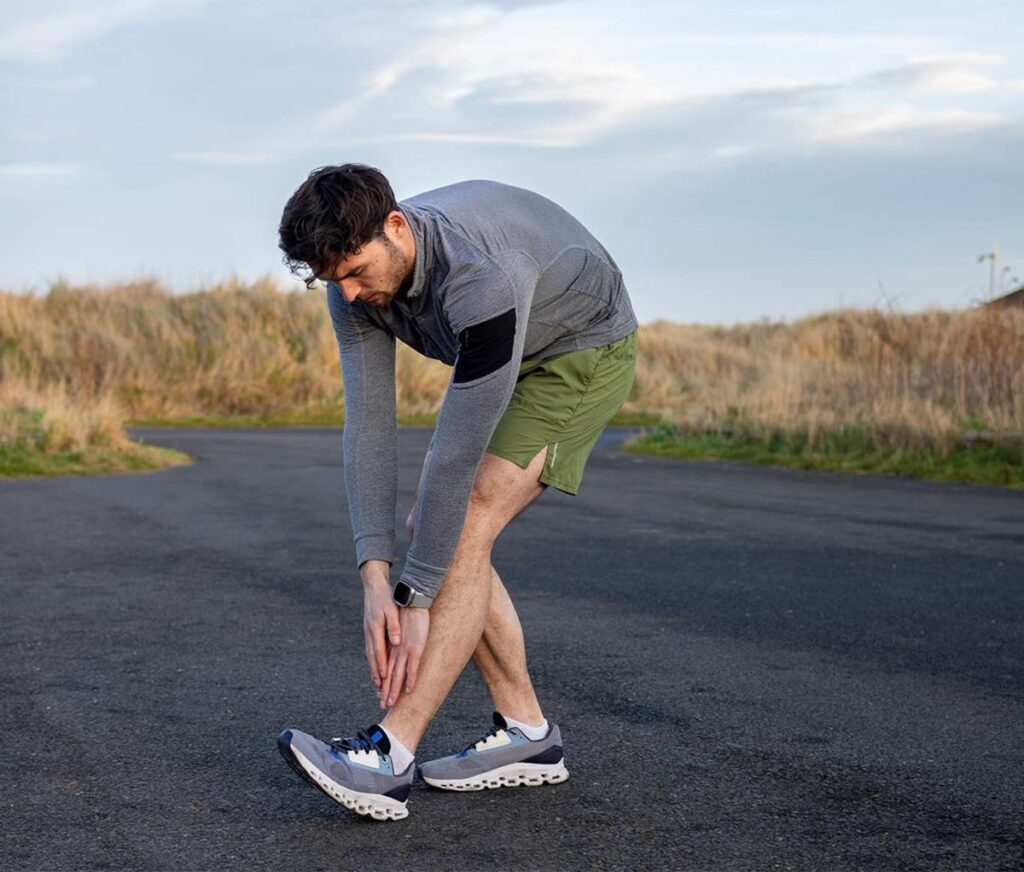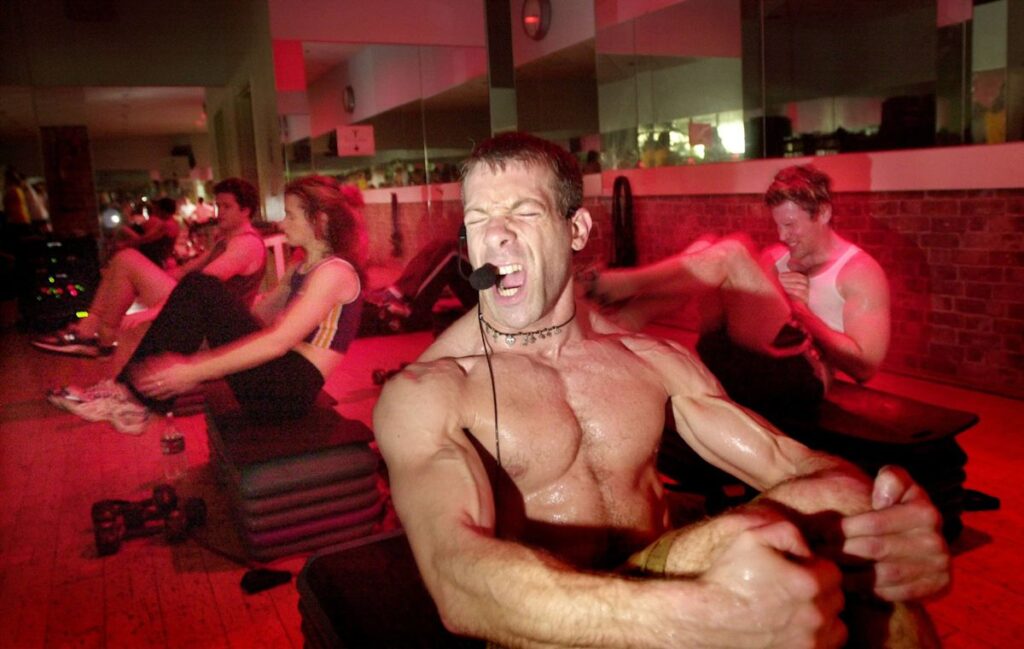
Scientists have discovered that excessive exercise can alter brain chemistry long after a workout ends. In a new University of São Paulo study, mice subjected to prolonged, exhausting training showed elevated dopamine levels in the hippocampus, a brain region involved in memory and emotional regulation.
The surprising part? Those changes persisted for 48 hours after exercise. The findings, reported November 18, suggest that inadequate recovery could affect more than tired muscles. Before you cancel leg day, however, researchers studied mice, not humans.
Related: This Old-School Boxing Workout Could Be the Upgrade Your Home Gym Needs
Next: I’m a Trainer: What You Do in the First 24 Hours After a Hard Workout Could Change Your Recovery
What Happens to Your Brain When Training Goes Too Far
Researchers put mice through eight weeks of increasingly demanding treadmill workouts. By the final week, the animals were exercising twice daily, with only four hours between sessions.
Advertisement
Advertisement
Scientists then examined dopamine and related proteins in the hippocampus. Unlike mice completing one exhausting workout, the repeatedly trained animals showed prolonged elevations in dopamine and tyrosine hydroxylase, an enzyme involved in dopamine production.
“Our findings show that excessive physical exercise affects not only skeletal muscle but also has a pronounced impact on the brain,” said Alisson Luiz da Rocha, PhD, the study’s first author, who conducted the research during his doctoral studies at the University of São Paulo.
Next: What Happens to Cortisol After a Tough Workout Is the Part Most People Miss
Why the 48-Hour Finding Matters
Dopamine helps regulate motivation, alertness, and other neurological functions. Elevated dopamine isn’t automatically harmful, but researchers want to understand whether prolonged changes interfere with normal recovery.
Advertisement
Advertisement
The scientists also measured serotonin, another neurotransmitter associated with fatigue. Surprisingly, they found no significant differences between groups.
Importantly, the study didn’t measure insomnia, anxiety, or sleep quality. Researchers cannot yet say whether similar dopamine changes occur in humans.
Next: You Can Train Hard and Still Lose Strength if You Make This Sleep Mistake
The Recovery Lesson for Anyone Who Exercises
Overtraining happens when repeated training demands exceed the body’s capacity to recover. Persistent fatigue, declining performance, and ongoing soreness can signal trouble.
For recreational lifters, the practical lesson is straightforward: alternate demanding workouts with appropriate recovery, monitor performance, and prioritize sleep.
Advertisement
Advertisement
The study doesn’t establish a mandatory 48-hour rest period for humans. It does offer another reason to stop treating every workout like an audition for the Olympics.
Next: The Recovery Mistake That Could Be Making Your Workouts Feel Harder After 40
Related: Are Your Plant-Based Meat Alternatives Hiding Fungal Toxins?

This story was originally published by Men’s Journal on Nov 20, 2026, where it first appeared in the Fitness section. Add Men’s Journal as a Preferred Source by clicking here.