

Spending Thanksgiving or the December holidays inside a U.S. national park is one of the best ways to trade crowded shopping malls for snow-dusted peaks and quiet trails—provided you do not accidentally drive straight into a locked winter gate.
Across the National Park Service system, November marks the annual pivot from peak-season scenic drives to winter operations, meaning several marquee roads, overlooks, and entire park entrances are already closed to regular passenger vehicles—or will shut down before December arrives.
At Yellowstone National Park, most interior park roads and entrances closed to regular automobile traffic on November 1 for the winter season. Through mid-December, only the northern corridor connecting the North Entrance in Gardiner, Montana, through Mammoth Hot Springs to the Northeast Entrance at Cooke City remains open to personal vehicles (with oversnow snowmobile and snowcoach travel scheduled to begin on select interior routes starting December 15).
Advertisement
Advertisement
Related: The $80 Lifetime Pass Every American 62+ Should Know About—And How to Trade In an Old One for Free
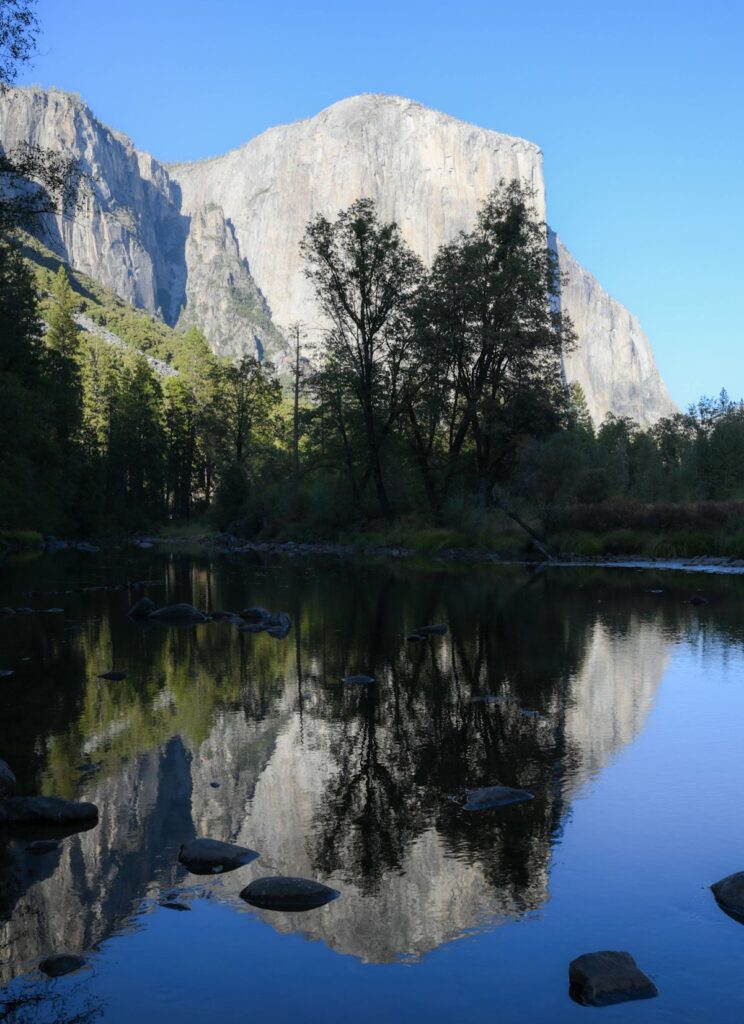
Over in California, Yosemite National Park remains open year-round—including Yosemite Valley—but high-elevation arteries and storm-prone routes are already shutting down for Sierra weather. Both Tioga Road (the east-west pass across the park) and Glacier Point Road are now closed for the winter season due to snow, while Big Oak Flat Road (Highway 120) and Mariposa Grove Road are temporarily closed due to snow. Drivers cannot rely on Tioga Pass to cross between the eastern and western Sierra during holiday road trips and must carry tire chains on open valley access roads.
A similar winter boundary is now in place at Rocky Mountain National Park in Colorado, where Trail Ridge Road (U.S. Highway 34)—the highest continuous paved highway in the country—officially closed to through vehicle travel for the winter season on November 13, alongside the seasonal vehicle closure on Old Fall River Road.
Related: Big Bend’s Chisos Basin Is Officially Closing for Years
Advertisement
Advertisement
Further south, travelers heading to Grand Canyon National Park need to pay close attention to which rim—and which overlook—they put into their GPS. On the North Rim, the State Route 67 entrance gate closes for the season at sunset on November 30 (or earlier if a major snowstorm arrives first), while the North Kaibab Trail remains closed following August flash-flood damage. Meanwhile, on the year-round South Rim, Lipan Point and Lipan Point Road along Desert View Drive are closed to all visitors through December 23 for rehabilitation work.
Even in milder climates, seasonal schedules and construction projects can catch holiday drivers off guard. At Great Smoky Mountains National Park, several popular secondary scenic drives—including Heintooga Ridge Road, Parson Branch Road, and Rich Mountain Road—have already closed for the season, with Kuwohi Road (formerly Clingmans Dome Road), Little Greenbrier Road, and the Roaring Fork Motor Nature Trail scheduled to close after November 29.
Likewise, at Glacier National Park in Montana, the alpine section of Going-to-the-Sun Road is closed for the season while Two Medicine Road faces ongoing construction restrictions. Before packing the car, always check each park’s official NPS.gov alerts page on the morning of your drive—because in late fall and winter, a single overnight storm can change road access in a matter of hours
Related: The 5 Most-Visited National Parks, and the Quieter Park Next Door
This story was originally published by Parade on Nov 19, 2026, where it first appeared in the News section. Add Parade as a Preferred Source by clicking here.
Source link