For most of the past half century, a successful outcome meant a smaller number on the scale.That has changed. GLP-1 and dual-agonist medications now generate weight loss on a scale once reserved for bariatric surgery. The central question is no longer whether patients can lose weight but what the lost weight is made of. The discussion coming out of ObesityWeek this weekend reflects that shift directly.
The scale hides more than it shows
A study of 844,000 adults across China, Spain, the United Kingdom, and the United States, published in Nature, tested a definition of obesity that goes beyond body size alone. It distinguished clinical obesity, in which excess fat measurably impairs organ function or daily activity, from preclinical obesity, in which fat is elevated, but organs still work normally. Over a decade of follow-up, clinical obesity carried a substantially higher risk of death, while preclinical obesity raised it only modestly, and most people classified as preclinical never progressed.
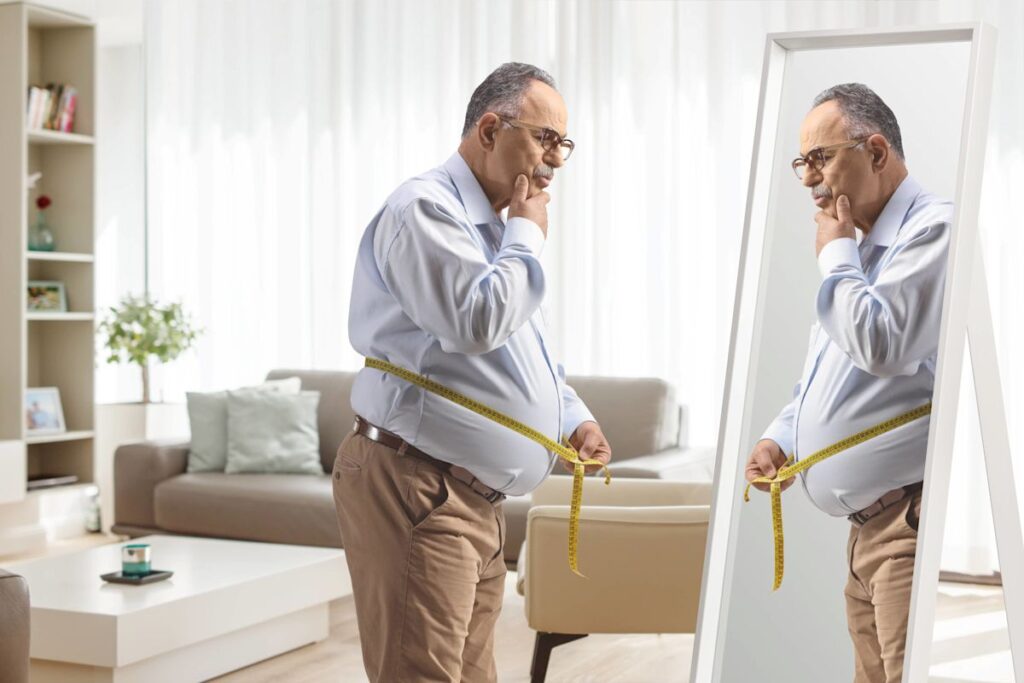
The practical failure of BMI was visible in both directions. Adding simple measures of fat distribution, such as waist circumference and waist-to-height ratio, reclassified a meaningful fraction of people in every population, identifying obesity in some who looked healthy by BMI and clearing others who did not. The lesson is that body weight describes how much mass a person carries without saying where it sits or what it is doing. Two people at an identical weight can occupy entirely different risk categories depending on whether their fat is subcutaneous or wrapped around the liver and heart, and whether their organs are affected. The scale cannot see any of that.
Rapid weight loss comes with a muscle cost
If body composition is what matters, then how weight is lost becomes as important as how much. All weight loss, whether from dieting, surgery, or medication, removes a mix of fat and lean tissue rather than fat alone. That has always been true, but the modern drugs have made it consequential, because the amount of tissue in motion is now large enough that the lean fraction is substantial in absolute terms.
Advertisement
Advertisement
The pivotal STEP 1 trial of semaglutide is illustrative. Participants lost roughly 15 percent of their body weight, a result that would have been implausible with earlier drugs. In the trial body-composition substudy, fat mass fell by about 19 percent and lean mass by about 10 percent. The ratio of lean mass to fat improved, which is the outcome a clinician wants, but the absolute loss of lean tissue was real and not trivial. Because lean mass makes up a large share of starting body weight, even a smaller percentage decline translates into a meaningful quantity of muscle. In untrained, older, or already sarcopenic patients, who make up a large portion of those being treated, losing that tissue on top of an age-related deficit is a genuine clinical concern rather than a theoretical one.
What “quality” means
Weight-loss quality resolves into three distinct questions, none of which the scale answers. The first is where the fat was lost. Visceral and organ fat, the depots that drive metabolic and cardiovascular risk, are the ones worth losing preferentially, and they are not visible in a body-weight reading. The second is whether organ function improves, which is the endpoint the new definition of clinical obesity places at the center. The third, and the one most relevant to anyone who trains, is how much muscle and physical function survive the process.
That third question carries weight because strength and physical function are among the better predictors of long-term health, independent of body size. Muscle is not merely aesthetic ballast to be protected out of vanity; it is the tissue that determines whether a person can climb stairs, carry groceries, recover from illness, and remain independent with age. Trading a large amount of it for a lower number on the scale is a poor exchange, and the emerging consensus treats it as one. The objective is not weight loss. It is fat loss with function preserved.
Protecting muscle during weight loss
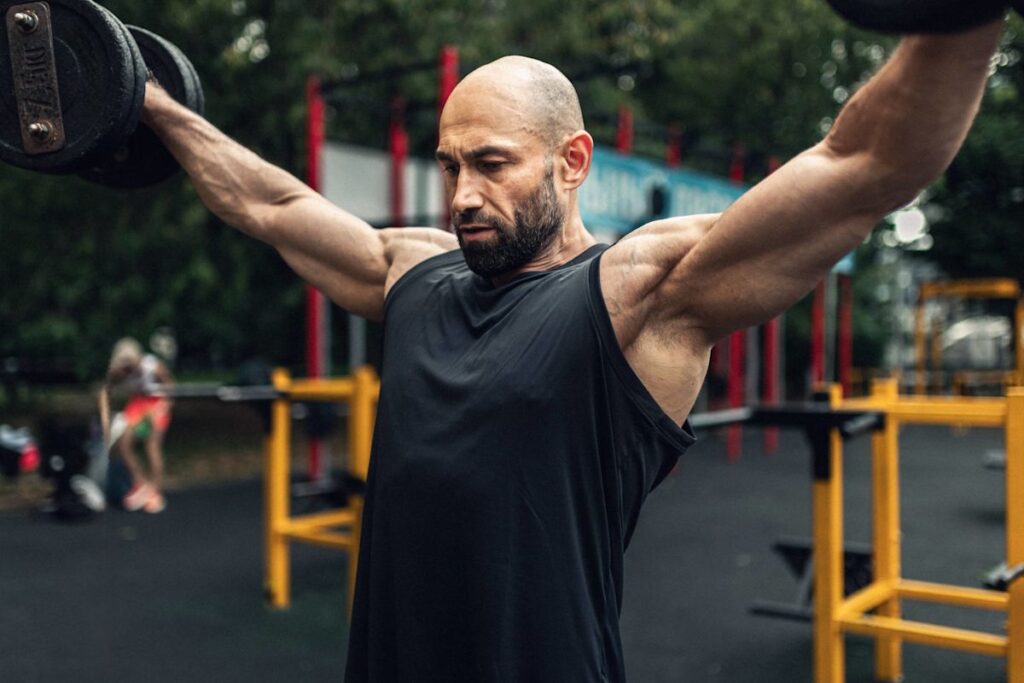
The countermeasures is unglamorous. The first is resistance training, which provides the mechanical signal that prompts the body to retain muscle mass while in an energy deficit. In older adults who dieted, a trial comparing exercise types found that resistance training preserved lean mass and bone better than aerobic exercise alone, and that combining the two produced the best overall function. The principle holds across populations: without a loading stimulus, a share of the muscle that could have been kept is lost by default.
Advertisement
Advertisement
The second is adequate protein. Under caloric restriction, protein requirements rise rather than fall, because the body is more likely to draw on muscle for fuel. A controlled trial pairing a higher protein intake with resistance training during a steep deficit achieved something unusual, with participants losing fat while gaining lean mass, a result that is difficult to produce without both elements in place. The combination of training and protein is not an optional refinement for people losing weight quickly. It is the part of the protocol that determines what the weight loss is made of.
This matters as much for medication as for dieting. A maintenance trial testing exercise, a GLP-1 drug, or both after initial weight loss found that exercise protected body composition and function over time, and that the combination outperformed the drug on its own. The medication lowers weight; the training determines its quality. Treating a GLP-1 prescription as a replacement for resistance exercise, rather than a complement to it, forfeits much of the benefit.
A randomized trial published in Nature Medicine tested resistance exercise during 40 weeks of tirzepatide treatment. Participants who trained three times a week lost less lean soft tissue and gained strength compared with those who took tirzepatide without the exercise program, while weight loss was similar between groups.
Where obesity medicine is heading
The shift in emphasis is already reshaping drug development. One example is pairing a GLP-1 drug with an agent designed to preserve muscle. In the phase 2 COURAGE trial, semaglutide combined with trevogrumab reduced lean-mass loss compared with semaglutide alone over 26 weeks. The combination with garetosmab also improved body composition, but had more serious adverse events and treatment discontinuations. Further study is needed to determine whether preserving lean mass also preserves physical function.
Advertisement
Advertisement
The same logic is moving into how trials themselves are judged. Researchers are formally arguing that muscle loss should be treated as a therapeutic target, with body composition and physical function built into trial endpoints and regulatory review rather than reported as an afterthought. That is the quieter but more durable change. When the measures that define a successful drug include what happens to muscle and function, the incentives for every company in the field follow, and the definition of a good outcome shifts from the weight lost to the body left behind.
What it means in practice
For anyone losing weight, whether through diet, medication, or both, the implication is concrete. The goal is not the fastest drop on the scale but the preservation of muscle and function while fat comes off. In practice that means resistance training throughout the weight-loss period, not after it; protein intake kept high enough to defend lean mass under a deficit; and a rate of loss aggressive enough to be useful but not so fast that muscle is sacrificed needlessly. For those on GLP-1 drugs, it means treating the prescription as one component of a plan that still includes lifting and eating adequately, rather than as a substitute for either.
The broader point is a reframing of what weight loss is for. The purpose was never a smaller number; it was a healthier, more capable body with a lower burden of disease. The scale was always a crude proxy for that, convenient because it was easy to measure. The tools now exist to pursue the real goal directly, and the message from this week is that the field intends to.
This story was originally published by Men’s Fitness on Nov 16, 2026, where it first appeared in the News section. Add Men’s Fitness as a Preferred Source by clicking here.