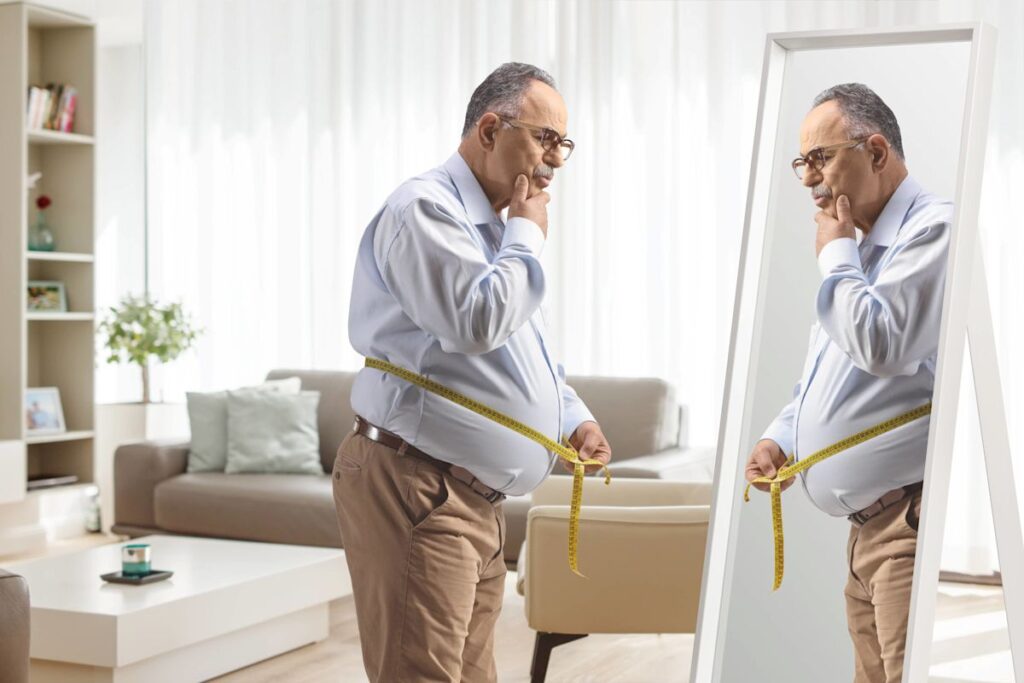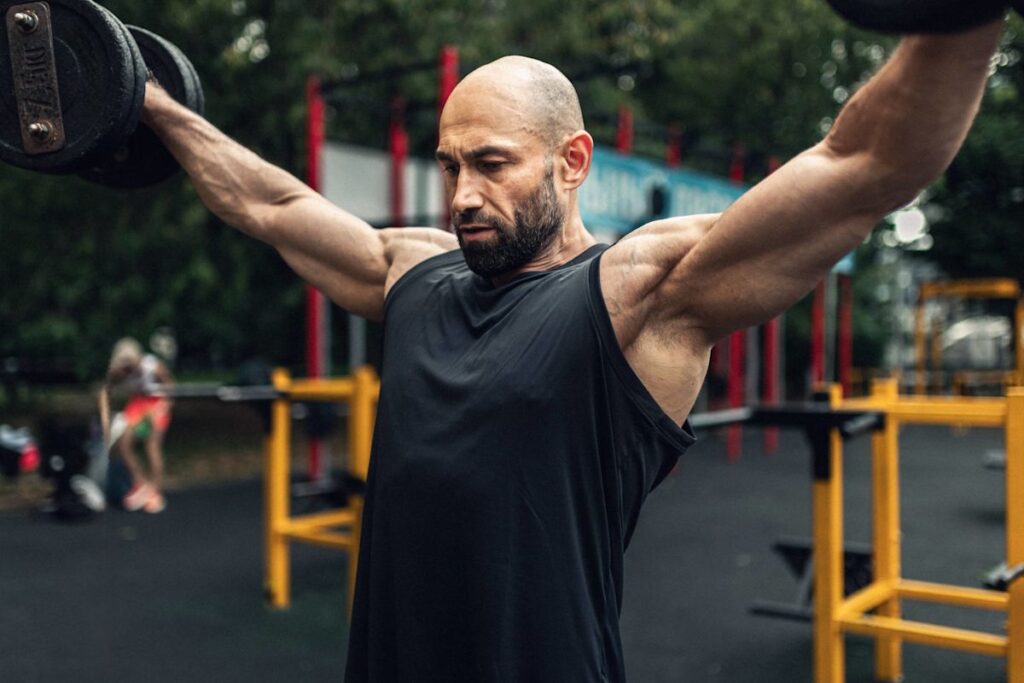
With Thanksgiving approaching, your biggest concern about skipping workouts may be losing the muscle you’ve spent months building. But there’s good news: Your cardiovascular fitness may deteriorate before you notice significant muscle loss.
In a November 17 report from The New York Times, sports medicine experts explained that aerobic fitness can decline within two weeks of inactivity, while measurable muscle loss may begin after roughly a month. Individual results vary, particularly with age and activity level.
“Exercise endurance doesn’t disappear overnight,” Dae Hyoun Jeong, M.D., a sports medicine physician at the University of California, San Francisco, told the Times.
Related: Daily Fiber Supplement Reduced Knee Arthritis Pain in Just 6 Weeks, Study Finds
Related: Your Body Starts Losing Strength Earlier Than You Think, Even if You Exercise
What Happens When You Stop Working Out
Exercise scientists call the loss of training adaptations detraining.
Advertisement
Advertisement
A study involving 15 male endurance athletes found that two weeks without training reduced cardiovascular fitness and certain measures of muscular strength.
However, researchers found no significant decline in muscular endurance or increase in body fat.
Older adults may have more difficulty maintaining muscle. A study involving 70 younger and older adults found that older participants needed more resistance training to preserve muscle-building adaptations.
Related: 12 Weeks of Weightlifting After 60 Improves Something Unexpected, Researchers Say
Related: Lifting Weights After 50? Scientists Say There’s Another Way to Stay Strong
How Much Exercise You Actually Need
Maintaining muscle may require considerably less training than building it.
Advertisement
Advertisement
A 2021 scientific review published in the Journal of Strength and Conditioning Research found that younger adults could potentially maintain strength and muscle size for up to 32 weeks with just one weekly resistance-training session.
Older adults may need more frequent workouts and additional sets.
“Exercise intensity seems to be the key variable for maintaining physical performance over time,” the researchers wrote.
If you’re healthy, consider performing two abbreviated full-body strength workouts each week using your customary resistance.
Related: Adults Over 55 Built Muscle Without Meat, but the Study Revealed a Key Difference
Related: This Full-Body Exercise May Be the Closest Thing to a Longevity Hack
The Biggest Mistake When Returning to the Gym
Resist the temptation to compensate for missed workouts with a marathon lifting session.
Advertisement
Advertisement
After two weeks away, experts interviewed by the Times recommend starting with approximately 50 to 70 percent of your previous training volume before gradually increasing it. Consult your physician if you’re returning from serious illness, surgery, or injury.
“You can’t really cram fitness,” New York Road Runners coach Gemma Ward, explained to the Times.
Enjoy your Thanksgiving turkey. Your bench press will still be there when you get home.
Related: The Recovery Mistake That Could Be Making Your Workouts Feel Harder After 40
Related: Walking and Weightlifting May Miss a Bone-Health Benefit, Scientists Find

This story was originally published by Men’s Journal on Nov 17, 2026, where it first appeared in the Fitness section. Add Men’s Journal as a Preferred Source by clicking here.