 4 min read
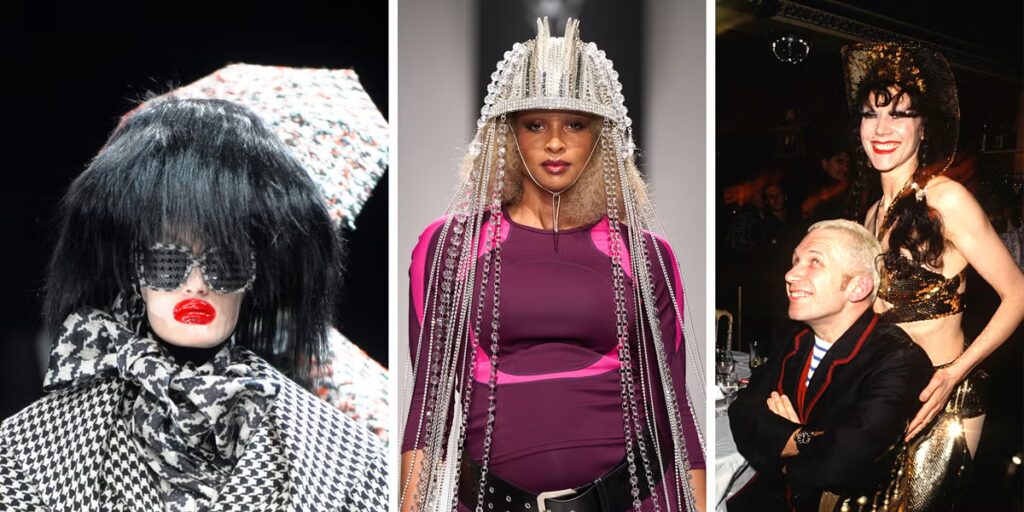
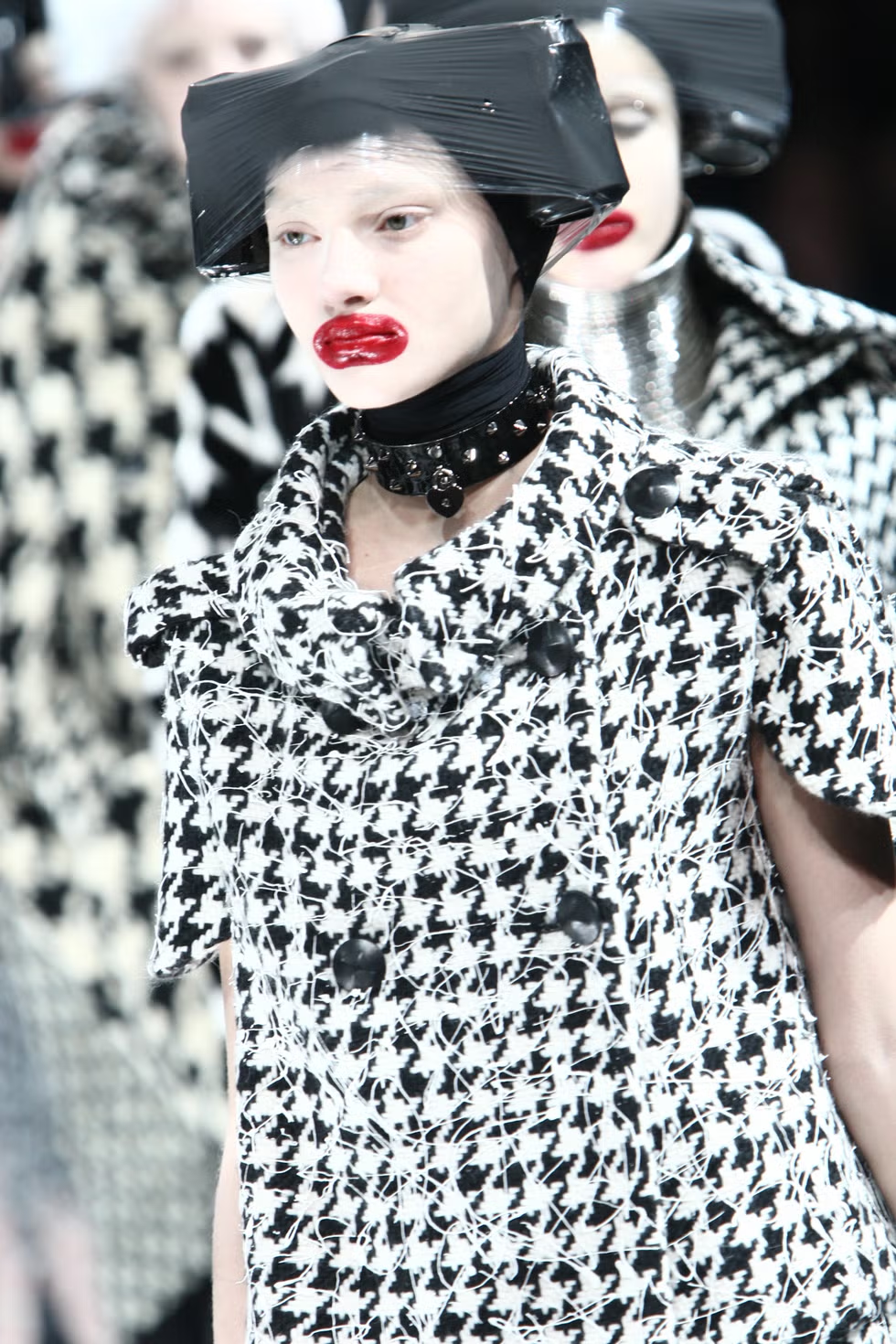
For his fall/winter 2009 runway show, “The Horn of Plenty,” Alexander McQueen offered a satirical critique of fashion’s throwaway culture. Models navigated a runway strewn with glass and discarded props in houndstooth looks and silhouettes that mocked fashion’s excess. Their alabaster-white painted faces and exaggerated lips evoked Leigh Bowery, the Australian performance artist known for his audacious club looks. “It’s a sackable offense, this collection,” McQueen said post-show. “I want people to look at it and say, ‘What the hell is that?’”
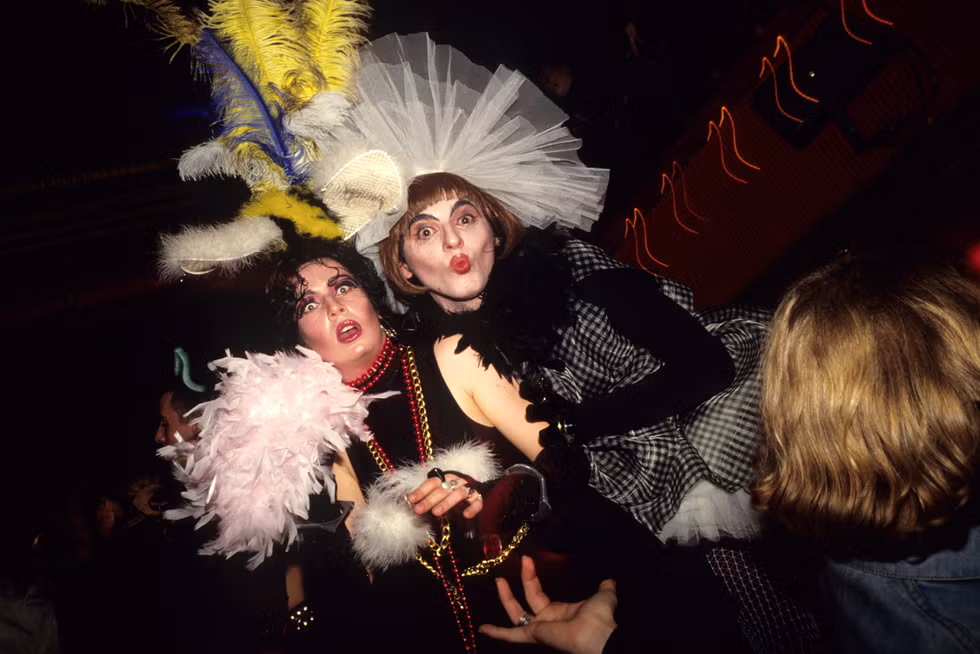
Much like McQueen upended fashion with his confrontational approach to design, Club Kids—a name given to the scene’s most flamboyant clubgoers, Bowery included—did the same in cities like New York and London. The scene was rife with larger-than-life, sometimes debaucherous personalities expressing themselves through equally outsized clothes; no look was too outlandish, no party too wild. It was that DIY spirit, championed by the likes of Susanne Bartsch, a nightlife impresario, RuPaul, and the infamous Michael Alig, that caught on beyond the clubs, creating an inextricable connection between nightlife and fashion. “You didn’t have to wait for a designer or a magazine to tell you what was fashionable,” Bartsch tells ELLE. “You could create a look, walk into the room, and see what happened. The crowd became the show, and the dance floor became a runway with no fixed rules.”
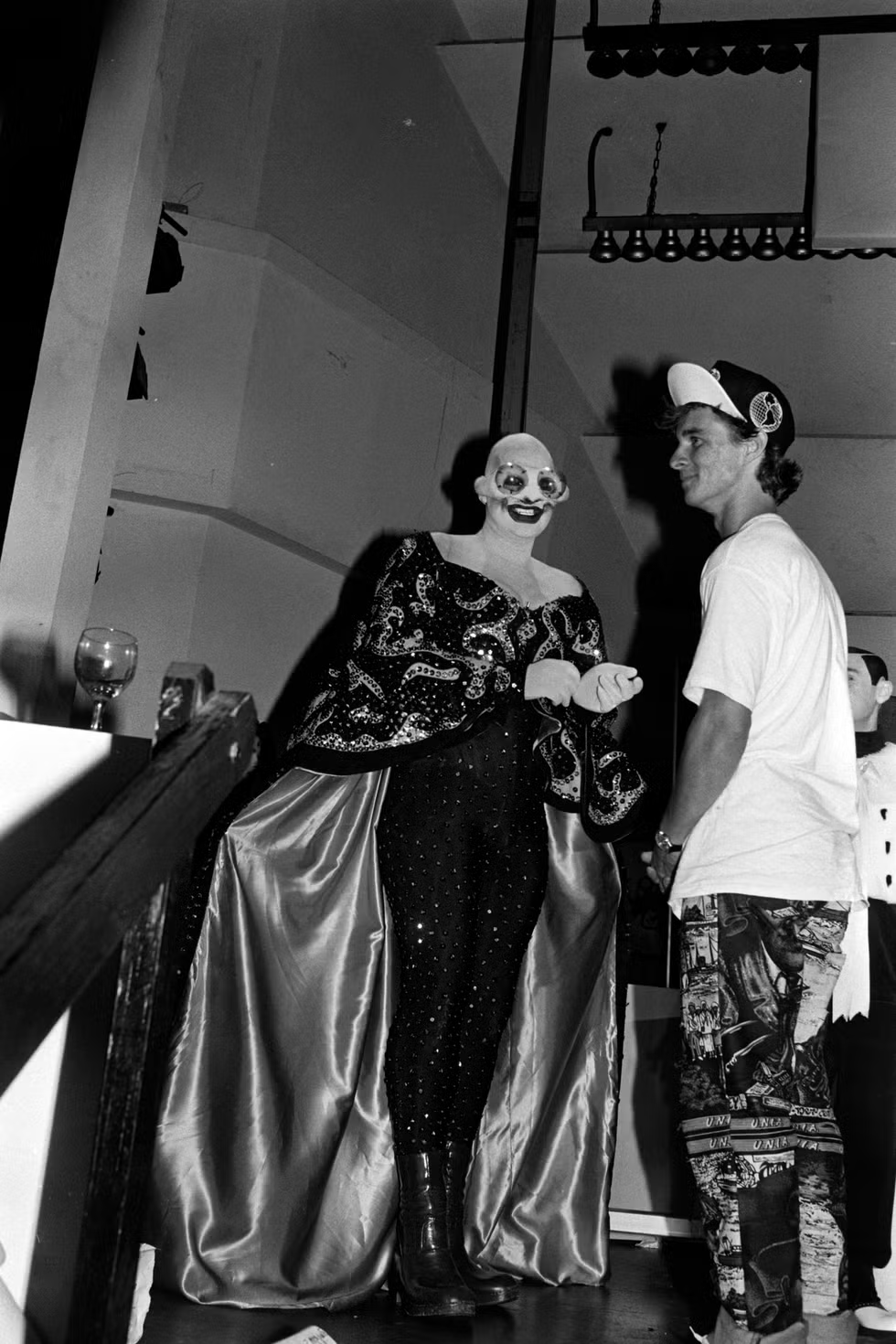
Leigh Bowery on stage during the “Love Ball” in 1989.
Alexander McQueen fall 2009.
“Susanne, when she moved to New York, she opened a boutique and was the first person to carry clothes by [John] Galliano and [Jean Paul] Gaultier, [really] introducing that type of style into the city,” explains Ryan Burke, a New York-based makeup artist. “And then she also threw these parties; it went really hand in hand.”
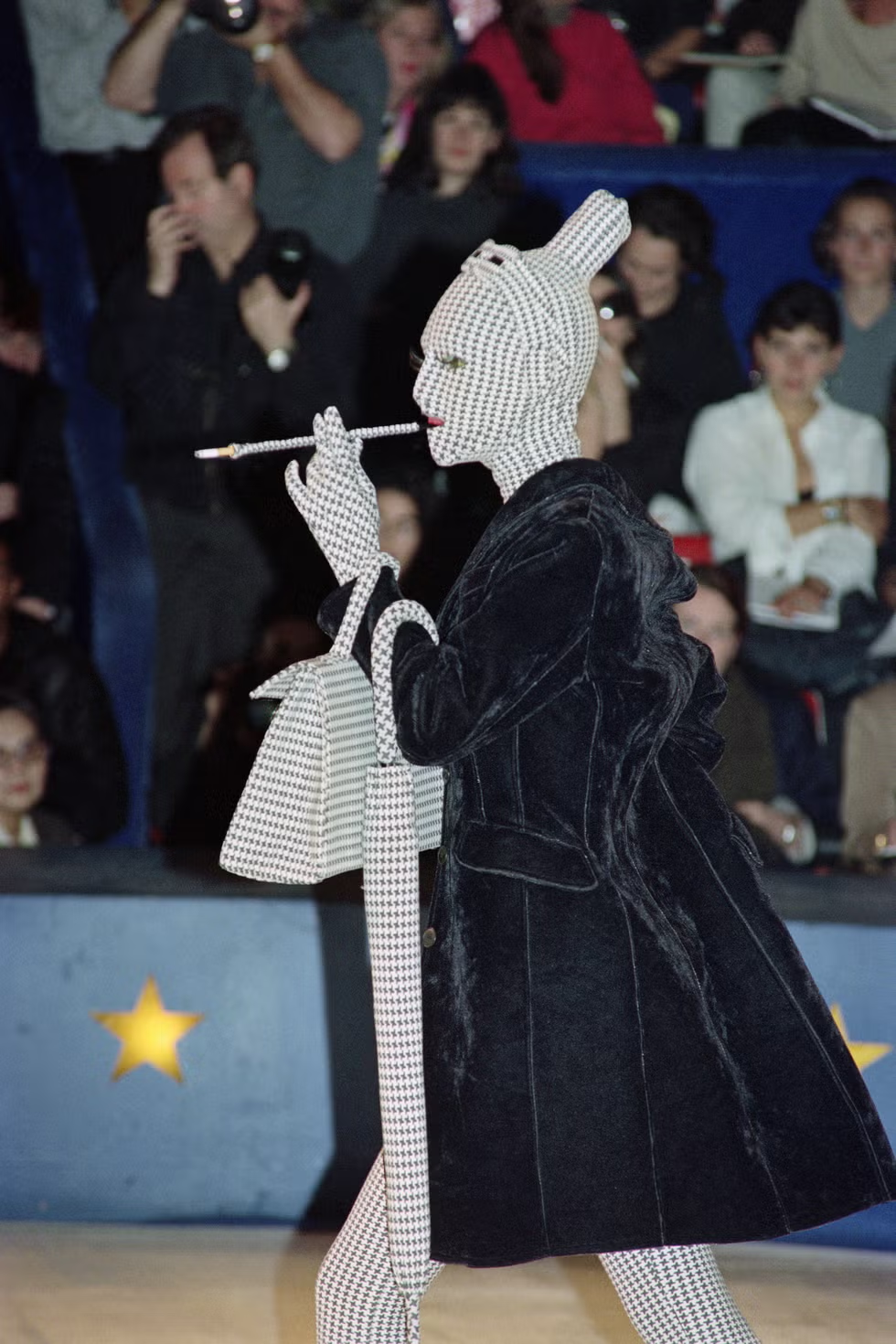
Bartsch’s legendary parties at Savage and the Copacabana brought together a true amalgamation of worlds, from downtown denizens to fashion heavyweights like Thierry Mugler and Gaultier. (Like McQueen, Gaultier referenced Bowery in a 1991 runway show.) It was not only an intermixing of punchy, confident aesthetics, but also the idea that fashion can be an escape and the ultimate form of self-expression. My club nights in the ’80s brought together artists, designers, photographers, performers, and kids creating their own looks,” Bartsch notes. “For someone who has felt judged or excluded, that can be powerful. The [dancefloor] gives you permission to try something on not just an outfit, but a version of yourself.”
Meanwhile, in London, the Blitz Kids channeled that same appetite for theatrical self-expression through their DIY, gender-bending looks, which would influence collections by Marc Jacobs (most famously, his grunge collection for Perry Ellis), McQueen, and Anna Sui.
Jean Paul Gaultier’s fall/winter 1991 collection inspired by Leigh Bowery.
The AIDS crisis took an enormous toll on the communities that made New York nightlife pulse. Then came New York’s tough-on-crime crackdown, which helped drive many of the most popular clubs out of business. Today, the Club Kids’ heyday has the glow of downtown legend: a moment when self-expression ruled the dance floor and anyone could make an entrance. Now, Burke notes that social media has changed how people create and share their looks, making the heyday of the Club Kids feel all the more singular. (In film, the scene’s legacy has been in 2003’s Chloë Sevigny-starring Party Monster and is now slyly resurfacing in Jordan Firstman’s new film, Club Kid, where he plays a club promoter whose life is upended by the arrival of the 10-year-old son he never knew he had.)
“People are really crafty, really crafty online; they create, document it, take it off,” he says. “That’s cool too; any kind of way people want to express themselves is great, but there was something that was really magical about seeing people out. They tried more interesting things that might not work or might not look that good, but they tried it.”
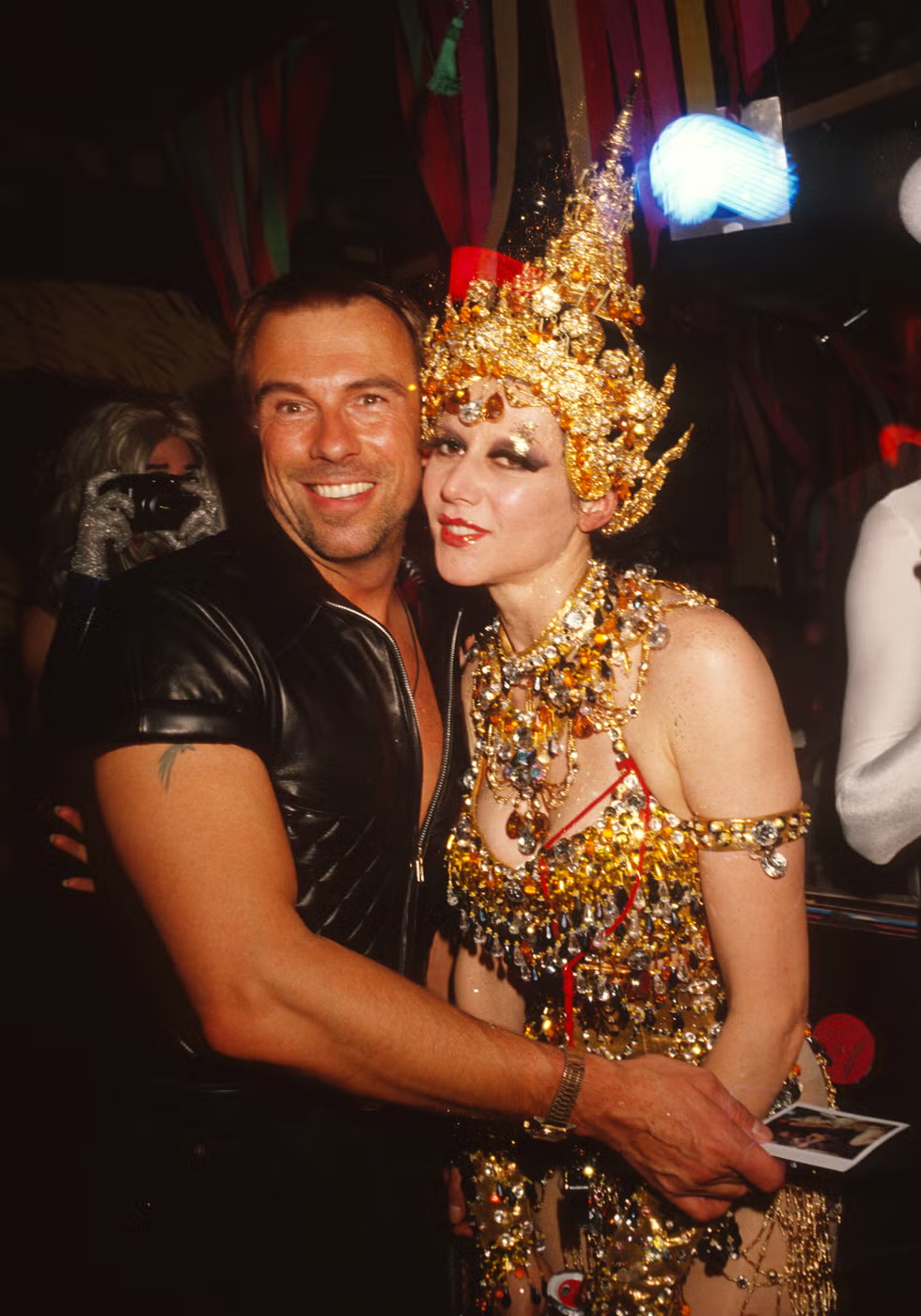
Thierry Mugler and Susanne Bartsch attend a Venus de La Mode Awards Party in 1990.
Club goers at Le Queen Club in Paris in 1990.
The Club Kid spirit still reverberates in the underground scenes of New York, London, and beyond—and at the highest levels of fashion. You just need to know where to look.
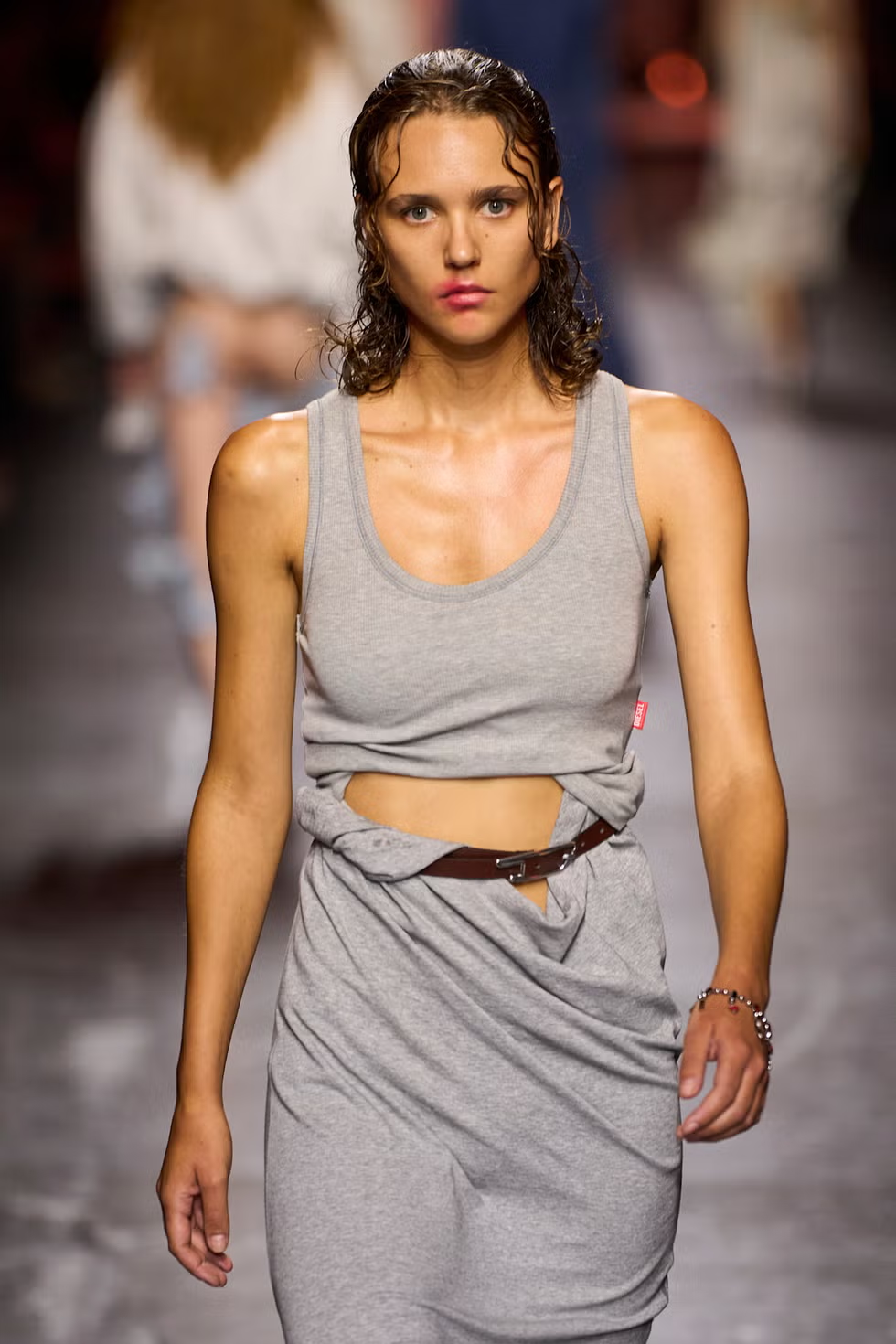
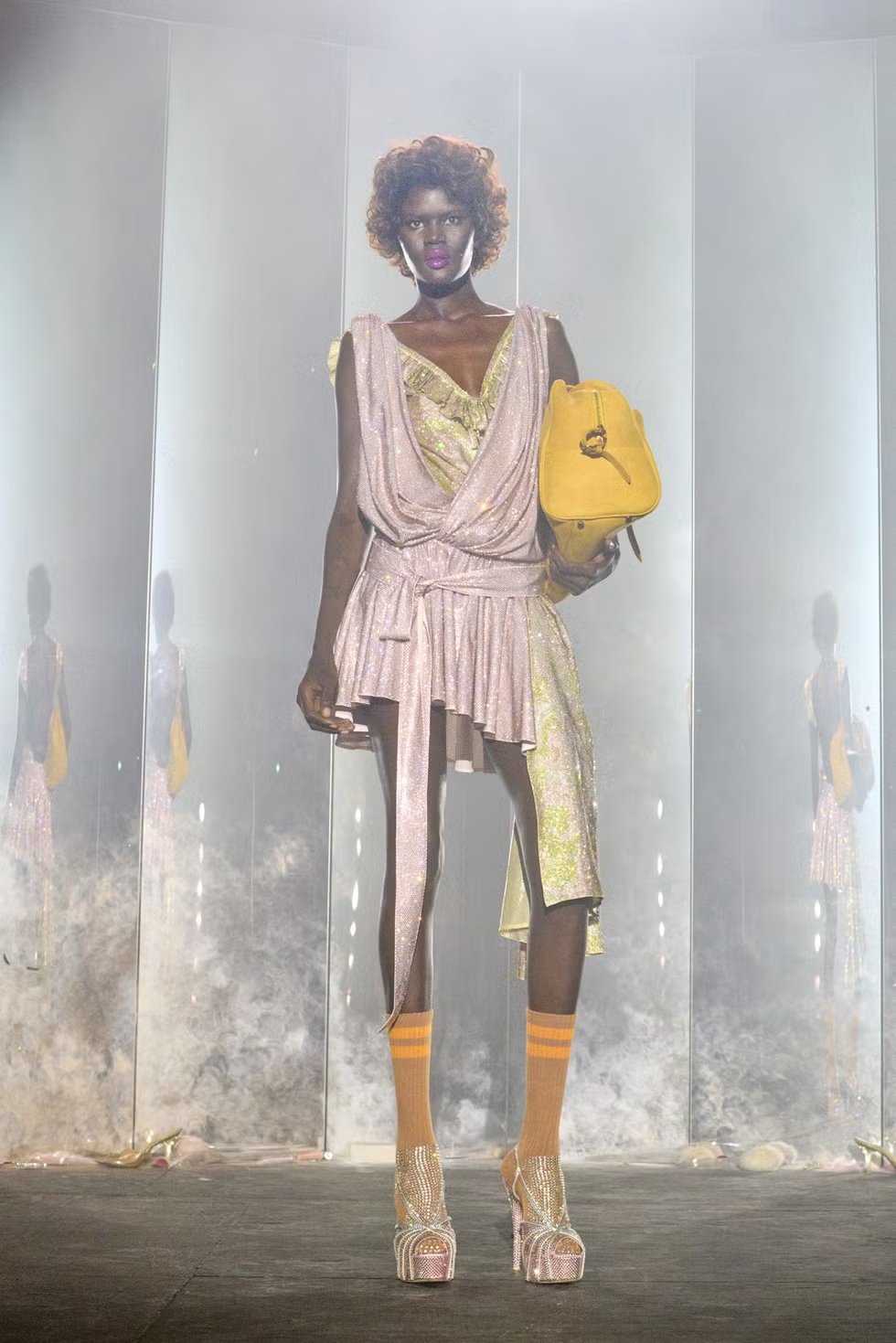
During the recent spring/summer 2027 season, when many designers celebrated the “joy of getting dressed,” the club was never too far away. At Junya Watanabe, pearls and punk hardware were stacked atop catsuits with the carefree abandon of the original club kids, who built their looks from punk boutiques and thrift-store finds. Diesel got hot and heavy: Glenn Martens’s swan song for the brand unfolded amid a crowd of performers kissing and touching, while models wore barely-there denim and clothes that looked hastily thrown on, finished with smudged red lipstick, as if they’d been smooching on the dance floor. And August Barron showed a starlet-inspired lineup of glitzy “going out” dresses, sandals with neon heels, and haphazardly layered separates.
It’s easy to see why fashion keeps returning to the club: Nowhere else makes getting dressed feel quite so alive. As Bartsch puts it: “For me, the club spirit isn’t one particular look, it’s freedom, imagination and the confidence to express yourself without asking permission.”
Diesel spring/summer 2027.
August Barron spring/summer 2027.
Source: ELLE
Source link