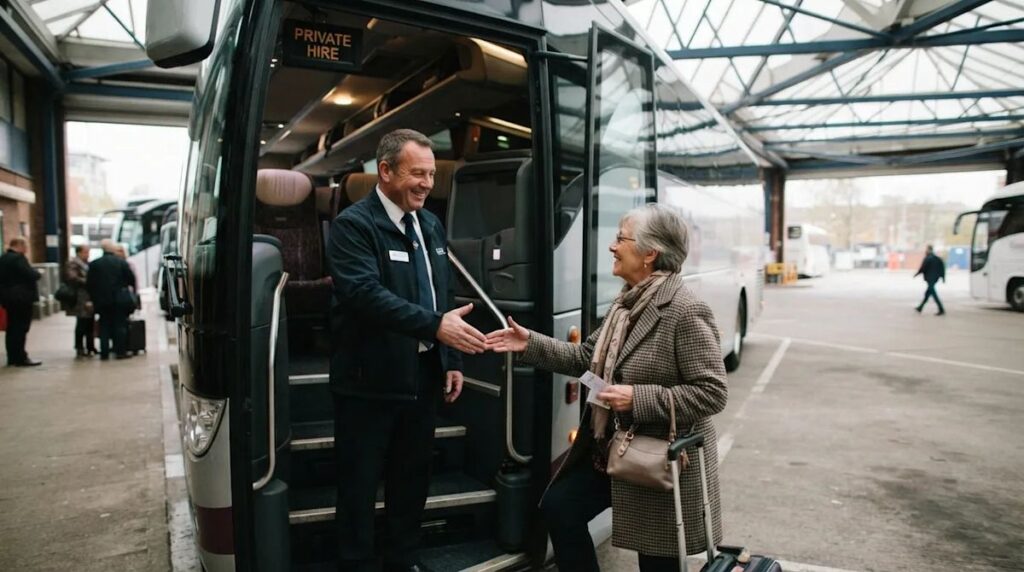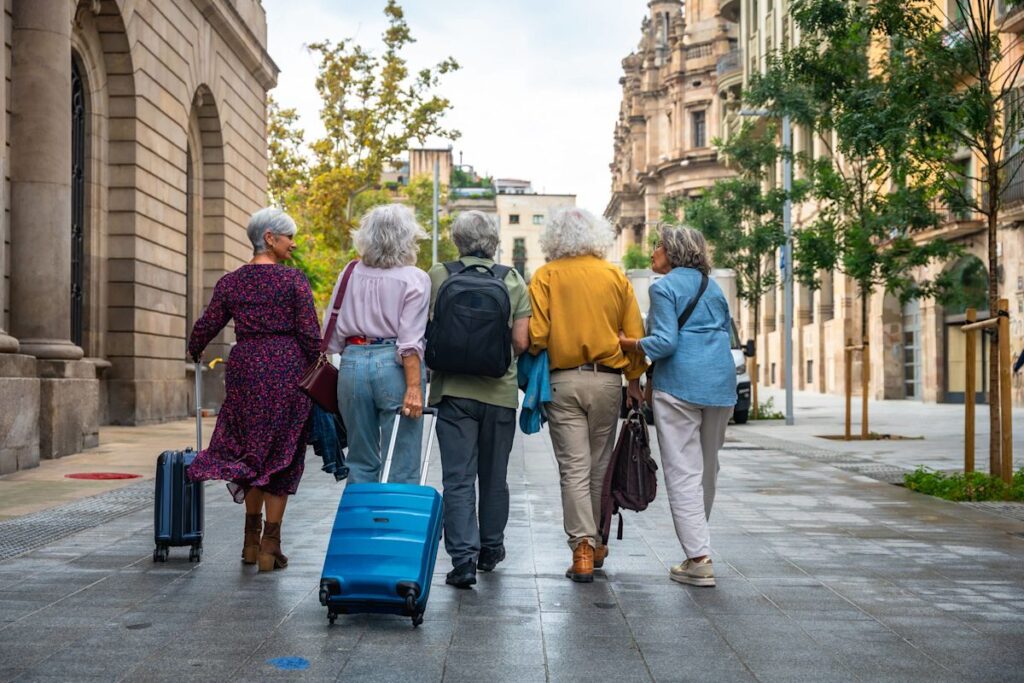


Some people can sleep through a layover, find the right platform on the first try, and smile when the luggage goes missing. Often that calm didn’t come from a guidebook. It came from childhood, from watching parents who treated airports, border queues and strange menus as ordinary parts of life.
Research on family travel is still a young field, and much of it relies on parent surveys and self-reports. So this list is about patterns, not proof. These seven habits show up repeatedly in what researchers and family-travel surveys describe, and each one is worth recognizing in yourself.
1. You Stay Calm When Plans Fall Apart
1. You Stay Calm When Plans Fall Apart (Image Credits: Unsplash)
A delayed flight, a wrong turn or an odd hotel bed doesn’t rattle you for long. Family-travel writers often describe trips as low-stakes practice for handling surprises. One summary of a 2024 study in Tourism Management Perspectives says children learn by observing a parent’s calm attitude when plans change and by interacting with new environments.[1]
Advertisement
Advertisement
That matches the broader view that the logistics of travel, such as delayed flights, language barriers and unfamiliar routines, give children low-stakes opportunities to practice adaptability and resilience.[2] If you shrug and reroute while others panic, you may have learned it by watching someone do it first. Still, calm under pressure can be learned at any age, so it isn’t exclusive to well-traveled kids.
2. You Say Yes to Unfamiliar Food
2. You Say Yes to Unfamiliar Food (Image Credits: Unsplash)
Ordering the dish you can’t pronounce doesn’t scare you. Food is often the first place travel asks you to be brave, and kids who grew up eating at market stalls or family-run restaurants tend to carry that ease into adulthood. A 2023 Family Travel Association survey, as reported by one travel blog, found that family travel encourages adventurous eating habits (48%)[3], so nearly half of respondents saw this effect.
The same blog adds a wry note that the finding comes with no guarantees. That’s a fair caution, since this is survey data and not a controlled experiment. Think of adventurous eating as a common side effect of travel, not a certain one.
3. You Talk to Strangers Without Much Fuss
3. You Talk to Strangers Without Much Fuss (Image Credits: Unsplash)
Asking a stranger for directions, chatting with a seatmate or befriending someone at a hostel feels natural to you. The 2023 survey mentioned above reported that family travel increases comfort around strangers (44%)[3], which means a little over four in ten respondents noticed it. Seasoned travelers’ kids often learn that strangers are mostly helpful, and that a conversation is how you get anything done abroad.
Advertisement
Advertisement
Adult research points the same way. In a well-known 2013 study of German students, personality changes were related to changes in social networks, and those shifts were particularly tied to openness and emotional stability.[4] Meeting new people seems to matter as much as the destination itself.
4. You Carry Your Own Weight on the Road
4. You Carry Your Own Weight on the Road (Image Credits: Unsplash)
You pack your own bag, keep track of your passport and notice when it’s time to leave for the gate. Many travel parents hand kids small jobs, such as reading the map or holding the tickets. The American Academy of Child and Adolescent Psychiatry, as cited by one family-travel guide, says giving children roles helps them develop higher self-esteem and a greater sense of responsibility.[1]
It’s a simple idea with a practical payoff. Kids who are treated as part of the travel team learn that logistics aren’t magic, they’re just tasks. Years later, that shows up as the friend who always seems to have the charger, the printout and the backup plan.
5. You’re Curious About Places and Their History
5. You’re Curious About Places and Their History (Image Credits: Unsplash)
You read the plaque, ask why the street is named that way and wander into the small museum. Curiosity like this is hard to measure, yet there’s some evidence on learning. A 2020 study in Annals of Tourism Research, as summarized by one source, found that trips to cultural sites gave the biggest boost in reading scores, while attending sporting events helped improve math skills.[1]
Advertisement
Advertisement
One caution matters here. A study commissioned by the U.S. Travel Association is described as showing that the benefits come from the nature of the trip and not just the destination, so domestic travel can still help.[5] A curious kid doesn’t need a passport stamp. They need parents who point things out and ask questions.
6. You Treat the Unfamiliar as Something You Can Handle
6. You Treat the Unfamiliar as Something You Can Handle (Image Credits: Pixabay)
New cities, new languages and new routines make you alert, not anxious. Child psychologist Dr. Charlotte Russell writes that once children do something new, or something that worried them, they start to build belief and self confidence in themselves.[6] Repeat that across dozens of trips and “I can figure this out” becomes a default setting.
This echoes adult findings on personality. In the 2013 German study, travelers tended to show increases in openness, agreeableness and emotional stability relative to those who didn’t travel.[4] Yet it’s worth knowing that research on study abroad has also found students who went abroad already rated higher in agreeableness and openness beforehand.[7] So travel may shape these traits, and open people may also choose to travel.
7. You Share Stories and Reflect on the Day
7. You Share Stories and Reflect on the Day (Image Credits: Pixabay)
You like replaying the trip: the best meal, the worst bus, the wrong turn that turned out great. Dr. Russell notes that travelling together, long journeys and shared views and food help form a family identity.[6] She also describes how a dinner-table chat about each person’s “best” and “least favourite” parts of the day can help children reflect on what they’ve seen.
Advertisement
Advertisement
Memory matters here too. A figure attributed to the U.S. Travel Association says 62% of adults recall their earliest memories from family vacations taken between ages 5 and 10.[8] That’s roughly six in ten, though I’d treat it as a secondhand statistic. Either way, if you’re the one who tells the “remember when” stories, someone probably taught you how.
About that worrying part of the headline: missing these habits isn’t a warning sign, and it isn’t a verdict on your upbringing. Much of the evidence comes from surveys and self-selected samples, and travel isn’t the only way to learn flexibility, curiosity or confidence. Many people with few passport stamps have all seven, and plenty of frequent flyers don’t.
If a habit is missing, the useful takeaway is that it’s trainable. Take a short trip, talk to someone new, try the unfamiliar dish, and let the small surprises happen. The habits seem to come from practice, and practice is available to anyone.
Source link