

Cheap travel in Latin America isn’t one story. It’s a patchwork. A forty dollar day can feel generous in the Bolivian highlands and tight in Patagonia, and currency swings have reshuffled the list over the past couple of years.
This list sticks to destinations where recent 2026 price guides still show real value for someone spending dollars. The figures below are approximate daily budgets and local price examples. They shift with season, exchange rates and travel style, so treat them as a starting point rather than a promise.
Bolivia
Bolivia (Image Credits: Unsplash)
Bolivia keeps turning up at the bottom of the cost rankings. La Paz offers hostels from around $8 per night, and a filling set lunch costs $2 to $3 at local restaurants, as of March 2026.[1] A budget tracker that compares South American countries also lists Bolivia at $37.10, well below every other country in its ranking[2].
Advertisement
Advertisement
The savings carry up the price scale too. As of May 2026, Bolivia’s midrange daily budget runs roughly $60 to $110, versus $100 to $180 in Peru.[3] One cost to plan for is the entry visa, which U.S. citizens need. Guides put the fee at $160[4] or $180[5], so check the current amount before you book.
Paraguay
Paraguay (Image Credits: Unsplash)
Paraguay is the quiet value pick. One 2026 guide describes it as one of the most affordable South American countries, with minimal overtourism[6]. Budget travelers there are typically quoted figures of $22 to $33 a day[6], though other guides run a little higher.
Basics are cheap. Hostels run about $8 to $15 a night, and budget hotels about $20 to $35.[4] Fewer visitors means fewer polished tourist services, which is part of why prices stay low. It suits people who don’t mind doing a little more of their own planning.
Ecuador
Ecuador (Image Credits: Unsplash)
Ecuador uses the U.S. dollar as its official currency. That means no exchange rate to track and no conversion surprises at the register. Prices still come out low: backpacker budgets in Ecuador are listed at $30 to $45 a day in 2026[7].
Advertisement
Advertisement
Across Colombia, Ecuador, Peru and Bolivia, a dorm bed averages $8 to $12, a set lunch runs $2 to $4, and long distance buses cost roughly $1 to $2 per hour of travel[8]. The big exception is the Galapagos. One budget guide notes its daily figures don’t include entrance tickets to famous places such as Machu Picchu, Torres del Paine or the Galapagos Islands[9], so those trips need a separate budget.
Guatemala
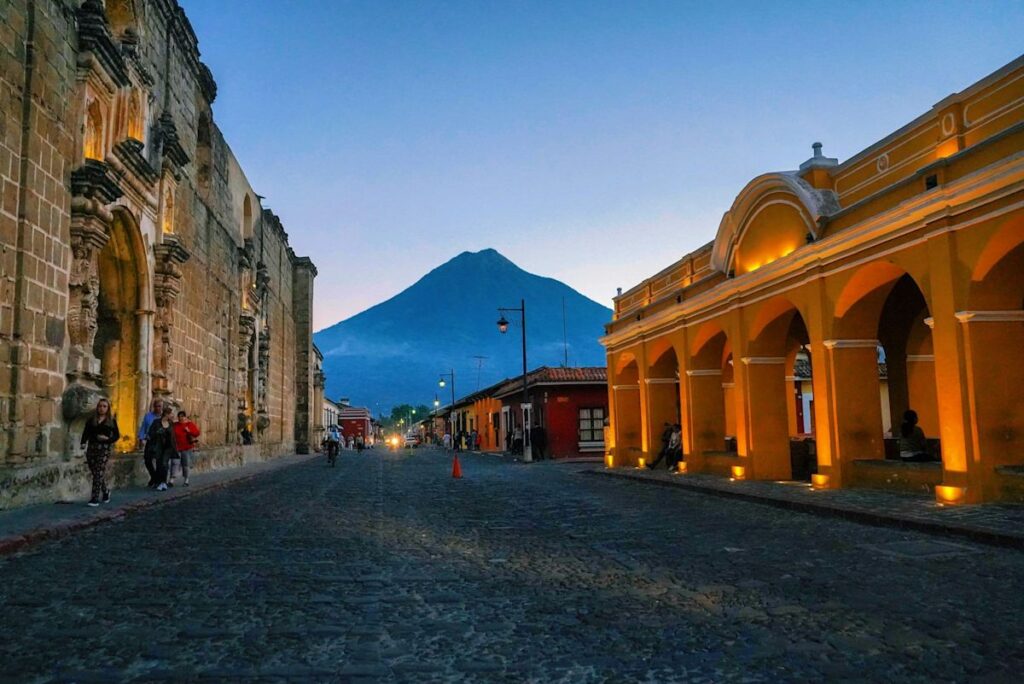
Guatemala is among the better values in Central America. One 2026 comparison shows a hostel at about $10 a night, a street meal around $2, and a backpacker day near $18[10]. Other guides, which assume more comfortable travel, quote a midrange daily spend of $30 to $40[11].
That range covers the places most visitors want to see. Mayan ruins, Lake Atitlan and Antigua[11] are the usual draws. Another guide says Antigua and Lake Atitlan are well priced for travelers[7].
Nicaragua
Nicaragua (Image Credits: Pixabay)
Nicaragua is regularly named the most economical country in Central America. A 2026 guide says it is the cheapest option in the region, with neighboring Honduras, El Salvador and Guatemala also offering low costs[12]. Backpacker budgets of $25 to $40 a day[7] appear in recent budget tables.
Advertisement
Advertisement
Sights include volcanoes, colonial cities and a Caribbean coast[11]. The low prices come with a trade-off in services, as in other lower cost countries. Check current U.S. State Department travel guidance before committing, since conditions can change.
Peru
Peru (Image Credits: Pexels)
Peru offers a lot of variety for modest money. One guide puts typical budget travel at $27 to $43 a day[6]. Food is a bargain: budget dorm rooms can run under $10 a night, and set lunches are available nearly everywhere for about $3[5].
Cusco and Machu Picchu are where costs climb. One guide notes that Cusco and Machu Picchu dominate costs, while northern Peru is significantly cheaper[6]. Another says Machu Picchu entry and train logistics push the daily average up despite similar hostel and food prices[8].
Colombia

Colombia (Image Credits: Pexels)
Colombia is cheap, but the exchange rate has moved against dollar spenders. On October 30, 2026, the official rate stood at about 3,167 pesos per dollar[13]. The same tracker shows the dollar buying about 18 percent fewer pesos than a year earlier[13], so it stretches less than it did.
Advertisement
Advertisement
Prices are still low by U.S. standards. One guide says you can travel on about $30 a day anywhere in the country, including lodging, food, attractions and transport[5]. Another puts hostels at around $11 a night[9]. Bogota, Medellin and the countryside are all described as very affordable[2].
Argentina
Argentina (Image Credits: Unsplash)
Argentina is the comeback story, though a more modest one than it was. In April 2025 the government lifted most currency controls and moved to a managed float[14]. As a result, the rates once separated by a wide gap have converged to around 1,400 to 1,460 pesos per dollar as of mid 2026[14].
The old blue dollar bargain is gone, and one guide says Buenos Aires is more expensive than the bargain it was in 2023, but still good value for visitors earning in dollars, euros or pounds[14]. A careful budget there runs roughly $40 to $60 per day[15]. Another source puts a casual lunch at about $8 to $15[14], and says the blue dollar spread was around two percent as of August 2026, so a foreign card works for most purchases[15].
Source link