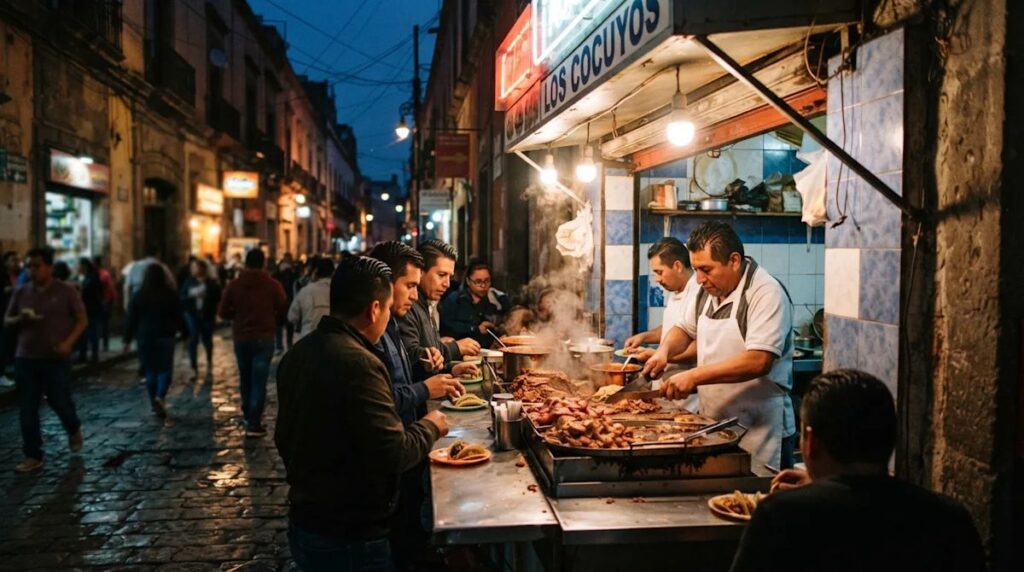


Picture the last morning of a trip. A guest wheels a suitcase up to the concierge desk and asks where they should have eaten. Concierges say that scene plays out constantly, and it’s a little painful for them, because the questions that would have mattered most were still open at check-in.
A handful of questions asked on day one can change the whole stay. They touch tables, tickets, fees, and even which room you sleep in. But the question concierges love most isn’t about food or sightseeing at all, and it’s waiting at #1.
#22 – The Dinner Table That Was Gone Before You Unpacked
#22 – The Dinner Table That Was Gone Before You Unpacked (Image Credits: Gemini)
The best table in town is often booked before you reach the lobby. Popular restaurants in big cities commonly release reservations weeks ahead, and concierges know each place’s booking habits. Many also have direct lines to managers, which can open doors that apps can’t. A concierge can’t always conjure a table, but asking early gives them time to try.
Advertisement
Advertisement
Ask on arrival and you give them room to work. Ask at 6 p.m. and you get whatever is left, which is often a mediocre place near the hotel. Guests who ask on day one are far more likely to land at least one memorable meal. Everyone else eats wherever the walk-ins have space.
Insider Tip: Give the concierge two or three acceptable dates and a rough budget. Flexibility helps them far more than one rigid request.
But that’s nothing compared to the problem sitting in your hotel’s back room at #21…
#21 – The Bag Drop Nobody Mentions Until Checkout
#21 – The Bag Drop Nobody Mentions Until Checkout (Image Credits: Gemini)
Your hotel will probably hold your luggage, and most guests find out too late. Plenty of hotels store bags before check-in and after checkout, though policies differ by property. Some charge a fee, and some do it only for guests with a reservation. Meanwhile, plenty of travelers drag suitcases through museums because nobody told them to ask.
Advertisement
Advertisement
Arrival is the moment to ask. You can leave your bags at 9 a.m., go explore, and skip the lobby wait. You can also ask how the bag tags work, so your luggage doesn’t end up mixed in with a tour group’s pile.
The next question is one most guests ask too late, and it costs them hours…
#20 – Early Check-In Is a Request, Not a Right
#20 – Early Check-In Is a Request, Not a Right (Image Credits: Gemini)
Concierges wish you’d mentioned your arrival time a week ago. Rooms are usually cleaned in a certain order, and early arrivals can be prioritized if the staff knows who is coming. A 10 a.m. walk-in with no warning gets a shrug. Someone who told the desk about a red-eye flight often gets a call the moment a room is ready.
Check-in times are set by the hotel, and early access depends on how many guests are checking out. Asking politely and early still improves your odds. It’s about timing, not about demanding a favor.
Advertisement
Advertisement
Why It Works: Housekeeping works from a list. If your name and arrival time are on it before the day starts, your room can be moved up the order.
Still, the most expensive surprise in hotels isn’t about time at all, as #19 shows…
#19 – The Fee on Your Bill You Never Saw Coming
#19 – The Fee on Your Bill You Never Saw Coming (Image Credits: Gemini)
The nightly rate on your screen may not be the rate you pay. Many resorts and city hotels add mandatory daily fees for things like Wi-Fi, pool access, or fitness centers. Guests often notice only at checkout, when it’s too late to plan around them. Asking at arrival what the fee covers is the only way to actually use what you paid for.
Regulation has started to catch up. A Federal Trade Commission rule on junk fees took effect in May 2025 and requires hotels and short-term rentals to show the total price, including mandatory fees, up front. Even so, knowing what the fee includes is a separate question. Guests who ask often discover free perks, like bike rentals or beach chairs, that they would have walked right past.
Advertisement
Advertisement
Did You Know: The FTC rule covers short-term lodging and live-event tickets. It targets hidden mandatory fees, not optional charges like room service or spa treatments.
Fees aren’t the only line item that sneaks up on guests, and #18 gets pricey fast…
#18 – The Parking Bill That Rivals the Room Rate
#18 – The Parking Bill That Rivals the Room Rate (Image Credits: Gemini)
In dense cities, overnight parking can cost a startling amount, and guests rarely ask about it. Valet and self-parking often carry nightly charges, and in-and-out privileges vary by hotel. Some garages have height limits that rule out larger SUVs and rental vans. Plenty of travelers pay for parking they barely use once they discover the subway.
The smart move is to ask at check-in, not after the car is already in the garage. A concierge can tell you whether a public lot nearby is cheaper and whether it feels safe. They can also tell you whether you need the car at all.
Advertisement
Advertisement
Parking is only half of the street-level story, and #17 is a question concierges rarely hear…
#17 – Which Block Feels Wrong After Dark?
#17 – Which Block Feels Wrong After Dark? (Image Credits: Gemini)
Hotels sit in every kind of neighborhood, and concierges know exactly where the comfortable walking ends. They’d love to be asked on arrival, when you can still plan your evenings around the answer. Guests who skip the question often find out by feel, usually at 10 p.m. with a phone at 8%. Streets two blocks apart can feel completely different, and locals can name the exact corner.
This isn’t about fear. It’s about knowing which routes are lively, which are empty, and when a short rideshare is the better call. The best answers are specific, like “take this street, not that one.”
Try This: Ask the concierge to mark your hotel and your evening plans on a paper map, then circle the routes they’d walk themselves.
Advertisement
Advertisement
Safe or not, there’s one tourist hotspot where timing decides everything, and #16 explains it…
#16 – The Attraction That Needed a Ticket Last Week
#16 – The Attraction That Needed a Ticket Last Week (Image Credits: Gemini)
Some of the world’s best-known sights now run on timed entry, and walking up rarely works. Alcatraz in San Francisco is a well-known example, because its tickets often sell out well ahead in busy seasons. Many museums and observation decks use timed slots too. Guests regularly roll into town with a whole afternoon planned around something that’s already sold out.
A concierge can check official ticket pages, point you to legitimate sellers, and warn you about resale sites that overcharge. They’ll also tell you which slots are truly worth it. Sometimes the honest answer is that a famous attraction isn’t worth the hassle.
Fast Facts
Alcatraz served as a federal penitentiary from 1934 to 1963.
The island sits roughly 1.25 miles off the San Francisco shoreline.
Ferries leave from Pier 33, and the crossing takes about 15 minutes.
Alcatraz City Cruises is the official ferry operator, so buy there rather than from resellers.
Advertisement
Advertisement
Tickets are one thing, but getting to them is another, as #15 shows…
#15 – The Airport Ride That Costs Three Times More Than It Should
#15 – The Airport Ride That Costs Three Times More Than It Should (Image Credits: Gemini)
Getting from the airport can cost wildly different amounts depending on how you do it. Taxis, rideshares, shuttles, trains, and buses all vary by city, and the cheapest option isn’t always the obvious one. Guests often pay surge pricing for a trip a train would have covered for a few dollars. The cheapest route is often one the hotel can describe in thirty seconds.
Ask on arrival, because you’ll need the answer again in a few days. A concierge can tell you which pickup areas at the airport are the least chaotic, how much to budget, and when to leave. That last point matters most before an early flight.
Insider Tip: Ask for the route and the rough cost both ways. Prices differ between arrival and departure, especially at off-peak hours.
Advertisement
Advertisement
Rides are easy to fix, but food allergies are a different kind of problem at #14…
#14 – The Allergy Question That Shouldn’t Wait for Dinner
#14 – The Allergy Question That Shouldn’t Wait for Dinner (Image Credits: Gemini)
A restaurant recommendation is only useful if the kitchen can safely feed you. Dietary needs often come up too late, at the table, when the server is already waiting with a pen. Guests with severe allergies, celiac disease, or strict religious diets need places that handle them well. A good concierge will often call ahead for you.
Tell the desk what you need at check-in, and they can build a short list of reliable spots. That means no scrambling after a long travel day. A menu doesn’t always tell the whole story either, so a quick call from someone local helps.
Meals are about safety here, but #13 is about something more personal…
#13 – The Anniversary Nobody Told the Front Desk About
#13 – The Anniversary Nobody Told the Front Desk About (Image Credits: Gemini)
Hotels love a special occasion, but only if they hear about it. Guests celebrating birthdays, honeymoons, or proposals often keep quiet, then wish they hadn’t. Staff can sometimes arrange small touches like a note, a table with a view, or a better room if one is open. Nothing is guaranteed, but staying silent practically guarantees nothing happens.
Advertisement
Advertisement
It doesn’t need to be a big announcement. A quick mention at check-in is enough. Guests who share the reason for their trip tend to get warmer service than anyone else in the lobby.
The Psychology Behind This: People help more readily when they know the stakes. A named occasion turns a routine booking into a story staff want to be part of.
Small touches matter, but so does where your bed actually sits, as #12 reveals…
#12 – The Room Location Nobody Thinks to Request
#12 – The Room Location Nobody Thinks to Request (Image Credits: Gemini)
Two rooms with identical rates can feel nothing alike. One may sit beside the elevator, the ice machine, or the street. Front desk teams often know which floors are quiet and which rooms catch the morning sun. You can often ask to be moved before you’ve even unpacked.
Request it at check-in, not at midnight. Hotels have more flexibility early in the day, when some rooms aren’t yet assigned. If you’re a light sleeper, say so, and ask about a higher floor or a room at the end of the hall.
Try This: Say “quiet room, away from the elevator” at the desk. It’s a specific request staff can actually act on.
Rooms get fixed, but what about the things that never arrive? #11 is a logistics headache…
#11 – The Package That Arrived After You Left
#11 – The Package That Arrived After You Left (Image Credits: Gemini)
Shipping something to your hotel is easy, but only if you set it up right. Packages show up without a name, a room number, or a heads-up, and then vanish into a storage room. Guests find out at checkout, when the box is sitting there and the car is already waiting. Some hotels refuse deliveries for guests who haven’t checked in.
Ask the desk on arrival what their package policy is. Find out where parcels are kept, how long they’ll hold them, and whether there’s a handling fee. If you’re expecting something, confirm it before you head out for the day.
At a Glance
Put the name from your reservation on the label.
Add your check-in and checkout dates so staff know when to expect you.
Ask whether the front desk notifies you when a parcel lands.
Ask how long they hold packages and whether a fee applies.
Parcels are one thing, but paper is another small panic at #10…
#10 – The Boarding Pass You Can’t Print at Midnight
#10 – The Boarding Pass You Can’t Print at Midnight (Image Credits: Gemini)
Most airlines accept phone boarding passes, but not every trip goes smoothly. Some guests still need printed documents for visas, event tickets, or border forms. Many hotels have a business center or will print for you. Plenty of guests learn the printer is down at 5 a.m. on departure day.
Ask on arrival where printing happens and what it costs. Some hotels print a few pages free, and others charge by the sheet. It takes five seconds to check and saves a scramble later.
Why It Works: Knowing where the backup is before you need it turns a crisis into a minor errand. That’s true for printers, chargers, and spare adapters.
Paper problems are annoying, but #9 is the one you really don’t want to be improvising…
#9 – The Nearest Pharmacy at 11 p.m.
#9 – The Nearest Pharmacy at 11 p.m. (Image Credits: Gemini)
Travel has a way of producing a headache, a blister, or a sudden fever at the worst possible hour. Guests often ask for help at night, when many pharmacies have already closed. Knowing the nearest late-night pharmacy and urgent care clinic in advance is simple, and almost nobody does it. A hotel desk has usually pointed other guests toward both.
Ask for the closest options and whether they take walk-ins. If you travel with prescriptions, ask how the local system works. Concierges aren’t medical professionals, but they know the neighborhood well.
Health is practical, but the next question starts arguments at the front desk at #8…
#8 – The Tipping Question Everyone Pretends to Understand
#8 – The Tipping Question Everyone Pretends to Understand (Image Credits: Gemini)
Tipping customs confuse even seasoned travelers, and concierges notice. In the U.S., it’s common to tip for services like hard-to-get reservations or arranged tickets, but amounts and expectations vary. Guests rarely ask what’s normal, so they guess. Some over-tip out of nerves, while others skip tips entirely and never realize it.
Here’s an opinion that splits the lobby: some staff say a heartfelt thank-you note beats a rushed cash tip. Others say cash is still the clearest signal. Either way, asking the desk about local norms on day one beats guessing on day five.
Editor’s Note: Tipping norms differ by country, city, and even hotel. It’s a fair question to ask, and no one at a good hotel will think less of you for it.
Tipping is touchy, but nothing starts more debate than #7…
#7 – The Tourist Trap Your Guidebook Still Recommends
#7 – The Tourist Trap Your Guidebook Still Recommends (Image Credits: Gemini)
Concierges have strong opinions about famous places that don’t deserve the line. Many visitors treat the big-name restaurant on the main square as a must-do, while plenty of locals call it the biggest waste of money in town. Prices tend to climb near landmarks, and quality often slips. The best meals are frequently a few blocks off the postcard route.
Ask on arrival which places are overhyped and which are worth the trip. A good concierge will answer honestly, even if it means steering you away from the obvious. You’ll save money and probably eat better.
Traps are easy to dodge once you know them, but a bigger local secret can reshape your whole weekend at #6…
#6 – The Marathon, Convention, or Parade Blocking Your Route
#6 – The Marathon, Convention, or Parade Blocking Your Route (Image Credits: Gemini)
Big events reshape a city for a weekend, and many guests don’t learn about them until they’re stuck. Marathons close roads, conventions fill hotels, and parades reroute buses. Concierges track these dates because they affect everything from rideshare prices to dinner availability. A single event can turn a ten-minute trip into an hour.
Ask on arrival what’s happening during your stay. They can warn you about closures, crowds, and rate spikes before you plan your days. They can also tell you when an event is worth joining.
Did You Know: Hotels often raise prices during large events because demand jumps across the city. That’s why the same room can cost much more one weekend than the next.
Events change plans, but traveling with family changes everything, as #5 shows…
#5 – Traveling With Kids or a Dog? Ask Before the Surprise Fee
#5 – Traveling With Kids or a Dog? Ask Before the Surprise Fee (Image Credits: Gemini)
Family travel comes with rules guests rarely read. Pet fees, crib availability, and kid-friendly restaurant hours all vary widely by hotel. Guests often assume their dog is welcome everywhere, then discover that restaurants and parks have limits. Some hotels charge pet fees per stay, and others charge per night.
Ask on arrival what the pet and child policies actually look like in practice. A concierge can point out dog-friendly patios, playgrounds, and quiet spots for tired kids. They can also tell you where not to bring them.
Worth Knowing
Is the pet fee charged per night or per stay?
Are there size, weight, or breed limits for dogs?
Can a pet stay alone in the room, and for how long?
Are cribs and rollaways free, or do they need to be requested ahead?
Where is the closest park or playground?
Family needs are real, but accessibility needs can be even more specific, as #4 explains…
#4 – The Accessibility Detail That Isn’t on the Website
#4 – The Accessibility Detail That Isn’t on the Website (Image Credits: Gemini)
Accessible room listings can look fine online and fall short in person. Guests who need roll-in showers, grab bars, visual alarms, or step-free routes should confirm details, not assume. The best time to double-check is at booking and again on arrival. A room labeled accessible doesn’t always match what a specific guest needs.
Ask staff to walk you through the route to the room, the pool, and the restaurant. A concierge can also recommend attractions and restaurants with proper step-free access. That local knowledge can spare you a very frustrating afternoon.
Why It Works: Specific questions get specific answers. Asking “is there a step at the shower?” tells staff far more than asking if the room is accessible.
Accessibility is about getting what you need, but #3 is about the perks you never knew existed…
#3 – The Free Perks Hiding in Plain Sight
#3 – The Free Perks Hiding in Plain Sight (Image Credits: Gemini)
Hotels often offer extras that nobody mentions. Depending on the property, that could mean a complimentary shuttle, loaner umbrellas, bikes, a happy hour, or a loyalty benefit. Plenty of guests leave without touching half of what was available. The perk you didn’t know about is often the one worth the most.
Ask what’s included, what’s free, and what requires a sign-up. If you belong to a loyalty program, say so. Staff may be able to apply a benefit, but only if they know.
Insider Tip: Ask “what do guests usually miss?” It tends to get a more candid and useful answer than “what’s included?”
Perks are a bonus, but the question behind the title is #2…
#2 – The Checkout Plan You Should Have Made at Check-In
#2 – The Checkout Plan You Should Have Made at Check-In (Image Credits: Gemini)
This is the one that gives the article its title. Guests ask about late checkout, bag storage, and rides to the airport on the morning they leave, when staff have the least room to help. If the concierge had known your flight time on arrival, they could often have planned around it. Late checkout usually depends on availability, which is why asking early matters.
Mention your departure time at check-in and ask what options exist. Some hotels offer late checkout for a fee or for loyalty members. Others can hold your bags, book a car, or time breakfast around your flight.
Quick Compare
Asked at check-in: Late checkout can be flagged, a car can be booked, and breakfast can be timed to your flight.
Asked on the last morning: Rooms are already being turned over, and the best ride slots may be gone.
The difference: Same question, but one gives staff days to plan and the other gives them minutes.
And yet, the most valuable question of all has nothing to do with logistics, and it’s #1…
#1 – “What Would You Do on Your Night Off?”
#1 – “What Would You Do on Your Night Off?” (Image Credits: Gemini)
This is the question concierges almost never hear, and the one they’d love most. It skips the guidebook and gets you the real answer: the small taco counter, the overlook, the bar with no sign. Concierges live in these cities, and their personal picks are often better than any list. The best recommendations usually aren’t on the menu of services.
Ask it on day one, and let them think. Tell them what you like, whether that’s quiet, loud, cheap, fancy, or odd. A personal question tends to get a personal answer, and that’s the one worth following.
Editor’s Note: A recommendation from someone who actually lives there is worth more than any ranking. Ask like you’re talking to a friend, not a service desk.
Almost everything a concierge can do for you runs on time, and arrival is when they have the most of it. A table, a quiet room, a ticket, or a fee explained can turn a missed chance into a smooth stay with one question at check-in. The suitcase-in-hand conversation on the last morning will always be too late, so have the first one at the front desk, while the whole trip is still ahead of you.
Source link