

Most of us don’t learn this until way too late: if you’re in your 30s, you’ve already hit your bone density peak.
“Peak bone mass is reached around our early 30s, and subtle losses can begin soon after,” says Dr. Felice Gersh, an integrative OB-GYN and founder of the Integrative Medical Group of Irvine. Your 30s and 40s aren’t just preparation years. They’re when the choices you make have the biggest impact on your bone health for decades to come.
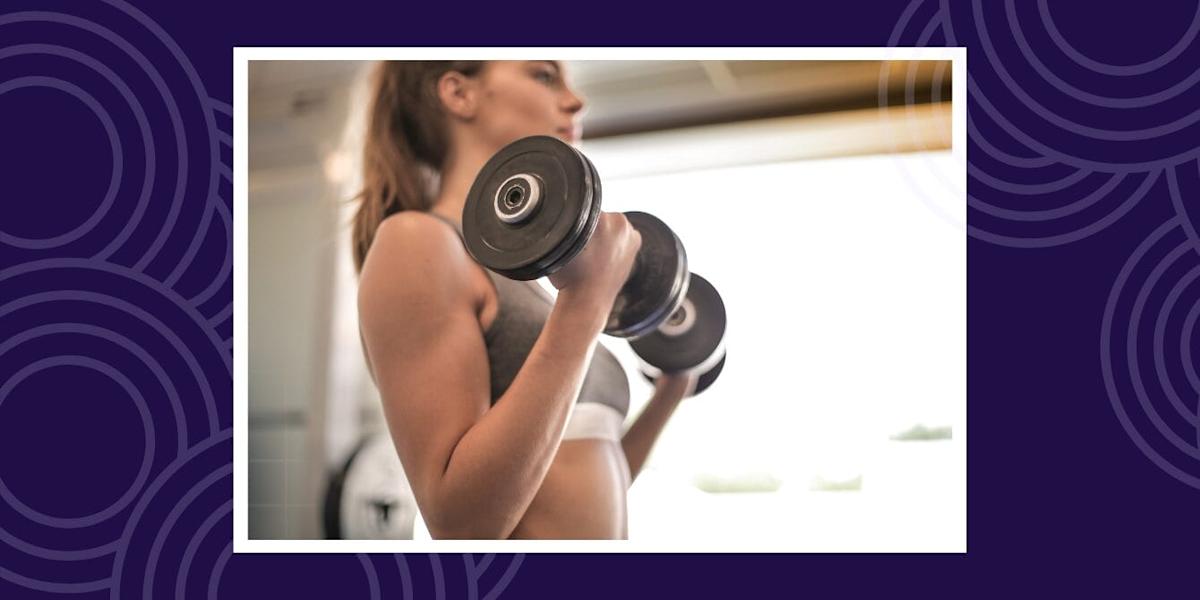
And a lot of us get this wrong (myself included for years): yoga and Pilates, while fantastic for flexibility and balance, aren’t enough on their own to build bone density. You actually need weight-bearing exercise and progressive resistance training, the kind where you’re lifting heavier weights over time.
More than one in four adults aged 35-50 already have osteopenia (low bone density that precedes osteoporosis). And while one in two women over 50 will eventually break a bone because of osteoporosis, that outcome isn’t inevitable. It’s largely determined by what you do in the years leading up to menopause.
“Many women think bone loss is a ‘later-life’ problem,” Dr. Gersh explains. “That’s why your 40s, 30s, and even your 20s are key decades for building and preserving bone mass. Don’t wait until menopause to start thinking about your bones!”
The good news? You have more control over this than you think. Because let’s be honest—we’re not just working out for aesthetics (though that doesn’t hurt). We’re training for longevity. For being able to hike that trail with the killer view, roam a new city for hours without our bodies giving out, and yes, carry all the groceries in one trip. We’re training so our kids won’t have to worry about taking care of us when they should be hitting their stride in middle age.
After age 50, bone breakdown outpaces bone formation naturally. But if you build strong bones now and protect them through your 40s, you’re setting yourself up to stay active, independent, and fracture-free well into your later years.
The stakes are higher than you’d think
We’re not just talking about becoming a little more fragile in your golden years. About 22% of women die within one year of a hip fracture—mortality rates are roughly three times higher than in the general population. And before that? “Hip fractures in older adults are associated with loss of independence, reduced quality of life, and significantly increased mortality,” Dr. Gersh explains. Think nursing homes, walkers, and someone else making decisions about your life.
This isn’t meant to terrify you. It’s meant to clarify what we’re actually protecting when we talk about bone health. What you do now—in your 30s and 40s—determines whether you’re hiking with your grandkids or sitting on the sidelines at 70. Whether you’re exploring new cities or navigating the healthcare system. Whether you’re living on your own terms or living with limitations you never imagined.
The three things that actually work
If you could only do three things (because let’s be real, you don’t have time for 47 wellness hacks), Dr. Gersh says focus on these:
Exercise that actually stresses your bones. No, your yoga class doesn’t count, at least not for bone building. “High-impact activities like jumping, running, and resistance training with progressively heavier weights are the most effective exercises for bone building because bones respond to mechanical stress,” says Dr. Gersh. Yoga and Pilates are fantastic for flexibility and balance, but for building bone density, you need weight-bearing and resistance work. Dr. Gersh recommends adding three 30-minute sessions per week of activities like brisk walking, jogging, or strength training.
Nutrition beyond just calcium. Sure, calcium matters. But Dr. Gersh emphasizes a plant-forward diet rich in leafy greens, fruits, vegetables, legumes, nuts, seeds, and lean protein. Beyond calcium and vitamin D, your bones need protein, vitamin K, magnesium, and trace minerals like zinc and copper. “I think of supplements as just that—supplemental,” she says. “They can fill in nutritional gaps and provide targeted interventions for specific needs.”
Lifestyle stuff you already know but might be ignoring. Don’t smoke. Limit alcohol to one drink a day max. Sleep well. Lower stress. Yes, it’s basic. Yes, it matters.
The pregnancy and breastfeeding wild card
If you’re currently pregnant or nursing, you can temporarily lose 3-5% of bone mass as calcium transfers to your baby. The good news? Your body typically recovers naturally within 6-12 months after weaning. The key is adequate calcium intake (1,000-1,300 mg daily) and vitamin D supplementation during and after pregnancy.
Red flags you shouldn’t ignore
Some women need to be more proactive than others. Dr. Gersh says watch for these risk factors:
-
Family history of osteoporosis or fractures
-
History of eating disorders or low body weight
-
Irregular or absent periods
-
Conditions like celiac disease, inflammatory bowel disease, or thyroid dysfunction
-
Certain medications including aromatase inhibitors and some hormonal treatments
If any of these apply to you, talk to your doctor about getting a baseline DXA scan in your 30s or 40s, even though standard guidelines don’t recommend routine screening until 65.
The equipment question: What actually works?
Let’s talk about weighted vests, vibration platforms, and other trendy bone health gadgets flooding your Instagram feed.
Weighted vests? “They’re popular, and for women who enjoy them and can use one safely, they’re unlikely to hurt and may offer a modest benefit,” says Dr. Gersh. But the evidence is mixed and not nearly as strong as regular resistance training. If you try one, start light (a few pounds, under 5% of body weight) and focus on posture. If it bothers your back or pelvic floor, skip it.
Vibration platforms show some promise, particularly for postmenopausal women, though results are inconsistent. Dr. Gersh sees them as a potential option for those who can’t do high-impact exercise, but they shouldn’t replace conventional weight-bearing activities.
Bottom line: Don’t drop money on equipment thinking it’ll solve everything. Invest your time in consistent, progressive strength training first.
When medical foods enter the chat
Medical foods designed specifically for bone health are different from the calcium and vitamin D supplements you grab at CVS. They’re FDA-regulated products designed to manage diagnosed conditions.
Dr. Gersh explains that certain probiotics and prebiotics can help preserve the gut barrier, reduce inflammation, and slow bone turnover. She points to
Bondia

, a synbiotic medical food that combines specific probiotics and prebiotics. In a randomized, placebo-controlled trial of women with osteopenia, it showed promise in slowing bone loss at certain sites.
“It’s a targeted nutrition tool to consider with your clinician—alongside resistance training, diet, and, when appropriate, hormone therapy,” says Dr. Gersh. Women with documented bone loss, early menopause, malabsorption issues, or those who don’t tolerate standard supplements might be good candidates.
The DXA scan: Should you get one early?
A DXA scan (dual-energy x-ray absorptiometry) is a quick, painless imaging test that measures your bone mineral density at key sites like your hip and spine. It uses a very low dose of radiation (less than a chest x-ray) and takes about 10-15 minutes. The results give you T-scores (comparing you to healthy young adults) and Z-scores (comparing you to your age peers), which categorize your bone density as normal, osteopenic, or osteoporotic.
Current guidelines recommend routine DXA screening at 65 for average-risk women, and most insurance plans cover it at that age. But Dr. Gersh notes that many women discover significant bone loss at their first screening. “Unfortunately, many women discover in that first screening that they have already suffered significant bone loss,” she says.
If you have risk factors like early menopause, irregular cycles, long-term steroid use, low weight, or a family history of fractures, getting a baseline DXA in your 30s or 40s can be worthwhile. It’s not standard screening, so insurance may not cover it (you’ll likely need to check with your provider or pay out of pocket, typically $125-$300). But for some women, that early insight can be invaluable.
To get one, talk to your doctor about your risk factors. If they agree it’s warranted, they’ll write you an order for the scan, which you can get at most hospitals, imaging centers, or specialized bone health clinics.
“An early diagnosis is the chance for early intervention,” says Dr. Gersh. “And there is so much we can do to protect your bones.”
If you get concerning results
First, don’t panic. A concerning DXA result in your 40s is actually an opportunity. Dr. Gersh recommends working with a knowledgeable provider to identify why you’re losing bone faster than expected. For her patients, that means checking hormones (especially estrogen and thyroid), screening for conditions that affect bone density, and looking at gut health, inflammation, nutrition, sleep, and stress.
Based on those results, you can create an individualized plan that treats underlying conditions, supplements hormones where appropriate, optimizes lifestyle factors, and incorporates weight-bearing exercise. For many women, a targeted medical food like Bondia
can be part of the strategy. For significant bone loss, medications like bisphosphonates may be recommended.
“Early intervention in your 40s offers the best opportunity to prevent fractures and maintain independence later in life,” Dr. Gersh emphasizes.
The bigger picture: Investing in your future self
If you’re in your 30s or 40s right now, you’re in the most critical window for bone health. This is when you can actually build a reserve that will carry you through menopause and beyond. Some women lose up to 25% of bone mass in the first 10 years after menopause, which makes the bone density you bank now absolutely crucial.
Think of it this way: bone health connects to everything you want for your future—your ability to travel without limitations, play with your grandkids, live independently, and maintain the quality of life you’ve spent decades building. The hiking trips, the spontaneous weekend getaways, the ability to move through the world on your own terms—all of that depends on your skeleton holding strong.
Dr. Gersh is excited about where bone health research is headed for younger women: “Lifestyle, nutritional, and exercise-based interventions can maximize the bone that younger women can build before they reach their 30s. Medical food products like Bondia
can limit bone loss without the side effects that are so problematic for osteoporosis pharmaceuticals. And menopausal hormone therapy is being better recognized as a safe and effective therapy suitable for most women in perimenopause and menopause.”
The interventions available now (consistent strength training, targeted nutrition, hormone therapy when appropriate, and emerging options like medical foods) are more effective the earlier you start. You’re not trying to reverse damage; you’re preventing it in the first place. That’s a much better position to be in.
Start this week
If you take nothing else from this, do this: add those three 30-minute sessions of weight-bearing exercise to your calendar. Walk briskly. Lift weights. Jump rope with your kids. Your future self (the one who’s still independently traveling and chasing grandkids around) will thank you.
“Your bones are foundational to lifelong vitality,” says Dr. Gersh. And honestly, that’s worth making time for, even if it means the laundry waits another day.