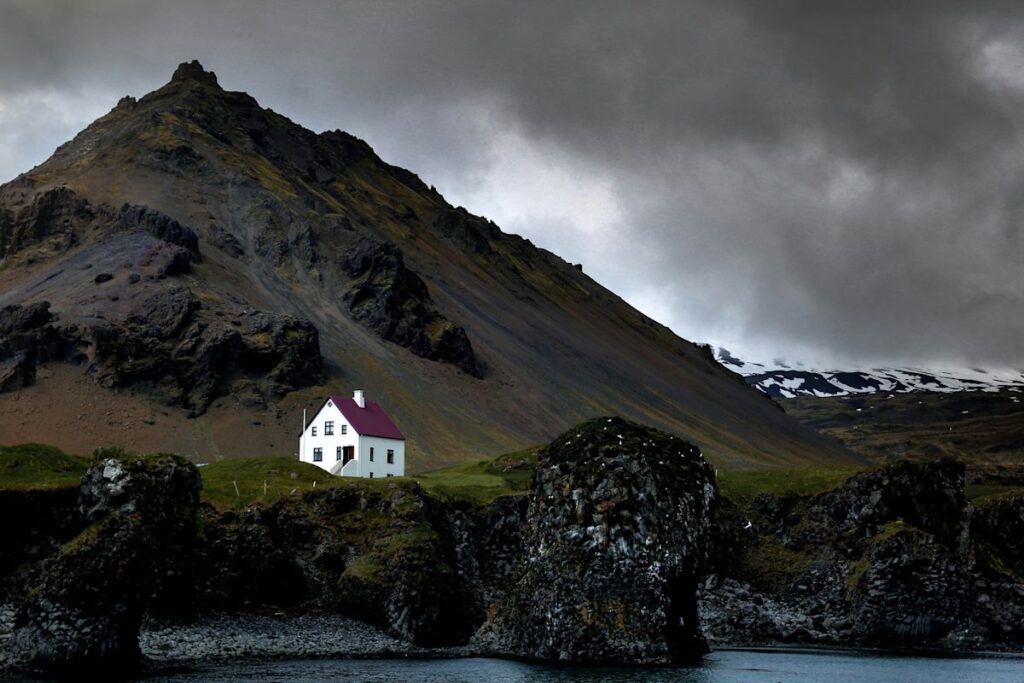
Remember when vacations meant squeezing everything into one week and coming home more exhausted than when you left? These days, retirees are rethinking those rushed getaways in favor of longer stays, fewer destinations, and more time to enjoy the little things. According to AARP’s 2026 travel research, meaningful experiences and getting good value remain important priorities for older travelers. From monthlong apartment rentals to leisurely road trips, these changing vacation traditions show why slowing down might be the most enjoyable way to see the world.
Replacing Seven-Day Vacations With Two- or Three-Week Stays
Pichsakul Promrungsee / iStockphoto
For years, the standard vacation meant using five days of paid time off, adding two weekends, and trying to squeeze in as much as possible. Retirement removes that particular deadline. Instead of spending seven days rushing around Italy or the California coast, travelers can stretch the same destination into two or three weeks. That leaves time for rest days, neighborhood walks, and unexpected discoveries. Longer trips aren’t necessarily cheaper overall, but comparing weekly lodging rates and reducing the number of flights can help manage expenses.
Trading Multi-City Itineraries for One Comfortable Home Base
Packing a suitcase every other morning gets old quickly, especially when each hotel change involves checking out, finding transportation, and getting settled again. Some retirees are replacing whirlwind itineraries with one comfortable home base. A rental in Florence, for example, can provide access to nearby Tuscan towns without requiring a different hotel every night. Staying put also makes grocery shopping and laundry easier. The key is choosing somewhere with convenient transportation, since a poorly located rental can turn every outing into an expensive journey.
Retirees Replace Daily Sightseeing Marathons With One Major Activity
Remember vacations that started at sunrise and ended with aching feet after four museums, three monuments, and a rushed dinner? Longer trips make that schedule less necessary. Instead of racing through every attraction, retirees can spend a morning at one museum, enjoy a leisurely lunch, and leave the afternoon open. It’s easier to appreciate a historic neighborhood when you’re not constantly checking the time. Popular attractions may still require advance reservations, but there’s no reason to fill every remaining hour with another ticketed activity.
Trading Expensive Resort Weeks for Monthlong Apartment Rentals
PeopleImages / iStockphoto
Advertisement
Advertisement
A week at a resort can be wonderful, but eating every meal at a restaurant and paying nightly hotel rates can add up. Some retirees are trying furnished apartments for several weeks instead, particularly in destinations where they want to settle into a routine. Having a kitchen makes breakfast and occasional home-cooked dinners more practical, while laundry facilities can mean packing less. Monthly discounts aren’t guaranteed, though. Cleaning fees, utilities, deposits, transportation, and cancellation policies all deserve a close look before committing to a longer rental.
Replacing Back-to-Back Attractions With Completely Unplanned Days
Goodboy Picture Company / iStockphoto
Not every vacation day needs an itinerary. One of the pleasures of traveling longer is waking up without tickets, reservations, or a list of places you absolutely must see. Retirees can spend an afternoon reading beside the water, return to a favorite cafe, or explore a neighborhood they noticed earlier in the trip. Unplanned days also provide breathing room when the weather turns unpleasant or an outing becomes tiring. The trick is booking truly popular attractions ahead while resisting the urge to schedule everything else.
Trading Quick International Tours for Extended Cultural Experiences
Alberto van Herckenrode / iStockphoto
Those tours promising six countries in ten days can cover impressive ground, but they often leave little time to experience everyday life. Retirees with more flexible schedules can spend several weeks exploring one region instead. That might mean visiting neighborhood markets in Portugal, taking cooking classes in Italy, or returning to the same French bakery each morning. Longer international stays require additional planning, however. Visa limits, travel insurance, medication supplies, and access to healthcare should all be checked before booking, especially when a trip stretches beyond a few weeks.
Replacing Rushed Restaurant Reservations With Everyday Local Dining
PixelsEffect / iStockphoto
Short vacations can turn every meal into another must-do attraction, complete with hard-to-get reservations and expensive tasting menus. With more time in one place, retirees can explore neighborhood bakeries, casual lunch spots, and markets without feeling they’re missing out. A simple meal at a family-run restaurant might become a favorite memory, especially when there’s time to return. Eating locally doesn’t automatically mean eating cheaply, though. Checking posted menus, avoiding restaurants with unclear prices, and preparing some meals at home can help keep food spending reasonable.
Trading Interstate Road-Trip Marathons for Shorter Driving Days
Advertisement
Advertisement
Long road trips used to mean covering as many miles as possible before vacation time ran out. Retirees can approach the open road differently, spending fewer hours behind the wheel and allowing more time for interesting stops. Instead of driving straight through several states, they might stay overnight in a historic town, explore a scenic byway, or spend an extra day near a national park. Shorter driving days can also make avoiding nighttime travel easier. The trade-off is additional lodging and meal expenses along the way.
Replacing Peak-Summer Trips With Extended Shoulder-Season Vacations
monkeybusinessimages / iStockphoto
When vacations had to fit around school calendars and workplace schedules, summer often seemed like the only option. Retirement opens the door to traveling in spring or fall, when some destinations have fewer visitors and more attractive accommodation rates. A September beach trip or an October mountain getaway can offer a different experience from the peak-season rush. Weather isn’t always cooperative, however, and seasonal restaurants, ferries, and attractions may operate on reduced schedules. Checking what’s actually open matters even more when planning to stay several weeks.
Trading One-Time Visits for Returning to a Favorite Destination
Xavier Lorenzo / iStockphoto
There’s something comforting about arriving somewhere and already knowing the good bakery, the easiest walking route, and the restaurant that serves your favorite breakfast. Rather than choosing a completely new destination every year, some retirees return to places they enjoyed before. Familiarity can make planning easier and create opportunities to get to know local shopkeepers or neighbors. It also removes some of the pressure to see everything at once. Before committing to a monthlong return visit, though, consider whether the destination still offers enough to enjoy.
Replacing Short Winter Escapes With Seasonal Snowbird Living
Allna Rosanova / iStockphoto
Instead of escaping the cold for one hurried week, some retirees spend a substantial part of winter somewhere warmer. Florida, Arizona, and parts of the Southwest have long attracted seasonal visitors who prefer mild weather and familiar routines. Staying for several weeks or months allows time for walking groups, community activities, and regular visits to favorite local spots. But snowbird living comes with expenses that a short vacation doesn’t. Maintaining two households, arranging healthcare, and paying for seasonal accommodation can make the lifestyle costly without careful budgeting.
Trading Packed Bucket-List Vacations for Trips Built Around Personal Interests
JLco Ana Suanes / iStockphoto
Advertisement
Advertisement
Seeing famous landmarks can be exciting, but retirement travel doesn’t have to revolve around checking places off a list. Some retirees are planning longer trips around activities they already love, whether that’s birdwatching, photography, genealogy, gardening, or learning regional cooking techniques. A history enthusiast might spend two weeks exploring Civil War sites, while a nature lover could follow seasonal wildlife migrations. These trips can feel more personal than a packed sightseeing itinerary. The important thing is choosing activities that fit your interests, abilities, and budget rather than someone else’s travel checklist.
Source link