

“Hearst Magazines and Yahoo may earn commission or revenue on some items through these links.”
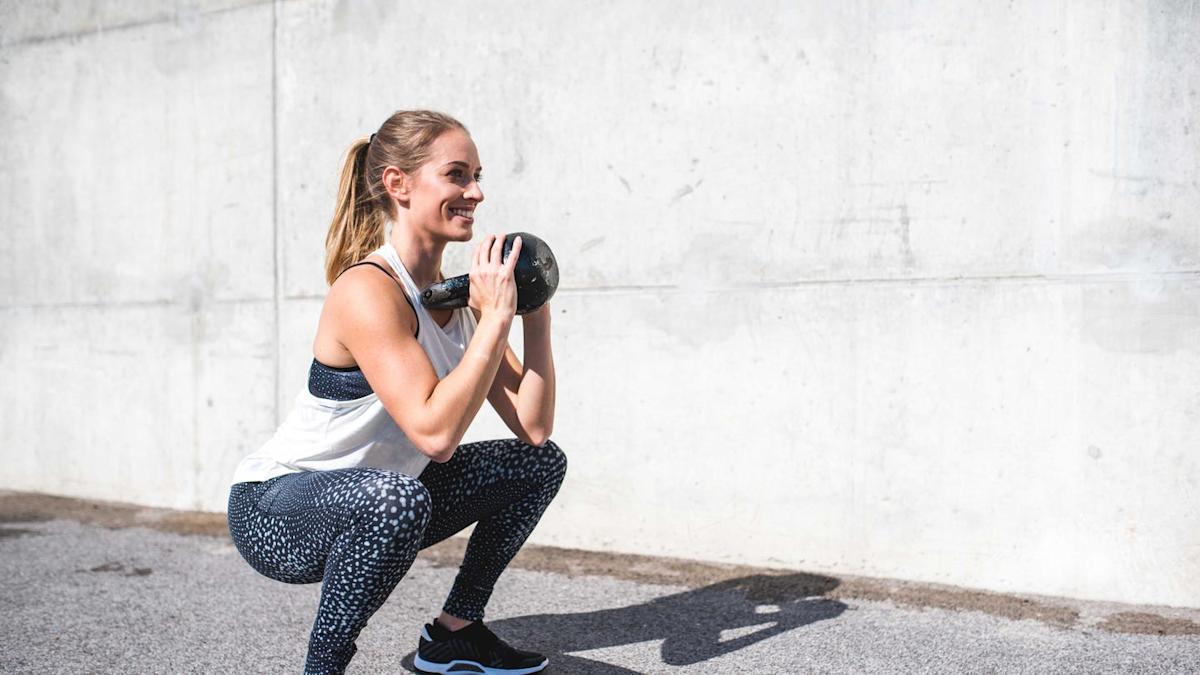
When you think of bulking, you may call to mind bodybuilders or power lifters, but that would only be part of the picture. While bulking does mean putting on muscle (in a nut shell), per Laura Girard, CPT, and it’s a method pretty much anyone can benefit from.
In fact, “we should all want to bulk,” at least to some degree, Girard says. “Building muscle is necessary if your goals are strength or general fitness. It’s one of the best investments we can make in terms of our long-term health.”
That said, bulking doesn’t necessarily come easy. Making serious muscle gains is hard work, says Asia Johnson, CPT. And it can take a considerable amount of time and effort.
Meet the experts: Laura Girard, NASM-CPT, is an online fitness and certified nutrition coach and founder of The Energy Academy. Jason Machowsky, CSCS, is an exercise physiologist and board-certified sports dietitian. Asia Johnson, CPT, is a Washington, D.C.-based certified personal trainer with experience in boxing and yoga. Katie Valdes, RD, is the assistant director for sports nutrition at the University of Southern California’s Department of Athletics. Rachel Trotta, CPT, is a fitness coach with specializations in women’s fitness, pre/postnatal, nutrition, and therapeutic exercise.
Ultimately, “your training output has to be consistent, intense, and focused,” in order to bulk, explains Rachel Trotta, CPT. Bulking also requires that folks implement proper nutrition, ensuring they’re eating enough carbohydrates and protein while they train, Trotta says.
So, curious about how to bulk effectively and want to decide whether the method is right for you? Below, experts explain what bulking is, how to bulk effectively and safely, and the key muscle-building tweak you might be missing in your routine.
Bulking For Beginners: 10 Tips For An Efficient Bulk
1. Follow a plan: “You need to have a plan so that you know exactly what you’re doing,” says Johnson. That clarity will help you stay consistent, less likely to get discouraged, and closer to hitting that goal. (Keep scrolling for a plan to try.)
2. Find your baseline weight and gradually increase: Progressive overload will help you slowly ramp things up. To do this, start lifting with a baseline weight that isn’t too easy but also not super challenging. Then, each week you should increase the weight and decrease your reps, advises Johnson. (More details in the workout plan below.)
3. Eat a balanced diet: You likely need to eat more calories than you’re used to in order to support new muscle growth and energize your workouts. Eating more protein, especially, will help grow and repair your muscles, says Johnson. (See all the bulking nutrition deets below.)
4. Stay consistent: When it comes to your workout plan, staying disciplined will get you the results you’re looking for. Johnson notes that building muscle has to be done with intention, and you need to hold yourself accountable to make progress.
5. Avoid too much cardio: Overdoing it on cardio can hinder your muscle growth. “You definitely don’t want to focus on cardio, but you also don’t want to neglect it,” says Johnson. For example, hopping on the stair master or doing sled pushes for 10 to 15 minutes at the end of your workout is a good way to add in the heart-healthy movement.
6. Honor your rest days: If you feel inclined to skip your rest days, just know that you could be holding yourself back from gains. “Your muscles break down during your workouts and repair themselves while you’re sleeping and between sessions,” says Johnson. “So if you’re not getting rest, you’re hindering your growth.”
7. Stay hydrated: In addition to all the other benefits, hydrating properly will help replenish your muscles. “I always recommend drinking half your body weight in ounces of water,” says Johnson.
8. Mind your technique: Since you’ll be increasing your weights over time, you also want to make sure that you can maintain your form to help you avoid injuries.
9. Track your progress: You can do this by recording how heavy your weights are, taking pictures and measurements, or noting how your clothes fit each week.
10. Be patient: The hard truth is there is no quick trick to bulk up. With a little bit of patience, you’ll have an easier time setting realistic goals and expectations for yourself, says Johnson.
Bulking Nutrition Plan
You know what they say about abs being made in the kitchen? The saying could be that all muscle is largely influenced by what you eat.
Here’s how to plan your caloric and protein intake during your bulking period, according to Katie Valdes, RD, assistant director for sports nutrition at the University of Southern California’s Department of Athletics.
-
Aim for a 300- to 400-calorie surplus above your regular calorie consumption. “You should be consuming more calories than you are burning in order to put on mass,” says Valdes. It might be helpful to track how much you’re eating, on average, per week before starting a bulk, then add onto that. “Muscle gains will not occur without being in a calorie surplus even if correct macros are being met,” Valdes points out. Apps like MyFitnessPal and My Macros+ are great tools to track nutrients in foods and how much you’re consuming.
-
Consume at least 1.2 to 2 grams of protein per day per kilogram of bodyweight. “For example, a 150-pound athlete would weigh 68.2 kilograms and have protein goals ranging from 80 to 135 grams per day,” Valdes says. During bulking and aiming for adding lean muscle, you’d want to shoot for the high end of the range.
-
Hit your (other) macros. The exact ratio of protein to carbs to fat will vary based on each individual, with some experts recommending macros of 25 percent protein, 25 percent fat, and 50 percent carbohydrates and others suggesting higher protein, specifically. It may take some trial and error to figure out what works best for your goals.
-
Space out protein intake. “Athletes should space out protein throughout the day with each meal or snack containing around 20 to 40 grams of protein,” Valdes recommends. Consuming large amounts of protein at once can often lead to stomach discomfort.
-
Eat protein within 30 minutes of strength training. “Protein should be emphasized within 30 minutes post training and should be paired with a carbohydrate in a 3:1 ratio of carbohydrates to protein in order to optimize muscle synthesis and recovery,” Valdes says. She recommends a food like chocolate milk with 30 grams of carbohydrates and 10 grams of protein.
-
Nibble on a quick (but protein-packed) snack before bedtime. “Another way to meet protein goals could be consuming 25 to 40 grams of protein before bed to stimulate repair of tissue as opposed to tissue breakdown during sleep,” Valdes says. “Some evening snack examples could be hard boiled eggs, cottage cheese, Greek yogurt, or a protein shake.”
Pro tip: Don’t feel as though you need a diet overhaul during a bulk—just continuously feed yourself foods and snacks throughout the day that are high in carbohydrates and protein.
Bulking Workout Routine
The other key component of bulking is strength training, of course. Here, Jason Machowsky, CSCS, exercise physiologist, and board-certified sports dietitian, walks through his top tips for anyone on a bulk:
-
Train the major muscle groups (chest, back, legs, arms, shoulders, core) at least three to four times per week. “These can either be done as full-body workouts or as splits,” he says. “If you’re doing splits, you’ll likely be lifting four days per week to get all of the muscles versus full-body sessions that can be done in three days.” (FYI: Splits are training sessions divided into both upper- and lower-body moves, or both push exercises and pull exercises.)
-
Complete 10 working sets per muscle group per week (split up into different sessions) with eight to 15 reps per set. “You can do higher and lower rep sets as long as you go to reasonable amounts of fatigue,” Machowsky says.
-
Transition from heavier to lighter loads over time or alternate between rep counts. This variation can offset overtraining syndrome, per information published in the International Journal of Sports Physical Therapy.
-
Prioritize heavy compound lifts. These include squats, deadlifts, and bench presses.
-
Pepper in other basic, but impactful, strength exercises. Moves like push-ups, dumbbell rows, overhead presses, lunges and/or step-ups, core work (like planks), biceps curls, and triceps dips are all on Machowsky’s list. (In other words, don’t feel like you need to reinvent the wheel at the gym to see gains.)
-
Give yourself time to rest. Don’t neglect recovery when it comes to adding muscle mass. “Rest between 24 to 48 hours when working the same muscle group,” Girard says. “We want to focus on creating controlled muscular fatigue to get those adaptations while minimizing systemic fatigue, or that full-body tired you get after a particularly hard session.”
How Bulking Works
Let’s back up and dive more into the science of bulking which consists of two parts: resistance training and fueling—both done in abundance, says Machowsky.
“First, you need a stimulus for muscular development, which is usually resistance or strength training,” Machowsky says. “Bulking then involves eating adequate protein, extra carbohydrates, and extra calories to provide your body with the additional fuel required to build more muscle via protein synthesis. The protein is the ‘building blocks’ and the extra calories and carbs are the fuel your body needs to use to do the building.”
“Our bodies are constantly breaking down proteins into amino acids to build up tissues in the body,” Girard adds. “The breaking down (catabolic) and building up (anabolic) processes are always happening at the same time, so if we want to build muscle, we want to perform activities that support the anabolic process, like resistance training, eating enough, and getting adequate sleep.”
Muscle growth takes place during recovery periods (so, going hard in the gym and eating won’t necessarily fuel the bulk alone), per Girard. And, surprise, surprise: Much of that recovery takes place during sleep. Exercisers who receive fewer than six hours of sleep per night have less strength than those who get seven or more hours of sleep nightly, per a 2017 Chinese study from the Journal of Musculoskeletal and Neuronal Interactions.
How long does it take to bulk up?
How long it takes for a person to bulk up (in other words, see muscle growth) is largely dependent on how fast their metabolism is and how many extra calories and grams of protein they’re adding to their diet, per Machowsky.
If you train hard and consume foods carefully, seeing weight gain in lean muscle mass of o.5 to 1 pound per week is ideal, he notes. “People should start to notice some changes within four to six weeks.”
There are a lot of variables in the mix beyond training and fueling that can impact timing. Keep in mind that muscle growth is based on a wide swath of factors, including your age, hormone levels, and metabolism. And, in addition to genetics, certain health conditions and hormonal disorders have been found to affect a person’s metabolism. (So, don’t think of the timeframe above as set in stone.)
That said, beginners should expect to see muscle growth faster than a seasoned bodybuilder or longtime weight room regular, Girard notes. “You’ll see this referred to as ‘newbie gains,’” she adds. “They tend to taper off after about a year of training. The more advanced you become, the longer it will take to gain noticeable amounts of muscle.”
Is there an ideal length for a bulking period?
Unless you’re a competitive athlete, there’s not really a must-adhere to timeline, says Machowsky. “Most training phases last six to 12 weeks, though there’s no hard and fast rule about how long you need to spend bulking,” he says.
Bodybuilders often bulk during their off-seasons from competing, as the sport requires them to have very little body fat at the time of a competition. For everyone else, you’re free to schedule your bulking when it works for you!
Who Should Bulk—And How To Measure Success
Putting on muscle mass is in everyone’s best interest, experts agree. Asking yourself why you’re wanting to bulk in the first place is important, though, says Machowsky. That’s what helps you determine success and progress along the way.
Key questions Machowsky says to ask yourself are: Is it for strength in the weight room? Sports performance? Physique? Overall health? “I would suggest choosing two to three markers of success independent of weight,” he says. Then, focus on those when you’re looking for results.
For example, he notes that a marker of success might be the weight you’re able to lift during your bulking period, your speed or sport performance, or your body composition. Sticking to one, or multiple, measurements can help you track success.
If your goal is to compete or train specifically for a sport like bodybuilding where you need to lose the “bulk weight” quickly, enlisting the help of a certified sports nutritionist and trainer is crucial. Putting on muscle mass is typically safe for everyone, but quickly shedding weight (or cutting) after a period of muscle mass gain can be dangerous without expert guidance.
Supplements For Bulking
If you’re struggling to hit your nutrition targets from real food, you might beeline for the supplements aisle. However, Valdes urges exercisers to proceed with caution. “We want to prioritize a food-first approach, as supplements are not a replacement for eating whole foods,” she says.
That said, protein powder and creatine are both supplements that can help facilitate muscle growth, per Valdes. Again, they don’t spur muscle growth necessarily any better than whole foods could—it might just make hitting your macros easier to do.
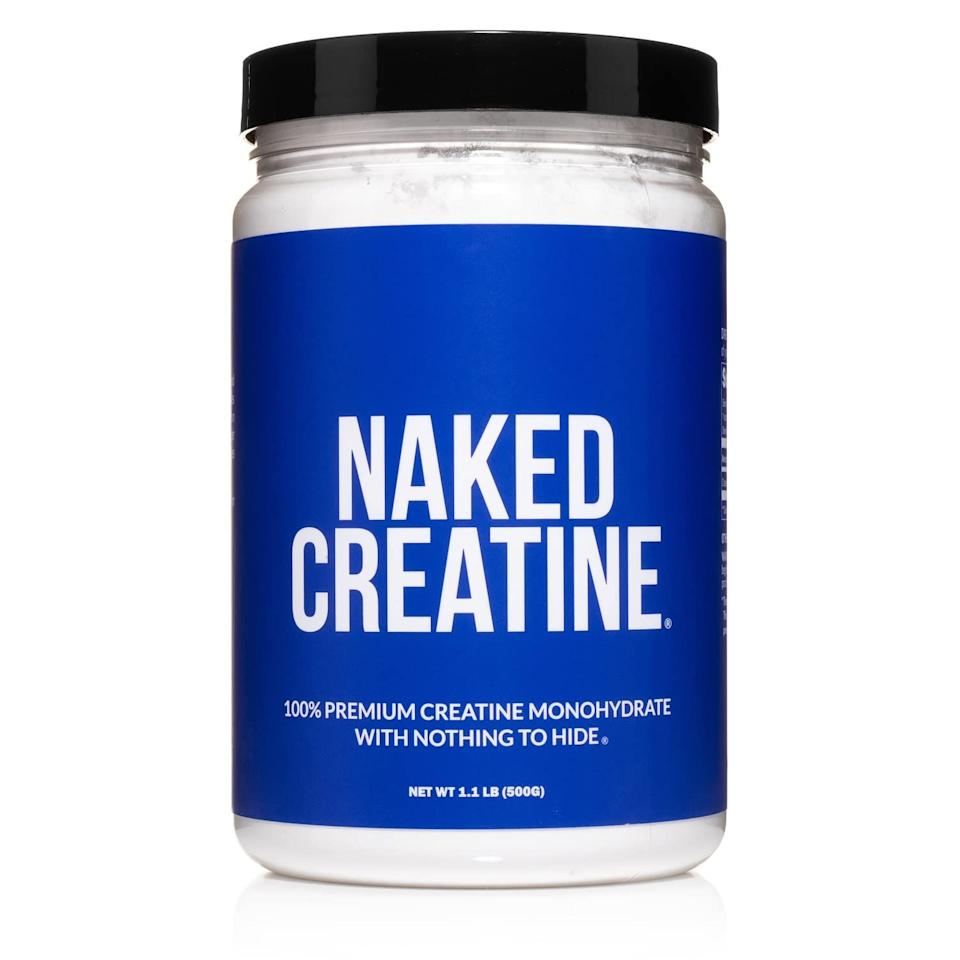
Naked Creatine
If bulking is your goal, you may want to add creatine to your daily routine, Trotta says. “It’s a long-term supplement, like a vitamin, that helps to improve power and performance during workouts,” and minimizes your recovery time. Around three to five grams per day mixed into your water is ideal for most women, Trotta says. A bonus? This one rapidly absorbs and has over 11,000 positive reviews on Amazon.
Amazon Prime
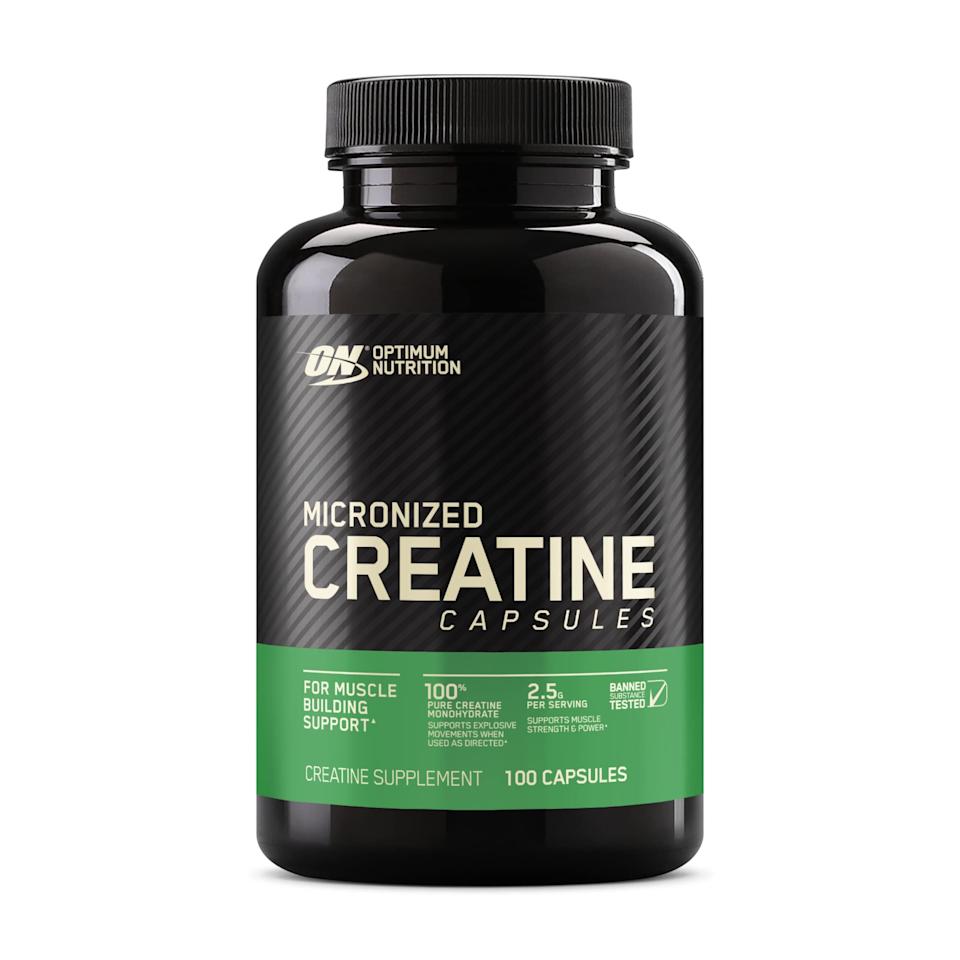
Micronized Creatine Capsules
If you’re not into using powdered creatine in your water (though it is usually pretty flavorless), that’s fine. You can also take capsules like you would any other nutrition supplement. Just make sure you’re still sticking to that three to five grams as recommended by Trotta, which shouldn’t be hard since this one has just under a few grams per two-capsule serving. (And over 23,000 great reviews.)
Amazon Prime
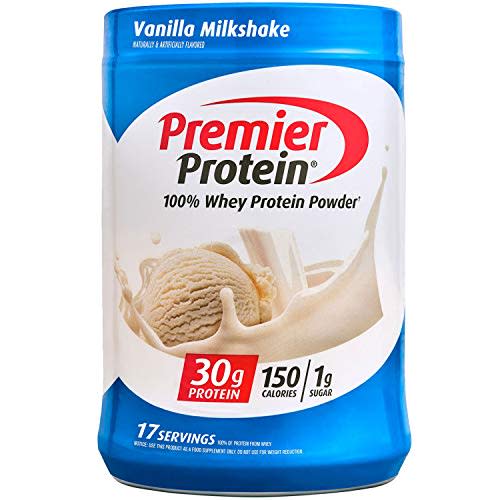
100% Whey Protein Powder
Everyone is different, but “for most women, aiming for about 25 to 40 grams of protein per meal is ideal,” Trotta says, and this option boasts a whopping 30 grams per scoop. Plus, it comes in a delicious vanilla flavor and over 54,000 positive reviews.
Amazon Prime
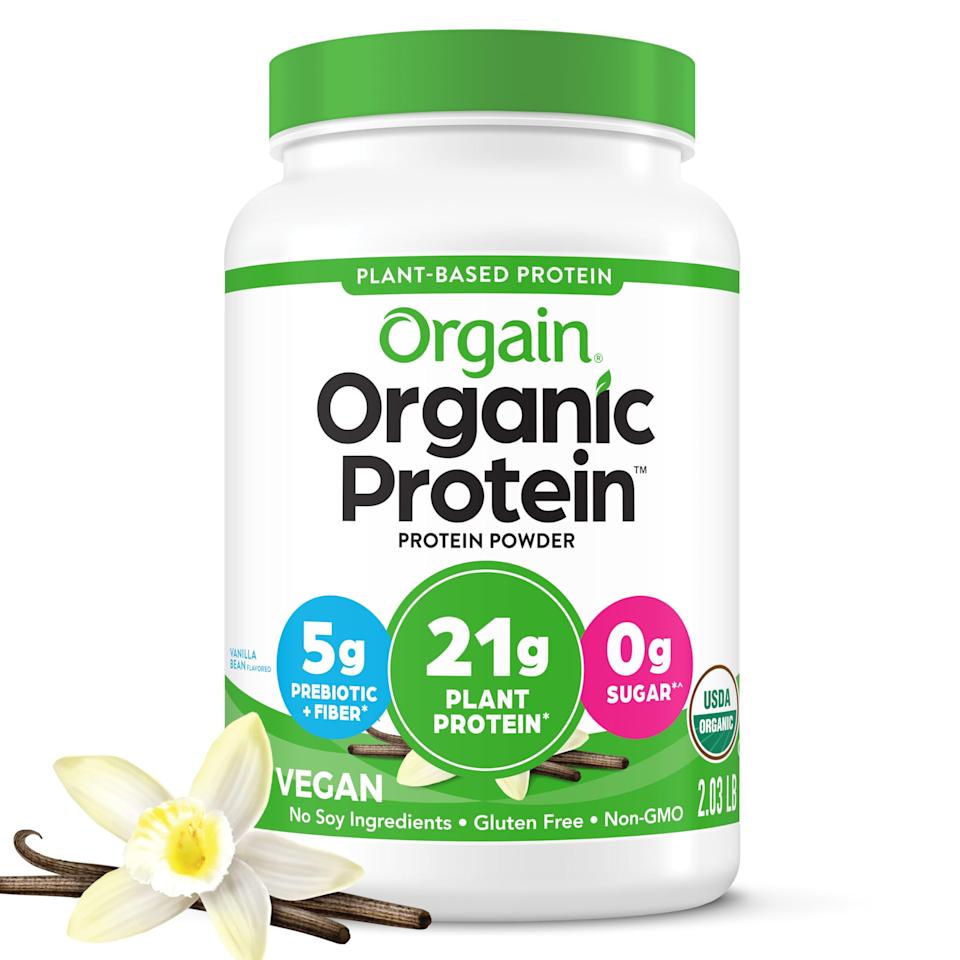
Organic Protein Powder
If you’re vegan or vegetarian, it’s especially important for you to actively ensure you get enough protein in your diet, since protein is an essential aspect of muscle gain and preservation, Trotta explains. But since whey protein is technically an animal byproduct, you’ll need to use an alternative powder like this, which contains around 21 grams of plant per scoop and contains zero grams of sugar. (Plus 63,000 positive reviews!)
Amazon Prime
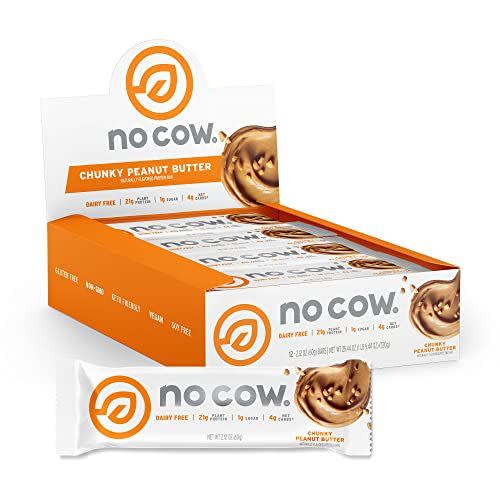
No Cow High Protein Bars, Chunky Peanut Butter
It’s both helpful and convenient for women to supplement their food intake with protein bars, Trotta explains. This one is vegan-friendly and has 20 grams of protein per bar, making it great for stashing in your gym or work bag for an extra boost. And yup, over 8,000 positive reviewers have proclaimed their love for the bar on Amazon.
What To Do After Bulking
Give yourself a pat on that very strong back, you did it! But, this can be just the beginning. Muscle growth can (and should) be a continuous journey, so long as you fuel yourself adequately. Try not to stop training entirely following a bulk, says Machowsky. “It’s a bit easier to maintain your gains than to build new mass, so you could reduce your overall training volume a bit [following a bulking period] if you need a break, but don’t stop all together.”
If you reduce the intensity of your training, yet continue to eat the same number of calories that fueled your bulk, it could lead to unintended weight gain, says Machowsky. He says you can fix that by reverting to the number of calories you were consuming prior to the bulk.
Keep in mind that cycles of bulking and cutting can potentially be harmful if you’re not a high-level athlete, per Girard. “We can all benefit from building muscle, and we should consider the many risk factors associated with weight cycling,” she says. “Hyper-focus on numbers can lead to a host of health problems, both mental and physical.”
Bottom line: Everyone can benefit from bulking, or gaining muscle. The basics of a bulk include consuming enough protein and calories and hitting the weight room hard along with recovering with ample sleep.
You Might Also Like
-
Jennifer Garner Swears By This Retinol Eye Cream
-
These New Kicks Will Help You Smash Your Cross-Training Goals