


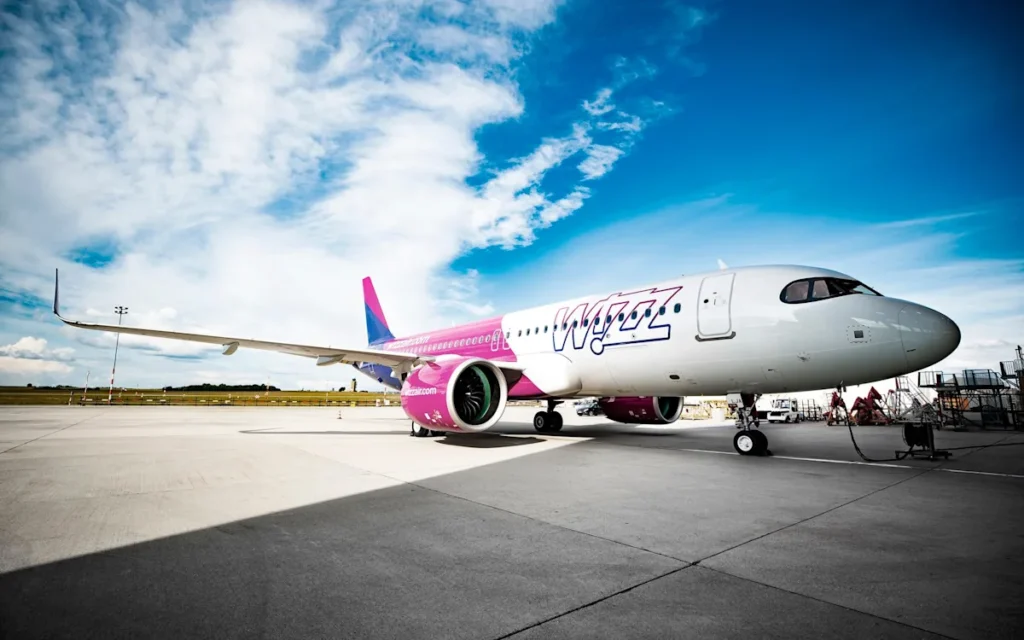
Hungarian no-frills airline Wizz Air isn’t for everyone: last year, Telegraph readers voted it their least-favourite short-haul airline (out of 23 contenders). And Wizz can hardly complain: at the time of the vote, it had been the UK’s least punctual airline for three years running.
That said, the airline does enjoy a cult following among a certain type of adventurous traveller who relishes the chance to go to far-flung destinations for the lowest price possible. And some of them like to travel as much as possible too.
To capitalise on the demand for frequent flights, the airline has relaunched its infamous “all-you-can-fly” subscription service. The unique package, which sold out last year during its first outing, is aimed at those travellers who are willing to pay an upfront fee in order to access unlimited Wizz flights for a whole year.
The golden ticket deal doesn’t have the best reputation: consumer experts focused on some of the drawbacks contained in the small print (not least the fact that you pay an extra charge when you actually use it), while environmentalists have raged against the premise of buying “unlimited” air travel. But has it improved since its inaugural outing?
The headline price (€499) is still the same, even if British travellers will pay slightly more (currently £438) than last year due to a gradual weakening of the pound. Given how much airline tickets have spiked in the past year, at least according to inflation figures, that freeze is clearly welcome.
As with the previous iteration of the scheme, there are still some big caveats in terms of whether you really have “unlimited flights”. None of these appear to have been softened or scrapped since the last time Wizz Air launched the deal.
For a start, there’s the aforementioned reservation fee, which means that you have to pay €9.99 (or £8.50) every time you want to fly. That might not sound like much, but you have to factor in that Wizz Air flights aren’t very expensive to begin with.
Prices will vary with demand, but when I checked short-notice fares for next week, I found several under £40 – including London to Vilnius for £27, London to Milan for £31, and London to Poznan for £33.
You can also only book flights that take off within the next 72 hours. That’s easy enough if you can get to London Luton at the drop of a hat, but what are you meant to do about your return flight? In reality, you’d be heading off on holiday without knowing when you were actually coming back.
You also need to keep your fingers crossed that there will be a seat available on your chosen flight, as Wizz only allows for a limited number of pass-holders to fly each time (similar to how BA rations Avios redemption seats).
What happens if there are no eligible seats left? Wizz’s current advice is that anyone in that situation can book a flight “using the regular booking process” – i.e. pay full price. That seems quite unfair when someone has already paid several times the ticket price to have privileged access.
One way to avoid that would be to book one of the more obscure destinations in the Wizz directory. Once upon a time, that wasn’t difficult, but the cancellation of the airline’s most eastern hub in Abu Dhabi has seen the end of some of the most interesting routes.
Still, there are still some destinations that should prove more interesting than the typical Ryanair fodder. Take these for example:
Skopje, North Macedonia
The rugged Balkan outpost of Skopje, the birthplace of Mother Teresa, was one of my first trips on Wizz Air back in 2013.
Since then, the country has updated its name (from FYROM, or Former Yugoslav Republic of Macedonia, to the much easier North Macedonia), but its charm remains unchanged.
Expect bustling open-air markets, fragrant street dining, and pretentious monuments to Alexander the Great, whose claimed Macedonian roots have triggered the most bitter of disputes with neighbouring Greece.

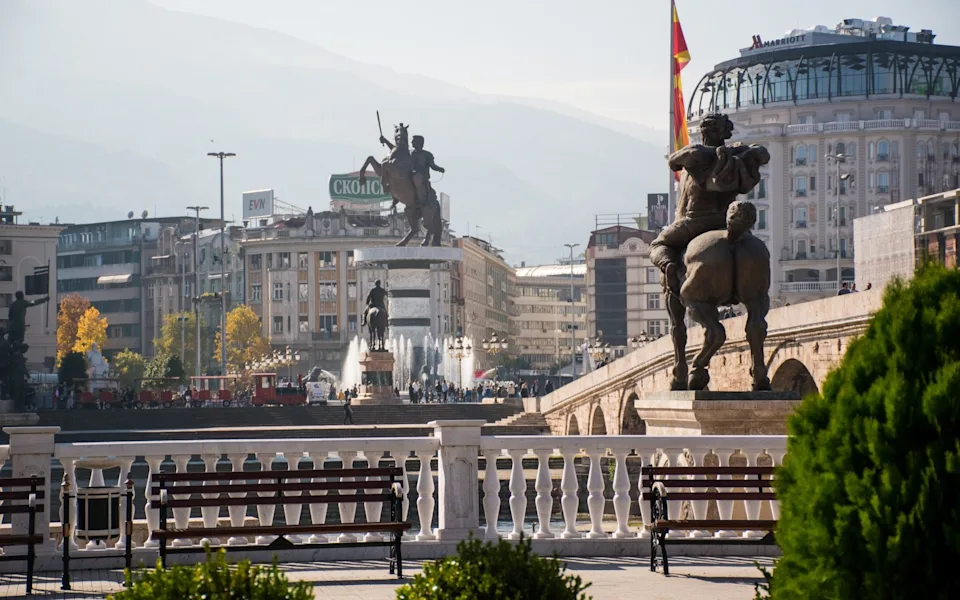
Subtle statuary in Skopje – Getty
Chisinau, Moldova
The former Soviet republic of Moldova holds the position of being the least-visited country in Europe. Is it really that bad? I’d be the first to argue otherwise.
Moldova lacks the majestic landscapes of its bigger sibling Romania, but it is blessed with good wine, ancient fortresses, and an intriguing clash of romantic and Soviet architecture.
It also contains the pro-Russian puppet state known as Pridnestrovie, or Transnistria, which has long fascinated travellers of a certain bent. I suspect it all feels a bit sadder, though, after all of the bloodshed in neighbouring Ukraine.
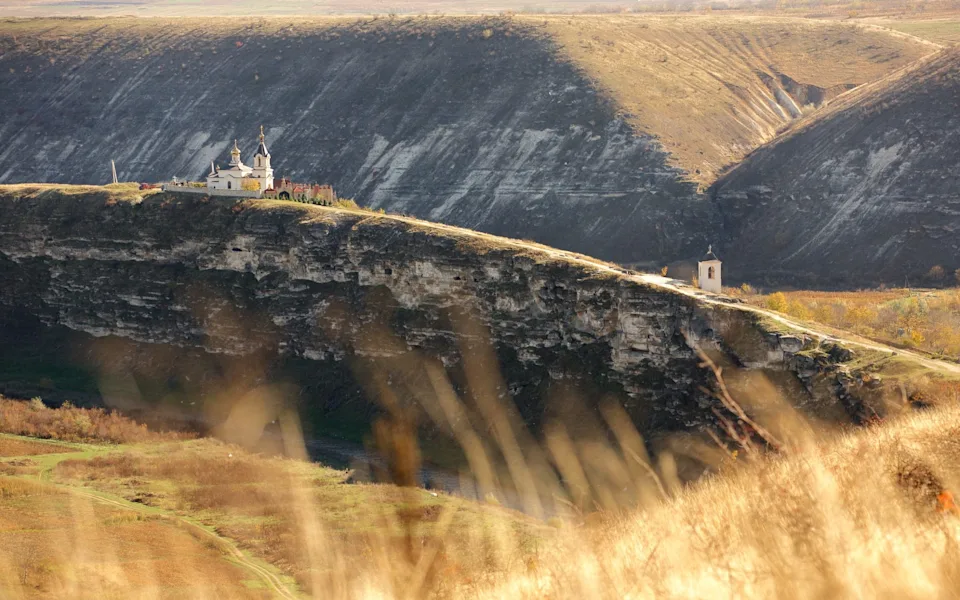
Moldova is a land of surprising beauty – Getty
Pristina, Kosovo
The capital of Kosovo – the plucky Muslim republic that emerged from the latter era of the Yugoslav wars – was one of the destinations that made me fall in love with Wizz Air as a cash-strapped traveller in the 2010s.
Nestled in the hills of central Kosovo, Pristina is a surprisingly lively city full of ramshackle architecture, thriving street markets, and late-night bars – helped by the fact that the country has the youngest population in Europe.
The youthful demographics stem from a baby boom that followed Kosovo’s successful war of independence in the early 2000s.
It isn’t the only way that recent history has left its mark on the city. Political types will relish the novelty of walking down a massive boulevard named after George W. Bush, hailed as a hero for having overseen the US response.
Though the adoration of Dubya is nothing compared to that for Tony Blair. Not only does our prime minister have his own statue, but there is also a fad for naming male babies after him, hence the local name of “Tonibler”.
Baku, Azerbaijan
How many cities have a Formula 1 Grand Prix and a budget airline route? The oil-rich capital of Azerbaijan certainly meets those criteria, being one of the most eastern routes offered by Wizz Air since the vast majority of the Gulf and Central Asian routes disappeared from the map.
Is there actually anything to see there? In general, the city is the usual bewitching mix of new and old that you often find in the former Soviet states. Head to the old city to see the enchanting Palace of the Shirvanshahs – a 15th-century complex built by Baku’s former Persian rulers – or saunter to the coast to witness Azerbaijan’s Eternal Flame: a constantly burning torch erected by the current rulers in honour of the country’s energy industry.
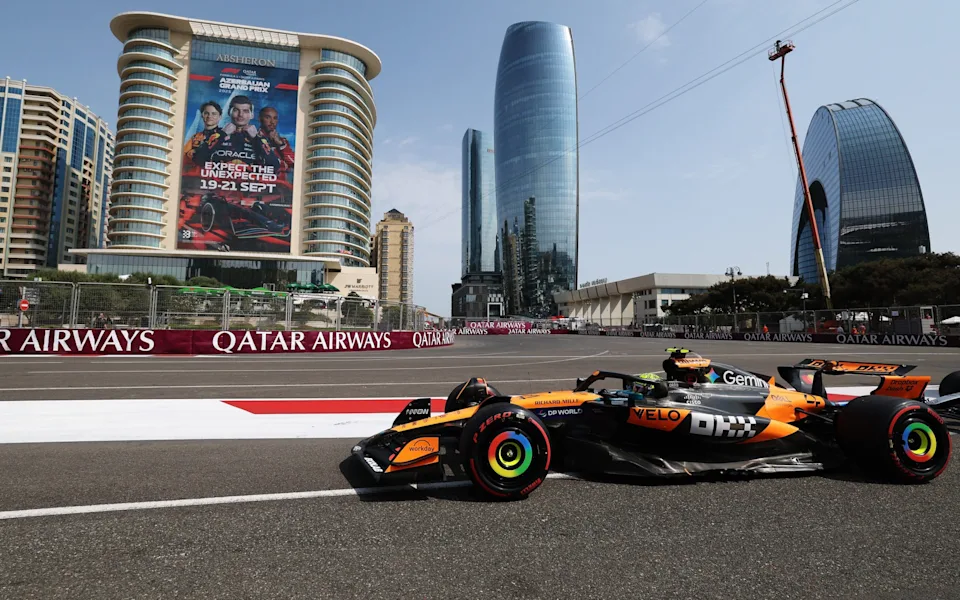
The F1 Grand Prix in Baku – Getty
Given the flood of foreign interest that comes from having massive oil and gas reserves, you won’t struggle to find a decent hotel in Baku. The city boasts a spread of five-star properties, including a Ritz-Carlton and a Four Seasons. Outside of F1 weekend, the prices should be highly competitive.
Yerevan, Armenia
The capital of the ancient nation of Armenia, Yerevan doesn’t make the typical shortlist for summer holidays. But the Caucasus republic is tipped as a hidden gem by those in the know, partly due to its fascinating cultural heritage.
Indeed it’s a shame Wizz Air hadn’t launched the route when I visited in 2019. On that occasion, I had to fly with the Russian carrier Aeroflot, whose service makes Wizz seem like Pan Am by comparison.
This article was first published in August 2024 and has been revised and updated.
Try full access to The Telegraph free today. Unlock their award-winning website and essential news app, plus useful tools and expert guides for your money, health and holidays.