

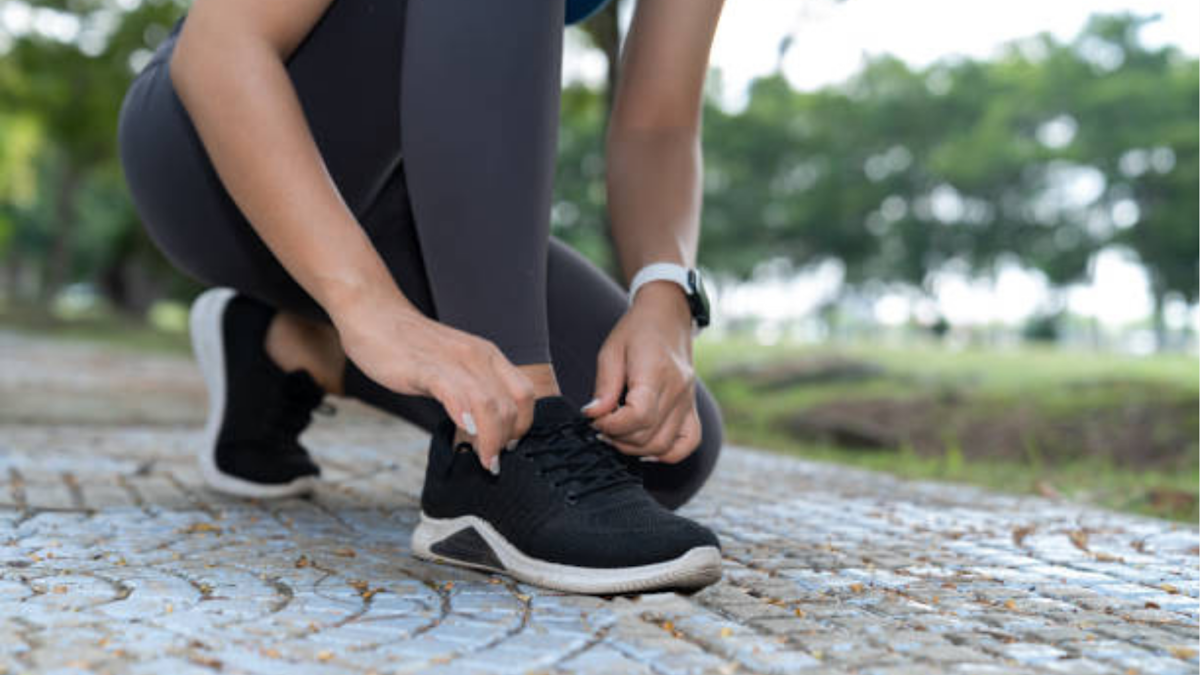
We hate to break it to you, but your walking shoes aren’t meant for running. (Getty Images)
Nancy Sinatra was on to something when she sang, “These boots are made for walkin’.” After all, not every shoe is made for the job. While many of us treat athletic footwear as all-purpose, taking a standard pair of walking shoes from the gym to the basketball court to the sidewalk … not to mention using the same sneaks for running everyday errands — experts say choosing the right shoes for walking versus running is key to preventing injuries over the long haul.
“Running and walking may seem similar, but they stress the feet in very different ways,” says Dr. Nikhil Boga, a podiatrist with Bay Area Foot Care. “Shoes are tools, and different jobs require different tools.”
If you’re guilty of wearing the same pair for every activity, you’re not alone — but it may be time for a change. I spoke with four podiatrists — and leaned on my experience as a certified personal trainer — to break down the differences between walking and running shoes, why they matter and how to choose the right pair based on your needs.
Walking vs. running shoes: What’s the difference?
Walking and running shoes may look similar, but they’re built for different movement patterns and levels of impact.
“When you walk, you typically move heel to toe, with the foot staying in contact with the ground longer. The forces are lower but more sustained,” Boga explains. “When you run, foot strike can vary and includes a brief flight phase. Because these mechanics differ, footwear needs to manage different loading patterns.”
Here are a few key differences between walking and running shoes:
-
Flexibility: According to Dr. Bobby Pourziaee, a board-certified foot and ankle surgeon, walking shoes tend to be more flexible through the forefoot to allow a smooth heel-to-toe transition. Running shoes are often stiffer through the midfoot to provide stability at higher speeds.
-
Cushioning: Running shoes typically offer more cushioning to absorb higher-impact forces.
-
Heel-to-toe drop: “Running shoes generally have a higher heel-to-toe drop to help absorb heel strike and reduce stress on the rear foot and Achilles,” says Dr. Jason Spector, a board-certified, fellowship-trained podiatrist. “Walking shoes usually have a lower or more moderate drop because the impact forces are lower.”
-
Durability: Spector notes that running shoes are designed for repetitive, high-impact loading and forward motion, while walking shoes are built for longer wear time, slower cadence and everyday durability.
Does it actually matter which one you wear?
Unfortunately for your wallet, yes — it does, especially for runners. Those design differences aren’t just technical; they affect how your body absorbs impact and moves with each step. Wearing activity-specific footwear can help reduce fatigue and lower your risk of injury over time.
While it’s generally fine to walk in running shoes, the reverse isn’t true. Running involves a flight phase and significantly higher impact forces than walking, placing more stress on the feet, ankles, knees and hips.
“Using walking shoes for running isn’t recommended, since they typically lack the cushioning and structural support needed to handle repetitive, high-impact forces,” says Pourziaee.
“Running places substantially more force on the feet, ankles, knees and hips,” he adds. “Wearing the wrong footwear — especially while running — can contribute to plantar fasciitis, shin splints, knee pain and Achilles tendon problems.”
There’s also a practical bonus: rotating separate pairs for different activities can help extend their lifespan, since each shoe accumulates less mileage.
What to look for when choosing walking and running shoes
“Running increases your body’s load to about two to three times your body weight with each step,” says Mikel Daniels, a podiatrist and president and chief medical officer at WeTreatFeet Podiatry. “Walking is closer to one to one-and-a-half times. That’s why manufacturers design these shoes differently.”
Because the forces — and mechanics — differ between walking and running, the features you prioritize should too. While comfort and individual gait always matter, here are some general guidelines to keep in mind.
Walking shoes
-
Minimal to firmer cushioning: Because walking produces lower forces and maintains constant ground contact, extra-soft cushioning isn’t always necessary — and can sometimes feel unstable. Daniels says firmer cushioning can help the foot roll more smoothly instead of bouncing.
-
Structure and stability: A supportive structure helps accommodate longer wear time and promotes a steady heel-to-toe transition.
-
Lower heel-to-toe drop: Shoes that sit closer to the ground may improve balance and control. “Putting a walker in a shoe with a big, soft heel and a tall drop can change how their heel strikes and rolls,” Daniels says. “That’s one reason I don’t love aggressive running heels for slower walkers.”
Related: The best walking gear
Running shoes
-
Impact-absorbing cushioning: Running shoes generally have more cushioning — especially in the heel and midsole — to help absorb higher impact forces. The ideal amount varies depending on your gait, mileage and personal preference.
-
Breathability and weight: Opt for lightweight materials and breathable uppers, since runners generate more heat and repetitive motion over longer distances.
-
Moderate heel-to-toe drop: Running shoes typically have a higher drop than walking shoes to help with shock absorption and forward propulsion. However, higher isn’t always better. A 2024 study in Frontiers in Sports and Activity Living found that runners in high-drop shoes may be less attuned to their natural foot strike pattern, which could increase injury risk. The key is choosing a drop that feels natural for your stride rather than chasing extremes.
Related: The best running gear
Don’t overlook fit
Regardless of category, the shoe should feel comfortable from the start, with enough room in the toe box to wiggle your toes, a secure midfoot and no heel slipping.
The best way to find the right pair is to have your foot and gait analyzed by a podiatrist or trained footwear specialist. Many specialty running stores also offer gait assessments to help guide your choice.
Walking shoes we like
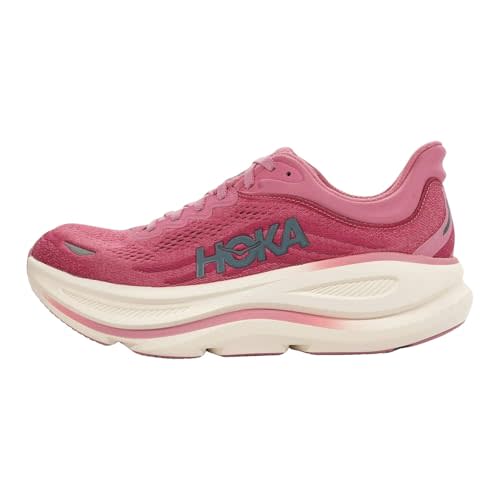
HOKA
Sizes: 7 to 16 (men’s); 4 to 12 (women’s) | Widths: Regular, wide and extra wide | Drop: 5 mm | Weight: 10.5 oz (men’s); 9.3 oz (women’s)
If you’re looking for substantial cushioning and long-lasting comfort, the Hoka Bondi 9 is a strong option. It’s especially popular among people who spend most of the day on their feet, thanks to its thick midsole and full rubber outsole that provides steady traction on a variety of surfaces. The supportive design helps reduce foot fatigue during extended wear.
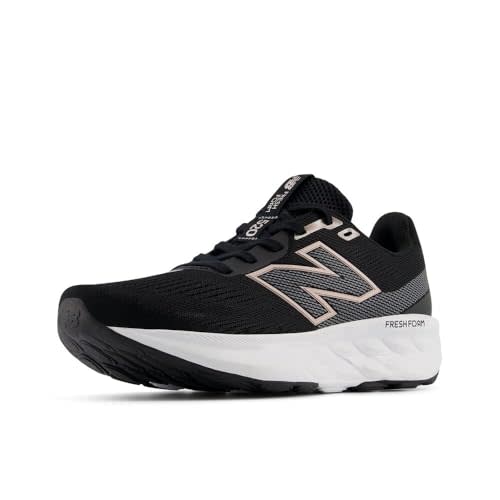
New Balance
Sizes: 7 to 15 (men’s); 5 to 13 (women’s) | Widths: Regular, wide, extra wide | Drop: 10 mm | Weight: 9.2 oz (men’s); 7.3 oz (women’s)
Although categorized as a running shoe, the New Balance Fresh Foam 520 V9 works well for walking. It doesn’t offer the responsiveness typically found in higher-performance running trainers, but that’s less important for everyday walks. Instead, it provides lightweight cushioning, breathable materials and a comfortable fit that suits errands or shorter outings.
This model does have a higher heel-to-toe drop, which some people may find aggravates knee or back discomfort. Still, for casual wear or short walks, it’s a practical and budget-friendly option.
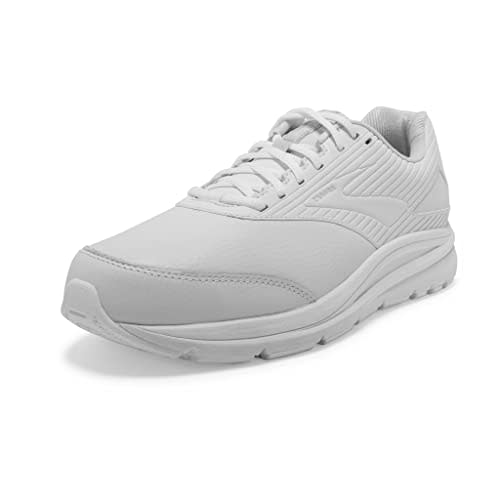
Brooks
Sizes: 7 to 15 (men’s); 5 to 12 (women’s) | Widths: Narrow, medium, wide, extra wide | Drop: 12 mm | Weight: 14.5 oz (men’s); 12.9 oz (women’s)
While it’s not the most stylish option, the Brooks Addiction Walker 2 is built for all-day comfort and stability. It stands out for its responsive cushioning and extended Progressive Diagonal Rollbar — a built-in support system designed to help control overpronation and keep the foot properly aligned.
It’s also a certified PDAC A5500 diabetic shoe, meaning it meets Medicare standards for protective footwear for people with diabetes, and it has earned the APMA (American Podiatric Medical Association) Seal of Acceptance, an award for footwear that promotes good foot health. Although it has a higher drop than a typical walking shoe, Boga says he recommends it for people who overpronate, as the added drop can help reduce strain on the medial arch.
Running shoes we like
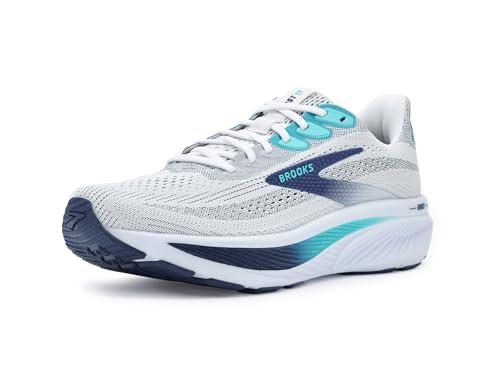
Brooks
Sizes: 7 to 15 (men’s); 5 to 13 (women’s) | Widths: Narrow, medium, wide and extra wide | Drop: 10 mm | Weight: 10.1 oz (men’s); 9.0 oz (women’s)
A solid starting point for new runners, the Ghost 17 offers balanced cushioning that helps absorb impact without feeling overly soft or unstable. It’s designed for runners with a neutral gait and provides a smooth, consistent ride that works well for building mileage gradually. Its straightforward design makes it an easy, low-risk choice for daily training runs.
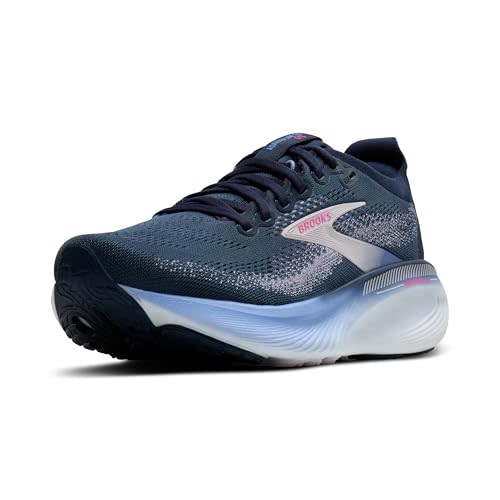
Brooks
Sizes: 7 to 15 (men’s); 5 to 13 (women’s) | Widths: Narrow, medium, wide and extra wide | Drop: 10 mm | Weight: 10.6 oz (men’s); 9.5 oz (women’s)
Daniels recommends this stability running shoe for everyday runners. The Brooks Adrenaline GTS 25 combines soft cushioning with a structured midsole to help keep the foot aligned during repetitive strides. Ideal for road running, it’s also a good option for runners who overpronate or need extra stability.
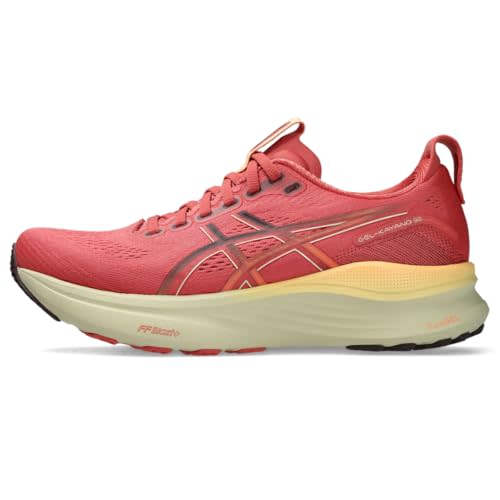
ASICS
Sizes: 6 to 15 (men’s); 5 to 13 (women’s) | Widths: Standard, wide and extra wide | Drop: 8 mm | Weight: 10.6 oz (men’s); 9.2 oz (women’s)
The Gel-Kayano 32 is a solid option for runners who need extra stability, particularly those who overpronate. It combines substantial cushioning with structured support to help guide the foot and reduce excess inward rolling during each stride. Despite its supportive build, it remains relatively lightweight and breathable, making it a comfortable option for everyday training and longer runs.
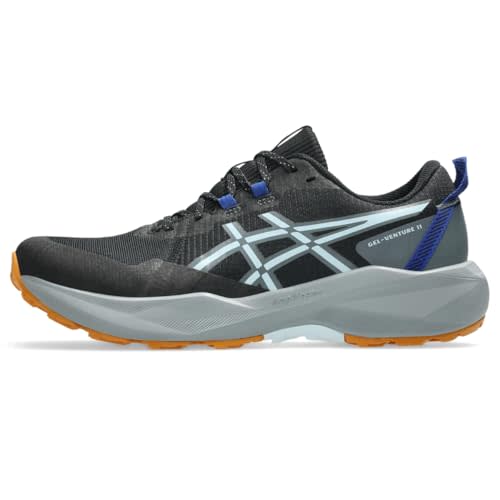
ASICS
Sizes: 7 to 15 (men’s); 5 to 12 (women’s) | Widths: Standard, wide | Drop: 10 mm | Weight: 11.5 oz (men’s); 11.1oz (women’s)
An affordable, entry-level trail shoe, the Gel-Venture 11 is designed for light to moderate trails like dirt paths, gravel and park terrain. It features a lugged outsole for added traction and provides enough cushioning to help absorb impact on uneven ground. These kicks are a practical option for beginner trail runners or those who split their time between road and trail.
Tip: You can get last year’s model, the Gel-Venture 10, on sale for $60 on ASIC’s website and Amazon.
FAQs
Can I use running shoes for daily use?
Yes, though there are some trade-offs to consider. “For walking or short runs, many people can use a single pair of shoes, especially if the running shoes are well-cushioned and stable,” Spector says. “But as mileage, pace or frequency increases, the differences become more important.” Also, keep in mind that the more often you use your running shoes, the sooner you’ll need to replace them.
Does heel drop matter for walking?
Yes. Running shoes typically have a higher heel-to-toe drop to aid shock absorption and forward motion. Walking shoes usually have a lower drop to support a more natural gait.
That said, there’s no single “best” heel drop for everyone. The right choice depends on your gait, comfort preferences, injury history and how the shoe feels during extended wear.
How often should you replace your running or walking shoes?
It varies by mileage, usage and wear patterns.
“For running shoes, I usually recommend replacing them every 250 to 500 miles,” Spector says. “For walkers who wear the same pair daily, a good rule of thumb is every six to nine months. Marathon runners may need new shoes every one to two months.”
He adds that new aches in the heels, arches or knees can be a sign it’s time for a replacement. “If those aches disappear in a newer pair, that’s your answer.”
Related: Best running socks
Meet our experts
-
Dr. Nikhil Boga, podiatrist at Bay Area Foot Care
-
Dr. Bobby Pourziaee, board-certified foot and ankle surgeon, known as “The High Heel Doctor”
-
Dr. Jason Spector, MS, AACFAS, board-certified, fellowship-trained podiatrist
-
Mikel Daniels, podiatrist and president and chief medical officer, WeTreatFeet Podiatry
Our health content is for informational purposes only and is not intended as professional medical advice. Consult a medical professional on questions about your health.