


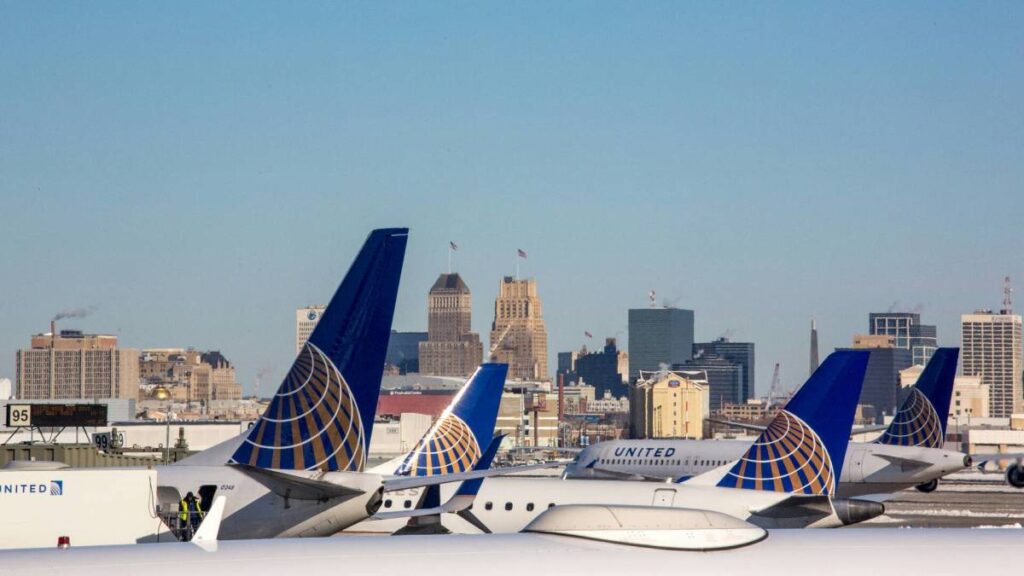
Travelers love a good twist, especially the kind that arrives wrapped in airline jargon and quietly reshapes the way we all move through the skies. United Airlines has delivered exactly that with its latest MileagePlus overhaul. Instead of one neat change, this update touches nearly every corner of the loyalty experience. It reaches into upgrade rules, shakes up award availability, and rewrites the strategy playbook for anyone who cares about elite status.
For some loyal flyers, the news feels refreshing. There is a sense of possibility in the added flexibility and a chance to use points and perks in ways the old system never allowed. These travelers may end up with smoother rides and a few more opportunities to slip into those plush seats at the front of the cabin. Others, though, will feel a sting. The new structure makes certain rewards harder to anticipate, and what used to be straightforward now requires a bit more math, timing, and insider savvy. In other words, loyalty may cost more mental energy than it used to.
Yet the heart of the matter is not just what United has changed, but what travelers can do with those changes. Whether you are a mileage collector, a once a year vacationer, or a business traveler with a suitcase permanently half packed, the path forward will look different for everyone.
Subscribe to our newsletter and get awesome stories like this delivered straight to your inbox!

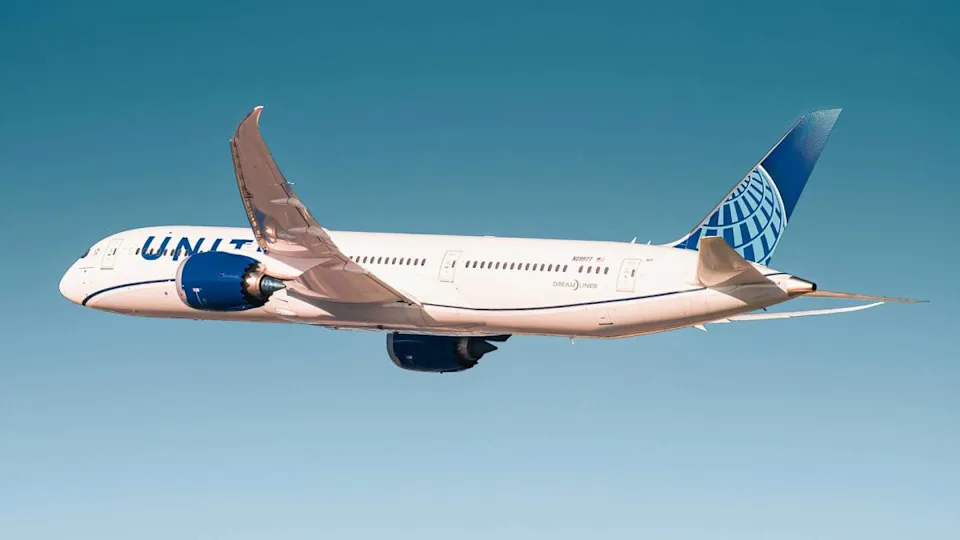
Photo by Arkin Si on Unsplash
Who wins and loses with the new MileagePlus policy
Travelers who fly often and spend heavily on United or Chase co branded credit cards get the biggest boost. Since PlusPoints can now be used on more types of tickets and since some elites receive improved access to saver level awards including Polaris Business Class, high engagement with the program now yields a more flexible set of benefits.
Credit card spending continues to help earn PQPs, which can lighten the load for road warriors who want status but are not thrilled about constant airport hopping. This is also a win for travelers who treat their United card like a daily spending tool.
Related: United Airlines thinks it has a new solution for jet lag
Occasional travelers will likely find upgrades harder to reach and award prices less predictable. With dynamic pricing taking over, upgrades during peak seasons could become significantly pricier. Travelers who used to rely on the fixed upgrade structure lose a reliable benchmark.
United has also removed some crowd favorites including the Excursionist Perk. That is a tough blow for creative award travelers who used to stretch miles into multi city adventures.
The biggest challenge for casual flyers is transparency. Without fixed pricing, every upgrade and award redemption becomes a guessing game. Some travelers may decide that chasing status does not feel worth the effort anymore.
How travelers can make MileagePlus work for them in 2026
-
Dynamic pricing rewards travelers who shop smart. Flying midweek or choosing routes with less demand can lower the number of miles or PlusPoints required for an upgrade. The more flexible you can be with timing, the better your odds of scoring a premium seat without draining your points. Guidance from flight experts suggests checking upgrade costs multiple times before booking because the prices can shift as departure gets closer.
-
United loyalty now heavily favors travelers who combine flying with consistent card spending. If you already charge a lot to a United or Chase card, you can collect PQPs and miles faster than airborne travelers alone. Still, it is wise to pace your spending. With dynamic upgrade pricing, PlusPoints could become more valuable and harder to stretch.
-
Treat your upgrade currency like cash. Accumulate it when it counts instead of burning through it on short flights or upgrades that do not improve your trip meaningfully.
-
MileagePlus is shifting toward rewarding high revenue behavior rather than pure flight activity. Travelers who only take a few trips a year, prefer award tickets, or want predictable pricing might find it smarter to stop chasing elite status. In some cases, spreading flights across multiple airlines based on price or convenience could deliver more value than a single loyalty commitment.
If United is your go to airline and you fly frequently, these changes can work in your favor. If not, it may be time to rethink what loyalty means for you.
Related: United Airlines launches new debit card for travelers on a tight budget
The bigger context for airline loyalty
United’s MileagePlus changes mirror a broader trend in the travel industry. Loyalty programs increasingly reward dollars spent instead of miles flown. For airlines, revenue matters more than raw passenger volume. For travelers, this reality encourages more strategic decision making. Elite status is no longer something you stumble into. It has become something you must plan for with a mix of flights, spending, and timing.
MileagePlus is now a more flexible program for some and a more expensive one for others. The smartest travelers will look closely at their patterns and decide whether they want to fully engage with the system, skirt its edges, or step away entirely.
Get the latest travel inspiration and news delivered straight to your inbox.
This story was originally published by TravelHost on Dec 10, 2025, where it first appeared in the Airlines section. Add TravelHost as a Preferred Source by clicking here.