A new study could change how doctors treat obesity in young children — but it’s also raising questions about their long-term health.
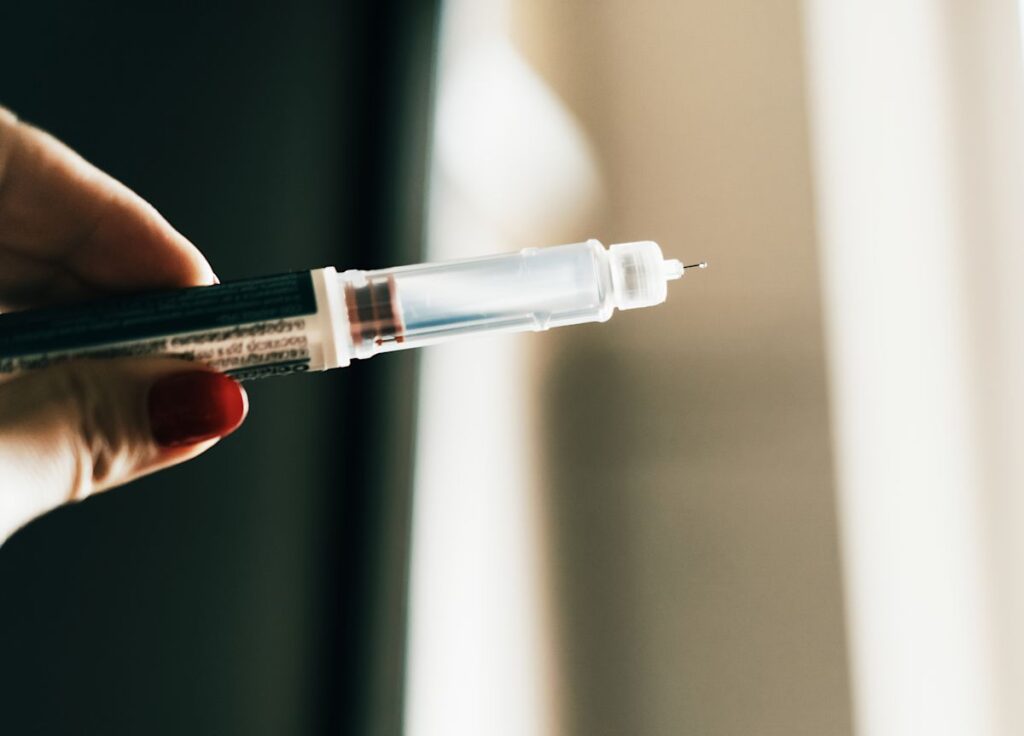
Researchers tested semaglutide, the active ingredient in Wegovy and Ozempic, in children ages 6–11 with obesity. The results, published Nov. 16 in the New England Journal of Medicine, showed that the medication lowered body mass index, or BMI. Novo Nordisk, which makes both drugs, funded the trial.
More from SheKnows
Advertisement
Advertisement
Some doctors and families are already considering GLP-1 medications for younger children, even though semaglutide isn’t approved to treat obesity in kids under 12.
What Did the Study Find?
The trial included 167 children with obesity. Researchers assigned 112 to weekly semaglutide injections and 55 to a placebo. Both groups received counseling about nutrition and physical activity, and treatment continued for two years.
After 68 weeks, children assigned to semaglutide had an average 13.5% decrease in body mass index, or BMI, compared with a 2.7% increase in the placebo group. About 38% of children in the medication group had a BMI below the threshold for obesity, compared with 2% in the placebo group.
Why Are Some Doctors Considering Earlier Treatment?
According to the Centers for Disease Control and Prevention (CDC), about one-third of U.S. children and teens have overweight, which is linked to health problems including high blood pressure, type 2 diabetes, and high cholesterol. Doctors who prescribe these medications to younger patients want to help prevent these conditions, especially when changes to eating habits and physical activity haven’t helped enough.
Advertisement
Advertisement
“There are kids who, just like adults, can do everything, but it’s not enough,” Dr. Pamela Hu, an assistant professor of pediatrics at the Yale School of Medicine, told The New York Times.
A review in JAMA Pediatrics looked at 18 trials involving 1,402 children and adolescents with obesity, prediabetes, or type 2 diabetes. Those taking GLP-1 medications saw improvements in BMI, blood sugar, and systolic blood pressure. But the average participant was nearly 14, and the median treatment period was about six months — leaving parents and doctors with less information about long-term treatment in younger kids.
What Should Parents Know About the Risks?
The most common side effects in the new semaglutide trial were gastrointestinal problems. They occurred more often in children taking the medication than in those receiving the placebo, and one child stopped treatment because of them. The JAMA Pediatrics review also found more gastrointestinal side effects among young people taking GLP-1 medications.
Long-term effects are harder to pin down. Researchers don’t yet know what taking these medications for decades, starting in childhood, could mean for a child’s health. They’re also still learning how to manage treatment when a child stops.
Advertisement
Advertisement
For families considering medication, a child’s growth, nutrition, and emotional well-being need as much attention as their weight. A lower BMI is only one part of assessing whether treatment is helping.
Best of SheKnows
Sign up for SheKnows’ Newsletter. For the latest news, follow us on Facebook, Twitter, and Instagram.