

What’s the secret to living a long, healthy life? We asked experts in all sorts of specialties to give their absolute best advice for boosting longevity. Here’s what they said:
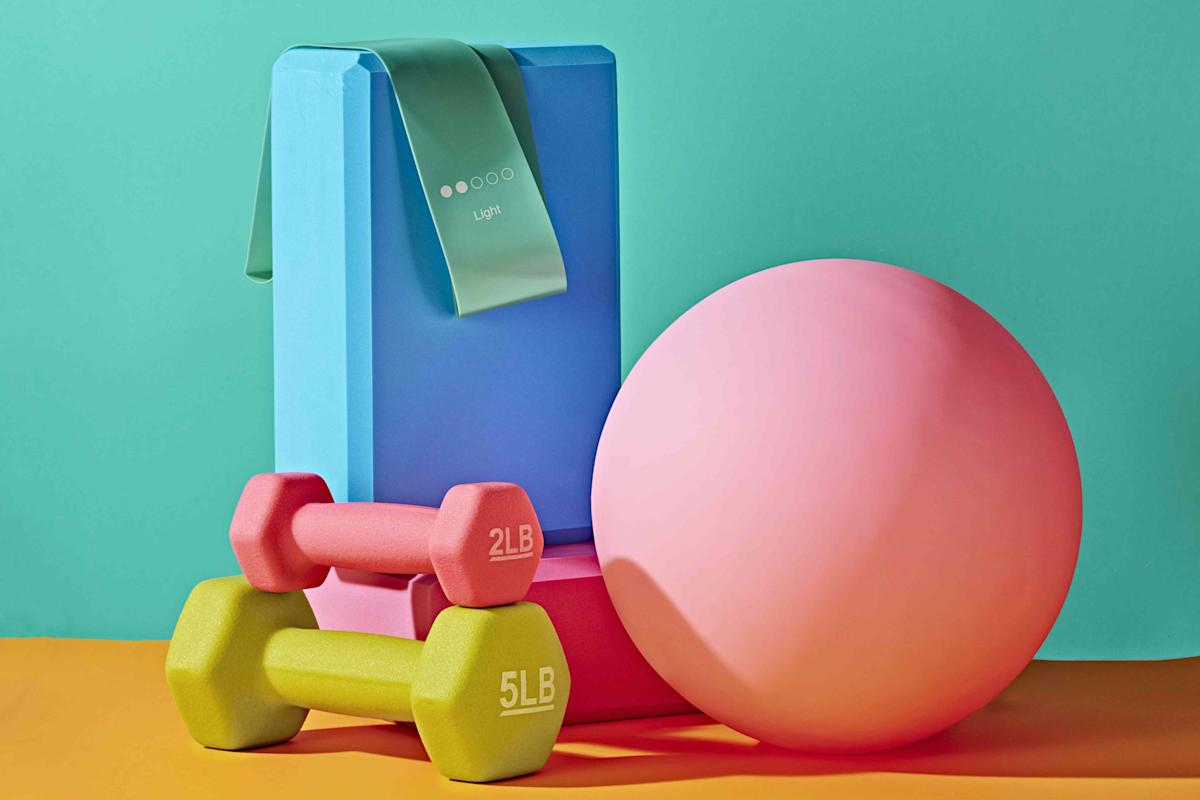
Strength Train at Least Two Days a Week
It helps with nearly every aspect of our physical and mental well-being, says Sarita Khemani, MD, a clinical associate professor of medicine at Stanford University and a physician at Stanford Medical Center specializing in longevity. For starters: “Muscle acts as a metabolic organ, improving insulin sensitivity, burning fat, and releasing hormone-like substances called myokines that reduce inflammation and boost brain function.” Additionally, strength training preserves bone density, enhances hormones and proteins that make us stronger, and even supports neuroplasticity, helping the brain adapt and stay resilient. All of this, in turn, works to slow age-related decline and protect against frailty, cognitive issues, and chronic disease.
Surprisingly, an OB/GYN also responded with strength training (as well as cardiovascular exercise). During menopause, muscle mass lowers the risk of diabetes and osteoporosis, which typically increase in this phase of life, says Dana R. Gossett, MD, chair of the department of obstetrics and gynecology at NYU Grossman School of Medicine. “Women need to step up their exercise at that time of life,” Gossett says.
Slather on That SPF
Every day. Even if you don’t have plans to leave the house, says Ellen Marmur, MD, a New York City-based dermatologist and the founder of skincare brand MMSkincare. “Apply it as you would apply a nice moisturizer, generously.” Why bother if you’re staying inside? Windows allow for a lot of UVA to pass—as much as 75 percent! Sunscreen is your best bet for warding off skin cancer and premature aging.
Reach Out to Loved Ones
“What matters throughout your entire lifespan is maintaining strong, positive, and supportive social connections,” says Ellen Lee, MD, a geriatric psychiatrist with VA San Diego Healthcare System. “Feeling lonely takes a real toll on your physical, mental, and cognitive health.” A 2025 report from the World Health Organization found that loneliness is linked to an increased risk of stroke, heart disease, diabetes, cognitive decline, depression, and premature death. “One possible link is that loneliness is associated with less healthy lifestyle behaviors—more sedentary time, more alcohol use, more cigarette smoking, more disrupted sleep—which then impact physical health,” Lee explains. It’s tougher to maintain friendships as we get older, Lee acknowledges, but even a phone call or a Zoom can help. “What makes a social interaction meaningful often revolves around sharing feelings, experiences, and joy; feeling heard and understood; feeling comforted; and being present with someone else,” Lee says.
Floss! Floss! Floss!
This simple act can help you live up to 6.5 years longer than those who skip it, according to Mia L. Geisinger, DDS, president of the American Academy of Periodontology. “Cleaning between your teeth lowers your risk of developing periodontal diseases—infectious and inflammatory diseases of the supporting structure of the teeth—which have been linked to more than 57 systemic diseases and conditions like diabetes, cardiovascular disease, and dementia,” she says. Make it a habit to floss at least once daily.
Wear Comfortable Shoes
“Your feet are the foundation of your body,” says Miguel Cunha, DPM, founder of Gotham Footcare in New York City. “And the right shoes help maintain proper alignment not only of your feet, but also of your ankles, knees, hips, and back—preventing pain and long-term deformities.” For example, shoes that don’t provide the proper arch support can cause overpronation (when the feet roll inward), impacting your knees and hips, and potentially leading to tendon issues and conditions like shin splints and plantar fasciitis. Cunha recommends primarily wearing sneakers from brands that have earned the American Podiatric Medical Association’s Seal of Acceptance. Cunha says to make sure your little toes don’t spill over the sides, there’s about a thumb’s width of space at the front, and the shoes feel snug (but not tight) and don’t slip at the heel.
Jump Around
Jump for joy! And for bone health, suggests Vonda Wright, MD, an orthopedic sports surgeon and author of the best-selling book Unbreakable: A Woman’s Guide to Aging with Power. New bone tissue replaces old tissue during mechanical stress, explains Wright. “The best way to create that is to jump,” she says. Start with 20 little hops in place and work up to that 8-inch drop.
Keep a Consistent Bedtime and Wake Time
When you go to bed matters just as much as how long you sleep, says W. Christopher Winter, MD, a sleep specialist and neurologist and author of The Sleep Solution. “New research is showing that even if your sleep quality is superior and the amount of time you sleep is more than adequate, inconsistent timing can lead to all kinds of health and performance problems.” That’s because a random schedule can mess with your circadian rhythm and hormones, like melatonin, which tells your body when it’s time to sleep or be awake. And sleep irregularity is a risk factor for obesity, metabolic syndrome, diabetes, cardiovascular disease, and mortality, according to the American Heart Association. It may feel like no big deal, but going to bed and waking up later on the weekends is enough to count as inconsistent, Winter says. This is why he and other experts are pushing hard to abolish daylight saving time.
Eat More Fiber
TikTok and Insta are abuzz lately with folks talking about fibermaxxing. Turns out we should listen. A 2024 meta-analysis of 64 studies found that people who ate the most fiber had a 23% lower risk of all causes of mortality compared to those with the lowest fiber intake. Among other things, the nutrient feeds our gut flora, improving the health of our microbiome, says Carolyn Newberry, MD, a gastroenterologist and assistant professor of medicine at Weill Cornell Medical College. “Risks of certain types of cancers, like colorectal cancer, are reduced with a healthier gut microbiome and higher intake of fiber,” Newberry says, adding that other research shows a connection between a healthy microbiome and better mental health, as well as lower cholesterol and blood pressure. The USDA recommends aiming for 25 to 34 grams per day, depending on your age and sex, but most people aren’t even getting close to that. If you don’t eat much fiber at all right now, Newberry suggests starting with soluble fiber because it’s easier on the digestive system.
Pick Up a New Hobby
Working through unfamiliar tasks helps build new neural networks and strengthen existing connections in your brain, says Faye Begeti, PhD, a neurologist with Oxford University Hospitals in the UK. “We know that any mental challenge helps build what’s called cognitive reserve.” You can draw on this reserve if you develop a brain condition like dementia, Begeti explains. Learn a new language, teach yourself how to embroider, or get better at chess! Or pick up a more active hobby—such as pickleball, dancing, or tai chi—which serves double duty, offering physical and mental benefits. Just know there’s a catch: Over time, you’ll get better at your new thing and there will be less cognitive benefit. So keep learning, Begeti says.
Get Your Eyes Checked
Do this even if your vision doesn’t seem to be changing, implores Laura Margaret Di Meglio, a doctor of optometry and assistant professor of ophthalmology at the Wilmer Eye Institute at Johns Hopkins in Baltimore. “These exams can help detect a lot of eye issues early on,” she says. What’s more, eye exams can reveal systemic issues—like diabetes and high blood pressure. Note: An online vision check is not the same thing as a full eye exam, as the bots can’t look into the health of your eyes. The American Academy of Ophthalmology recommends a complete eye exam at age 40, then one every two to four years for a full workup.
Try to Eat Less Meat
You don’t have to give up steak entirely, but think about how much meat you’re eating, says Noelle Mann, MD, codirector of the Women’s Heart Center at the Stony Brook Heart Institute in Stony Brook, New York. “There is evidence that if you substitute just 3% of animal-based protein with plant-based protein, you can reduce your risk of premature death by 10%,” Mann says. She recommends looking to the Mediterranean Diet for guidance. It includes lots of olive oil, fruits, nuts, vegetables, and whole grains; a moderate amount of fish and poultry; a low intake of red meat, processed meats, and sweets; and wine in moderation, she says. Try swapping something from the “low” category with something in the “lots of” category—even if it’s once in a while.
Read the original article on Real Simple