

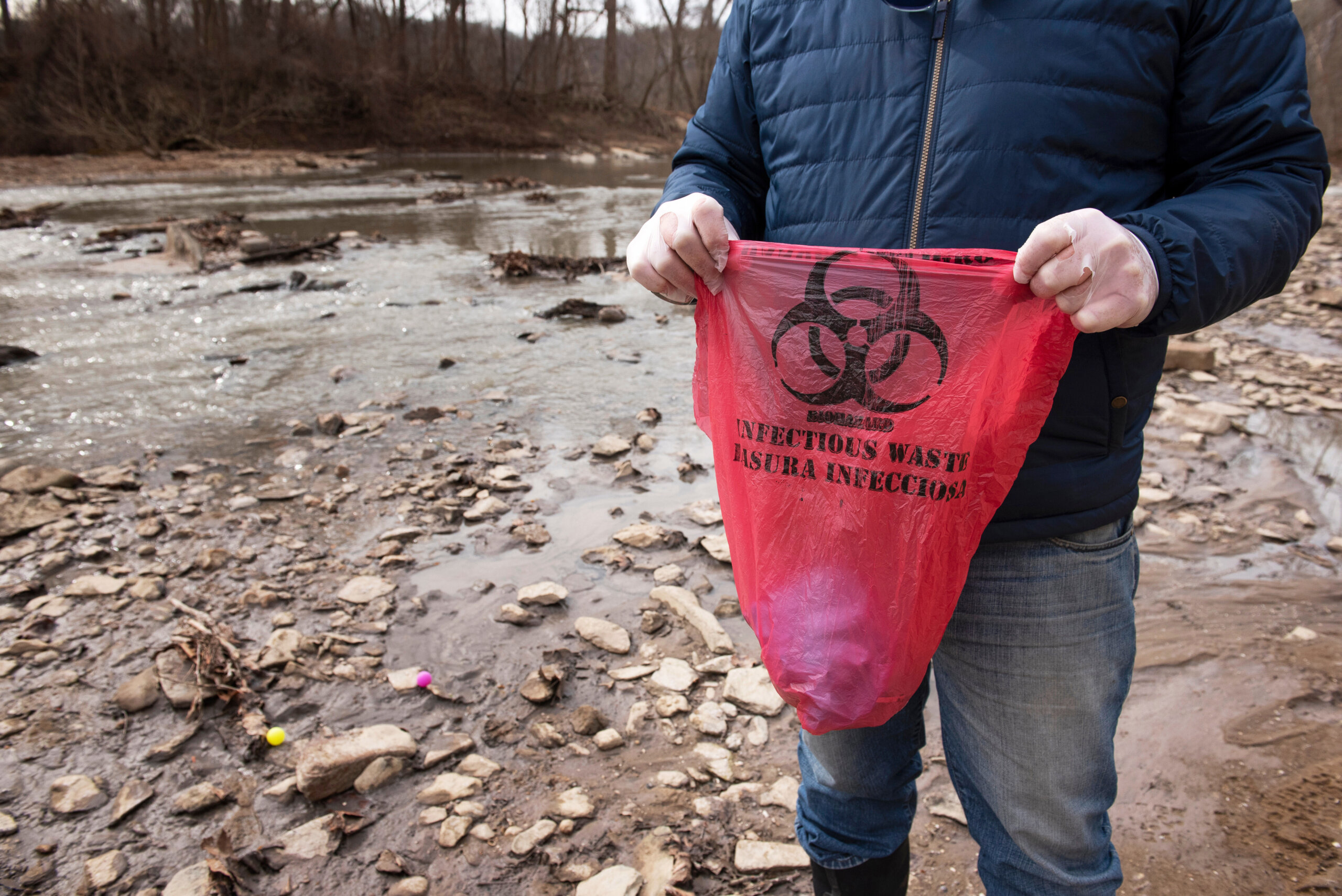
Three weeks after a 72-inch sewage pipe burst along the Clara Barton Parkway, the Virginia Department of Health issued a recreational water advisory Friday telling residents to avoid using D.C.’s main waterway.
Do not go into the Potomac River.
Three weeks after a 72-inch sewage pipe burst along the Clara Barton Parkway, the Virginia Department of Health issued a recreational water advisory Friday telling residents to avoid using D.C.’s main waterway.
Hundreds of millions of gallons of raw sewage spilled into the Potomac starting on Jan. 19 before crews were able to contain the overflow. The area of contamination was just inside the Beltway along the C&O Canal in Montgomery County, Maryland and extended into Virginia. It was considered the largest spill of wastewater in U.S. history.
With reports of E. coli levels thousands of times higher than the recommended limit for human contact, VDH issued the advisory about river contamination along a 72.5 mile stretch that includes the Northern Virginia area of the Potomac.
Cleanup is expected to take four to six weeks longer than anticipated and has been marred by setbacks.
VDH says there is no evidence of impacts to drinking water at this time.
The advisory says to prevent recreational water illnesses due to exposure to the sewage spill, people should avoid contact with water in the advisory area and should follow advice posted on signs near river access points.
Residents also need to avoid any area of the water where you smell a foul odor or see dead or dying fish or discolored water. If you do come into contact, wash skin immediately with soap and water and wash any items that come into contact with the water, according to the advisory.
“When harvesting fish or crabs, discard skin, organs, cook the meat to proper temperature, and clean cutting boards and cutting implements with warm soapy water,” the advisory states.
Get breaking news and daily headlines delivered to your email inbox by signing up here.
© 2026 WTOP. All Rights Reserved. This website is not intended for users located within the European Economic Area.