

Travelers planning spring break and summer trips need to prepare for war-related expenses and disruptions, whether they are heading to overseas destinations or staying in the U.S., according to experts in tourism and travel.
Travelers planning spring break and summer trips need to prepare for war-related expenses and disruptions, whether they are heading to overseas destinations or staying in the U.S., according to experts in tourism and travel.
Nancy McGehee, a hospitality and tourism management professor at Virginia Tech, said it won’t be a “short-term issue.”
“It’s not really going to go away soon, and we expect disruptions to linger,” McGehee said.
The first travelers affected by the Iran war were stranded in areas closest to the conflict, but the impacts now stretch around the globe, she said.
Several commercial airline flights have been grounded in the region since the war began, or are temporarily stuck due to Iranian missile and drone attacks on major airports.
Because of this, airlines have fewer planes available to maintain route schedules elsewhere in the world, McGehee told WTOP on Friday.
Also on Friday, Iran threatened to expand its attacks to include “parks, recreational areas and tourist destinations” worldwide.
War-driven disruptions to oil and other supplies are also having wide-ranging impacts on travelers and the hospitality industry.
“The rising fuel costs are going to impact our travel whether we’re purchasing tickets to fly, or to take a train or a bus, or we’re driving our own car,” McGehee said.
“We can also talk about things like hotels and restaurants having issues with getting fruits and vegetables or some of the supplies that they need, because the supply channels are cut off as well,” she added. “So it’s hitting us in a lot of different ways, [if] we’re traveling close to home or far away.”
McGehee said the Iran war’s sudden, widespread disruption is “fairly unique.”
“I think this is unusual in that it was pretty short-term,” she said. “Historically, we kind of know it’s coming for a while, both supply and demand can kind of adapt.”
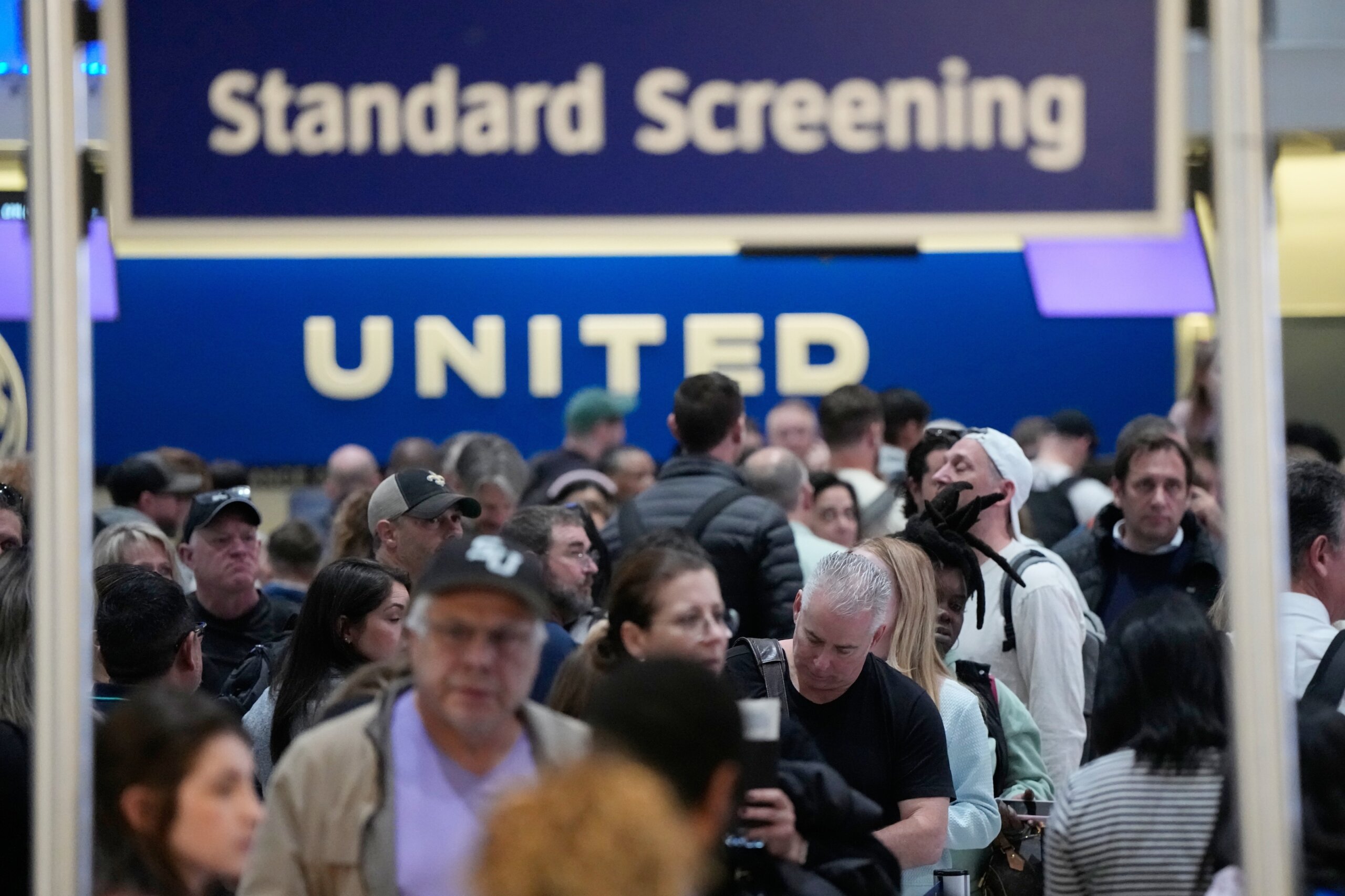
On top of disruptions from the Iran conflict, TSA staff shortages have led to long security lines and missed flights, adding to the confusion facing travelers.
What travelers can do
McGehee suggested several ways travelers can navigate these challenges.
Do everything early, she said. Booking flights earlier may help travelers avoid higher prices as fuel costs rise.
McGehee also said people should arrive at the airport at least two hours before domestic flights and three hours before international ones, starting from check-in, not from when you pull up at the curb.
And travelers heading to important events may want to arrive a day or two early in case of delays.
“If you’re traveling for a wedding or special event, you might want to build in a little bit there, because it would be terrible to miss the whole reason that you’re going,” McGehee said.
Here are some other tips McGehee has for travelers planning trips:
- Use AI to strategize: Travelers can use online tools, including those powered by artificial intelligence, to see the on-time track record for specific flights before booking.
- Consider travel insurance, but read the fine print: McGehee said standard travel insurance might not cover flight cancellations related to the conflict. She recommended looking for “cancel anytime” policies and reading the details closely.
- Try to have a vacation mindset — wherever you are: “I do think we’re seeing more of a pivot toward domestic travel this summer in particular,” McGehee said, which means busier airports and highways.
So, pack your patience, and try to think of delays as an extension of your vacation.
“If you’ve got a long layover in an airport, then maybe you can find a facial or a massage,” she said. “Make the most of it.”
Get breaking news and daily headlines delivered to your email inbox by signing up here.
© 2026 WTOP. All Rights Reserved. This website is not intended for users located within the European Economic Area.