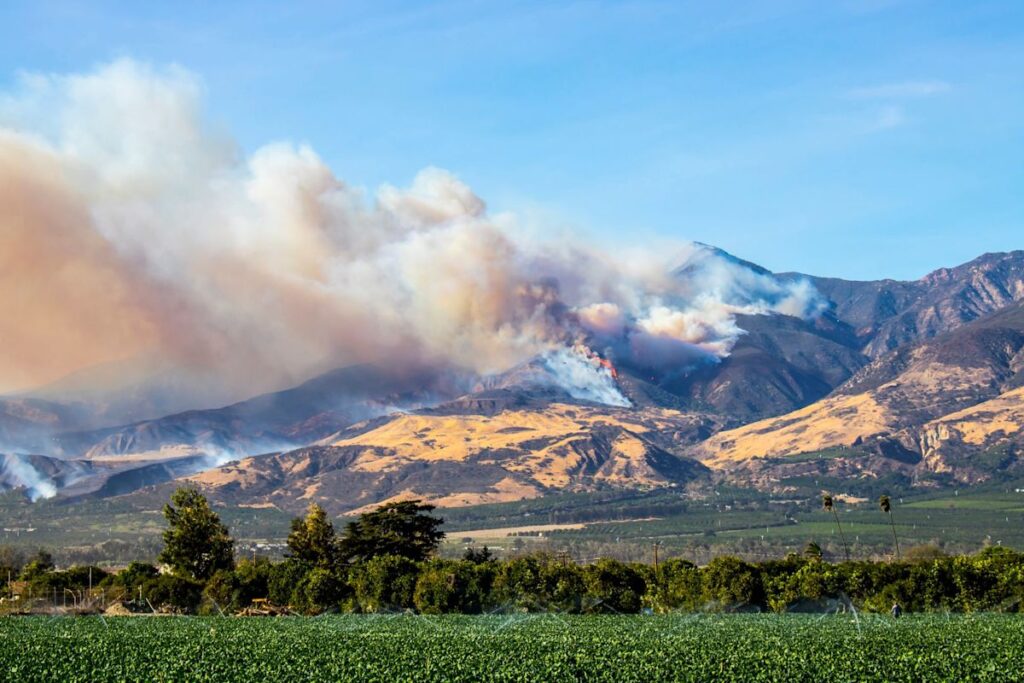
A recent study found higher odds of an autism diagnosis among children exposed to wildfire smoke before birth. The strongest links appeared after 15 weeks of pregnancy.
Here’s what to know
Detailed in Rutgers Today, the Rutgers-led study, published in JAMA Pediatrics, examined health insurance records for 893,212 Medicaid-enrolled mother-child pairs whose children were born from 2007 through 2014. The findings do not establish cause and effect.
Weekly estimates of wildfire smoke exposure covered the contiguous United States and were assigned to mothers based on their residential ZIP codes.
Advertisement
Advertisement
Each increase of approximately 0.00000000075 ounces per cubic foot (0.75 micrograms per cubic meter) in average wildfire-related fine particle concentrations during pregnancy correlated with a 30% increase in the risk of a later autism diagnosis. That figure represents a relative increase, not a 30-percentage-point increase in the likelihood of diagnosis.
The second and third trimesters stood out for the strength of the associations. Still, brain development spans the whole pregnancy, stressed lead author Stefania Papatheodorou, an epidemiologist at the Rutgers School of Public Health.
Unmeasured factors and imprecise exposure estimates could have influenced the findings.
More background
The researchers focused on wildfire fine particulate matter, known as PM2.5, which consists of inhalable particles generally 0.000098 inches (2.5 micrometers) or smaller in diameter.
Advertisement
Advertisement
The study did not test how these particles might affect pregnancy. One possible explanation the researchers noted is that particles that reach deep into the lungs can promote inflammation throughout the body.
The study’s focus on Medicaid enrollees may limit how well its findings apply to other populations, despite its broader geographic reach. Earlier evidence came from two California-only studies that disagreed about the relationship between wildfire smoke and autism.
Wildfire pollution was not the only pollution associated with autism diagnosis risk, but other sources had smaller associations, Rutgers Today reported.
This study’s wider perspective is increasingly relevant, as communities far from wildfires are affected by smoke. According to Rutgers, Canadian wildfire smoke reached parts of the United States, including New Jersey and New York, in 2023.
Advertisement
Advertisement
Because the births studied occurred before those smoke events, the authors called for research involving more recent birth cohorts.
What can be done?
Papatheodorou recommended that pregnant people check local air quality reports, stay aware of wildfire events, and follow recommendations for sensitive populations during periods of elevated pollution.
Visible smoke isn’t required for exposure; smoke can travel long distances.
During smoke episodes, she recommended spending less time outside, keeping smoke out of the home, and filtering indoor air when possible. When going outside is necessary, wearing a properly fitted particulate respirator can lower exposure.
Advertisement
Advertisement
These precautions are intended to reduce smoke exposure. They are not evidence that any particular measure prevents autism.
Papatheodorou also urged obstetricians and other health professionals to address environmental risks, such as wildfire smoke and extreme heat, at regular prenatal appointments.
“These findings add to the evidence on prenatal air pollution exposure and child neurodevelopment,” Papatheodorou said. “Additional studies are needed to confirm the association and better understand the potential effects of wildfire smoke.”
Where can I learn more?
These articles show how wildfire smoke and extreme heat raise health concerns during pregnancy and beyond.
Advertisement
Advertisement
• In Fiji, U.N. warnings linked extreme heat during pregnancy to premature births and stillbirths.
• Wildfire smoke pushed 120 million into hazardous air across the United States after record heat.
• Ontario wildfire smoke drove Michigan’s air quality index to 616, underscoring concerns about growing health threats.
Get TCD’s free newsletters for easy tips, smart advice, and a chance to earn $5,000 toward home upgrades. To see more stories like this one, change your Google preferences here.