

I recently went to Beaujolais for the first time. While I’ve visited other wine regions in France, I was struck by how effortless it was to explore wine here. Instead of needing advance reservations or insider access, Beaujolais offers a refreshingly different experience: the ability to uncover great wine spontaneously.
Thanks to all the caveaux — part tasting room, wine shop, and local gathering place — in every village, visitors can sample wines, learn about terroir, and purchase bottles, all in a casual, welcoming environment. Ça c’est bon.
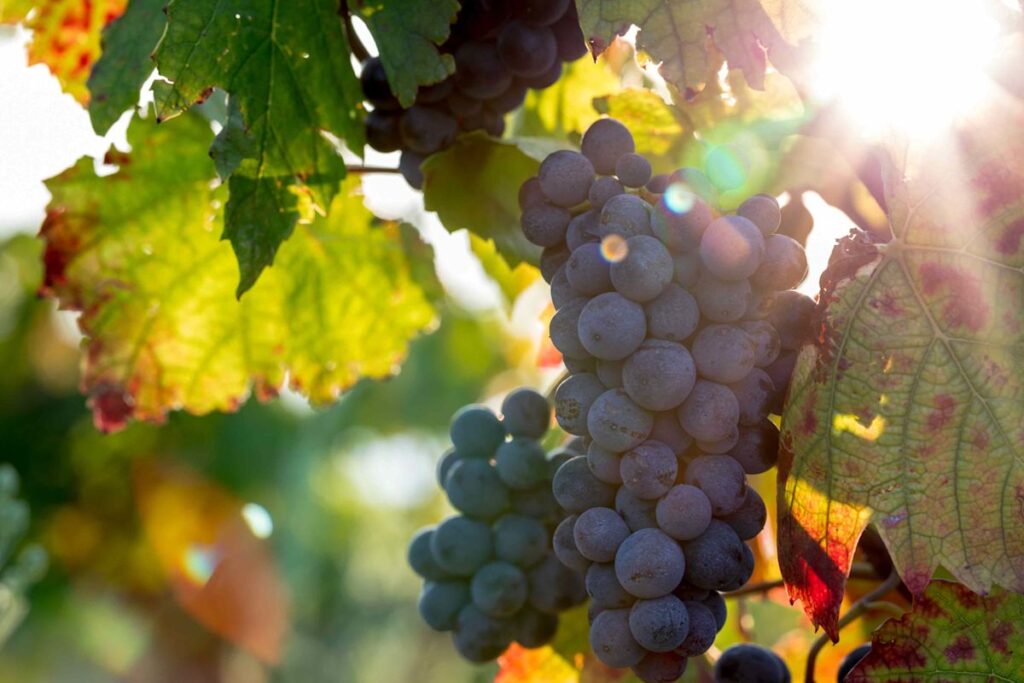
And that same accessibility found while traveling the region extends to the red wines themselves, made exclusively from Gamay, a fruity, low-tannin, food-friendly red variety.
Advertisement
Advertisement
But the wines are far from a one-trick pony. Beaujolais is easy to understand, and thanks to its diverse terroir and quality designations, it’s also surprisingly varied.
“Lighter styles can be served chilled, while others can be serious and robust and paired with a rich dinner,” says Erin Dudley, wine director for Neighborhood Restaurant Group in Alexandria, Virginia. “You’re bound to find a style you’ll enjoy, and because Gamay is an affordable, approachable, party-pleasing grape, this exploration won’t feel like a chore.”
Gamay is Beaujolais’ shape-shifting star
Credit: Vins du Beaujolais / Fabrice Ferrer
So what exactly makes Beaujolais such a chameleon? In a word, dirt. There are more than 300 soil types found here including granite, schist, quartz, clay, and sandstone, all of which affect what goes into the glass.
“Gamay is incredibly expressive and can range from tart and fruity to rich and spicy depending on the soils and microclimate,” says Dudley.
Advertisement
Advertisement
Related: Everything You Need to Know About Gamay
Anaëlle Joret, head of Inter Beaujolais economic development and market manager for Canada and the U.S., believes “these multiple combinations between grape variety and soil are one of the Beaujolais region’s strengths.”
The coveted granitic soils are concentrated in the northern part of the region, giving the wines structure, minerality, and aging potential. It’s not a coincidence that’s also where you’ll find the region’s crus: 10 specific, designated villages that produce the highest quality Beaujolais. You’ll recognize them by the name of the village on the label, like Chiroubles or Saint-Amour, rather than simply Beaujolais.
But there’s also a treasure-trove of Beaujolais to discover outside these 10 hyper-specific areas.
The easiest way into Beaujolais
Credit: Vins du Beaujolais / Denis Laveur
You may be familiar with Beaujolais Nouveau, bottled right after harvest and released at 12:01 a.m. on every third Thursday of November, right around Thanksgiving, and with much fanfare. It’s fun, festive, and fruity, meant to be slightly chilled and consumed right away. It can also offer a little sneak peek of that year’s vintage.
Advertisement
Advertisement
But that style only accounts for around 20% of the region’s production, or the tip of the Beaujolais iceberg, so to speak.
Going up a level in quality is Beaujolais Appellation d’Origine Contrôlée (AOC), sourced from the clay and sandy soils in the southern part of the region, fresh and soft on the palate, with red cherry and cranberry.
Credit: Vins du Beaujolais / Etienne Ramousse
Beaujolais-Villages AOC hails from any of the 38 higher-altitude communes in the north, where the soils are composed of granite and schist. Dudley says these “should have a brighter, more expressive character.”
But don’t underestimate either of these appellations, says David Butler, owner of Le Caviste in Seattle, Washington, who explains the progression the same way he would for other regionally-produced wines.
Advertisement
Advertisement
“Entry-level wines are made with care and are good examples of what the region has to offer, albeit often made in larger quantities from grapes grown on less distinctive soils,” he says.
Butler calls both AOCs easy drinkers that are ready to uncork right away, and touts Beaujolais’ “innate ability to ‘train’ the palate to appreciate lighter wines with nuance rather than power.”
Ready to go deeper? Meet the crus
Credit: Fabrice Ferrer for Inter Beaujolais
The most complex, multilayered, ageworthy iterations of Beaujolais come from the aforementioned 10 northernmost villages.
“The crus are vinified with greater attention to detail and more rigorous parameters, with grapes grown on prized plots with expressive soils,” says Butler.
Advertisement
Advertisement
What’s fascinating about Cru Beaujolais are the wildly different styles that come from a single grape, influenced by not just soil but geography, altitude, viticulture, and winemaking techniques. However, as Michele Chapel, cofounder and vigneronne of Domaine Chapel, points out, no matter where it’s produced, Beaujolais’ “classic high-tone red fruit and silky tannins will almost always be highlighted.”
If you gravitate towards lighter, aromatic reds with great acidity, seek out bottles from Fleurie, which have floral notes of violet, rose, and lilac, along with wild strawberry and red cherry. Chapel also cites it for its elegance.
Credit: Etienne Ramousse for Inter Beaujolais
Prefer a fuller-bodied wine with more oomph, tannic structure, and ageability? Look no further than the two most powerful crus, which incidentally start with the same letter, making it easy to remember.
“Moulin-à-Vent is complex and floral, showing finesse and a noticeable, silky tannic structure,” says Julie Pitoiset, technical director for Château des Jacques. These wines are also often complemented by graphite aromas and salinity from mostly granite soils.
Advertisement
Advertisement
“Morgon is fleshier and earthier, with an aromatic profile leaning towards spices and black fruit,” says Pitoiset.
Related: Everything You Need to Know About Beaujolais
The character of Brouilly, the largest and southernmost cru with pink granite soils, falls somewhere in the middle: riper and less acidic than Fleurie, but with a silkier mouthfeel than Moulin-à-Vent or Morgon.
“Brouillly is considered a ‘pleasure’ wine,” says Emmanuel Jambon, viticulturist and president of Terre Des Brouilly. “It’s youthful, supple, and fruity, with smooth tannins and a highly appealing, moreish quality.”
As you delve into your Beaujolais research you may also see another term on labels of cru bottlings: lieu-dit, or a named vineyard site. These wines offer an even more granular look at Beaujolais’ varied terroir.
Advertisement
Advertisement
Palate piqued yet? Chapel suggests asking a sommelier or wine shop owner for a few of their favorite producers, then grabbing a map of the region and tasting from north to south. And remember: you don’t have to understand Beaujolais before you drink it; you can start sipping and learn as you go.
Wines to start your Beaujolais adventure
Credit: Vins du Beaujolais / Studio Baalt
Beaujolais Nouveau
Georges Duboeuf Beaujolais Nouveau
Domaine Piron Beaujolais Nouveau
Beaujolais
Domaine des Terres Dorées Le Ronsay Beaujolais
Domaine de la Prébende Beaujolais
Beaujolais-Villages
Domaine Chapel Beaujolais-Villages
Laurent Perrachon et Fils Terre de Loyse Beaujolais-Villages
Fleurie
Clos de la Roilette Cuvée Tardive Fleurie
Domaine Grégoire Hoppenot Fleurie Origines
Brouilly
Château des Tours Brouilly
Moulin-à-Vent
Château des Jacques Moulin-à-Vent
Domaine Patenôtre Moulin-à-Vent
Morgon
Dominique Piron Morgon La Chanaise
Advertisement
Advertisement
Read the original article on Food & Wine
Source link