

The longest government shutdown in U.S. history is finally over. Although this is good news for travelers with Thanksgiving plans, there are lingering concerns about how quickly a strained system can reset before one of the busiest travel weeks of the year. Experts predict the ripple effects will affect Thanksgiving travel. This is what that means for you.
What actually changes now that the government is open

Flight schedules still haven’t resumed to normal
(Michelle Brittain via Getty Images)
During the shutdown, air travel never fully stopped, but it ran on a thinner margin of safety and reliability than usual. The Federal Aviation Administration ordered airlines at 40 of the nation’s busiest airports to cut flights by as much as 10 percent to cope with air traffic control staffing shortages caused by the shutdown.
Now that the shutdown has ended, the Department of Transportation has finally lifted those restrictions, citing improvements in air traffic controller attendance.
What is travel like now that the shutdown is over?

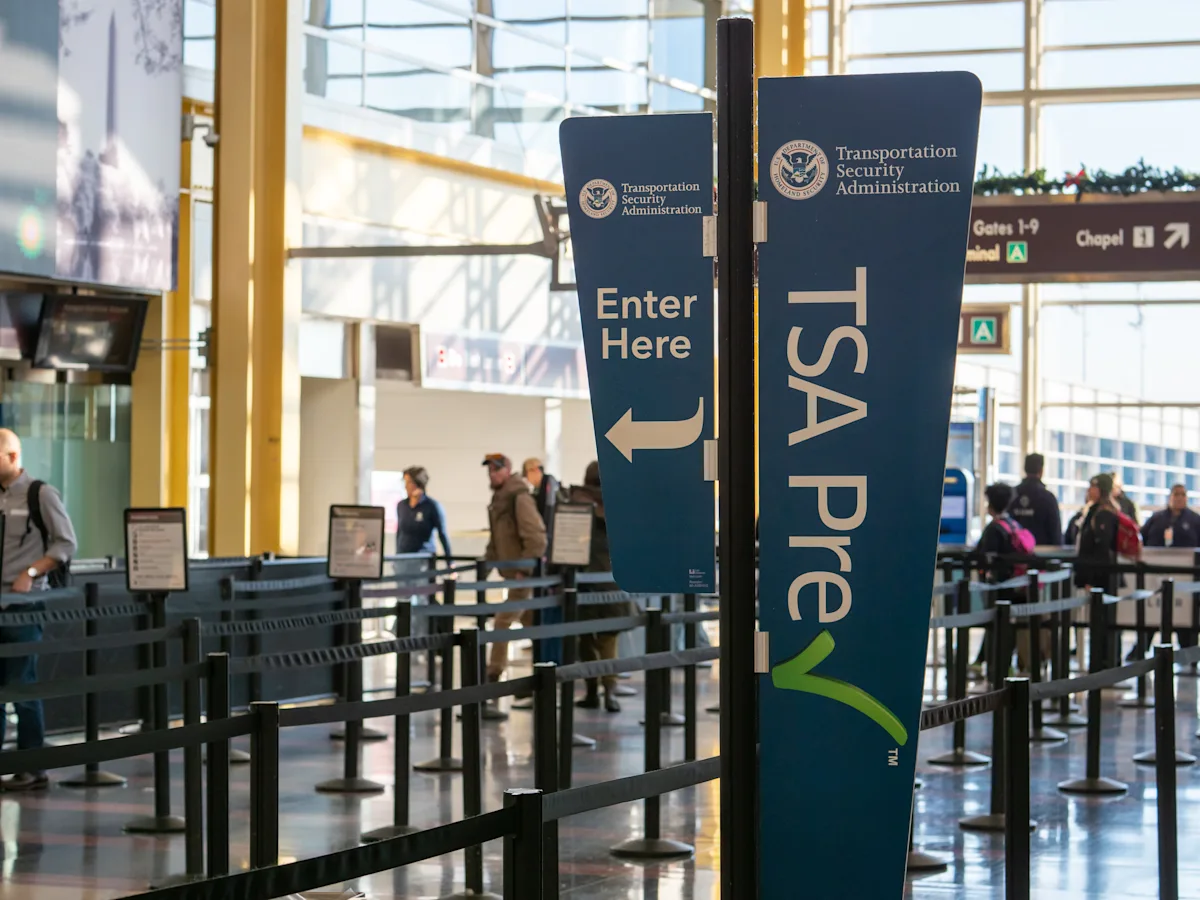
TSA employees will be paid again
(EvgeniyShkolenko via Getty Images)
The picture in the air is still far from normal. The FAA estimates that more than 10,100 flights have been canceled since the cuts began, on top of many more that were delayed, according to figures reported by AP.
Time magazine reports that over 2,000 flights were delayed and approximately 1,000 were canceled despite the end of the shutdown, with major hubs like Chicago O’Hare and San Francisco International among the most brutal hit. The ongoing disruptions are directly linked to lingering staffing shortages, even as more controllers return to work.
The good news for travelers is that the situation is improving. The shutdown is no longer creating mandatory flight cuts or new waves of unpaid work. Meanwhile, airlines now have a clear framework for rebuilding schedules within a stable system, even if it hasn’t completely returned to normalcy. But they are still playing catch-up, and the backlog of disrupted operations will shape the weeks ahead. Unfortunately, this includes the holidays.
What does this mean for Thanksgiving travel?
Airports will take time to resume normal operations
(baona via Getty Images)
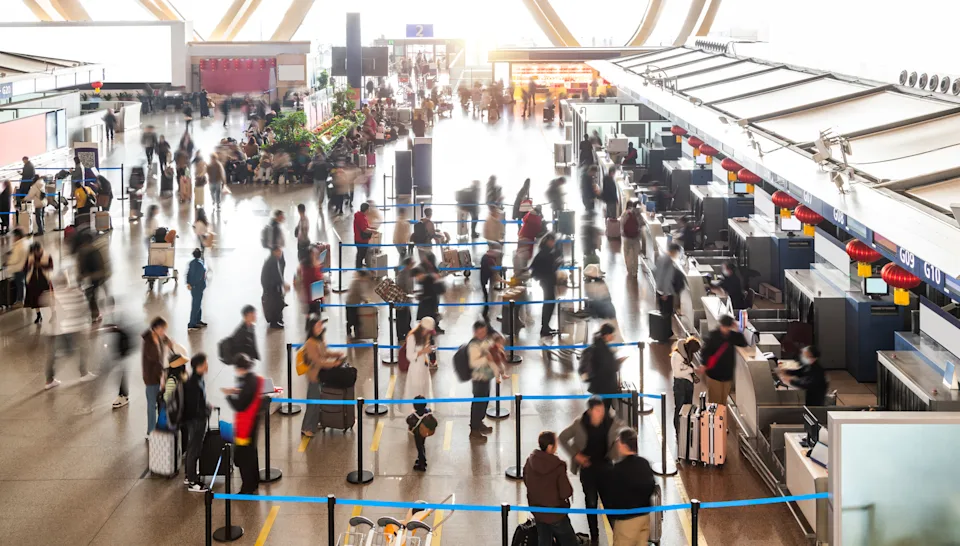
The reopening of the federal government permits airlines to stop planning for worst-case scenarios, yet most experts are cautioning that the recovery will lag behind the political deal. The FAA has only recently lifted the flight caps, and any move to restore normal operations will depend on how quickly the airlines can catch up.
Transportation officials and analysts are eyeing Thanksgiving in particular. The Washington Post reports that 31 million passengers are expected to fly over the Thanksgiving travel period, a number that would strain the system even in a normal year. And this definitely wasn’t a normal year.
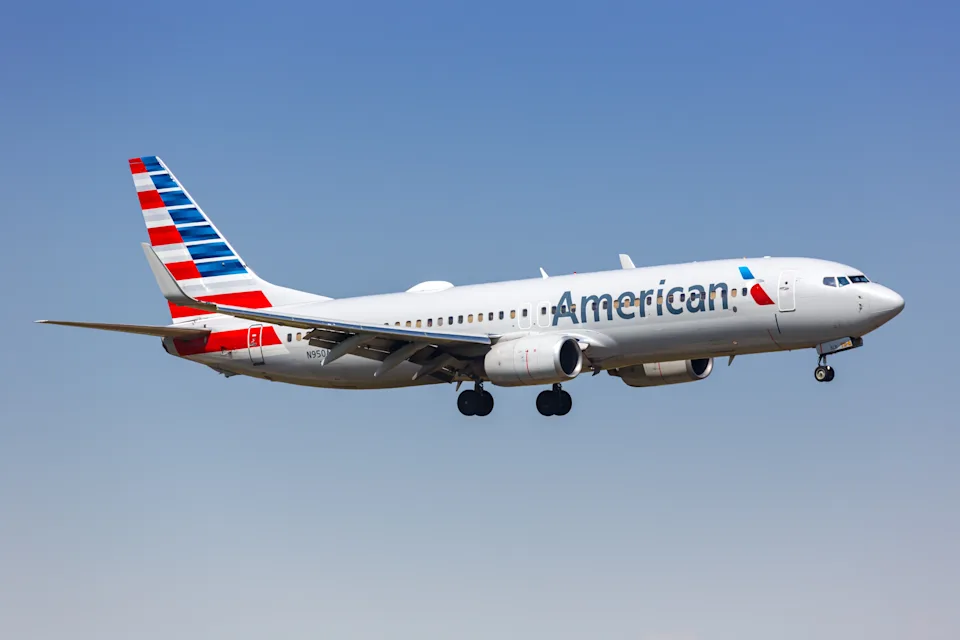
Airlines are publicly optimistic, but their messages are cautious. American Airlines told customers that operations are improving following the shutdown, but warned travelers to expect “lingering” delays and cancellations while air traffic control facilities and FAA operations fully stabilize.. That message came with a reminder to keep checking flight status in the days ahead.
American Airlines is cautiously optimistic
(Shutterstock)
The experts agree that under this strain, schedules will normalize gradually rather than all at once, even now that the shutdown’s officially ended.
The end of the shutdown has probably prevented a worst-case scenario of escalating flight cuts right before Thanksgiving, but it has not magically reset the system. If you are flying around the holiday, you are more likely to see a crowded gate and a moderate delay than a cascading meltdown. Still, the margin for error is slim, and if weather or technical issues arise, we could see large-scale cancellations and delays.
How TSA and security lines are likely to change
TSA lines will still be longer, according to the experts
(EvgeniyShkolenko via Getty Images)
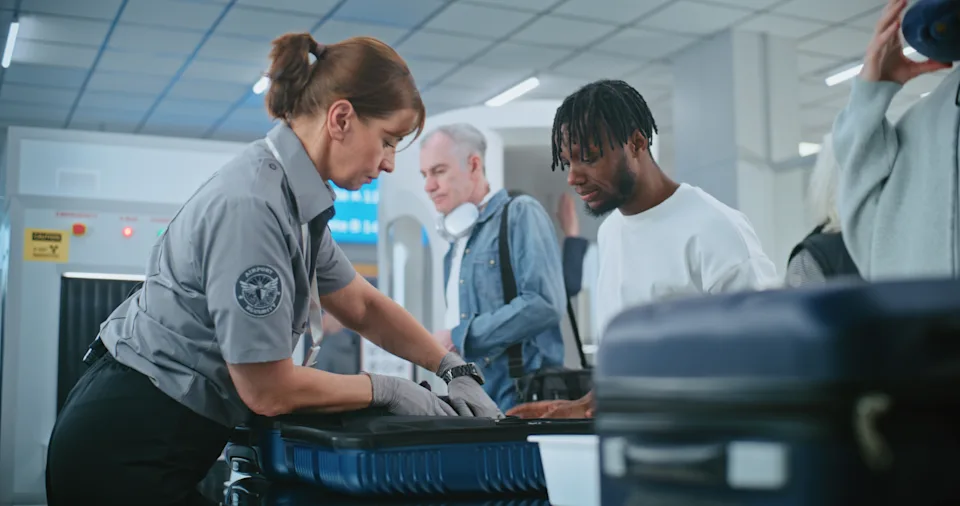
Throughout the shutdown, Transportation Security Administration officers were classified as essential workers and kept screening passengers even as paychecks stopped. Reuters reports that about 50,000 TSA officers and 13,000 air traffic controllers worked unpaid during the 43-day shutdown. This situation contributed to rising absenteeism and growing delays at checkpoints and in the skies.
Now, those workers are due to receive back pay as agencies restart payroll systems. Federal employees should see their delayed paychecks deposited between November 15 and 19, depending on their agency’s internal schedule.
With the government open and pay flowing again, TSA leadership will be focused on getting officers back to regular schedules and rebuilding any staffing lost to attrition. Travelers are likely to see some improvement in wait times compared with the roughest days of the shutdown, but even a small number of officers calling out could still cause slowdowns on busy travel days.
What about trains, buses, and roads?
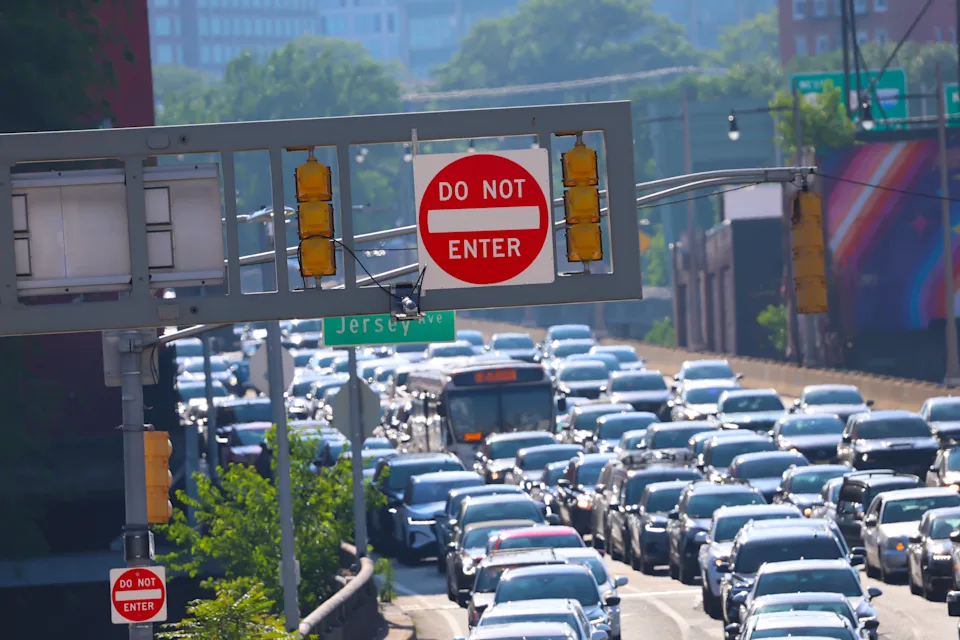
Traffic will likely be heavier this year
(Maksym Galyuk via Getty Images)
One of the quieter effects of the shutdown has been a noticeable shift to ground transportation. As flight cuts and cancellations mounted, some travelers swapped plane tickets for bus seats and train reservations.
According to Reuters, bus and train bookings for Thanksgiving are up about 12 percent, with Amtrak expecting record-breaking holiday ridership as airlines struggle to normalize schedules. For drivers, the shift away from air travel may result in heavier traffic.
How about national parks?

National parks will still be recovering
(GRPimagery via Getty Images)
Holiday travel is not just about getting through an airport. It is also about the places people visit once they arrive.
During the shutdown, many national parks remained partially open, but visitor centers, some restrooms, and certain roads or facilities closed or operated with minimal staffing. There were consequences to the staffing limitations, including vandalism at Arches National Park in Utah and illegal base jumping in Yosemite National Park in California.
With the government reopened, national parks are restoring normal operations, but it may take weeks, if not months, to recover from damage caused by the shutdown.
The bottom line
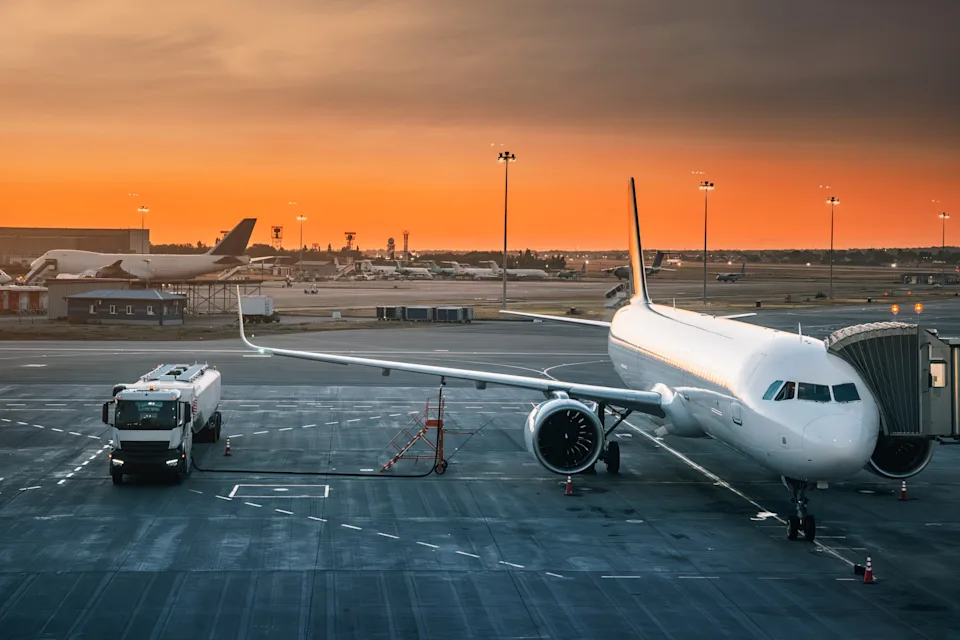
Arrive early to the airport if you’re flying
(frantic00 via Getty Images)
The end of the shutdown removes the most acute risk to holiday travel. The FAA is no longer under pressure to deepen flight cuts just as Thanksgiving approaches, TSA officers are getting paid again, and federal workers who support everything from park operations to immigration screening are being recalled. Those changes should lay the foundation for a better holiday season than travelers were facing a week ago.
But recovery has a lag, and that lag is where most travelers will feel the impact. Airlines and the FAA are still operating with a backlog of disrupted operations.
If you have a ticket booked, you should still build in extra time, pay attention to alerts from your airline, and stay flexible about connections or airports if you can. The shutdown is over, but its impact on holiday travel will hang around a little longer.