
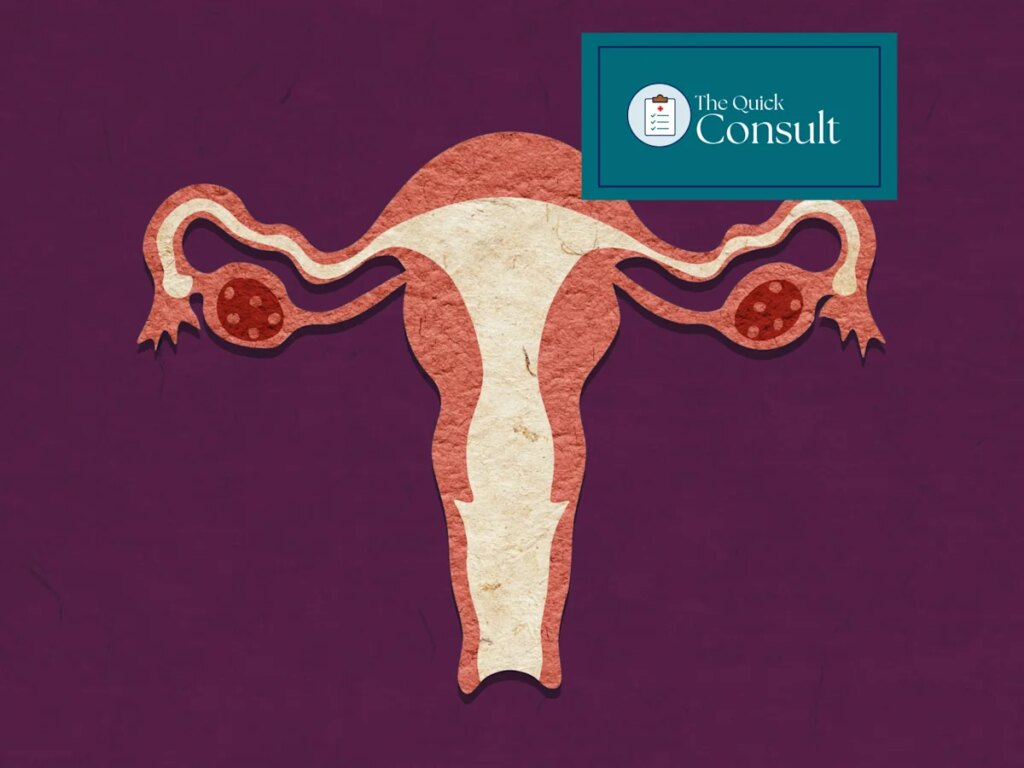
Vaginal dryness may be the symptom people talk about most. But menopause-related changes can also show up as burning, painful sex, urinary urgency or one UTI after another — all part of a condition called genitourinary syndrome of menopause (GSM).
What Is It? Genitourinary syndrome of menopause, or GSM, is a collection of vaginal, vulvar and urinary changes linked to declining estrogen and other sex hormones during perimenopause and after menopause. The tissues can become thinner, drier, less elastic and more vulnerable to irritation. Unlike hot flashes, GSM generally does not improve with time and may worsen without treatment, according to The Menopause Society.
More from Flow Space
Advertisement
Advertisement
What Are the Symptoms? Symptoms can include vaginal or vulvar dryness, itching, burning and irritation, as well as pain, tearing or bleeding during sex. Urinary urgency, frequent urination, burning with urination and recurrent urinary tract infections (UTIs) can also occur. Some women experience only one symptom, while others develop several.
Who Does It Affect? GSM most often affects women during and after the menopause transition, but it can occur whenever estrogen levels fall. Recent studies show that 50 to 84% of of postmenopausal women experience one or more symptoms of GSM. Breast cancer treatments may trigger symptoms earlier or make them more intense with approximately 75% of survivors experiencing GSM post-treatment. Chemotherapy, ovary removal and medications that block or suppress estrogen can all affect genitourinary tissues.
Who Diagnoses It? An OB-GYN, menopause specialist or primary care provider can diagnose GSM based on symptoms, medical history and a pelvic exam. A urogynecologist or urologist may also help when recurrent UTIs or other urinary symptoms are prominent.
How Is It Treated? Hormone therapy (HRT) is the considered the gold standard when it comes to treating GSM. Vaginal moisturizers used regularly and lubricants used during sexual activity may relieve milder symptoms. Prescription options include low-dose vaginal estrogen, vaginal dehydroepiandrosterone, also called DHEA or prasterone, and oral ospemifene. Pelvic floor physical therapy may help when muscle tightness or pain is also involved.
Advertisement
Advertisement
For women with a history of estrogen-dependent breast cancer, nonhormonal options are generally tried first. If those do not provide enough relief, ACOG guidance says low-dose vaginal estrogen may be considered after a discussion of risks and benefits. Women taking aromatase inhibitors should make that decision with their gynecologist and oncologist.
When Should You See a Doctor? Make an appointment if dryness, pain, urinary symptoms or recurrent UTIs are disrupting your comfort, sleep or sex life. The sooner women can see a doctor, the better; the longer GSM goes untreated, the harder it can be to treat. Seek care promptly for vaginal bleeding after menopause, unexplained sores or persistent pelvic pain, since those symptoms require evaluation rather than an assumption that GSM is responsible.


