 3 min read
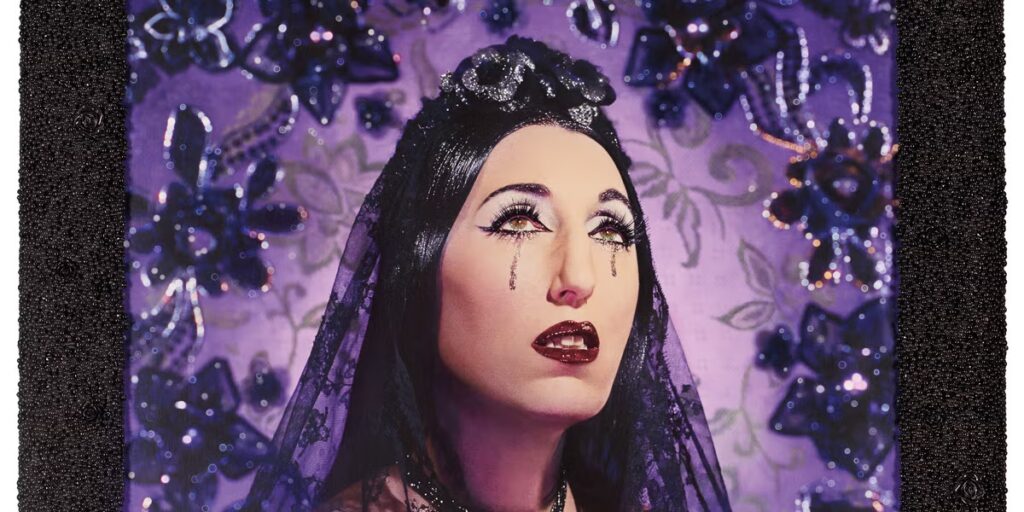
Few garments have been as imitated, reinterpreted, and misunderstood as the mantilla. The iconic lace veil with Spanish roots has endured for centuries. What started as an object traditionally worn for ceremonies has had a renaissance via Madonna, Rosalía, and Dolce & Gabbana, just to name a few. That’s just one of the reasons why The Hispanic Society Museum & Library in New York is opening its new exhibition “The Mantilla: Fashion Unveiled” beginning November 20. The museum calls the mantilla the “most distinctive garment in Spanish women’s fashion with origins dating to the 16th century.” Curated by Spanish-born scholar Carlos Usabiaga López, the show merges fashion, art, and archival material to shine a light on an iconic garment that has been donned on screen, on runways, and on red carpets for generations.
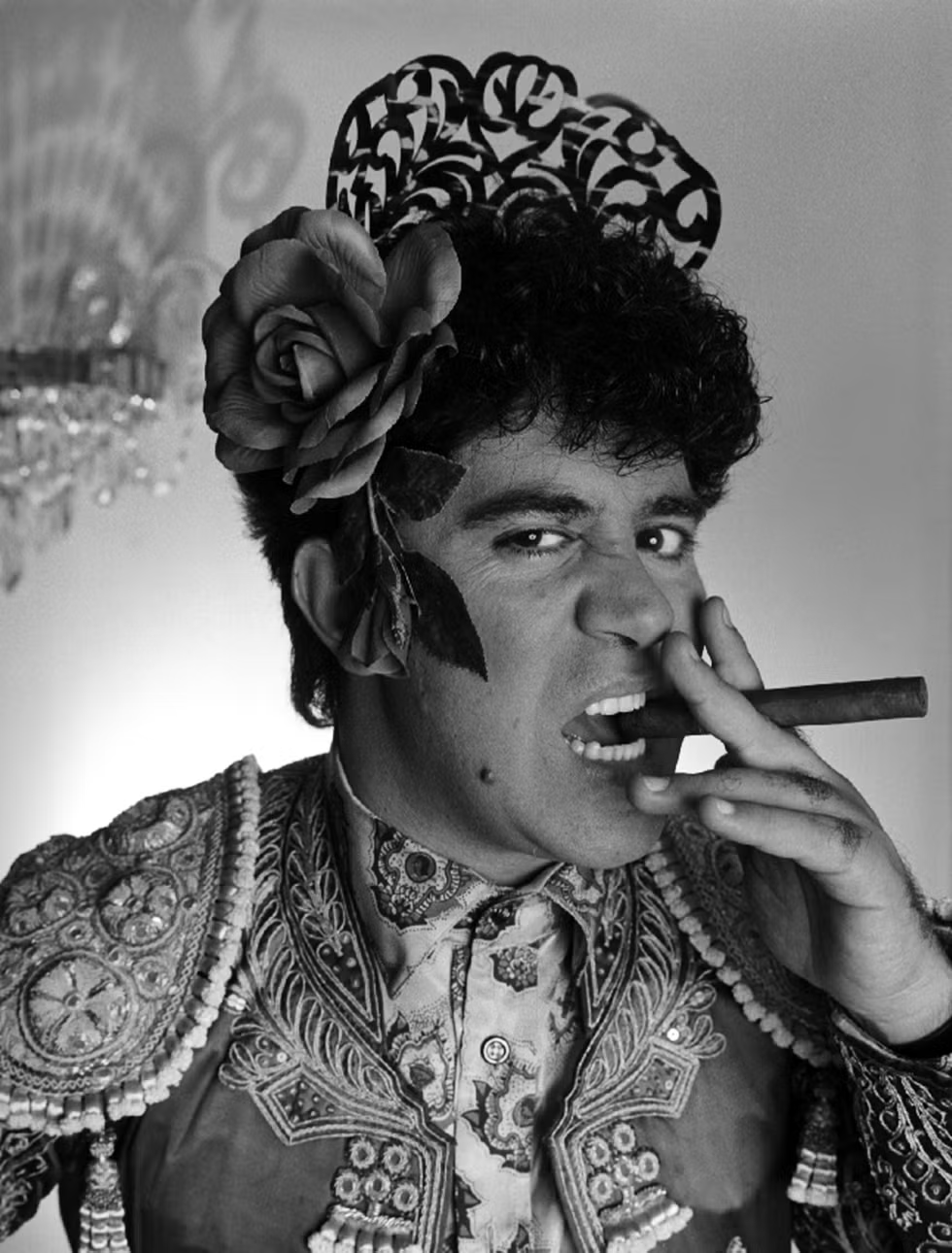
“The understanding of the mantilla in all its complexity is often limited, either by a superficial reading of the symbol itself or by its association with an old-fashioned, rather conservative image of Spain,” López tells ELLE. “This exhibition challenges the perception of the mantilla as an anachronistic relic of the past and reclaims its continued cultural relevance and subversive potential. From Spanish countercultural movements such as ‘La Movida Madrileña’ to drag performance, the mantilla has repeatedly been appropriated and reimagined in ways that reveal its capacity to carry new meanings.”
Pedro Almodóvar by Christopher Makos.
The exhibition is the second installment in the Hispanic Society’s multiyear fashion initiative, which focuses on reinterpreting its own renowned collection through a new lens. The museum was founded in 1903 by American philanthropist Archer Milton Huntington and has many visual examples of the garment, including Francisco Goya’s famed portrait of María del Pilar Teresa Cayetana de Silva y Álvarez de Toledo, the 13th Duchess of Alba (1762–1802). “By bringing together works of art, fashion, and material culture, the iconography of the mantilla activates a collection of such an extraordinary diversity, through unexpected dialogues between the museum’s different departments and international loans,” adds López.
The new exhibition pulls from many cultural moments new and old, including the “Spanish Craze,” which was a period of cultural fascination with Spain in the United States spanning 1890 to 1930. “During this period, the mantilla became part of a highly recognizable visual language through which Spain was imagined and represented in America,” says López. “Spanish performers who travelled to the United States achieved remarkable success: Raquel Meller, for instance, appeared on the cover of Time magazine in 1926, while Concha Piquer starred in From Far Seville (1923).” He also points to the reinterpretation of the mantilla in The Devil Is a Woman (1935), starring Marlene Dietrich.
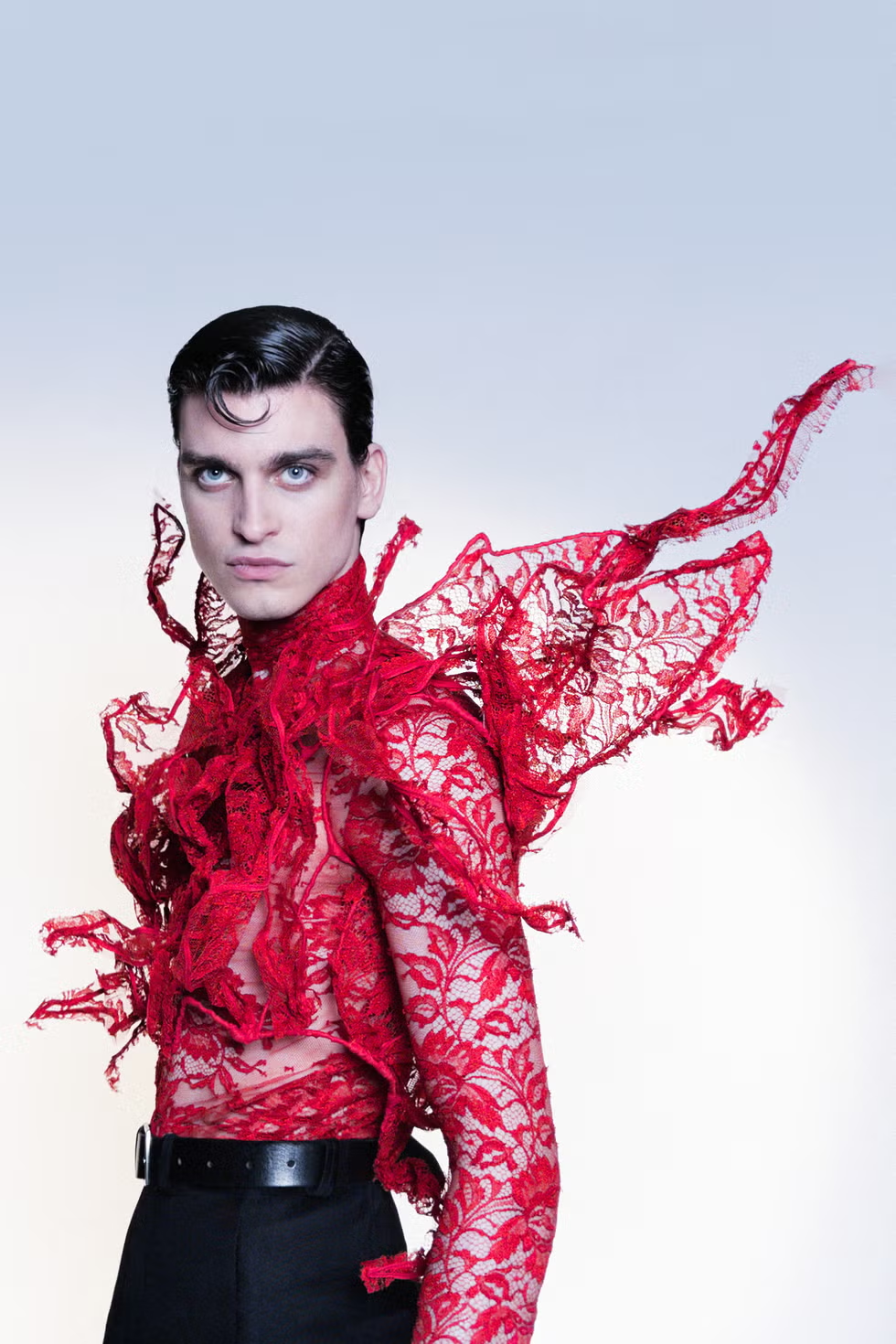
Designer Arturo Obegero’s Spring/Summer 2025 collection, titled El Amor Brujo, photographed by Marcel Nestler.
Fashion naturally plays a role in the show, especially through the imagination of emerging designers, like Arturo Obegero. “Throughout the history of fashion, major designers such as Cristóbal Balenciaga and Óscar de la Renta have drawn inspiration from this [Spanish] visual language, including the mantilla,” adds López. “However, it was a curatorial decision to bring contemporary designers, including emerging voices, into direct conversation with the masterpieces in order to make justice to the mantilla’s enduring influence on fashion to this day.”
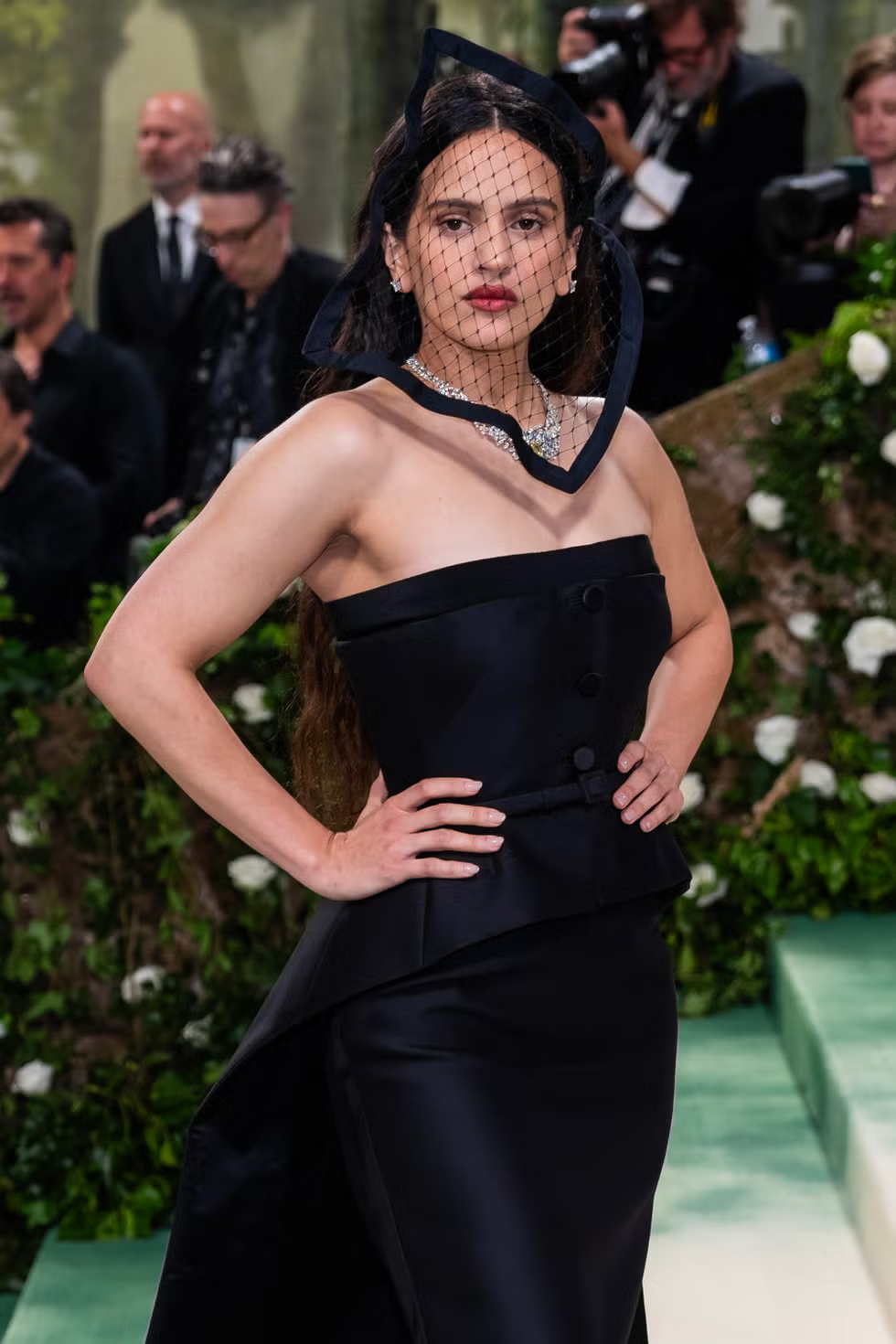
Rosalía wearing a modernist take on the mantilla at the 2024 Met Gala.
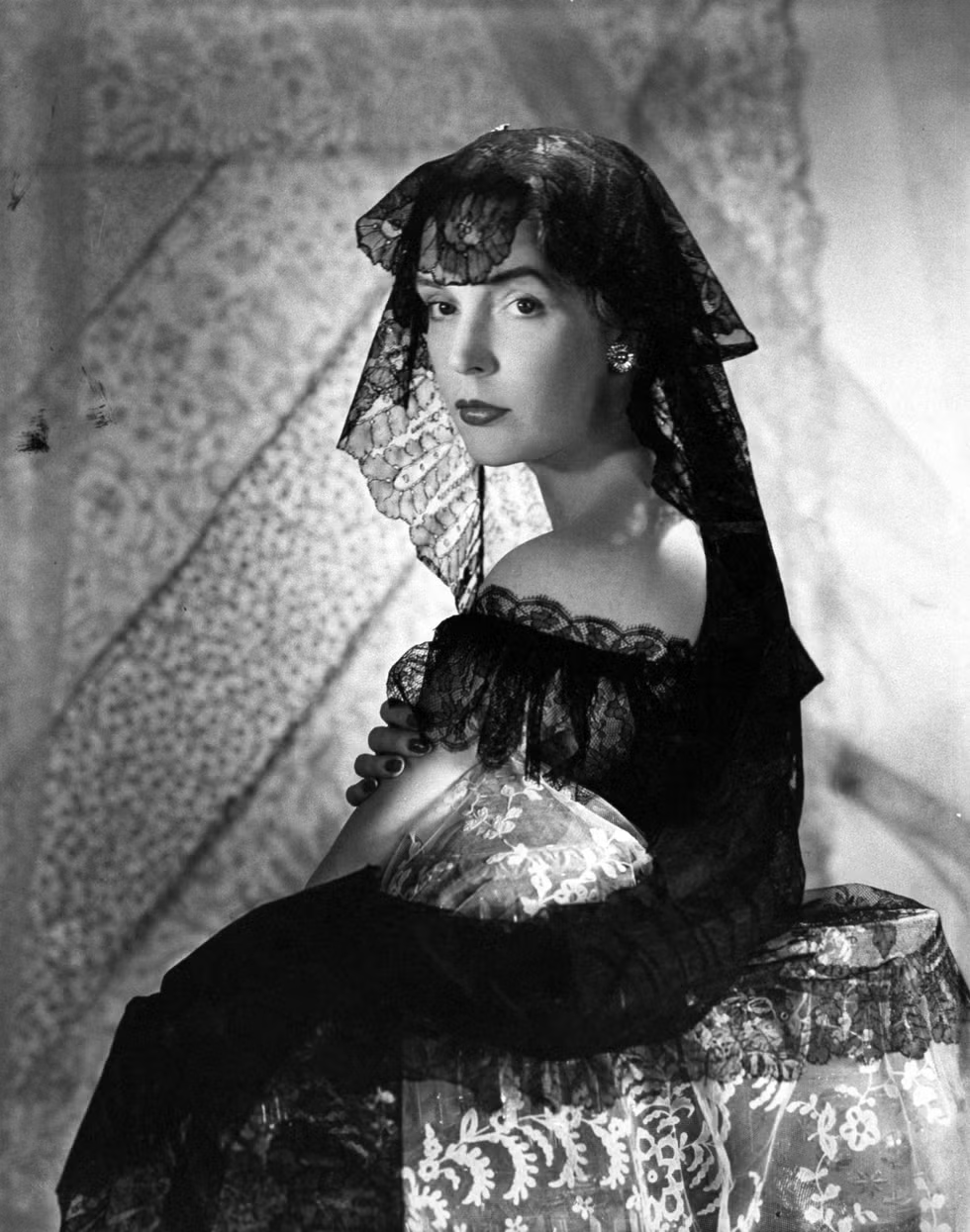
An example of the mantilla as a fashion object in 1940s fashion magazines.
The mantilla has been loved (and reinvented) in contemporary fashion at least since the 1940s, when it appeared in numerous fashion magazines. Today, the references are endless and people of all cultures and backgrounds are embracing it. “I think there is something particularly beautiful about the fact that those who have historically been excluded from the dominant narrative, who may have felt unrepresented or even oppressed by these national symbols, can now feel encouraged to revisit this folklore and expand its boundaries to make room for others to do the same,” says López. As the exhibition makes clear, the mantilla’s compelling story is still unfolding.
“The Mantilla: Fashion Unveiled” is on view at The Hispanic Society Museum & Library from Nov. 20, 2026, through March 28, 2027.
Source: ELLE
Source link