

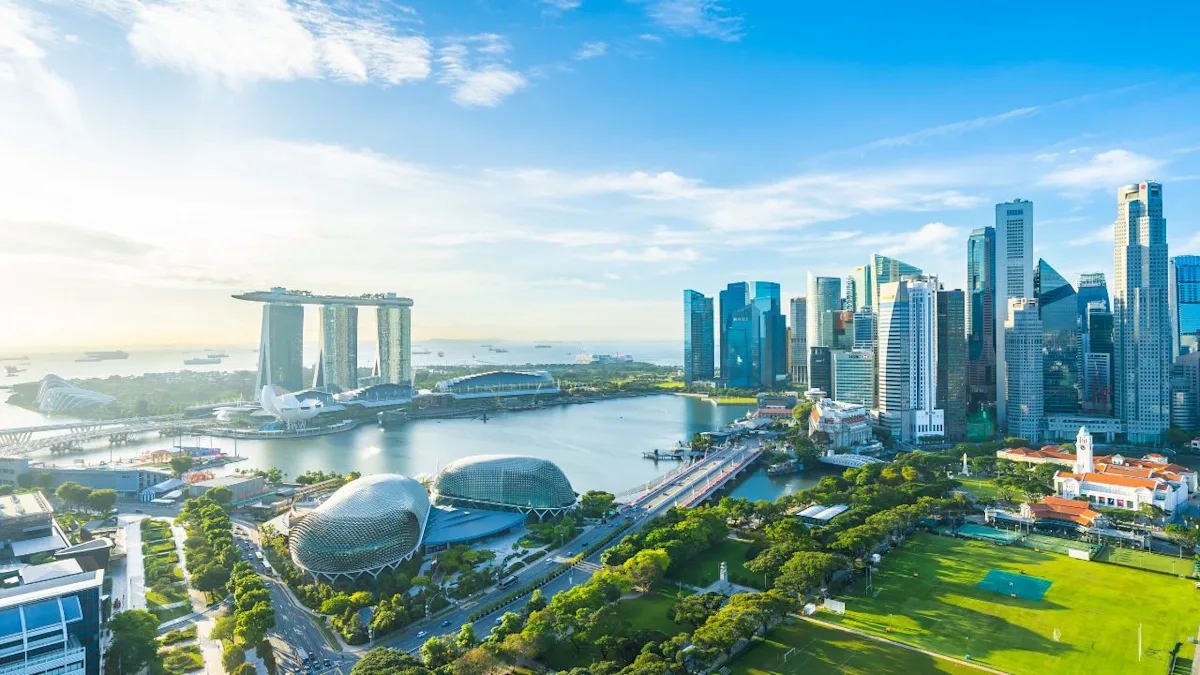
Spend a few days in any city abroad, and chances are, the thought “I could totally live here” has passed through your mind. But while the rose-colored lens of being on vacation in a new place tends to warp reality, you’re not commuting, doing errands, or dealing with the everyday life logistics, there is one city that the charm, cleanliness, and ease of daily life might convince you to make a permanent move.
Named the World’s Cleanest City for 2025, Singapore is in a unique class of its own. Walk around for a day, and you’ll notice how well-kept everything is, the roads and sidewalks, the parks and public green spaces, even the transit stations are noticeably cared for, which only adds to the enjoyment of hopping on the metro, which is rarely delayed. Here’s what else sets Singapore apart, and why it has so many travelers daydreaming about what life there might look like long-term.
Predictable and Reliable
After a day or two in Singapore, most visitors pick up on the same feeling: the city is well-maintained, functions smoothly, and the experience is consistent no matter where you go. That high baseline is what makes the rest of Singapore’s strengths, the food, the greenery, and the culture, even easier to enjoy.
Whether you’re in one of the sprawling shopping malls, hopping between meetings in the business district, or having a nice dinner on the Boat Quay waterfront, you won’t see overflowing trash bins, delivery trucks blocking walkways, or outdoor seating areas left messy. It’s part of why Singapore gives off such a strong first impression, and why so many first-time visitors end up planning a return trip before they’ve even left.
Food Hygiene Standards
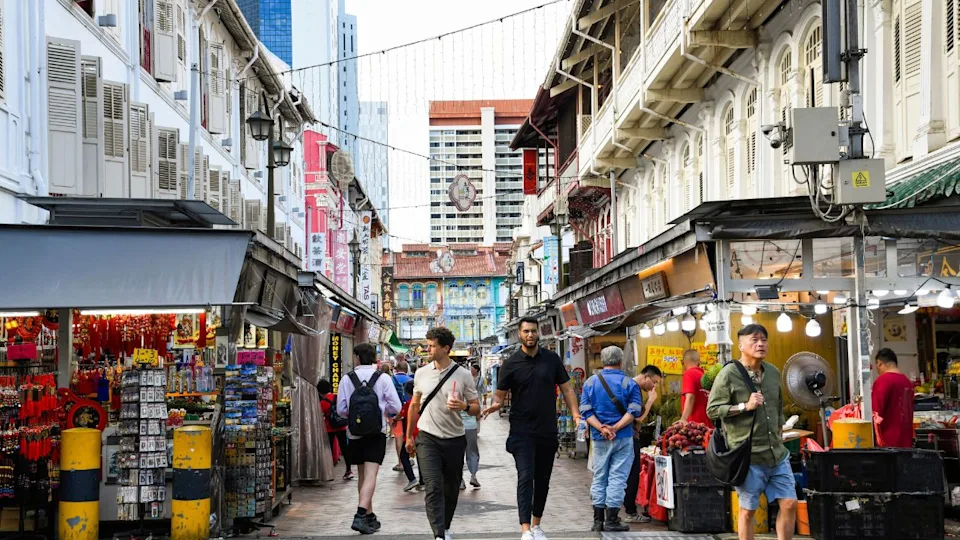
Image Credit:Shutterstock.
You’ll quickly find out that one of the city’s best features is the food. Located at the crossroads of Southeast Asia and shaped by Chinese, Malay, and Indian influences, the city is home to some of the world’s tastiest food markets. At Maxwell Food Centre, you can try chicken rice from the famous Tian Tian stall, and at Lau Pa Sat, you can sip on fresh sugarcane juice while sampling satay straight off the grill.
Because of Singapore’s strict regulations around food hygiene, health codes, and stall inspections, you never have to worry about being served something that might make you ill. These markets, more commonly known as hawker centres, can feel intimidating at first thanks to long lines, unfamiliar menus, and the sheer number of stalls.
Knowing that everything you’re about to try has been prepared in clean conditions makes the whole experience more approachable. They’re also some of the most affordable spots in the city, so while you eat your way through each market, your wallet gets a break, too.
Green Spaces Built Into the City
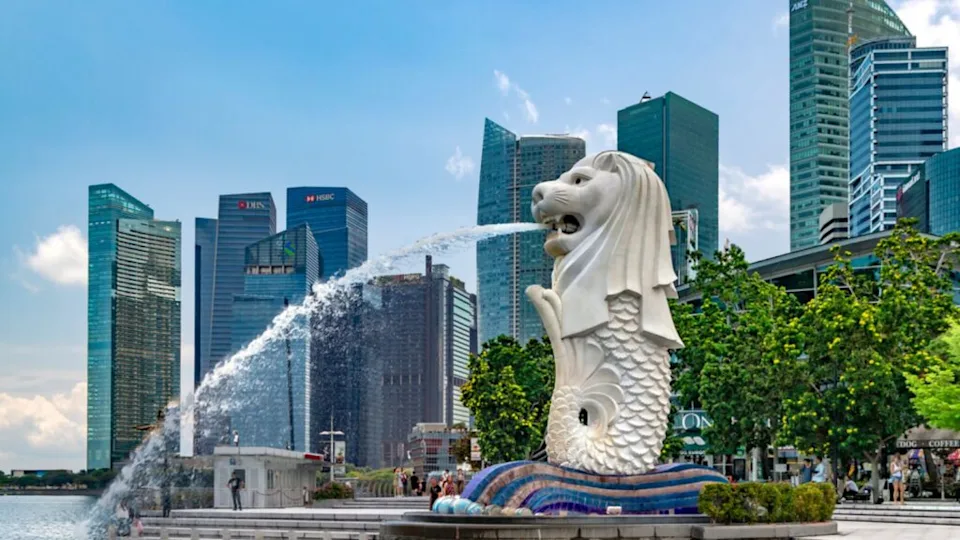
Image Credit: Shutterstock
Singapore balances out the density of its 6 million residents via a network of parks, gardens, and landscaped public spaces that people actually use. And while this may seem most obvious around major tourist sites like the boardwalk in front of Marina Bay Sands or at Gardens by the Bay, if you wander into nearly any neighborhood, you’ll find local parks, playgrounds, landscaped walkways, and plenty of public common areas among the residential streets. Some high-rise buildings even have greenery on their exterior walls, creating vertical parks that improve air quality throughout the city.
The city’s active, outdoor culture also contributes to how clean the city feels. Walk around at dusk and you’ll no doubt see tons of joggers, dog walkers, and people enjoying dinner at a table out on the sidewalk. Because these spaces stay full of people and foot traffic, they tend to stay well-kept, rather than neglected and overlooked public spaces that you might find in other busy cities.
A Considerate Culture
This high-functioning society didn’t evolve by chance. In Singapore, everyday behavior is shaped by a set of social norms that most residents take seriously. People dispose of trash properly, avoid smoking where it is prohibited (and never throw cigarette butts on the ground), and in general, people keep public spaces clean without being told.
Visitors tend to adapt within a day or two because the societal norms are fairly obvious, and cleanliness and order tend to snowball with momentum, meaning, if you enter a public restroom. It’s already clean; chances are, you’ll do your best to keep it that way. And yes, the long-running myth about chewing gum being illegal is mostly true — you won’t find it sold anywhere. Small cultural differences are what make Singapore feel distinct from most other major cities and helped secure its title as the World’s Cleanest City.
Bottom Line
The standards Singapore sets for cleanliness, orderliness, and livability are hard to beat. Every part of the city seems to follow the same high standards, which makes daily life feel seamless for residents and visitors alike, and a quick trip will make it easy to understand why so many travelers walk away feeling like Singapore is a place they could actually call home.