


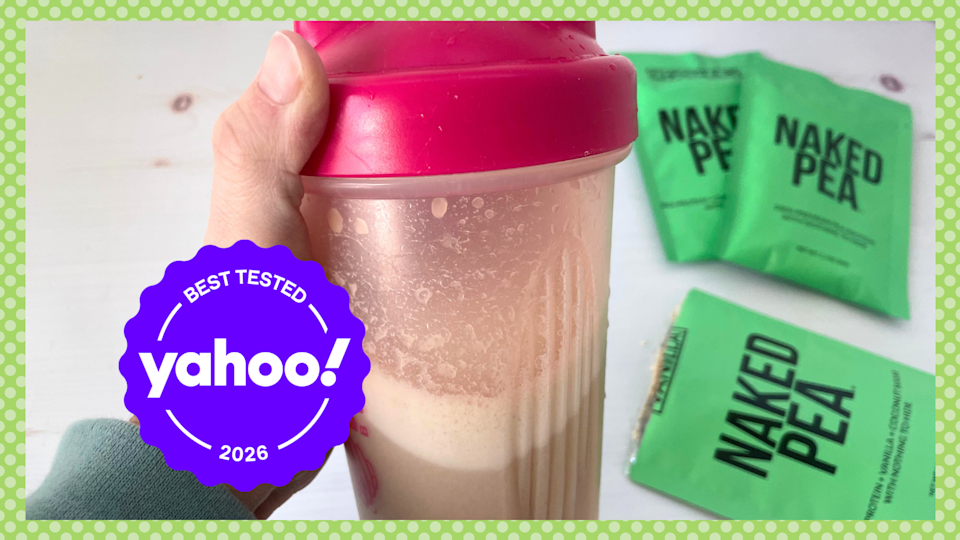
There are plenty of high-quality vegan protein powders on the market, so we set out to determine the best. (Kelli McGrane, MS, RD)
Don’t let the term “vegan” make you click away. Sure, they’re marketed toward plant-based eaters, but they’re not just for folks avoiding animal products and byproducts. According to sports dietitian Ellen Landes, the best vegan protein powder offers a powerhouse blend of nutrients, diverse amino acids and eco-friendly benefits. “Vegan protein powder is a great way to ensure you are getting enough protein into your diet when you have dietary restrictions, allergies or have issues digesting whey protein,” says Bridget Isaacs, a registered dietitian nutritionist based in Massachusetts.
Whether you’re eating plant-based full-time or just want to mix things up, these powders can fit right into your lifestyle — ethically and nutritionally.
Sure, whey has been the MVP of muscle building for years. But research shows that as long as your plant-based powder includes adequate amounts of all nine essential amino acids, it can be just as effective for strength and recovery. Bonus: A quick shake makes for a super-easy snack or post-workout fuel, and it can help support weight goals or simply boost your daily protein intake.
Vegan protein comes from all sorts of plants, each with its own pros and cons. Brown rice protein, for example, is budget-friendly but lacks one essential amino acid. On the other hand, pea protein is a complete protein, meaning it contains all nine essential amino acids; however, it can be higher in sodium and slightly pricier. So, which one is right for you? The decision comes down to your budget, taste preferences and health goals.
As a registered dietitian with over 13 years of experience recommending (and personally using) protein powders, I set out to make your search easier. I consulted two of my fellow RDs, researched over 20 products and taste-tested the top contenders. Here’s what made the cut.
Related: If you’re looking to boost your protein intake but aren’t 100% sure that a plant-based powder is right for you, check out our lists of the best protein powders for women and the best overall protein powders.
A note on supplements
The products included on this list are dietary supplements. Statements about these products have not been evaluated by the Food and Drug Administration. These products are not intended to diagnose, treat, cure, or prevent any disease. Dietary supplements are not appropriate for everyone and may interact with other supplements or medications, so talk to your healthcare provider before adding a dietary supplement to your routine.
Best overall vegan protein powder for 2026

Kelli McGrane/Yahoo
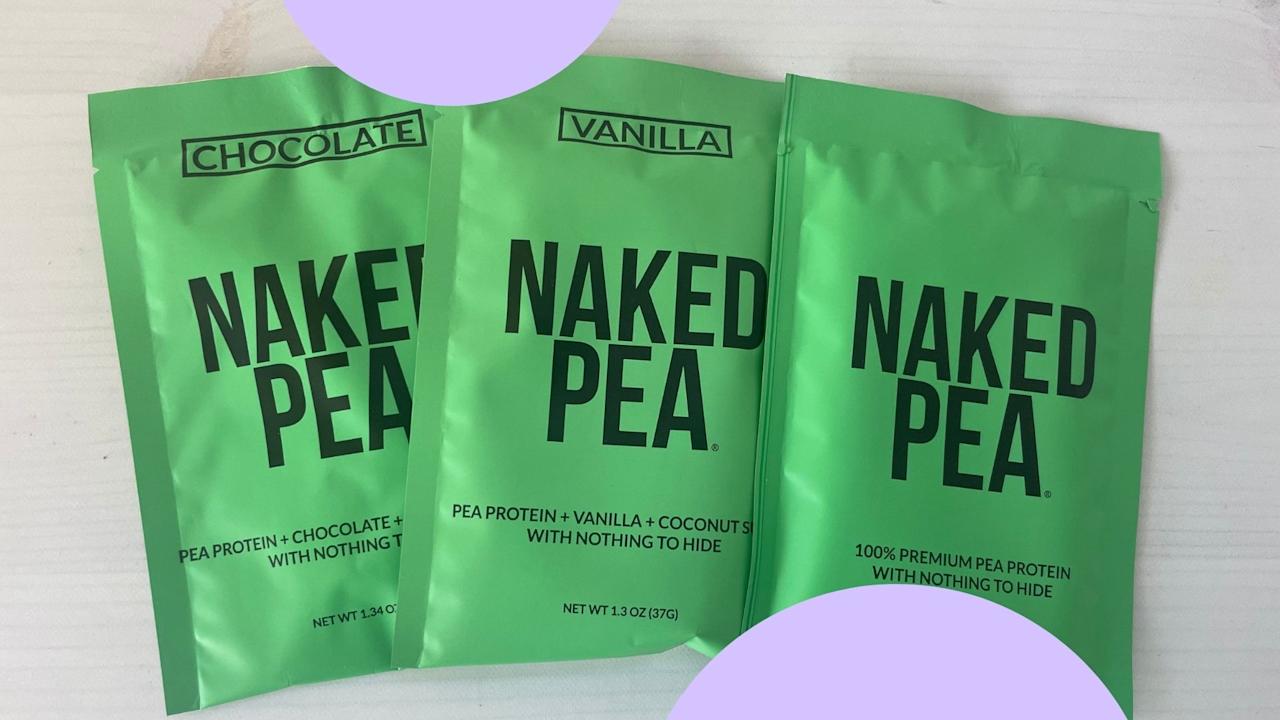
Protein type: Pea | Protein per serving: 25 g | Serving size: 2 scoops (38 g) | Nutrition (Chocolate): 160 calories, 4 g total fat, 1 g saturated fat, 8 g total carbs, 2 g fiber, 5 g total sugars, 3 g added sugars | Flavors: Chocolate, Chocolate Peanut Butter, Double Chocolate, Unflavored, Vanilla
Naked Nutrition is known for producing high-quality protein powders with limited ingredients. In fact, the company’s Unflavored Pea Protein contains just one: yellow pea protein. While the flavored options have two or three additional ingredients, they’re all free of artificial flavors, colors, preservatives, thickeners and other additives.
In addition to boasting an impressive ingredient list, Naked Nutrition Pea Protein is affordable, Informed Choice-certified, available in flavored and unflavored varieties and mixes readily, earning it our pick as the best overall vegan protein powder.
Depending on the flavor, each two-scoop serving delivers 25–27 grams of complete protein with just 2 grams of added sugar. During testing, I sampled the vanilla, chocolate and unflavored varieties, all of which blended effortlessly in a shaker bottle. While the unflavored option had a slight chalkiness, the overall textures were smooth and enjoyable.
A five-star Amazon reviewer said it’s less chalky than other brands and noted that it has “a higher percentage of protein than many others, which allows you to use less while still getting the same amount of protein. It also has a much better consistency. It’s the only one that I can slam down 80 grams of with just pure water and not be put off by the taste and texture.”
What truly stood out about the Naked Nutrition powder, though, was its absence of artificial flavors or unpleasant aftertaste. This makes it one of the most versatile options on our list. That said, the vanilla and chocolate flavors were quite subtle due to their minimal sweetness, especially when mixed with just water. I found all three varieties shone when they were paired with oat milk or blended into a smoothie, adding flavor and creaminess.
- Informed Choice-certified
- Minimal ingredient list
- Doesn’t contain stevia or other sugar substitutes
- Available in multiple flavors and unflavored
- Mixes easily
- Not overly sweet
- No unpleasant aftertaste
- Might not be sweet or flavorful enough for some
Other top vegan protein powders we recommend for 2026
Kelli McGrane/Yahoo
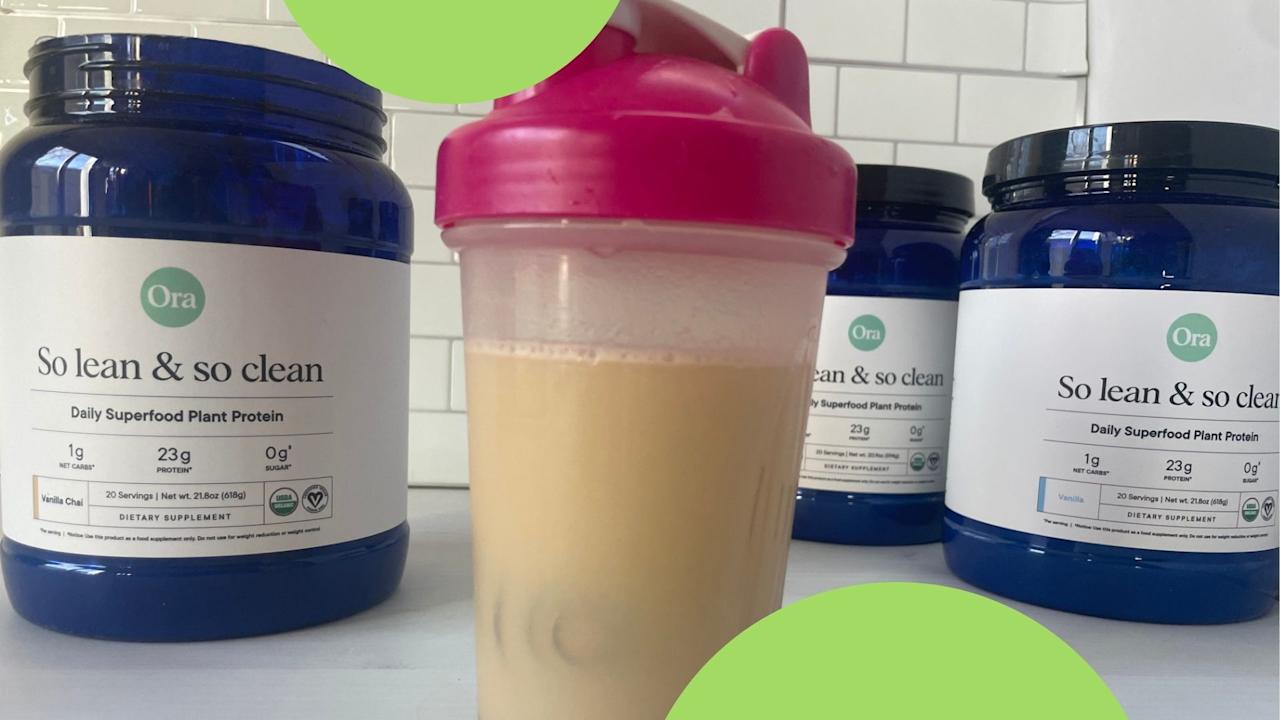
Protein type: Pea, rice, amaranth, sprouted quinoa | Protein per serving: 23 g | Serving size: 2 scoops (31 g) | Nutrition (Vanilla): 130 calories, 3 g total fat, 1 g saturated fat, 3 g total carbs, 2 g fiber, 0 g added sugar | Flavors: Vanilla, Vanilla Chai, Chocolate, Unsweetened & Unflavored
Boasting organic and vegan third-party certifications, Ora So Clean So Clean is our go-to pick for an organic vegan protein powder. Each single-scoop serving features at least 21 grams of protein sourced from organic peas, rice, amaranth and sprouted quinoa. The powder is also an excellent source of iron, offering 27% of your recommended daily value.
I’ve used this powder off and on for more than 10 years and was over the moon when I saw the company revamped the formulation to make it smoother and sweeten it without stevia. Instead, So Lean & So Clean contains monk fruit, a natural sugar substitute with a subtle taste and — most important — no aftertaste. The powder comes in four flavors: Vanilla Chai, Vanilla, Chocolate and Unsweetened & Unflavored.
During testing, I sampled three flavors and was impressed by how effortlessly they mixed. A few shakes in my blender bottle resulted in a smooth blend with no clumps or grittiness. With its warming spices, the Vanilla Chai was my favorite for drinking straight, while the Vanilla’s subtle, mellow flavor made it perfect for smoothies and overnight oats. The Unsweetened & Unflavored powder lived up to its name and blended seamlessly into my smoothies and homemade granola bars without altering their taste.
Reviewers also love the flavor profiles. One says, “If you like chai tea drinks, then this is the protein powder for you! I love this chai flavor, best one I’ve tried thus far. Doesn’t have that protein aftertaste. I add it to my smoothies and it gives them a rich, creamy taste. It’s pricey but definitely worth it.”
Ora Organic So Lean & So Clean Protein Powder is third-party-tested with certificates of analysis available online for full transparency. Just keep in mind that because it also contains digestive enzymes, the powder may be inappropriate for some, including those taking blood thinners or anti-inflammatory medications.
- Certified vegan and organic
- Limited ingredient list that’s free of artificial additives, sweeteners and preservatives
- Third-party-tested for purity and potency
- Doesn’t contain stevia
- Available in unflavored and flavored varieties
- Mixes easily and has a smooth texture
- Expensive
- Vanilla chai flavor might be too sweet, while vanilla might be too mellow
- Digestive enzyme blend isn’t appropriate for everyone
Kelli McGrane/Yahoo
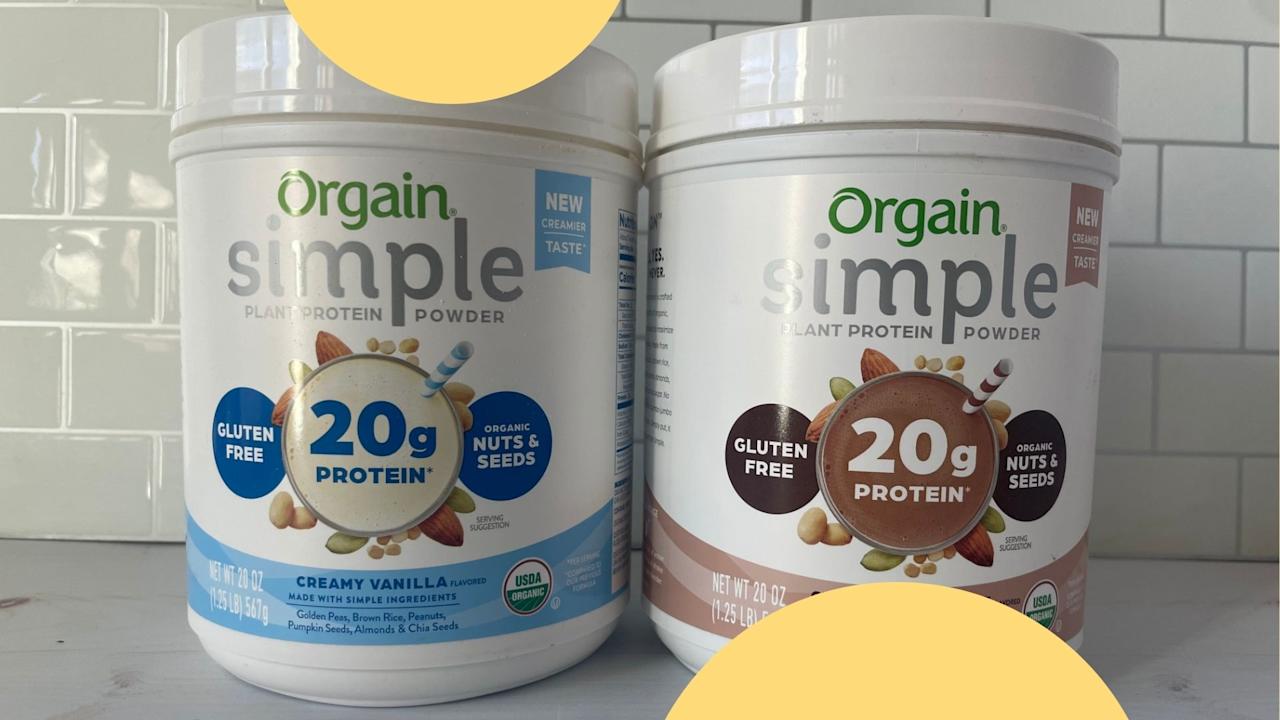
Protein type: Pea, brown rice, roasted peanut flour, pumpkin seed, almond, chia seed | Protein per serving: 20 g | Serving size: 2 scoops (40 g) | Nutrition (Vanilla): 150 calories, 2.5 g total fat, 0.5 g saturated fat, 11 g total carbs, 3 g fiber, 3 g total sugars, 2 g added sugars | Flavors: Chocolate, Peanut Butter, Vanilla
Orgain Simple earns our top pick for vanilla by striking an impressive balance of quality, price and performance. For under $25 per container, it delivers 20 grams of protein per serving from organic plant-based sources like pea protein, brown rice, peanut flour, almonds, pumpkin seeds and chia seeds. The short ingredient list, coconut sugar sweetener and lack of artificial additives make it a strong choice for anyone seeking clean, affordable nutrition.
In testing, the Vanilla flavor stood out for its smooth mixing, pleasant taste and lack of aftertaste. The flavor itself was well-balanced — clearly vanilla, with a subtle nuttiness from the peanut flour and almond protein that added depth without overpowering it.
Reviewers agree, with one saying, “Out of all the protein powers I’ve tried, this one definitely tastes the best and it blends well. Also, I’ve experienced no digestive issues, so overall pleased with it.”
Although this powder is USDA-certified organic and undergoes internal purity testing, it’s not third-party-tested — something to keep in mind if external verification is a priority for you.
- USDA-certified organic
- Sweetened with coconut sugar, not stevia or other sugar substitutes
- Mixes easily
- Nutty, sweet flavor with very little aftertaste
- Smooth, refreshing texture
- Relatively affordable and widely available
- No soy or gluten
- Not third-party-tested for purity and potency
- No unflavored option
Kelli McGrane, MS, RD
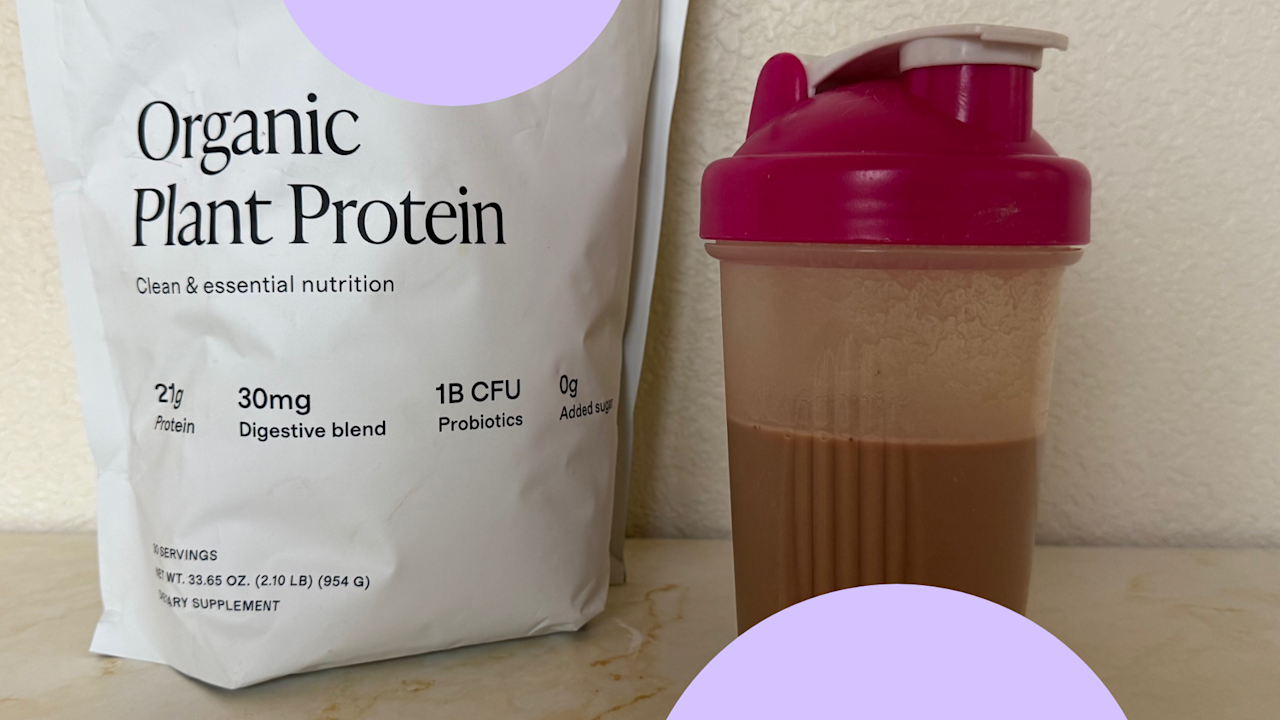
Protein type: Pea, brown rice, chia seed, pumpkin | Protein per serving: 21 g | Serving size: 1 scoop (31.8 g) | Nutrition: 120 calories, 43.5g total fat, 1.5 g saturated fat, 2 g total carbs, <1 g fiber, 0 g total sugars, 0 g added sugars | Flavors: Chocolate, Vanilla Bean
Quince is best known for offering luxury items at accessible prices — and its supplement line follows suit. Quince Organic Plant Protein stands out as our pick for best chocolate thanks to its rich, clean flavor, which is free from the artificial aftertaste common in many plant-based powders. Made without sugar alcohols or stevia, it delivers a genuinely chocolatey taste that impressed us in testing.
The texture is another highlight. It’s surprisingly thick and creamy — even when mixed with just water and a splash of oat milk — and truly shines when blended with a frozen banana for a Wendy’s Frosty–inspired treat. At just $1.34 per serving, it’s also one of the more affordable protein powders of this quality, while still being third-party tested, USDA-certified organic and free from artificial additives.
A few things to keep in mind: It’s only available through Quince’s website (though shipping is free), and it includes added vitamins and minerals, which could contribute to excess intake if you’re already taking a multivitamin or another multi-nutrient supplement.
- Third-party tested for purity and potency
- Rich, creamy taste
- 25% of the Daily Value for iron
- Naturally sweetened with monk fruit extract
- Certified organic
- No unflavored option
- Only available on Quince’s website
- Additional vitamins and minerals aren’t necessary for every one
Kelli McGrane, MS, RD
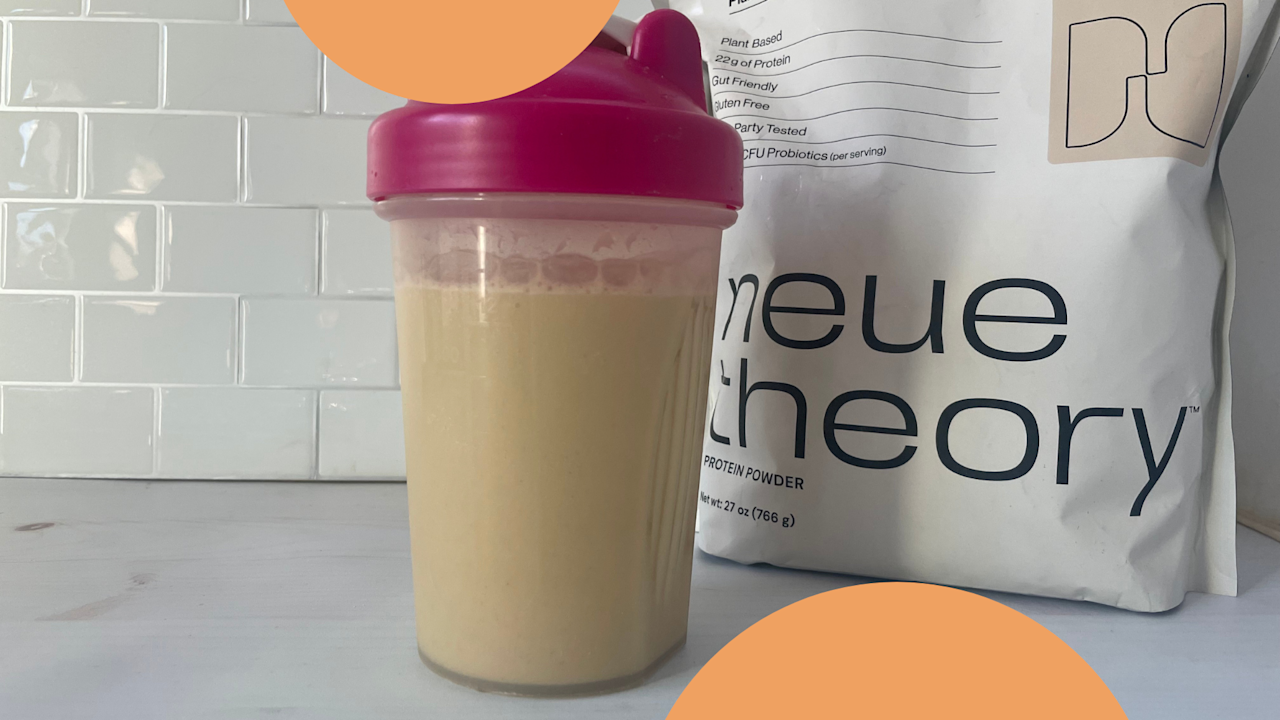
Protein type: Pea, hemp | Protein per serving: 22 g | Serving size: 2 scoops (39.6 g) | Nutrition (Vanilla Bean): 145 calories, 4 g total fat, 1 g saturated fat, 4 g total carbs, 1 g fiber, sugar not listed | Flavors: Vanilla Bean, Chocolate Silk
Formulated by registered dietitian Abbey Sharp, Neue Theory delivers a complete amino acid profile, including 500 milligrams of leucine to support muscle growth. The inclusion of 500 milligrams of leucine — a key amino acid involved in triggering muscle protein synthesis — helps reinforce its muscle-building focus. Combined with its low carb content and easy mixability, it’s particularly well-suited for post-workout shakes or between-meal protein boosts on training days.
Each two-scoop serving provides 22 grams of protein and just 4 grams of total carbs, making it a smart option for those following a reduced-carb diet or looking for a lower-carb powder to add to smoothies or DIY protein shakes.
Beyond its performance credentials, the powder stood out in testing for how easily it mixed. The French Vanilla flavor was especially impressive, with a notably creamy texture. It’s also formulated with digestive enzymes and probiotics to support gut health—an added perk for some, though worth noting if you already take a separate probiotic supplement or prefer a simpler formula.
- Third-party tested for purity and potency
- 2.5 grams leucine to support muscle growth
- Probiotics for gut health
- Enjoyable flavors
- Easy to mix
- Only available on the company’s website
- Probiotics and digestive enzymes may not be suitable for everyone
- No unflavored option
Kelli McGrane/Yahoo
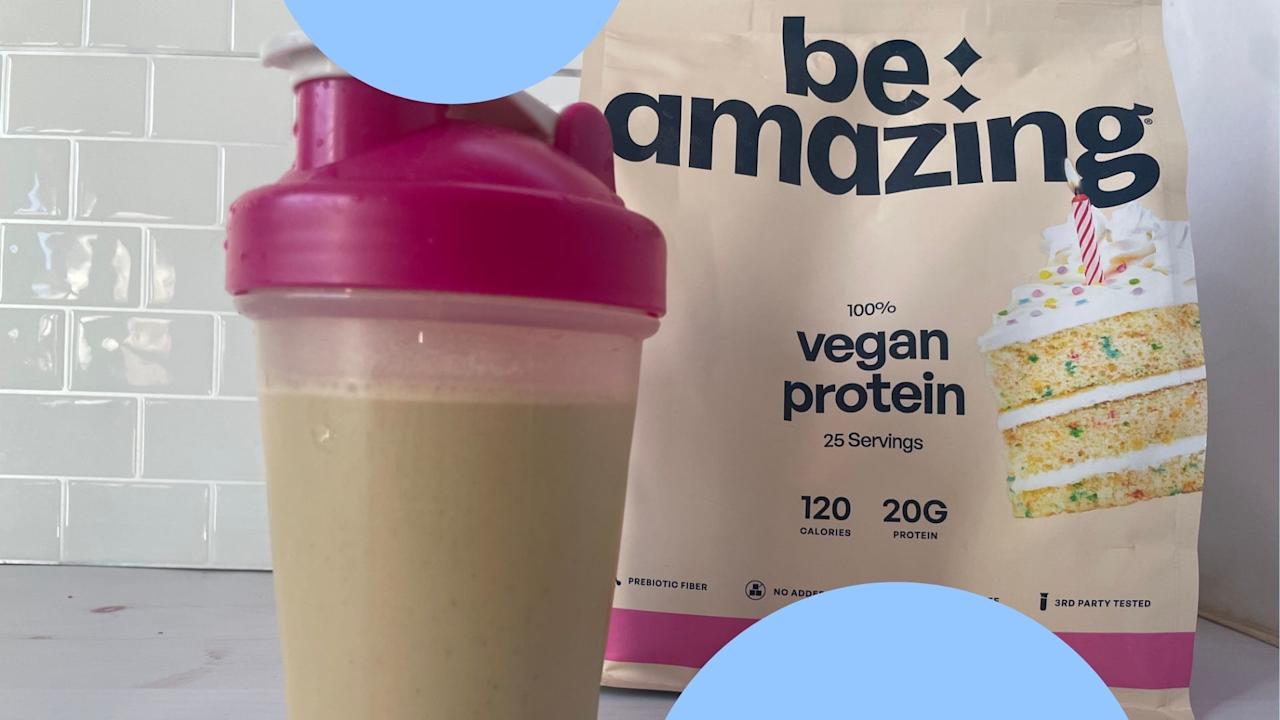
Protein type: Pea and pumpkin seed | Protein per serving: 20 g | Serving size: 1 scoop (33.3 g) | Nutrition (Birthday Cake): 120 calories, 3 g total fat, 1 g saturated fat, 3 g total carbs, 1 g fiber, 0 g total sugars | Flavors: Birthday Cake, Cinn-A-Stack Pancakes, Brown Sugar Oatmeal, Chocolate Brownie Batter, Pancakes & Syrup, Double Blueberry Pancakes
Be Amazing is a supplement company offering a tasty lineup of dessert-inspired vegan protein powders. With options like Birthday Cake, Pancakes & Syrup and Chocolate Brownie Batter, the brand is an obvious choice for anyone with a sweet tooth.
Despite tasting like dessert, this protein powder has an impressive nutrition profile: It offers 20 grams of protein, just 3 grams of total carbs and no added sugars. We also like that it’s free of artificial colors and dyes, has a short ingredient list and has been third-party-tested, with results available upon request.
I first heard about Be Amazing on social media and wasn’t sure what to expect from. As someone who loves all things Funfetti, I opted to try Birthday Cake, and I’m happy to report that it did not disappoint. The flavor was true to its name, with a vanilla-forward base and subtle frosting notes. While it was sweet, it was also more refreshing than I’d expected. In terms of mixing, the powder blended quickly, though there was some sediment at the bottom of my blender bottle.
One Amazon reviewer called it their favorite vegan protein: “I usually don’t write reviews, but this product is awesome. I’ve tried a few different vegan protein powders and this one is by far the best in texture and flavor. So far, my favorite flavor from this brand is the Brown Sugar Oatmeal (tastes just like a bowl of actual brown sugar oatmeal!), but the Birthday Cake and Fruity Cereal were also great. It mixes very well and doesn’t have a grainy texture like some other brands or super fake flavor.”
The biggest downside, other than being potentially too sweet for some, is the inclusion of sucralose. Sucralose is an artificial sweetener that’s somewhat controversial in the health world. Some studies suggest that regular, long-term consumption of sucralose may negatively affect gut health, inflammation and metabolic health. That said, it’s generally considered safe in moderation.
- Third-party-tested for purity and potency
- Available in several dessert-inspired flavors
- No artificial colors or flavors
- Easy to mix with a relatively smooth texture
- Sweetened with sucralose
- Might be too sweet for some
- No unflavored option
- Limited flavor options on Amazon
- Expensive
Types of vegan protein powders
Vegan protein powders each have their own benefits, drawbacks and nutritional profiles. Here’s a closer look at the most common types and what sets them apart:
-
Brown rice protein: Brown rice protein powder tends to be more affordable and is a good source of BCAAs. That said, it isn’t a complete protein source, and rice-based powders are more susceptible to heavy metal contamination. For this reason, if you opt for a rice-based powder, choose one that’s third-party-tested for heavy metals and other contaminants.
-
Hemp protein: Sourced from the seeds of industrial hemp plants, hemp protein is cultivated to contain only trace amounts of tetrahydrocannabinol (THC), so there’s no need to worry about any psychoactive effects. Packed with nutrients, hemp protein is an excellent source of plant-based protein, dietary fiber, healthy fats (including omega-3 and omega-6 fatty acids), zinc, magnesium and iron. However, it falls short of being a complete protein due to its low lysine content.
-
Pea protein: This protein is derived from yellow peas and is a standout choice for vegans. It provides all nine essential amino acids, making it a complete protein, and it’s naturally rich in iron. Another advantage is easier digestibility, which makes it more gentle on the stomach than other plant-based protein sources.
-
Soy protein: Extracted from soybeans, soy protein is a complete protein source. In other words, it doesn’t require blending with other sources to provide all essential amino acids, says Landes. Additionally, soy is known for its digestibility, making it a reliable option for many. That said, it may not be ideal for individuals with soy allergies or thyroid-related concerns.
-
Blended plant protein: These protein powders combine multiple plant-based sources, such as chia seeds, pumpkin seeds, rice and pea protein. The blends typically create a complete amino acid profile, providing all nine essential amino acids. Most notably, these powders include sufficient amounts of leucine, a key amino acid that supports muscle growth and recovery.
Factors to consider when choosing a vegan protein powder
There’s plenty to think about when you’re shopping for the right vegan protein powder for your goals. Here are the key factors to consider to help you find a product that aligns with your preferences, lifestyle and budget:
-
Protein content: Your protein needs will vary depending on factors like your activity level and fitness goals. Athletes typically require a higher protein intake, but as a rule of thumb, look for a powder that provides at least 20 grams of protein per serving.
-
Amino acid profile: For optimal muscle building and recovery, choose powders that include all nine essential amino acids. Prioritize those with adequate levels of leucine, a critical amino acid for muscle growth.
-
Nutritional profile: Protein powders vary in calories, carbs and saturated fats. Select one that aligns with your dietary requirements, whether you’re focused on weight management, muscle building or overall health.
-
Taste and available flavors: Many powders come in standard flavors like chocolate and vanilla, which are great for smoothies. For more versatility, consider unflavored options for mixing into oatmeal, soups or yogurt. If you have a sweet tooth, dessert-inspired flavors like mint chocolate chip or birthday cake can satisfy cravings. Checking online reviews or sampling smaller sizes can help you decide if a flavor suits your palate.
-
Type of sweetener: “Someone being extremely mindful of their added sugar intake might lean toward a protein powder sweetened with stevia or an artificial sweetener, while someone who dislikes the taste of stevia might opt for an artificial sweetener or sugar,” says Isaacs. Note that sugar alcohols, like erythritol, may cause digestive issues when consumed in large quantities.
-
Ease of mixing: Some powders blend effortlessly in a shaker bottle, while others require an electric blender to achieve a smooth consistency. Again, reading online reviews and buying sample-size packets are good ways to get a sense of a powder’s texture and find out how easily it mixes.
-
Digestibility: Ingredients like inulin, fibers and certain sweeteners or preservatives may affect digestion differently for everyone. If you’re prone to bloating or other digestive discomfort, look for powders labeled as easy to digest or free of specific irritants.
-
Organic: If you prefer organic products, choose powders certified by the USDA to ensure they meet strict organic standards.
-
Additional nutrients: Some powders include extras like vitamins, minerals or adaptogens. Check whether you’re already getting these nutrients elsewhere or if they might interact with any medications you’re taking.
-
Dietary needs and restrictions: If you have allergies or specific dietary preferences, such as a gluten-free, soy-free or nut-free diet, carefully review the ingredient list.
-
Third-party testing: For peace of mind, opt for third-party-tested products to ensure label accuracy and screening for heavy metals and contaminants. Competitive athletes should look for certifications like NSF or Informed Sport to guarantee compliance with sporting standards.
-
Value: Prices range widely, but the cheapest powders may come with more artificial ingredients or lower-quality protein sources. Balance affordability with quality when choosing your powder.
Ultimately, simplicity is key. As Landes advises, “Look for complete protein blends, minimal additives, third-party testing and, of course, a flavor profile you enjoy.”
How we chose the best vegan protein powder
Finding the best vegan protein powders was no easy task. To start, we consulted two registered dietitians, one of whom is also a certified personal trainer, to identify the key factors to look for in a high-quality plant-based protein powder. As a registered dietitian with over 13 years of experience using vegan and whey-based protein powders, I also drew on my knowledge of brands and ingredients to help curate the final list of products for testing.
From an initial pool of 20 brands, we selected 10 impressive products based on ingredient quality, nutritional profiles, third-party certifications, expert recommendations and online reviews. For the initial testing phase, I mixed one serving of each powder with 12 ounces of water or, as directed by the product’s label, using a blender bottle. I then evaluated ease of mixing, texture, flavor and aftertaste.
To ensure a thorough review, I tested each powder again over two weeks by incorporating it into smoothies, stirring it into overnight oats or mixing it with oat milk post-workout. This hands-on process allowed me to assess each product’s versatility, flavor and overall performance.
Other vegan protein powders we tested
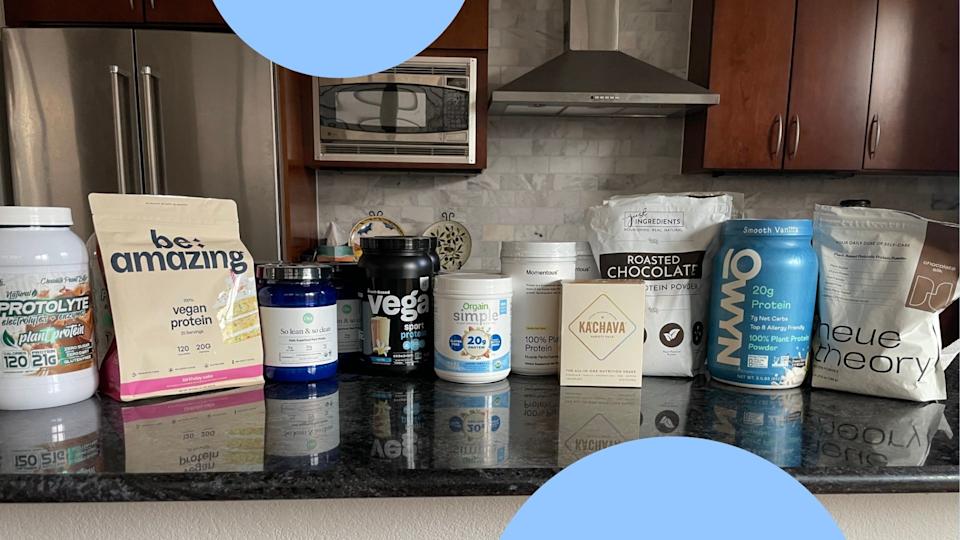
While all the proteins we tested were high-quality, not all of them made the cut for our best list. (Kelli McGrane, RD) (Kelli McGrane, RD)
-
Just Ingredients Vegan Protein Powder: I really wanted to like this powder, as it has a short ingredient list and is free from sugar alcohols, artificial additives and gluten. Plus, the company’s whey protein powder is one of my favorites. Unfortunately, the Roasted Chocolate just wasn’t my cup of tea. It had a strong cinnamon flavor and not enough sweetness to balance the bitterness from the cacao. While it mixed well, it was one of the grittiest options I tested.
-
Ka’Chava Nutrition Shakes: While it might be worth trying if you’re looking for a vegan meal replacement shake, I didn’t love Ka’Chava as much as I wanted to, especially given the price. The consistency was very thick, and the flavor was a bit too earthy. While I wouldn’t say the taste is terrible, it wasn’t my favorite. However, the biggest drawback was the texture, which was very gritty.
-
OWYN Plant-Based Protein Powder: This is a good option for people with food allergies, as it’s third-party-tested to ensure it’s free of nine of the top allergens. The powder comes in two flavors and includes a superfood greens blend for an added nutrient boost. Despite being free of artificial additives and sugar alcohols, the powder had a strong artificial taste and smell. The texture was also quite gritty after being mixed with water or milk.
-
Vega Sport Premium Vegan Protein Powder: This powder regularly lands on “best” lists thanks to its NSF Certified for Sport designation, a hefty 30 grams of plant-based protein and the addition of tart cherry powder, which may help reduce muscle soreness. It was originally our top pick for athletes. However, our tester had mixed thoughts on the taste, and a 2025 independent Consumer Reports study found elevated levels of lead and recommends limiting intake to no more than 3.5 servings per week.
-
Momentous 100% Plant Protein Powder: Similar to Vega Sport, this option is geared toward athletes thanks to its NSF Certified for Sport designation, complete amino acid profile and added electrolytes for exercise recovery. During testing, we liked the chocolate flavor, but found the Vanilla Spice gritty and underwhelming. The 2025 Consumer Reports study also flagged the powder for elevated lead levels, prompting the organization to recommend limiting intake to just one serving per week.
FAQs
How does vegan protein powder compare with whey protein?
“Generally, a plant-based protein powder doesn’t have as much protein per serving [compared to whey],” says Isaacs. Landes adds, “Plant-based powders are typically lower in leucine, a key amino acid for muscle protein synthesis. To match whey’s benefits, you may need a slightly larger serving of plant protein or a blend of sources, like rice and pea, to ensure adequate leucine intake and a complete amino acid profile.”
Can vegan protein powder help with muscle gain and recovery?
“Yes, plant-based powders can help increase overall protein, which is important for muscle gain and recovery. It’s been shown to be as effective as whey protein for muscle growth when the leucine content is equal,” says Landes.
Are there any side effects or digestive issues with vegan protein powders?
Some people may experience digestive issues with vegan protein powders. “Similar to animal-based protein powders, common side effects might include bloating, gas or an upset stomach. These are often caused by gums, additives or individual sensitivities to certain ingredients,” Landes says.
How much vegan protein powder should I consume daily?
“I always recommend getting as much protein as possible from whole foods rather than supplements like protein powders or bars,” Isaacs says. “Although it may be safe to consume two servings of protein powder daily, I encourage clients to limit their intake to one serving whenever possible.”
What’s the difference between complete and incomplete plant proteins?
Complete plant proteins provide all nine essential amino acids that your body needs, while incomplete plant proteins are missing one or more.
Meet our experts
-
Bridget Isaacs, MS, RDN, Nutrition by Bridget
-
Ellen Landes, MS, RDN, CPT, The Runner’s Dietitian
Update, February 5, 2026: We checked all product prices and availability. Our No. 1 pick for best overall vegan protein powder is unchanged. Powders from Momentous and Vega were removed from our top list after an independent Consumer Labs study found elevated levels of lead. We also added three new categories to better reflect reader priorities: best chocolate, best for muscle gain and best-tasting.
Our health content is for informational purposes only and is not intended as professional medical advice. Consult a medical professional on questions about your health.