


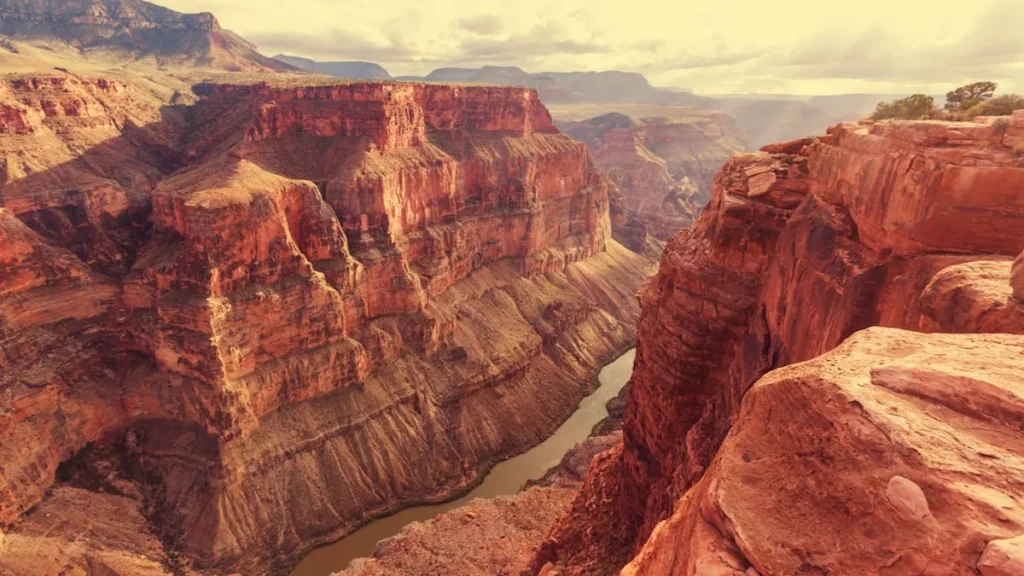
America’s vast landscape encompasses some of Earth’s most breathtaking natural wonders, from towering mountain ranges and pristine coastlines to otherworldly desert formations and cascading waterfalls. These 25 destinations represent the pinnacle of American natural beauty, each offering experiences so profound they redefine our understanding of scenic splendor. From coast to coast, these locations showcase the incredible diversity and raw power of the American continent.
These aren’t just pretty places, they’re transformative destinations that connect visitors to something larger than themselves. Whether carved by millions of years of geological forces or shaped by unique climatic conditions, each location tells a story of natural wonder that demands witnessing firsthand.
Grand Canyon, Arizona

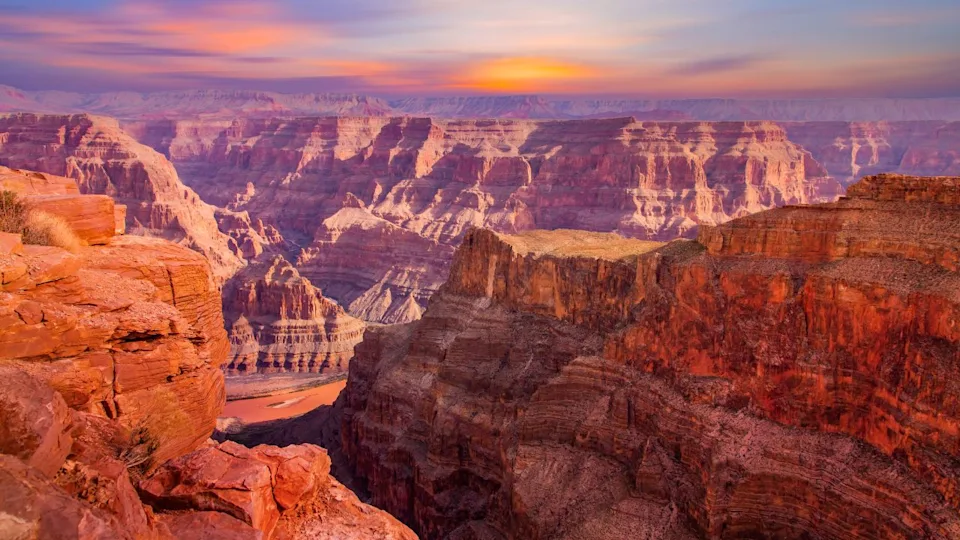
Image Credit:Shutterstock.
The Grand Canyon defies comprehension, stretching 277 river miles with depths reaching over a mile into the Earth’s geological history. This UNESCO World Heritage site reveals two billion years of Earth’s story through colorful rock layers, while the Colorado River continues carving this masterpiece deeper each year. Sunrise and sunset transform the canyon into a symphony of reds, oranges, and purples that shift moment by moment.
The South Rim offers year-round access with numerous viewpoints, while the North Rim provides more intimate experiences with higher elevations and cooler temperatures. Helicopter tours reveal the canyon’s immense scale, while hiking into the canyon itself provides perspective on its true magnitude.
Yellowstone National Park, Wyoming/Montana/Idaho

Image Credit: Shutterstock.
America’s first national park contains half of the world’s geothermal features, including over 10,000 hot springs, geysers, and fumaroles. Old Faithful erupts approximately every 90 minutes, while Grand Prismatic Spring creates rainbow pools of thermophilic bacteria. The park’s 2.2 million acres encompass pristine wilderness where bison roam freely and wolves hunt in packs.
Yellowstone Lake spans 136 square miles at 7,732 feet elevation, often frozen until late spring. The Grand Canyon of Yellowstone features 1,200-foot-deep gorges and the spectacular Lower Falls, while Lamar Valley provides unparalleled wildlife viewing opportunities including bears, elk, and the largest free-roaming bison herd in America.
Yosemite National Park, California
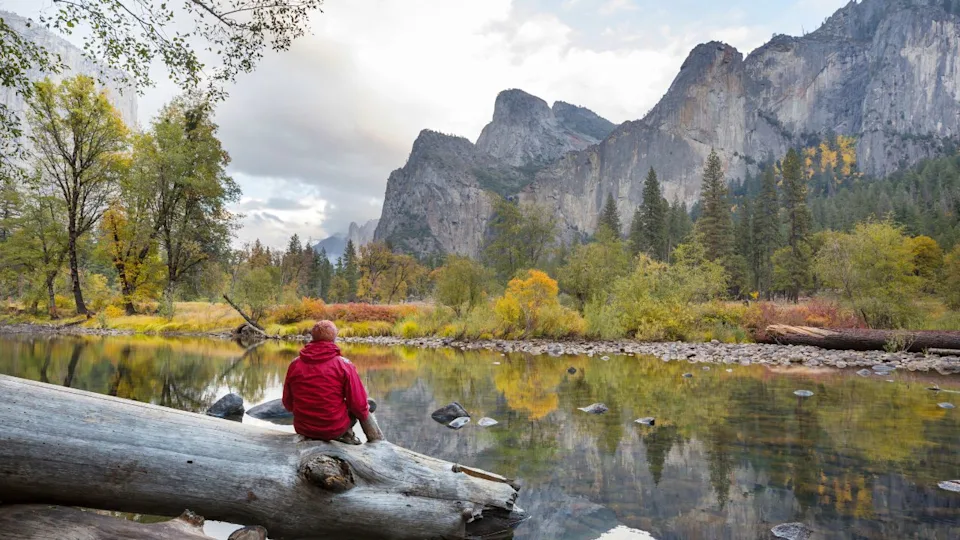
Image Credit: Shutterstock.
Yosemite Valley showcases granite monoliths, towering waterfalls, and ancient sequoia groves that inspired America’s conservation movement. Half Dome rises 4,737 feet above the valley floor, while El Capitan’s vertical face challenges the world’s best rock climbers. Yosemite Falls drops 2,425 feet in three separate cascades, creating one of North America’s tallest waterfalls.
Tunnel View provides the classic Yosemite Valley perspective, while Glacier Point offers panoramic vistas of Half Dome and the High Sierra. Mariposa Grove protects giant sequoias over 2,000 years old, including Grizzly Giant with its 27-foot diameter trunk.
Antelope Canyon, Arizona
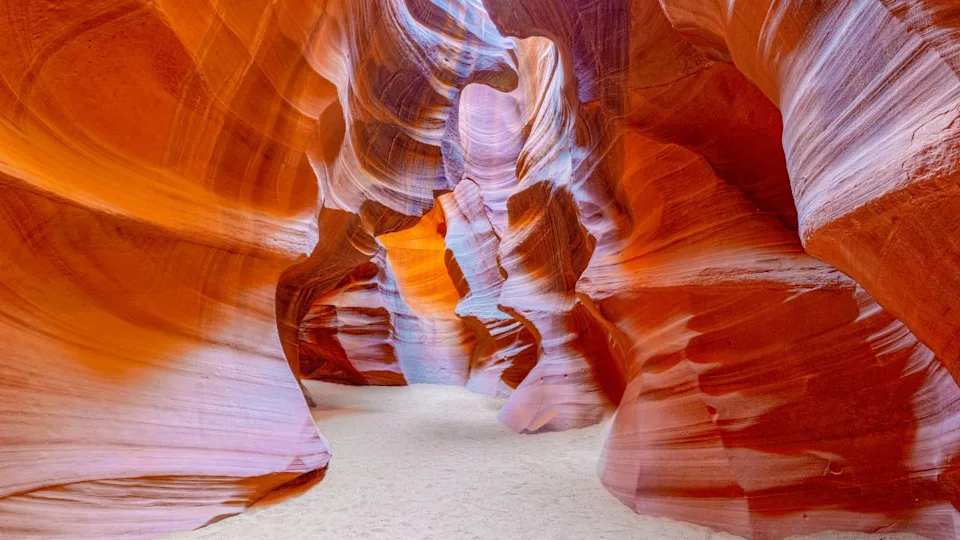
Image Credit: Shutterstock.
This slot canyon on Navajo land creates an otherworldly cathedral of sculpted sandstone walls that glow with ethereal light. Upper Antelope Canyon allows photography of famous light beams streaming through narrow openings, while Lower Antelope Canyon features more dramatic rock formations and fewer crowds.
Flash floods carved these narrow passages through Navajo sandstone over thousands of years, creating smooth, flowing walls that seem to dance in shifting light. The canyon’s beauty changes throughout the day as sunlight angles create different colors and patterns on the curved walls.
Glacier National Park, Montana
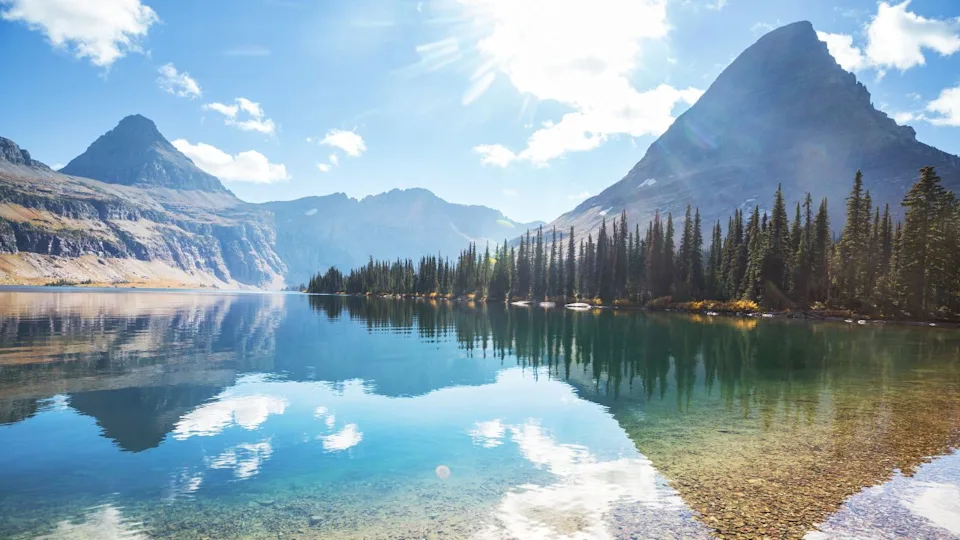
Image Credit: Shutterstock.
The Crown of the Continent ecosystem preserves over one million acres of pristine wilderness along the Continental Divide. Twenty-six glaciers remain from the Little Ice Age, though climate change threatens their existence. The Going-to-the-Sun Road traverses the park’s heart, offering access to alpine meadows, pristine lakes, and dramatic mountain vistas.
Lake McDonald stretches 10 miles through the park’s western section, while Many Glacier area provides the best hiking access to glacial cirques and waterfalls. The park contains over 700 miles of hiking trails leading to hidden lakes, flower-filled meadows, and encounters with mountain goats, bighorn sheep, and grizzly bears.
Crater Lake, Oregon
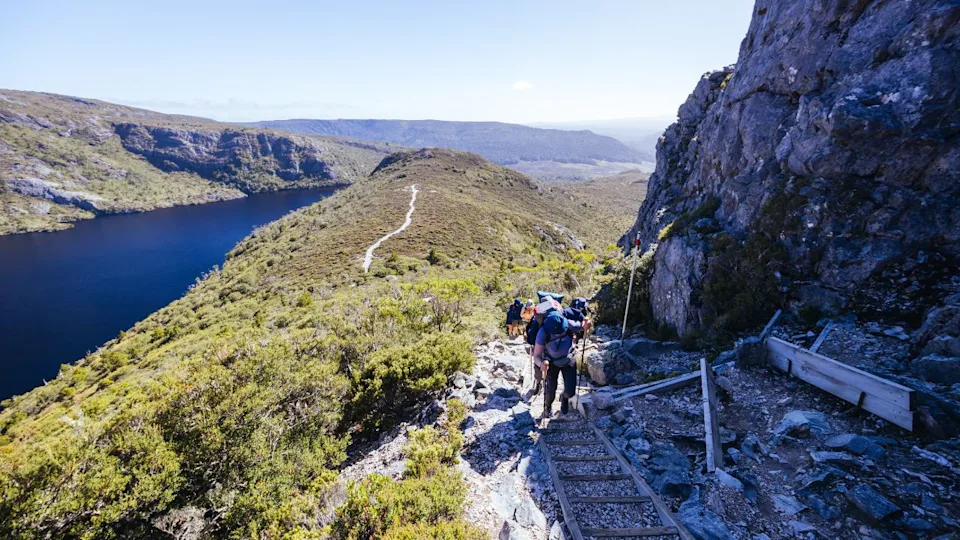
Image Credit: Shutterstock.
This deep blue caldera lake formed 7,700 years ago when Mount Mazama collapsed, creating one of the purest and deepest lakes in the world. The lake reaches depths of 1,943 feet, fed entirely by snowmelt and rain with no inlets or outlets. Wizard Island, a volcanic cinder cone, rises from the lake’s western shore.
Rim Drive circles the caldera’s edge, providing 33 miles of scenic viewpoints. The lake’s intense blue color results from its depth and purity, creating an almost supernatural appearance that changes with weather and light conditions.
Zion National Park, Utah

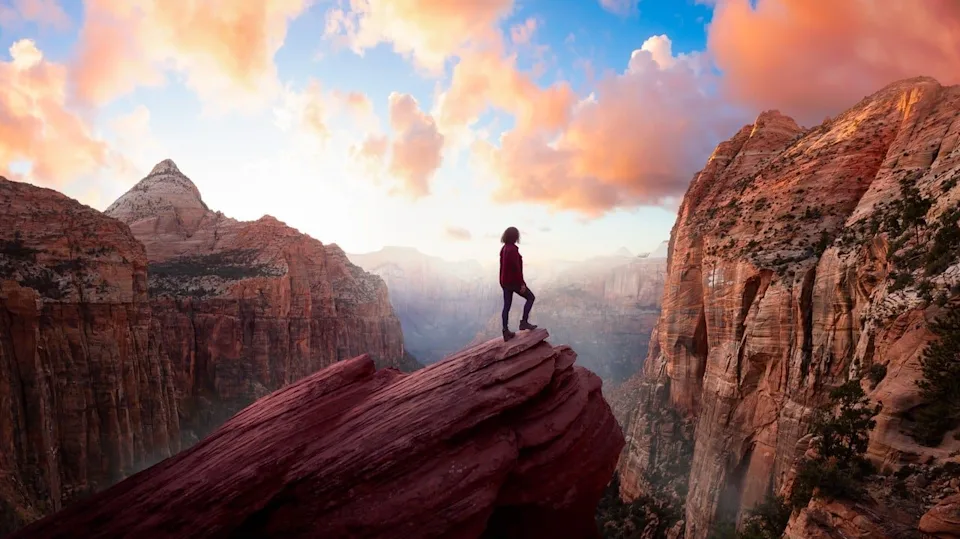
Image Credit: Shutterstock
Zion Canyon’s towering sandstone cliffs create a desert oasis where the Virgin River has carved spectacular gorges through Navajo sandstone. The Narrows hike follows the river through slot canyon walls that tower 1,000 feet overhead, while Angels Landing provides heart-stopping views for those brave enough to traverse its knife-edge ridge.
Emerald Pools offer easier hiking to waterfalls and natural pools, while the Riverside Walk provides paved access to the Virgin River. The park’s diverse elevation zones support everything from desert cacti to hanging gardens watered by seeping springs.
Bryce Canyon, Arizona
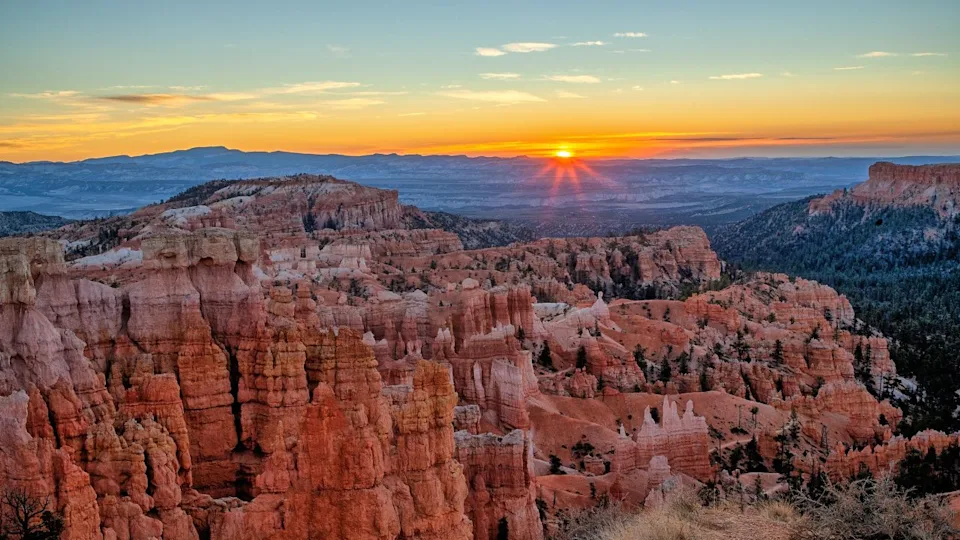
Image Credit: Shutterstock.
Bryce Canyon’s amphitheaters contain thousands of limestone pillars called hoodoos, creating one of Earth’s most unusual landscapes. These rock spires, formed by frost weathering and root wedging, glow red and orange at sunrise and sunset. The park sits at elevations from 8,000 to over 9,000 feet, providing cool summers and snowy winters.
Sunrise Point offers classic views of the main amphitheater, while Inspiration Point provides broader vistas. The Navajo Loop and Queen’s Garden trails allow hiking among the hoodoos, creating an Alice-in-Wonderland experience through this geological fantasy land.
Great Smoky Mountains, Tennessee/North Carolina
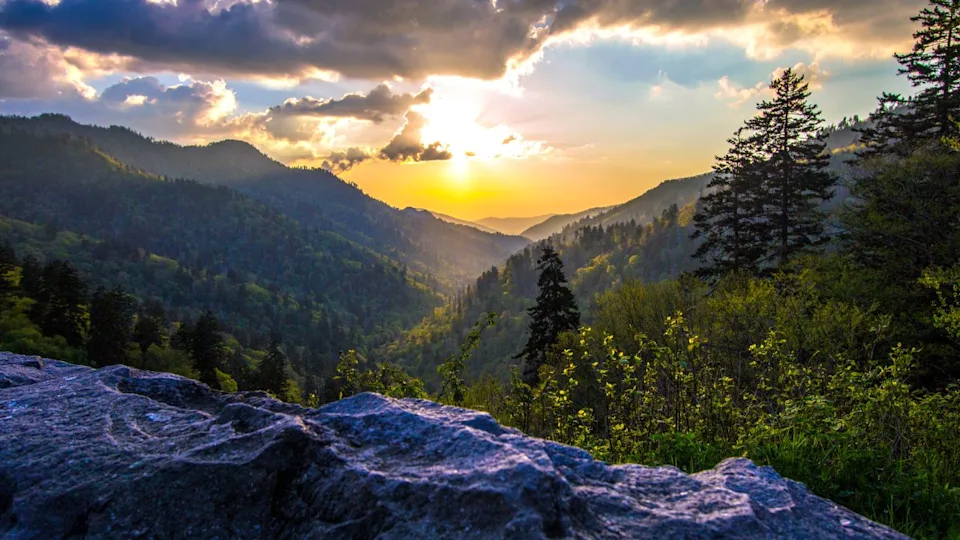
Image Credit: Shutterstock.
America’s most visited national park protects ancient mountains cloaked in morning mist and home to incredible biodiversity. The Smokies contain over 100 tree species, creating spectacular fall foliage displays that peak at different elevations from September through October. Cataract Falls, Laurel Falls, and dozens of other waterfalls cascade through these ancient mountains.
Clingmans Dome, the park’s highest point at 6,643 feet, provides panoramic views across the Appalachian Mountains. The park preserves historic log cabins and grist mills, while over 800 miles of hiking trails lead to hidden waterfalls, mountain balds, and wildflower meadows.
Arches National Park, Utah
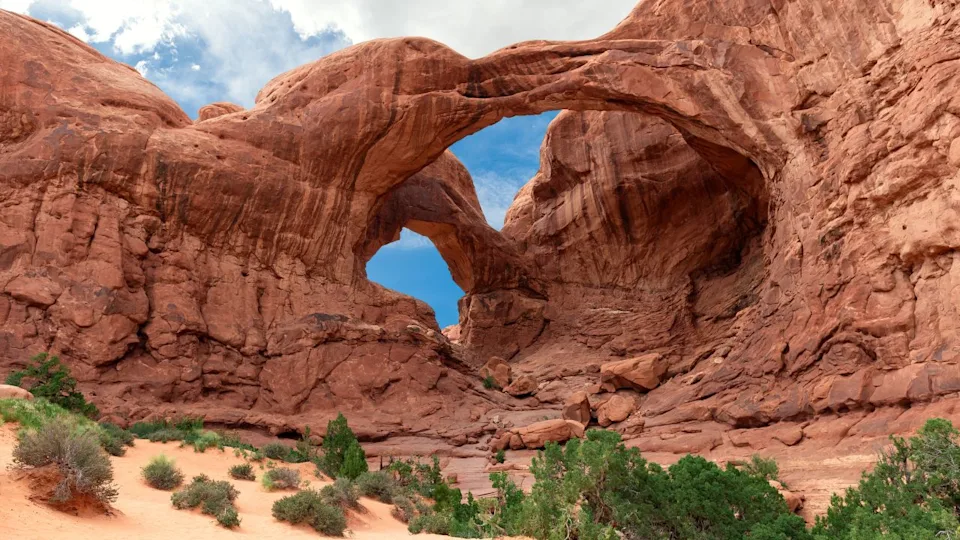
Image Credit: Shutterstock.
This red rock wonderland contains over 2,000 natural sandstone arches, including the iconic Delicate Arch featured on Utah’s license plate. Landscape Arch spans 306 feet, making it one of the longest natural arches in the world. The park’s red rock formations glow brilliantly at sunset against the deep blue desert sky.
Fiery Furnace requires guided tours through a maze of narrow canyons and towering fins, while Windows Section provides easy access to multiple large arches. The park’s elevation and desert location create dramatic temperature swings and incredible stargazing opportunities.
Niagara Falls, New York
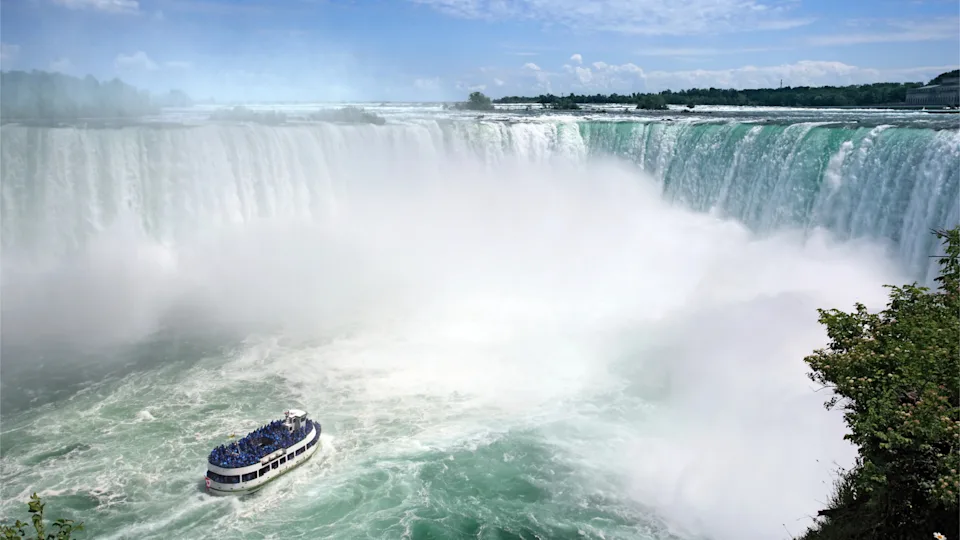
Image Credit: Depositphotos
Three waterfalls combine to create North America’s most powerful waterfall system, with over 700,000 gallons flowing over the falls every second during peak flow. Horseshoe Falls, the largest of the three, spans 2,600 feet and drops 167 feet into the churning pool below. The constant mist creates perpetual rainbows on sunny days.
Maid of the Mist boat tours provide close encounters with the falls’ power, while Cave of the Winds allows visitors to experience the falls from behind. Winter transforms the falls into an ice wonderland, while summer brings peak water flow and maximum spectacle.
Big Sur, California

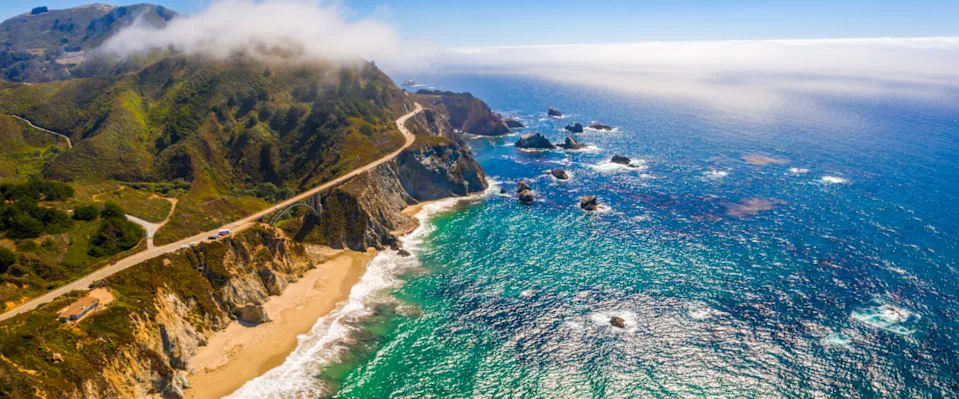
Image Credit: Shutterstock.
This rugged coastline stretches 90 miles between Carmel and San Simeon, where the Santa Lucia Mountains meet the Pacific Ocean in dramatic fashion. Highway 1 winds along clifftops hundreds of feet above crashing waves, providing continuous ocean vistas. McWay Falls drops 80 feet directly onto the beach, while Bixby Creek Bridge creates one of the coast’s most photographed scenes.
Redwood groves inland provide cool contrast to the sunny coast, while Point Sur Lighthouse perches on a volcanic rock outcrop. The coastline’s fog creates mystical conditions that change throughout the day, revealing and concealing dramatic seascapes.
Monument Valley, Utah/Arizona
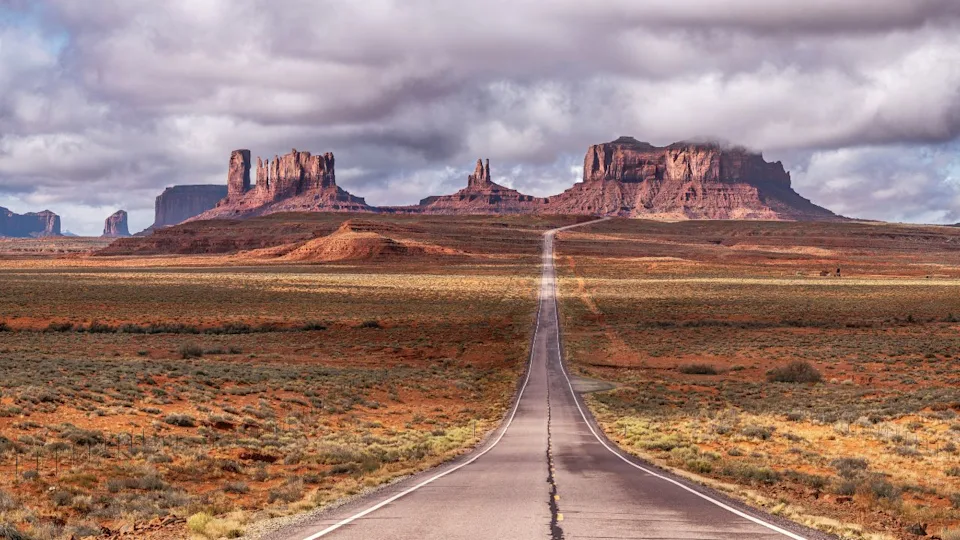
Image Credit: Shutterstock.
This iconic landscape of towering sandstone buttes and mesas defines the American Southwest in popular imagination. Navajo Tribal Park protects these sacred lands while allowing visitors to drive the 17-mile scenic loop past formations like the Mittens, Merrick Butte, and Totem Pole. The valley floor sits at 5,200 feet elevation, providing clear desert air and incredible stargazing.
Sunrise and sunset transform the red rock formations into glowing monuments, while storms create dramatic contrast between dark skies and illuminated rock. Guided tours with Navajo guides provide cultural context and access to restricted areas.
Acadia National Park, Maine

Image Credit: Shutterstock.
Rocky Atlantic coastlines, pristine lakes, and granite peaks create New England’s premier wilderness destination. Cadillac Mountain provides the first sunrise views in America from October through March, while Thunder Hole demonstrates the ocean’s power as waves crash into a narrow chasm. The park’s 45 miles of carriage roads allow hiking and biking through diverse landscapes.
Jordan Pond offers perfect reflections of the Bubbles Mountains, while Bar Harbor provides charming coastal town atmosphere. Fall foliage transforms the park’s deciduous forests into brilliant displays of red, orange, and gold.
Mount Rainier, Washington

Image Credit: Shutterstock
This massive stratovolcano rises 14,411 feet above the Cascade Range, creating its own weather systems and supporting 26 named glaciers. Paradise area provides summer wildflower meadows beneath the mountain’s south face, while Sunrise offers the highest road access at 6,400 feet elevation.
The Wonderland Trail circles the mountain through diverse ecosystems from temperate rainforest to alpine tundra. Mount Rainier’s prominence makes it visible from Seattle on clear days, serving as an iconic symbol of the Pacific Northwest.
Badlands National Park, South Dakota
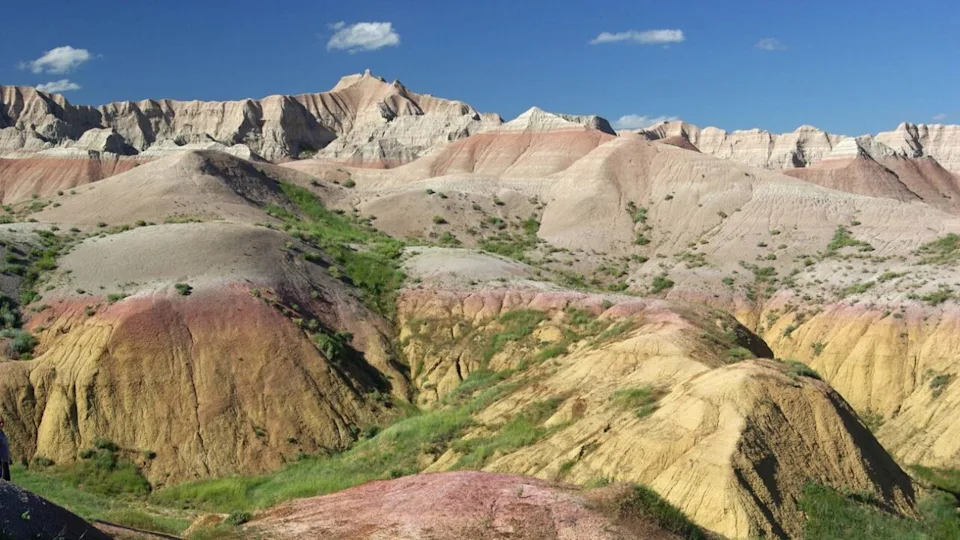
Image Credit: National Park Service
These eroded landscape features layered rock formations, deep canyons, and towering spires that create an otherworldly moonscape. The park preserves one of the world’s richest fossil beds, containing remains of ancient mammals that lived 23 to 35 million years ago. Prairie grasslands support bison, bighorn sheep, and black-footed ferrets.
Badlands Loop Road provides access to numerous overlooks, while hiking trails lead into the formations themselves. The area’s remote location and minimal light pollution create exceptional stargazing opportunities and incredible sunrise/sunset displays.
Death Valley, California
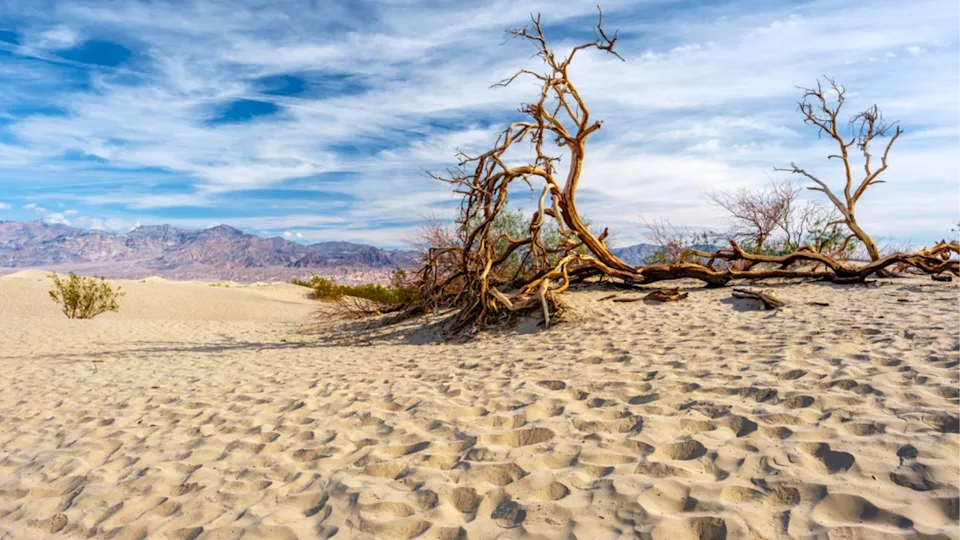
Image Credit: Shutterstock
The hottest, driest, and lowest place in North America creates landscapes of stunning beauty and extreme contrasts. Badwater Basin sits 282 feet below sea level, while Telescope Peak rises 11,049 feet above the valley floor. Moving rocks at Racetrack Playa leave mysterious trails across the desert floor.
Artist’s Palette showcases colorful mineral deposits in the Black Mountains, while Mesquite Flat Sand Dunes provide classic desert scenery. Despite extreme conditions, Death Valley blooms spectacularly during rare wildflower years following winter rains.
Olympic National Park, Washington
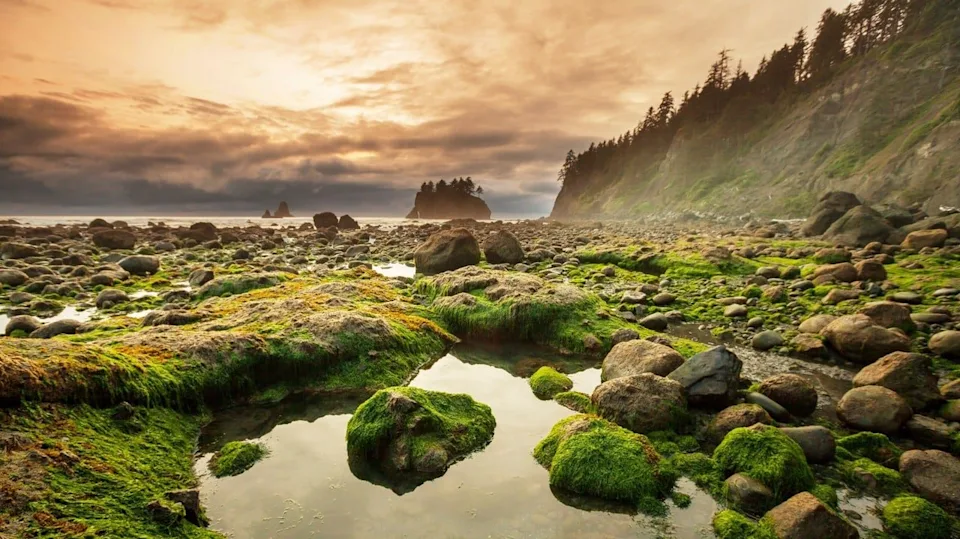
Image Credit: Shutterstock
This UNESCO World Heritage site preserves three distinct ecosystems: rugged Pacific coastlines, temperate rainforests, and alpine mountains. The Hoh Rainforest receives over 140 inches of annual rainfall, creating cathedral-like groves of moss-draped trees. Ruby Beach features dramatic sea stacks and tide pools, while Hurricane Ridge provides mountain vistas and wildflower meadows.
Sol Duc Hot Springs offer natural thermal pools, while Lake Crescent’s glacier-carved waters reach depths of 624 feet. The park’s isolation supports unique wildlife including Roosevelt elk and Olympic marmots found nowhere else on Earth.
Sequoia National Park, California
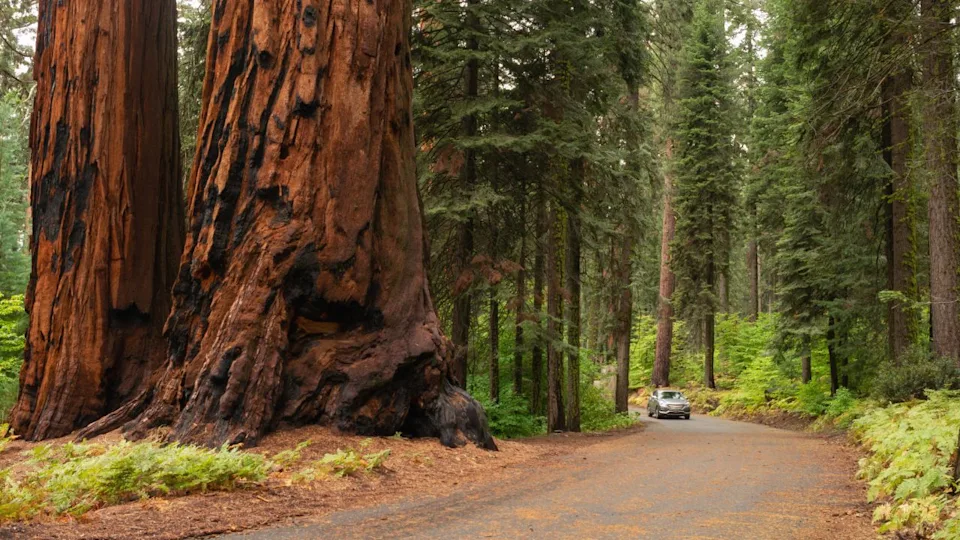
Image Credit: Shutterstock.
Home to the world’s largest trees by volume, including General Sherman, which weighs an estimated 2.7 million pounds. These ancient giants have survived for thousands of years, with some specimens predating the Roman Empire. The Giant Forest contains five of the ten largest trees on Earth within a single grove.
Moro Rock provides panoramic views of the Great Western Divide, while Crystal Cave offers underground limestone formations. The park’s elevation ranges from 1,370 to 14,494 feet at Mount Whitney’s summit, creating diverse habitats from chaparral to alpine zones.
Horseshoe Bend, Arizona
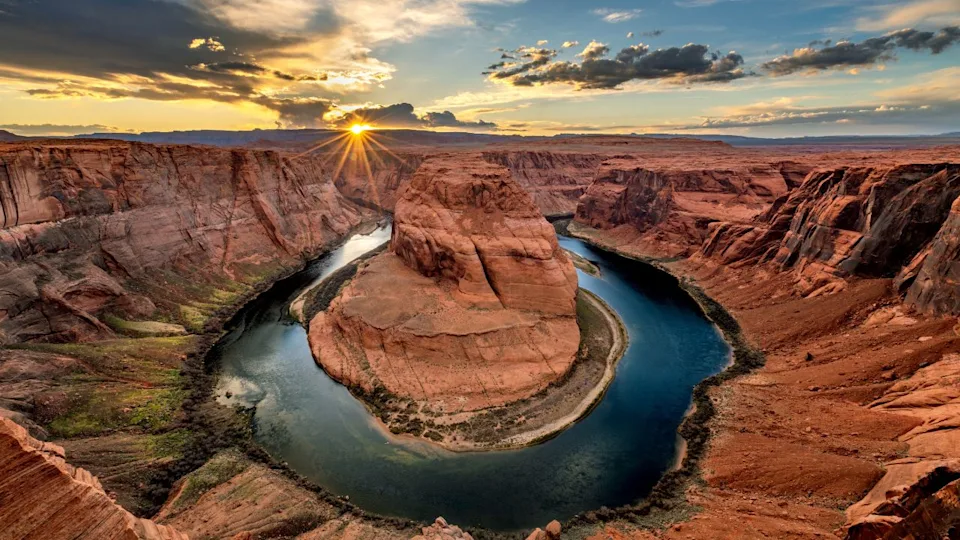
Image Credit: Shutterstock.
The Colorado River creates a perfect horseshoe-shaped meander 1,000 feet below Glen Canyon’s rim. This natural wonder requires a moderate hike across desert terrain to reach the overlook, but the payoff rivals any view in the Southwest. The river’s green waters contrast dramatically with red sandstone walls and blue desert skies.
Photography enthusiasts visit for dramatic sunrise and sunset lighting, while the overlook’s unguarded edge provides heart-stopping perspectives. The site’s popularity has exploded in recent years, making early morning or late afternoon visits essential for manageable crowds.
Mammoth Cave, Kentucky
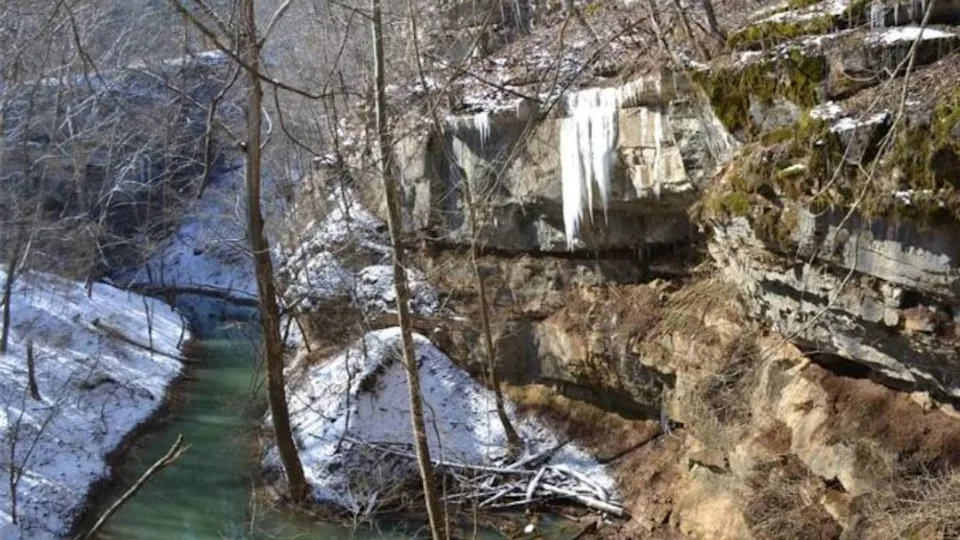
Image Credit: Shutterstock
The world’s longest known cave system extends over 400 miles of surveyed passages through limestone beneath Kentucky’s hills. This UNESCO World Heritage site preserves unique blind cave fish, bats, and other specialized cave life. Historic tours follow routes used by early explorers, while adventure tours provide spelunking experiences through undeveloped passages.
The Green River above ground supports diverse wildlife, while the cave’s constant 54-degree temperature provides year-round comfort. Native Americans used these caves for shelter and mining for thousands of years before European exploration.
Na Pali Coast, Hawaii


Na Pali Coast from a helicopter Photo Credit: Alec Sills-Trausch
Kauai’s northwestern coastline features fluted ridges, hanging valleys, and sea cliffs rising over 4,000 feet directly from the Pacific Ocean. This roadless wilderness preserves ancient Hawaiian valleys where native plants and birds survive. Helicopter tours provide aerial perspectives, while boat tours reveal sea caves and seasonal waterfalls.
The Kalalau Trail offers hiking access to pristine beaches and valleys, though the challenging 11-mile route requires permits and preparation. Snorkeling and diving opportunities abound in the clear waters offshore, where tropical fish and Hawaiian monk seals inhabit coral reefs.
Redwood National and State Parks, California
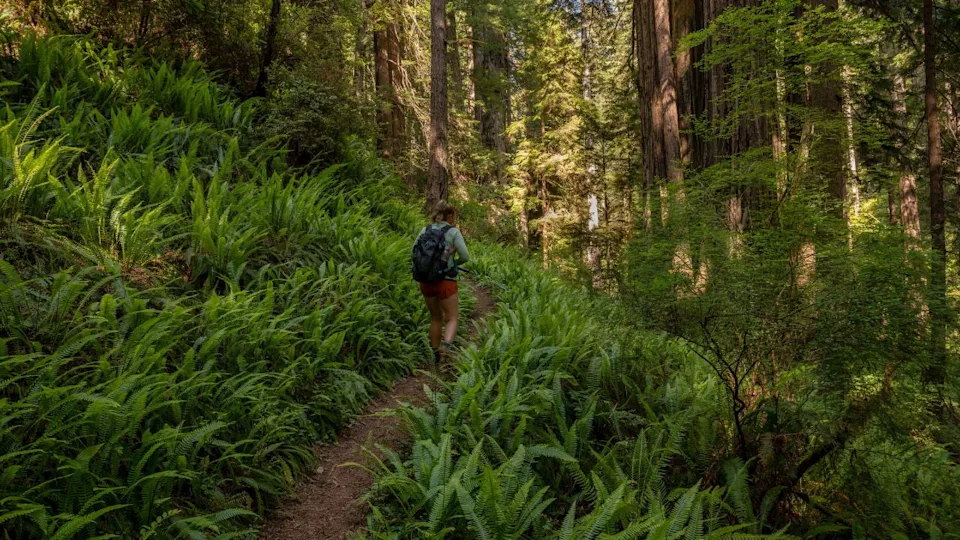
Image Credit: Shutterstock.
The tallest trees on Earth create cathedral-like groves along California’s northern coast. Hyperion, the world’s tallest tree, reaches 379 feet in height, while many others exceed 350 feet. These ancient coastal redwoods have survived for over 2,000 years, creating ecosystems found nowhere else on Earth.
Prairie Creek Redwoods State Park provides easy access to massive groves, while the Tall Trees Trail leads to some of the world’s highest specimens. Fern Canyon’s narrow walls support lush fern gardens, creating prehistoric-looking landscapes featured in Hollywood films.
Denali National Park, Alaska

Image Credit: Shutterstock.
North America’s highest peak rises 20,310 feet above the Alaskan wilderness, creating one of the world’s most prominent mountains. The peak generates its own weather systems and remains hidden by clouds roughly 70% of the time, making clear views precious experiences. The park’s six million acres preserve pristine wilderness where caribou, wolves, and grizzly bears roam freely.
Wonder Lake provides classic Denali reflections on calm mornings, while the park road offers wildlife viewing opportunities and tundra landscapes. The extreme latitude creates 20-hour daylight during summer and spectacular aurora displays during winter months.
Florida Keys, Florida
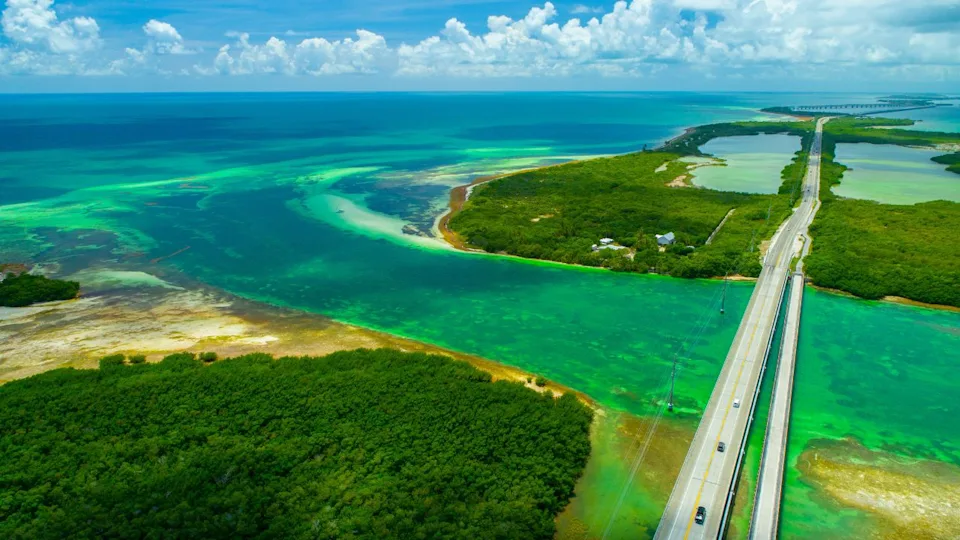
Image Credit: Shutterstock.
This chain of tropical islands extends 120 miles into the turquoise waters of the Florida Straits, connected by the scenic Overseas Highway. Key Largo offers world-class diving in John Pennekamp Coral Reef State Park, while Key West provides Caribbean atmosphere and spectacular sunsets. The clear waters support coral reefs, tropical fish, and marine life found nowhere else in the continental United States.
Seven Mile Bridge provides one of America’s most scenic drives, while Bahia Honda State Park features pristine beaches with white sand and palm trees. The subtropical climate supports unique wildlife including Key deer, roseate spoonbills, and manatees in nearshore waters.