

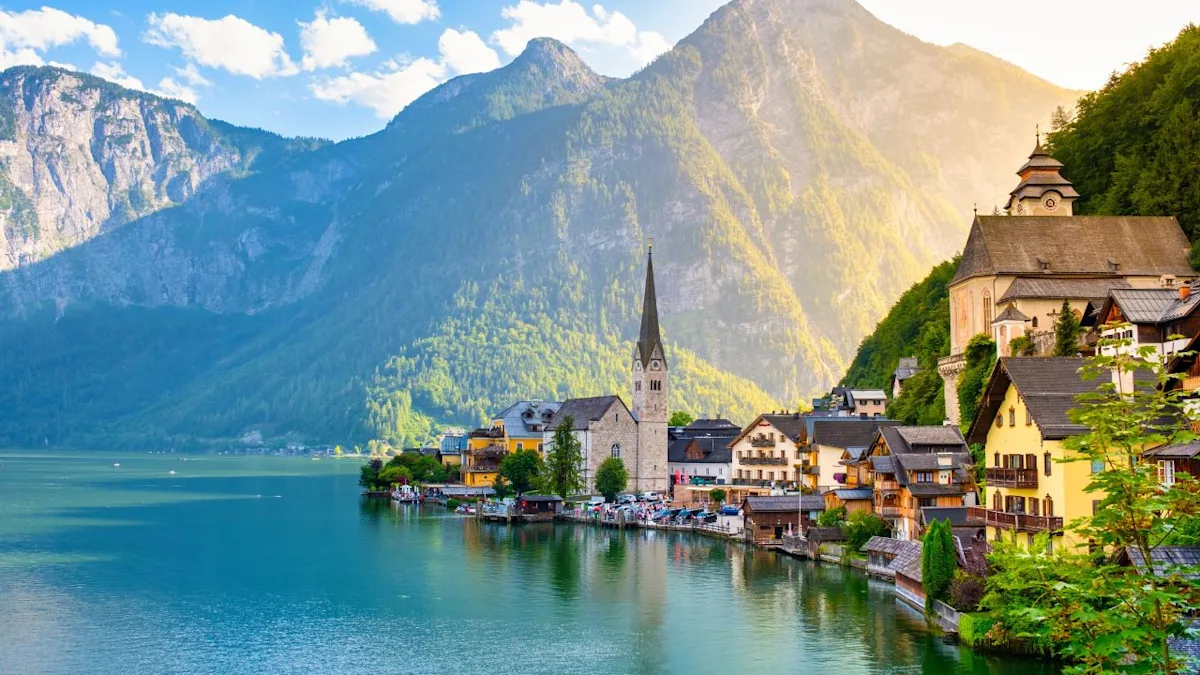
Europe’s diverse landscape offers some of the world’s most breathtaking destinations, from fairy-tale villages nestled in alpine valleys to dramatic coastlines that seem painted by the gods themselves. These extraordinary locations challenge our perception of reality, appearing so perfect they could be computer-generated imagery rather than actual places you can visit.
Hallstatt, Austria
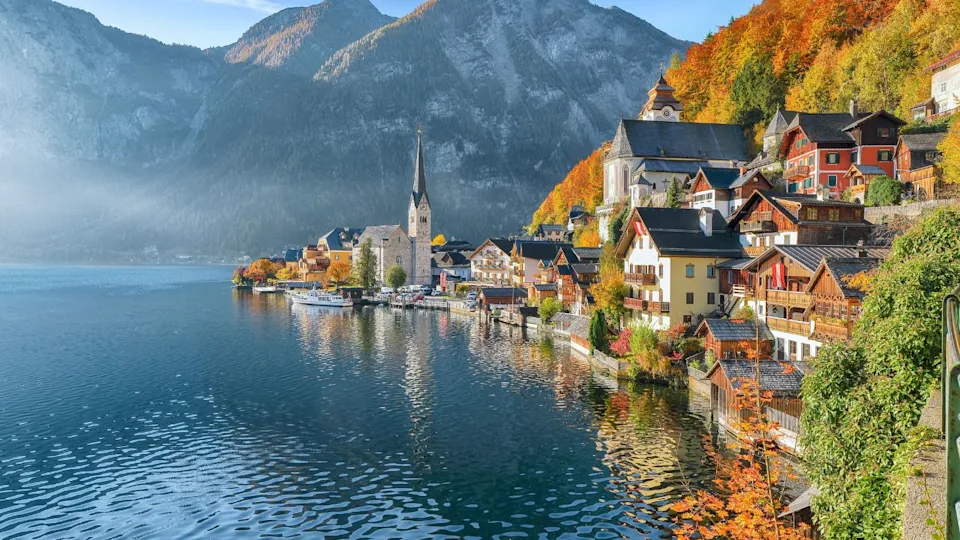
Image Credit: Shutterstock.
Nestled between the pristine Hallstätter See and the towering Dachstein Alps, Hallstatt resembles a living postcard. This UNESCO World Heritage village showcases 16th-century Alpine architecture reflected perfectly in the lake’s mirror-like surface.
The pastel-colored houses, baroque church spire, and surrounding mountain peaks create a scene so picture-perfect that China built an exact replica. Visit during autumn when golden foliage adds warmth to the already magical setting, or in winter when snow transforms the village into a crystalline wonderland.
Santorini, Greece
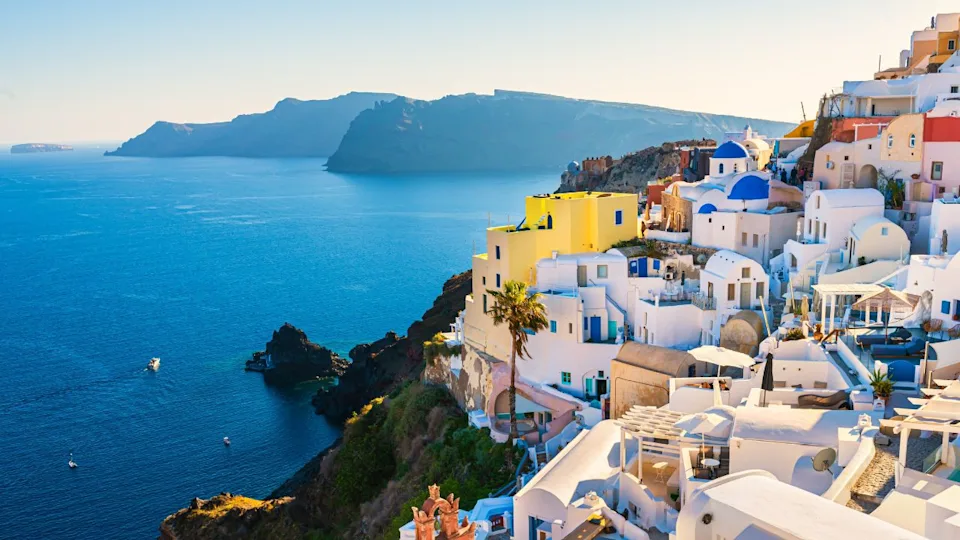
Image Credit: Shutterstock.
The volcanic island of Santorini defies architectural logic with its gravity-defying white-washed buildings perched on dramatic cliff edges. The contrast between the deep blue Aegean Sea, whitewashed cubic structures, and brilliant blue church domes creates a color palette that seems too vibrant for reality.
Oia village offers the most spectacular sunset views, where the sun appears to melt into the caldera, painting the sky in impossible shades of orange and pink.
Plitvice Lakes, Croatia
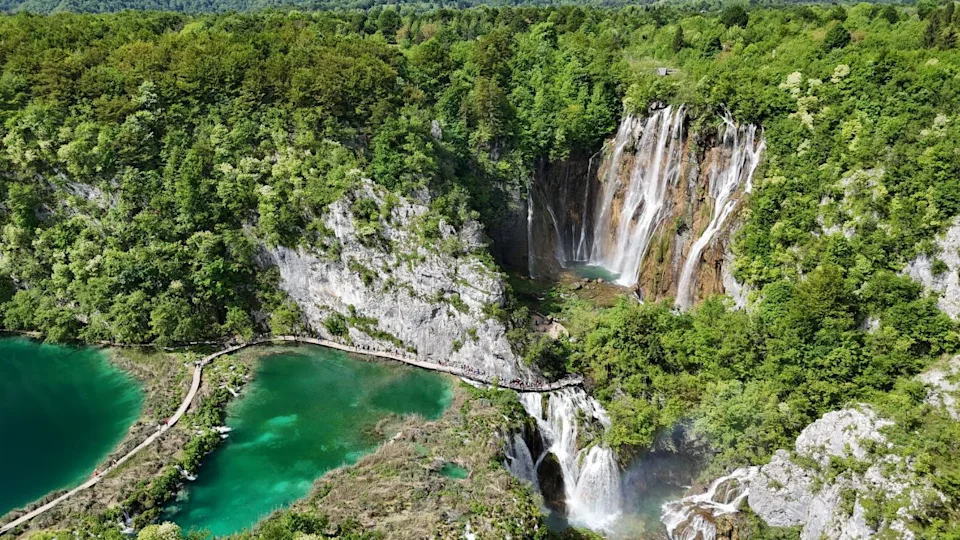
Image Credit: Shutterstock.
Croatia’s Plitvice Lakes National Park features 16 terraced lakes connected by cascading waterfalls, creating a natural staircase of turquoise pools. The water’s ethereal blue-green color results from limestone and chalk deposits, while surrounding beech and fir forests provide a lush emerald backdrop.
Wooden walkways wind through this aquatic paradise, allowing visitors to walk literally on water while surrounded by rushing falls and pristine wilderness.
Neuschwanstein Castle, Germany
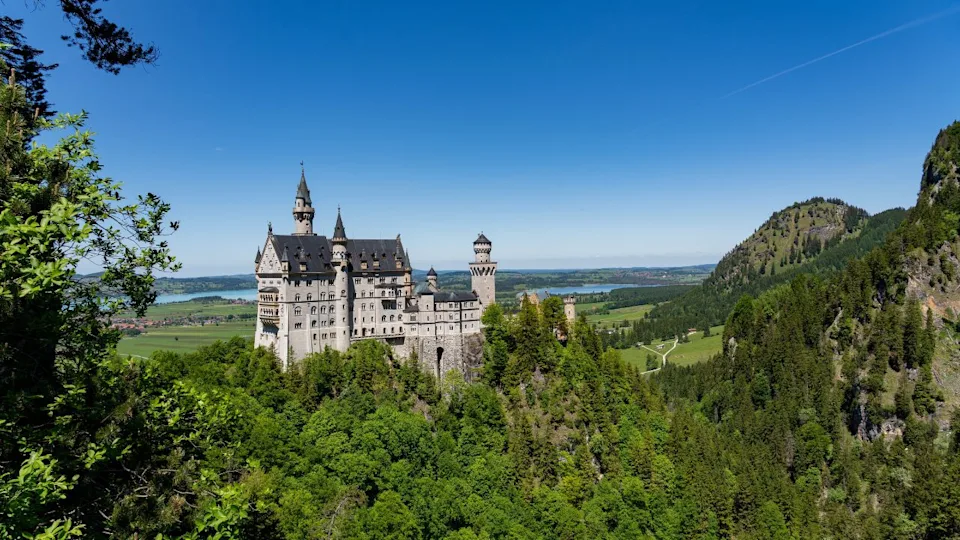
Image Credit: Shutterstock.
Rising from the Bavarian Alps like something from a Brothers Grimm fairy tale, Neuschwanstein Castle inspired Disney’s Sleeping Beauty Castle. King Ludwig II’s 19th-century creation combines Romanesque Revival architecture with dramatic mountain scenery, appearing to float above the Hohenschwangau valley.
The castle’s towers and turrets seem impossibly delicate against the rugged alpine backdrop, especially when morning mist swirls around its foundations.
Bruges, Belgium

Image Credit: Shutterstock.
Medieval Bruges exists in a perpetual state of fairy-tale perfection, with cobblestone streets winding between Gothic guild houses and romantic canals reflecting centuries-old architecture. The city center appears frozen in the 14th century, complete with horse-drawn carriages and swan-filled waterways.
The Belfry Tower rises above red-tiled rooftops like a medieval skyscraper, while canal boats glide silently through liquid streets bordered by stepped gables and flower boxes.
Cinque Terre, Italy
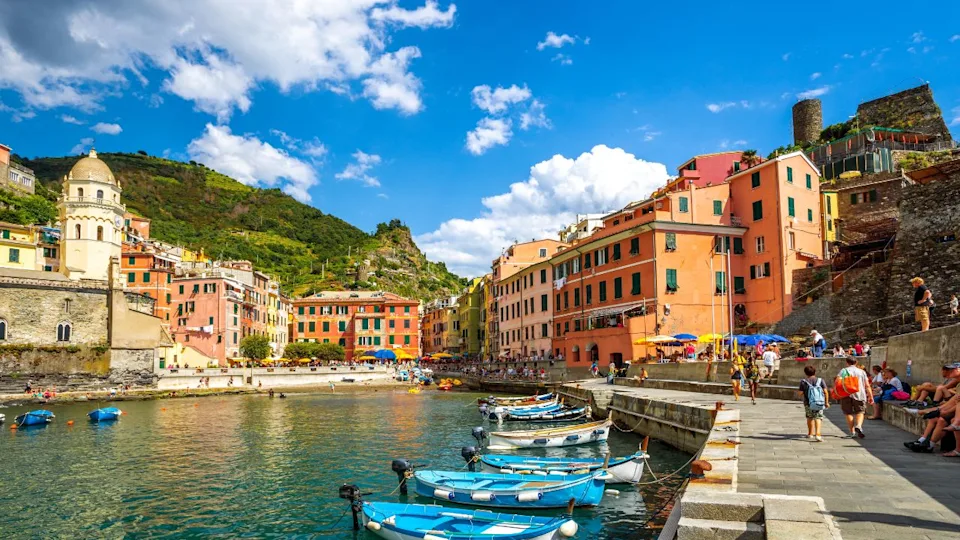
Image Credit: Shutterstock.
Five impossibly colorful villages cling to the Italian Riviera’s rugged coastline, their rainbow-hued houses appearing to grow directly from cliff faces. Monterosso, Vernazza, Corniglia, Manarola, and Riomaggiore cascade down precipitous slopes toward the Mediterranean, connected by ancient hiking trails carved into the rock.
Vineyards and olive groves occupy every available terrace, while tiny harbors shelter fishing boats in waters so blue they seem artificially enhanced.
Giethoorn, Netherlands
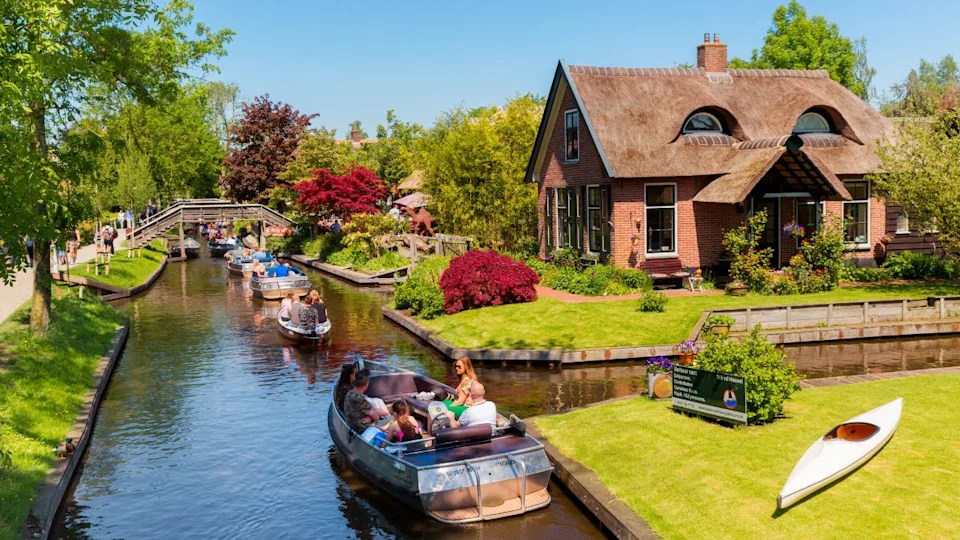
Image Credit Frolova_Elena / Shutterstock.
Known as the “Dutch Venice,” Giethoorn exists without roads, relying instead on canals, footpaths, and bicycle trails for transportation. Thatched-roof farmhouses dating to the 18th century line peaceful waterways, their perfectly manicured gardens reflecting in glass-smooth canals.
The silence is profound, broken only by the gentle splash of punt poles and the whisper of wind through reed beds. This car-free village appears suspended in time, offering a glimpse of pre-industrial rural life.
Mont Saint-Michel, France
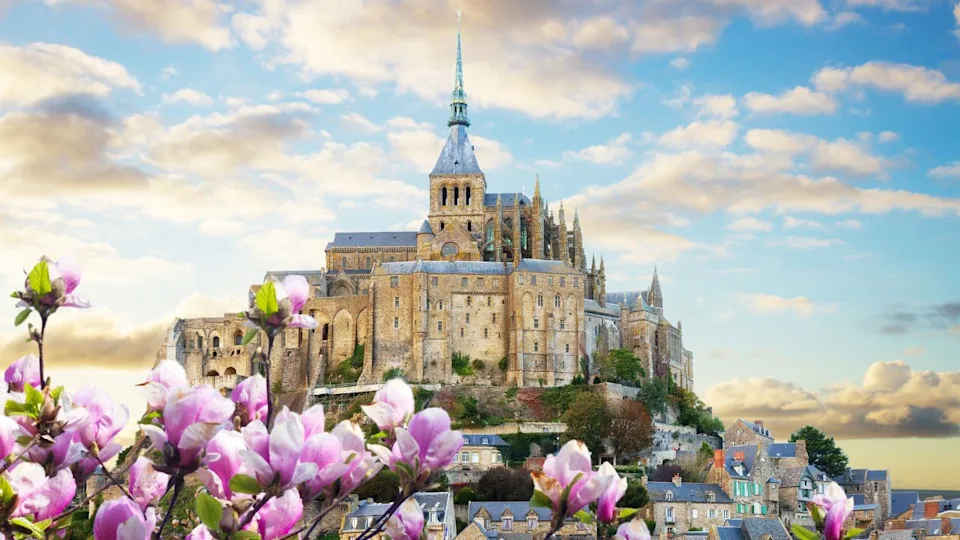
Image Credit: Shutterstock.
Rising from Normandy’s tidal flats like a medieval mirage, Mont Saint-Michel defies both gravity and logic. This Gothic abbey sits atop a rocky islet, accessible by causeway during low tide but surrounded by water during high tide.
The abbey’s soaring spires seem to pierce the sky, while medieval ramparts spiral up the mount’s sides. At sunset, the golden stone glows against dramatic skies, creating one of France’s most photographed silhouettes.
Lofoten Islands, Norway
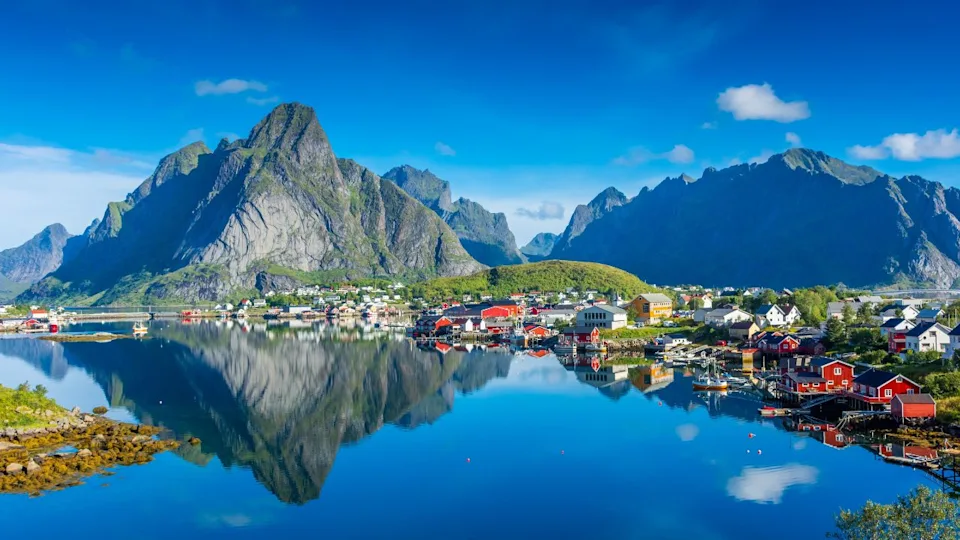
Image Credit: Shutterstock.
The Lofoten archipelago emerges from the Norwegian Sea like a 100-mile-long wall of granite peaks, their jagged summits rising directly from pristine beaches and fishing villages. Traditional red rorbuer (fishermen’s cabins) perch on stilts above emerald waters, while the midnight sun bathes everything in golden light during summer months.
In winter, the aurora borealis dances across star-filled skies, painting the snow-covered peaks in supernatural greens and purples.
Bled, Slovenia
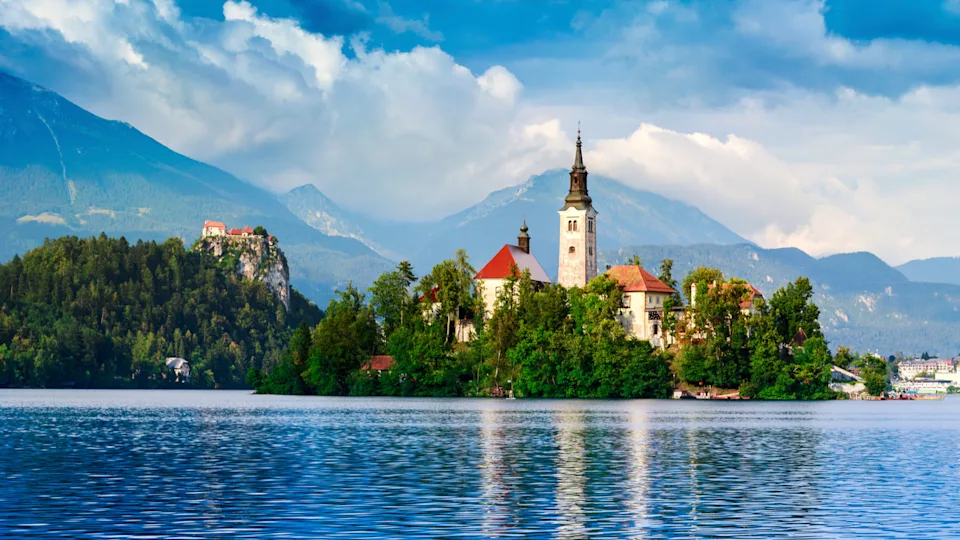
Image Credit: Depositphotos
Lake Bled’s emerald waters perfectly frame Slovenia’s only island, topped by a baroque church whose bells echo across the glacial lake. Medieval Bled Castle perches on a cliff 130 meters above the water, while the Julian Alps provide a dramatic backdrop of snow-capped peaks.
Traditional pletna boats ferry visitors to the island, their gondolier-like rowers maintaining centuries-old traditions in this Alpine paradise that inspired romantic poets and fairy-tale writers.
Rothenburg ob der Tauber, Germany
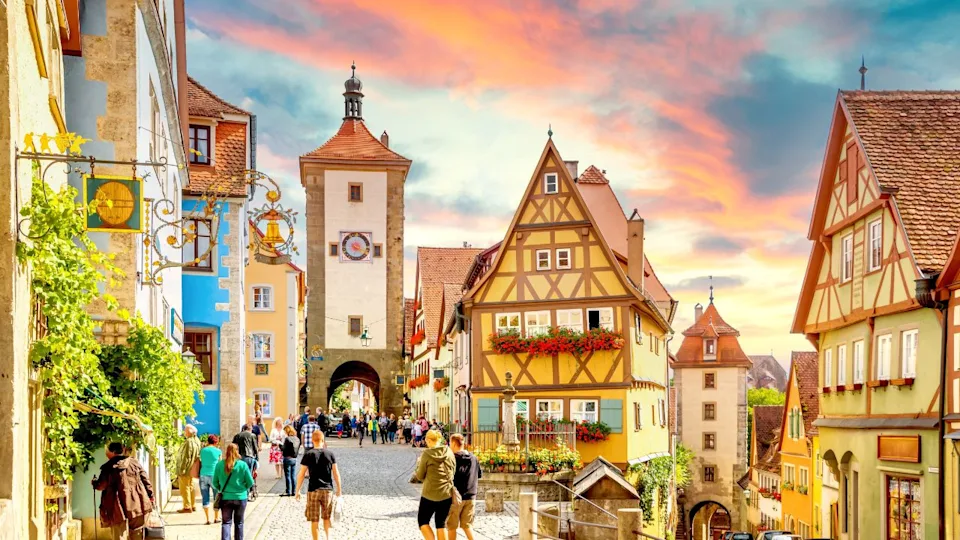
Image Credit: Shutterstock.
This perfectly preserved medieval town appears untouched by time, its half-timbered houses and cobblestone streets creating an authentic fairy-tale setting. The town walls remain completely intact, encircling a maze of narrow alleys, hidden courtyards, and Gothic churches.
Market Square showcases the finest medieval architecture, while the famous Plönlein corner creates one of Germany’s most photographed scenes, with its Y-shaped street junction framed by colorful houses and defensive towers.
Faroe Islands
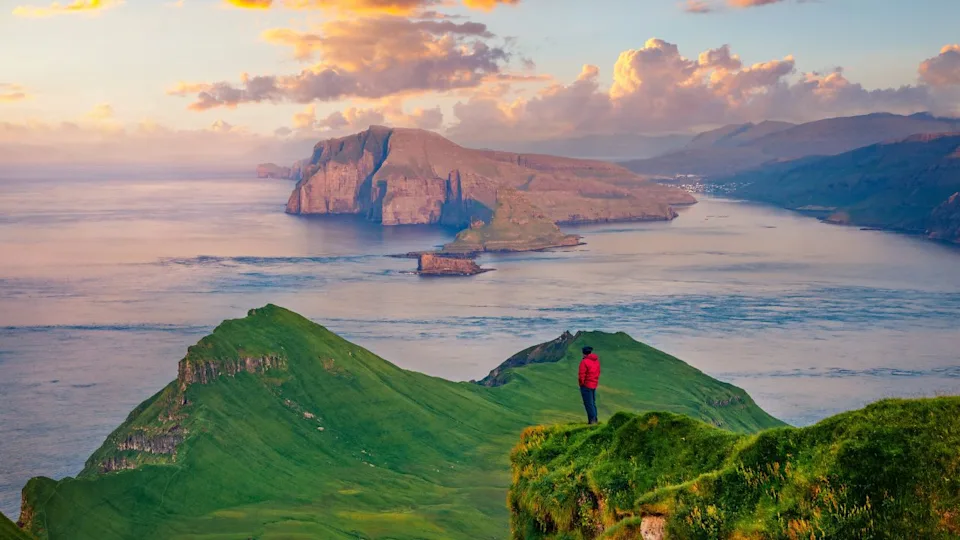
Image Credit : Shutterstock.
Eighteen islands scattered between Iceland and Norway create landscapes so dramatic they appear computer-generated. Grass-roof houses shelter in valleys beneath towering cliffs, while waterfalls plunge directly into the North Atlantic.
The village of Gásadalur, population 11, sits beside Múlafossur waterfall, which drops 80 meters into the ocean. Sheep outnumber humans on these remote islands, where Northern Lights illuminate winter skies and midnight sun extends summer days.
Cappadocia, Turkey
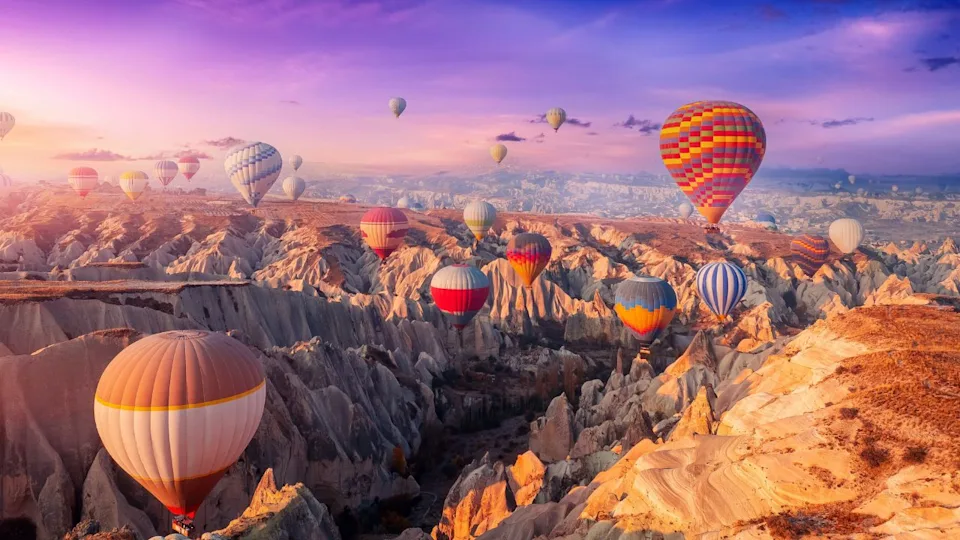
Image Credit:Shutterstock.
Millions of years of volcanic activity and erosion created Cappadocia’s otherworldly landscape of fairy chimneys, underground cities, and cave churches. Hot air balloons drift over this lunar-like terrain at sunrise, their colorful envelopes contrasting with the beige and pink rock formations below.
Ancient cave dwellings and Byzantine frescoes hide within the soft volcanic rock, while entire underground cities once sheltered early Christians from persecution.
Swiss Alps Villages
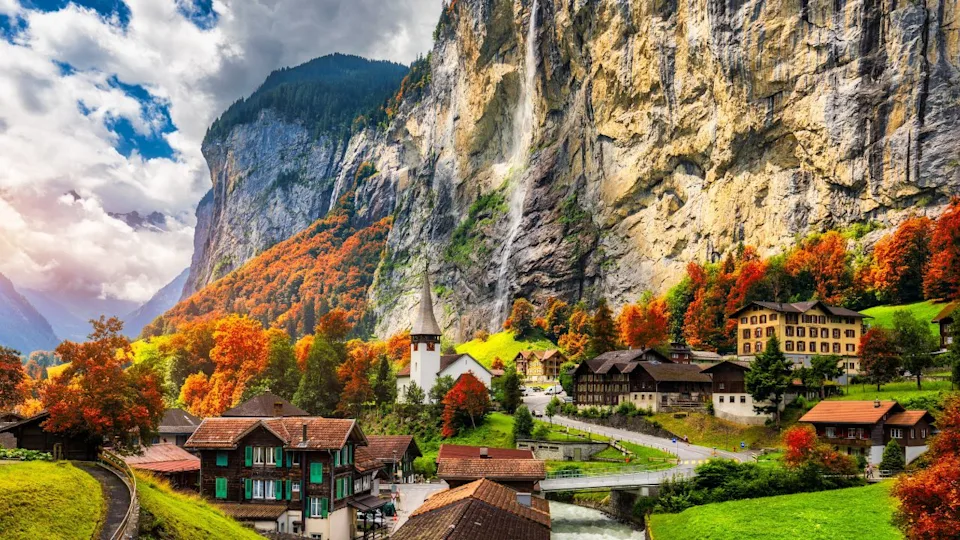
Image Credit: Shutterstock.
Countless Swiss villages appear too perfect to be real, from Zermatt’s car-free streets shadowed by the Matterhorn to Wengen’s flower-box chalets overlooking the Lauterbrunnen valley. Gimmelwald clings impossibly to an Alpine slope, accessible only by cable car, while Appenzell showcases traditional Swiss architecture with its colorful painted facades.
These communities maintain centuries-old traditions while surrounded by some of Europe’s most spectacular mountain scenery.
Sintra, Portugal
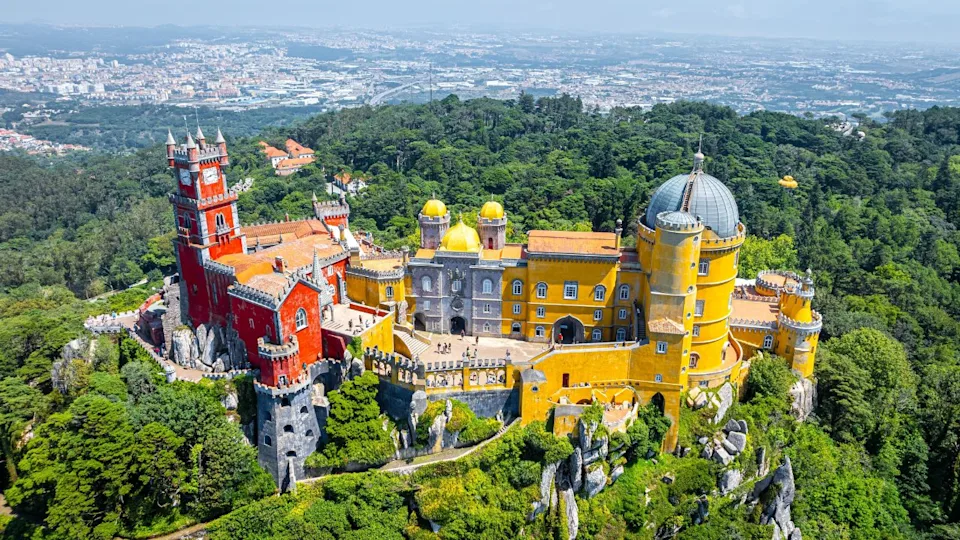
Image Credit:Shutterstock.
This UNESCO World Heritage town nestles in the Sintra Mountains, crowned by fairy-tale palaces that seem to float above the forest canopy. The Pena Palace combines Gothic, Renaissance, Moorish, and Manueline architectural styles in a riot of yellows, reds, and purples that challenges artistic sensibilities.
Quinta da Regaleira’s mystical gardens feature grottoes, lakes, and the famous Initiation Well, a spiral staircase descending into the earth like something from a Dan Brown novel.
Algarve Coastlines, Portugal

Image Credit: Shutterstock.
Portugal’s southern coast features dramatic limestone cliffs, hidden grottos, and golden beaches that appear almost tropical. Ponta da Piedade near Lagos showcases towering rock formations and sea arches carved by Atlantic waves, while Benagil Cave creates a natural cathedral with a circular opening to the sky.
The contrast between red-gold cliffs, turquoise water, and brilliant blue skies creates a color palette that seems oversaturated, like a heavily filtered photograph.
Dolomites, Italy
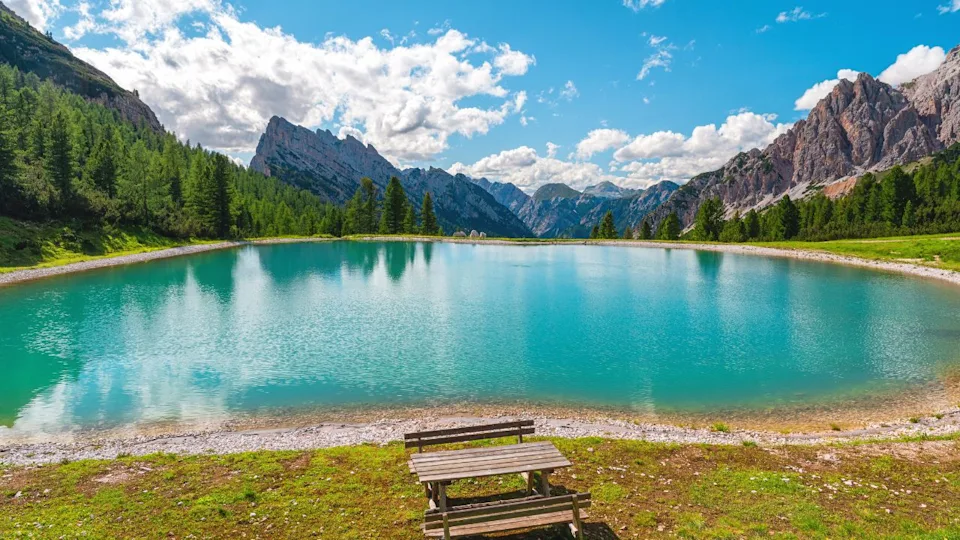
Image Credit: Shutterstock.
These distinctive peaks rise like stone cathedrals from Alpine meadows, their pale limestone faces glowing pink during alpenglow. Val di Funes showcases the iconic Geisler peaks behind traditional South Tyrolean villages, while Lago di Braies reflects the surrounding mountains in its impossibly blue waters.
The Dolomites’ unique geology creates landscapes that blend Italian warmth with Austrian Alpine tradition, resulting in scenery that appears almost computer-rendered.
Norwegian Fjords
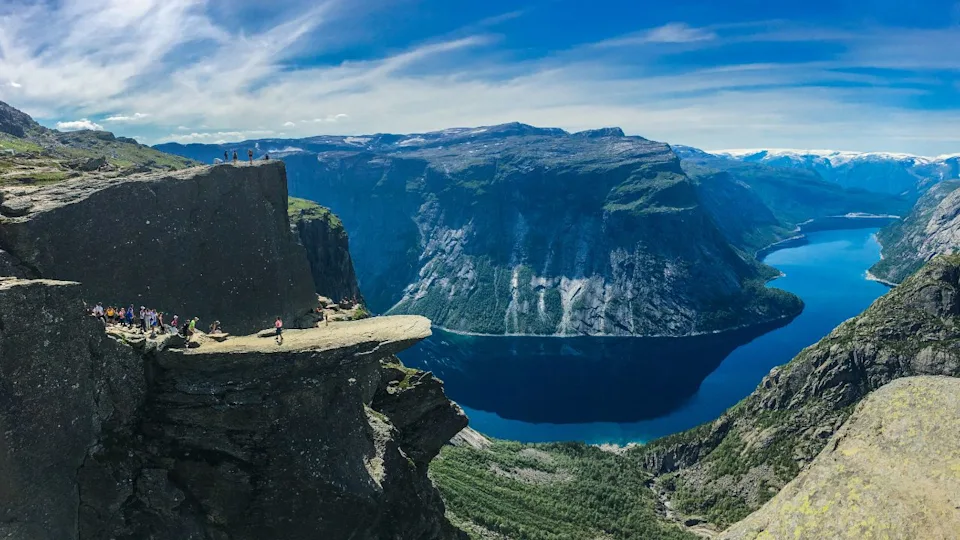
Image Credit: foto_and_video / Shutterstock.
Geirangerfjord and Nærøyfjord carve impossibly deep gorges between towering cliffs, their dark waters reflecting waterfalls that plunge from heights measuring in hundreds of meters. The Seven Sisters waterfall cascades down Geirangerfjord’s walls, while tiny farms cling to seemingly impossible slopes high above the water.
These UNESCO World Heritage fjords represent some of Earth’s most dramatic scenery, where vertical geography creates landscapes that challenge human perspective.
Český Krumlov, Czech Republic
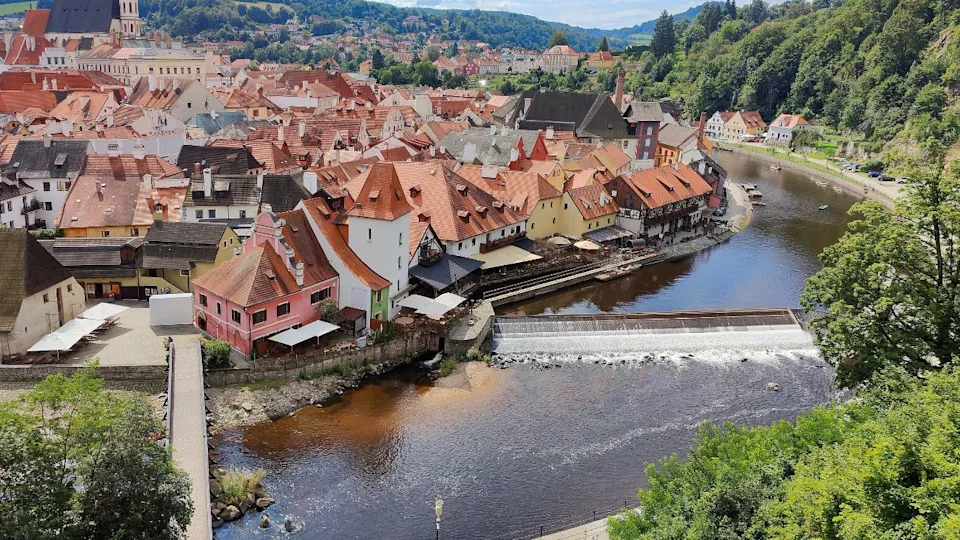
Image Credit : Shutterstock.
This medieval gem curves around a horseshoe bend of the Vltava River, its 13th-century castle overlooking red-tiled rooftops and Gothic, Renaissance, and Baroque facades. The town appears unchanged since medieval times, with narrow cobblestone streets, hidden courtyards, and the distinctive round tower that serves as the town’s symbol.
From the castle gardens, the entire old town spreads below like a living museum, while the river creates a natural moat around this UNESCO World Heritage site.
Meteora, Greece
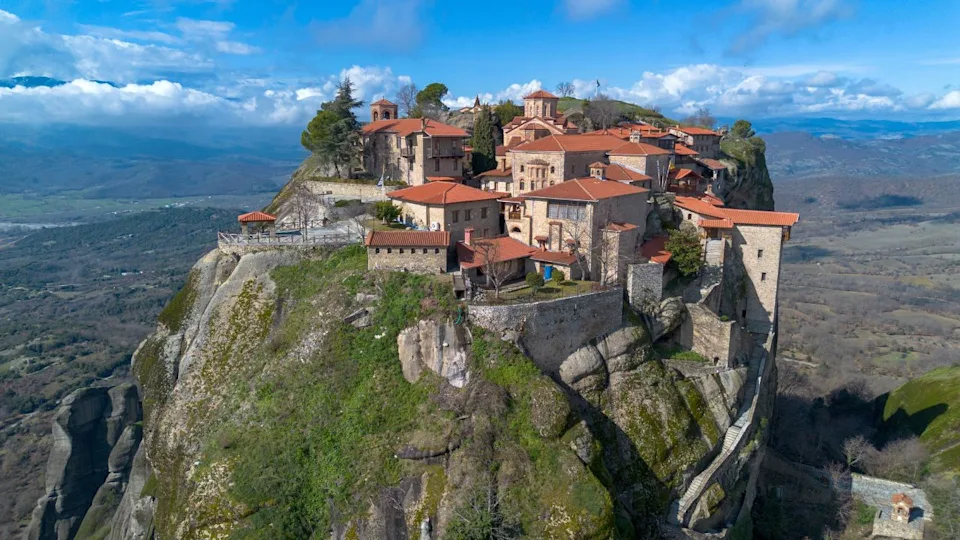
Image Credit: Shutterstock.
Orthodox monasteries perch impossibly atop towering rock pillars, their stone buildings appearing to grow directly from the geological formations. Six active monasteries remain from the original 24, reached by paths carved into the rock faces centuries ago.
These “hanging monasteries” seem to defy both gravity and logic, creating one of Christianity’s most spectacular holy sites. The contrast between human spiritual ambition and raw geological power creates landscapes that appear more divine than earthly.