


Every year, millions of Americans venture abroad with optimism, curiosity, and the belief that most people they meet will be helpful or at least harmless. And while that’s often true, seasoned travelers know that the world also has its fair share of tricksters who see tourists as easy paydays.
These scammers aren’t relying on brute force or intimidation, they specialize in subtlety, charm, and psychological pressure. Most scams don’t feel like scams when they start. Instead, they unfold as small acts of kindness, unexpected conveniences, or friendly gestures that slowly shift into uncomfortable, costly situations. By the time most travelers realize what’s happened, the money is gone, the scammer has vanished, and the embarrassment sets in.
Travel scams persist because they exploit universal human instincts: the desire to be polite, the fear of causing a scene, the assumption that strangers are telling the truth, and the belief that we understand a situation better than we actually do. Americans in particular are vulnerable because many come from service-oriented environments where helpers, attendants, and guides are common and expected.
When a stranger steps in saying, “Let me help” or “I know a shortcut,” it feels natural to accept, but in many destinations, this is the exact moment the trap is set. Recognizing these tactics in advance can help you navigate unfamiliar streets with confidence, avoid unnecessary stress, and keep your trip focused on what truly matters, experiencing the world, not funding its scammers.
The “Overly Helpful” Stranger

Image Credit : Shutterstock.
In major tourist hubs, an overly friendly local may approach you the moment you look confused, offering to help you buy metro tickets, decipher a map, or find a hotel. They present themselves as a good Samaritan who simply loves helping visitors.
Their real goal is much less noble: they want money, or access to your belongings, or a chance to guide you somewhere that benefits them financially. These scammers know that most Americans don’t want to seem rude by refusing help, especially when language barriers are involved, so they step in with confidence and urgency.
As soon as they start “helping,” they position themselves close to your wallet or phone, often leaning over you or taking control of your screen. Sometimes they push you through the process so quickly that you barely have time to think. And if they don’t pickpocket you directly, they may claim a tip afterward, insisting you owe them for their “service.” They may even guilt-trip you in public, making the situation uncomfortable enough that paying just feels easier.
The safest approach is simple: decline unsolicited help politely but firmly. If you truly need assistance, seek out uniformed staff, official kiosks, or other travelers rather than anyone approaching you first. Real helpers don’t chase down tourists, scammers do.
The Fake Taxi
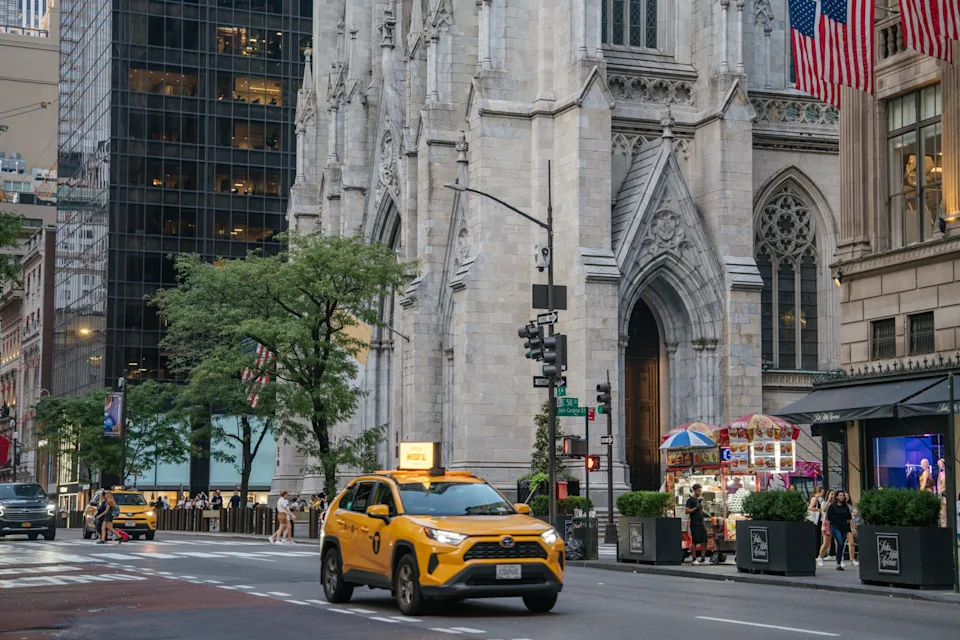
Image Credit : Shutterstock.
Fake taxis thrive in chaotic transit zones: airports, train stations, ferry terminals, and crowded tourist attractions. Drivers approach you before you reach the official taxi queue, offering “cheap,” “fast,” or “private” rides. They may look legitimate, but once you’re inside, everything changes. There’s no meter, no receipt, and suddenly the price is triple the normal fare. Some drivers even demand payment upfront or refuse to let you exit without paying an inflated fee.
These operators target Americans because many assume ride prices abroad are similar to U.S. costs, so when a driver quotes $40 for a 10-minute ride, travelers don’t immediately question it. When people are jet-lagged or disoriented, they’re especially vulnerable to these pitches. And because the scammer approaches you assertively and confidently, it feels awkward to refuse, making the con even more effective.
The only safe rule is to avoid anyone who initiates contact. Use official taxis, rideshare apps, or taxi stands clearly marked by the city. A legitimate taxi never has to chase customers down.
The Friendship Bracelet Trap

Image Credit : Shutterstock.
This scam is common in Europe’s busiest plazas. A vendor approaches with a smile, speaking quickly and warmly, and before you can react, they’re tying a colorful bracelet around your wrist. They insist it’s free, a symbol of friendship, peace, or luck. But as soon as it’s tied securely, everything changes. They demand money, sometimes loudly or aggressively, and refuse to let you walk away.
Americans fall for this trick because it feels rude to pull away when someone reaches for your hand, especially when the person seems harmless or charming. The scam works because it involves physical contact; once the bracelet is tied, removing it is nearly impossible without scissors, making most tourists feel obligated to pay just to avoid confrontation. Some scammers even work in groups, surrounding the target to pressure them further.
To avoid this trap, keep your hands close to your body when approached by street vendors and walk with purpose. Never allow anyone to tie, place, or hand you anything you didn’t request, if it’s “free,” it’s not.
“Let Me Take Your Photo!”

Image Credit : Shutterstock.
Every traveler wants a great photo in front of a famous landmark, and scammers know this. Someone approaches, smiling, and offers to take your picture. They seem friendly and enthusiastic, which disarms most Americans immediately. But the moment they have your phone or camera in hand, several outcomes are possible: they run, they demand money, or they transfer your device to an accomplice who disappears.
This scam works because it preys on the instinct to trust strangers during shared experiences, sightseeing feels communal, and many Americans assume tourists help one another. Scammers specifically target people who look like they’re struggling to get a family or couple shot, knowing the offer seems convenient and considerate.
For safety, only ask fellow tourists, preferably families or people clearly taking their own photos, or use a tripod or remote shutter. Anyone who approaches you first is likely not doing it out of kindness.
The “Closed Attraction” Lie

Image Credit : Shutterstock.
You arrive at a major attraction only to be approached by a stranger who informs you it’s closed for the day: “holiday,” “private event,” “renovation,” or “locals-only” hours. Conveniently, they happen to know a “better place,” a “local market,” or a “secret tour.” And that’s where they lead you, straight into an overpriced store, taxi, or fake tour operator.
This scam works because it plays on trust, anxiety, and confusion. Americans, unfamiliar with local customs or schedules, often take such statements at face value, especially when delivered confidently. Scammers phrase things politely, using phrases like “I’m just trying to help you avoid disappointment.” That friendliness makes the lie feel more believable.
Always check the attraction’s official website, ticket counter, or posted signs before taking advice from strangers. In most popular destinations, closures are rare, but scammers are not.
Pickpocket Distractions

Image Credit : Shutterstock.
Pickpockets rely on misdirection. Someone bumps you, spills something on your clothes, asks you to sign a petition, or starts a loud argument. While your focus shifts, a partner quietly lifts your wallet, phone, or bag. This method is so practiced that victims often don’t notice until hours later.
Americans are prime targets because they tend to be polite when approached unexpectedly and often keep valuables in back pockets or open bags. When something unusual happens, like spilled sauce or an urgent request for help, most tourists instinctively react before thinking, and that’s all the scammer needs.
Keep bags zipped and in front of you, never react too quickly to random strangers grabbing your attention, and stay alert in crowds, especially around street performers or train platforms.
The “Fake Petition” Ruse

Image Credit : Shutterstock.
Petition scammers usually operate near major tourist squares, museums, and train stations. They approach with a clipboard, speaking quickly and earnestly about a worthy cause, disability rights, children’s welfare, animal protection, or world peace. The pitch is designed to feel wholesome and urgent, something no decent traveler would refuse. But the moment you sign, they demand a “donation,” often loudly and aggressively, making it uncomfortable to walk away.
The scam is effective because it plays directly on Americans’ instincts toward charity and social responsibility. Many travelers assume petitions are innocent forms of activism, and scammers exploit that goodwill. They often work in groups, surrounding the target from several angles so you feel trapped in the interaction. Some even use guilt-driven phrases like “Why don’t you care?” or “It’s only a small donation,” designed to pressure you publicly.
Once you engage, it’s difficult to exit the situation without paying. The only effective strategy is to avoid stopping in the first place. Don’t make prolonged eye contact, don’t take the clipboard, and don’t sign anything handed to you on the street, legitimate organizations don’t operate this way.
The “Free Sample” That Isn’t Free

Image Credit : Shutterstock.
Whether it’s a piece of food at a market, a small trinket, a spritz of perfume, or even a sprig of herbs, scammers use “free samples” to lure tourists into manipulative sales. They place something directly in your hand, or even on your shoulder, and insist it costs nothing. But once you accept, the tone shifts dramatically. Suddenly, they demand payment, block your path, or shame you for refusing to “support local vendors.”
This tactic works especially well on Americans because of cultural familiarity with genuine free samples in malls, grocery stores, and farmers’ markets back home. What feels like normal customer service in the U.S. becomes a high-pressure trap elsewhere. Vendors are trained to create urgency, closing physical distance and making the interaction feel too uncomfortable to walk away from empty-handed.
Always remember: if someone insists something is free while forcing it into your hands, it’s not free. Keep your distance, decline politely but firmly, and never touch or accept anything you didn’t request.
The Fake Police Officer
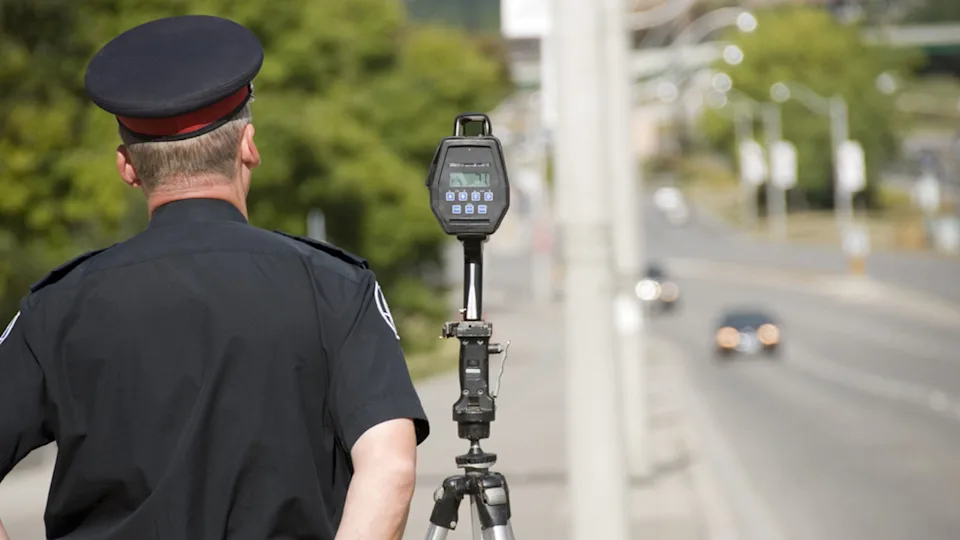
Image Credit: Shutterstock.
In this scam, someone pretending to be a police officer approaches you, claiming they need to check your ID, your wallet, or even your cash for “counterfeit bills.” They may show a badge, real or fake, and speak with authority, pressuring you to comply. Once they have access to your wallet, they subtly remove cash or valuable items before handing it back.
Americans fall for this because the impersonators often dress the part and use official-sounding language. Many travelers assume that refusing a police request abroad will cause legal trouble, so they comply out of fear or confusion. Scammers exploit this hesitation, knowing most tourists won’t challenge authority figures in a foreign country.
Real police rarely, if ever, ask to inspect your money. If you’re approached, insist on moving to a police station or calling emergency services. A scammer will back off instantly; a real officer won’t object.
The Rental Damage Scam

Image Credit : Shutterstock.
This scam targets tourists renting cars, scooters, bikes, or jet skis. You return the vehicle in perfect condition, only for the rental operator to point out “new scratches,” “dents,” or “engine issues,” all of which existed before. They demand payment on the spot or threaten to charge your credit card an outrageous amount.
Americans often fall victim because they assume rental operations abroad follow similar standards to U.S. companies. They trust the operator, skip paperwork, or forget to take detailed photos before leaving. Scammers rely on this lack of documentation, making it nearly impossible to dispute damage claims. Some even work with accomplices who intentionally mark or tamper with returned equipment when you’re not looking.
Always photograph every inch of a rental, inside and out, before you drive away. Even better, record a full walk-around video. Scammers typically fold when they realize you have proof.
The Currency Switch

Image Credit : Shutterstock.
This classic scam happens when you pay with large bills. A cashier, taxi driver, or vendor takes your money, quickly swaps it for a smaller denomination, and claims you didn’t give enough. They show you the swapped bill as “proof” and demand the difference.
Scammers target Americans because many aren’t familiar with local currency designs and denominations. When you’re unsure what each bill looks like, it’s easy to doubt your memory and give more money just to make the situation end. This trick happens fast, often in one smooth hand motion, making it nearly impossible to notice the switch.
To protect yourself, announce the value of the bill as you hand it over and keep your eyes on the exchange. If something feels off, ask for the manager or walk away firmly. Most scammers won’t escalate when challenged.
The “Too-Good-to-Be-True” Tour

Image Credit : Shutterstock.
A friendly stranger or unlicensed guide approaches offering a cheap, exclusive, or “locals-only” tour. They promise secret spots, insider access, or special experiences unavailable through official operators. Once you agree, you’re led on a rushed, low-quality walk or uncomfortable vehicle ride that ends in souvenir shops or restaurants where you’re pressured to buy. Sometimes the “guide” disappears mid-tour, leaving you nowhere near your starting point.
Americans often fall for this because it feels adventurous and spontaneous, the idea of discovering hidden gems away from crowds is incredibly appealing. Scammers exploit this desire by using phrases like “only locals know this” or “the real culture is here,” making the offer sound authentic rather than suspicious. The excitement of a unique experience can cloud judgment until it’s too late.
Always research and book with reputable companies. Spontaneity is great, but not when it involves following complete strangers into unfamiliar areas.
The ATM “Helper”

Image Credit : Shutterstock.
This scam occurs when someone stands near an ATM, pretending to offer assistance, maybe the machine is “tricky,” the buttons “don’t work,” or they just want to help speed things up. They guide you through the process while observing your PIN, then later pickpocket your card or use an accomplice to distract you. Some ATMs even have skimming devices installed by the same group.
Americans are particularly vulnerable because they’re used to friendly bank staff and assume people offering help are genuine. When traveling, especially when tired or rushed, many don’t think twice about accepting assistance at a machine they’ve never used before. Scammers rely on this moment of vulnerability, turning a simple transaction into a costly mistake.
Never let anyone stand close while you use an ATM. Cover the keypad, inspect the machine for loose parts, and use ATMs inside banks or hotels whenever possible. Assistance at an ATM is never a good sign, the only safe help is none at all.