

This winter’s weather headlines offer plenty of reasons to scrutinize a forecast. In its October 8 discussion, NOAA’s Climate Prediction Center put the probability of a strong-to-very-strong El Niño through January to March 2027 at greater than 83%. That whopping seasonal outlook might seem harsh, but it doesn’t have to hold you back from taking a trip.
In Europe, it’s not as simple as picking a travel spot that El Niño won’t affect. The Met Office, the U.K.’s national weather service, has advised that El Niño could bring more rain and storms to northwestern Europe in autumn and early winter, with a greater chance of cold snaps later on. But it’s just one of many things that shape the weather, so not a guarantee of what you’ll experience on your trip.
Is El Niño keeping US-based travelers from booking a trip to Europe this winter? The advisors and operators I talked to for this story say don’t hold back. In fact, they offer a tempting case for hopping on that transatlantic flight.
What Travel Advisors Are Seeing
Duncan Greenfield-Turk, founder and chief travel designer of Global Travel Moments, says many of his clients are considering Switzerland, Germany, Scandinavia and Iceland for cool-climate winter trips. However, he says the interest in these spots has nothing to do with weather outlook. “I would not say a forecast is driving it,” he offers.
Advertisement
Advertisement
Andrés Serra, head of operations at Optimise Travel, is similarly weary of any notion that this winter is a bad time to head to Europe. “There’s also no clear evidence that American travelers are changing their plans because of [El Niño],” he says. If a day of uncomfortable weather hits, Serra says spots like Rome, Vienna and Paris are where museums, restaurants and historic sites make it easy to switch things up when the temps or precipitation put a damper on outdoor plans.
Tourists walk along the waterfront in Nyhavn as severe cold weather causes the city’s waterways and lakes to freeze over in Copenhagen, Denmark, on February 18, 2026. (Photo by Kristian Tuxen Ladegaard Berg/NurPhoto via Getty Images)
Plan Around What’s Open
Adam Nathan, founder of the travel planning app Carmen, doesn’t make it sound complicated: “Plan a European winter trip around what is open, not the forecast.” A city itinerary with indoor alternatives gives travelers more ways to adjust, while a garden visit or ski trip depends more heavily on seasonal access and conditions, he says.
For Michelle Jolene, a travel writer and creator who covers Europe as Empty Nest Rebel, winter is an excellent time for a charming travel experience. She spent last January in Copenhagen, where, she says, “the cold is a feature, not a bug.”
She says the most authentic travel doesn’t avoid any certain type of weather. “European cities are built for winter, so the traveler who dresses properly gets the city the locals actually live in, not the one performed for summer crowds.”
Advertisement
Advertisement
For travelers who prioritize milder conditions, Francesco Mevoli, founder of Gay Up Travel, suggests Rome, Seville or Lisbon. Based in Padua, Italy, he designs European trips for American travelers and suggests a tightly planned itinerary might lead to disappointment. “The travelers who end up walking in the rain are the ones locked into a fixed schedule,” he says.
He also warns that a dreamy summer spot can feel isolated in winter. On the Greek islands and the Amalfi Coast, for example, “many hotels close for the season and ferries thin out,” he says. Before you book, check that you’ll have places to eat and ways to get around, not lodging with an open door.
A general view taken on February 14, 2021 shows Bormio’s world famous ski resort in the Italian Alps. (Photo by MIGUEL MEDINA/AFP via Getty Images)
For Snow, Ask More Specific Questions
If you’re dreaming of a snowy winter trip, Angelina Glugan, cofounder of Helsinki-based Guidance DMC, recommends Finnish Lapland. She says snow usually covers the ground from late November through April, so there’s a good chance you can head out with huskies or go snowmobiling. However, while the Finnish Meteorological Institute describes a long winter in Lapland, snow on the ground doesn’t necessarily mean every outing will proceed like you want it to. Before you book, ask operators what conditions they need and what your options are if the weather doesn’t cooperate.
And if the Northern Lights are on your wish list, give yourself a few nights rather than pinning all your hopes on one evening. “The real variable up there is cloud,” Glugan says, so she recommends staying three or four nights to give yourself more chances to see them.
Advertisement
Advertisement
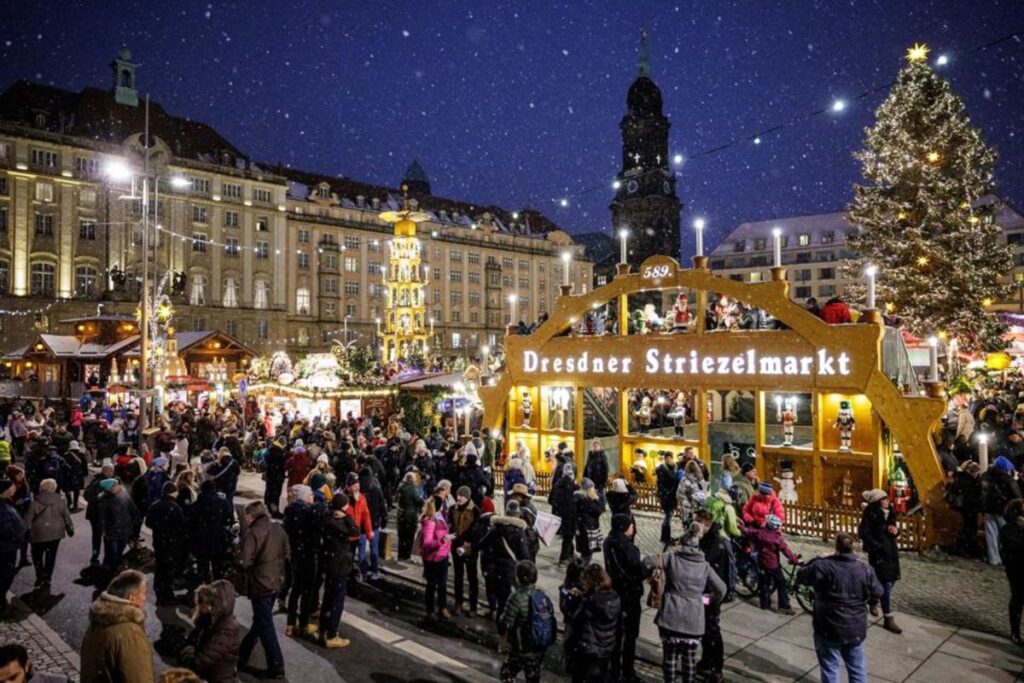
Mevoli says that if you “want winter to feel like winter,” the Christmas markets in Dresden and Berlin are “about as dependable as European travel gets.” He says that Dresden’s Striezelmarkt, first held in 1434, is the oldest documented Christmas market in Germany, and it opens every Advent, “whatever the sky does.”
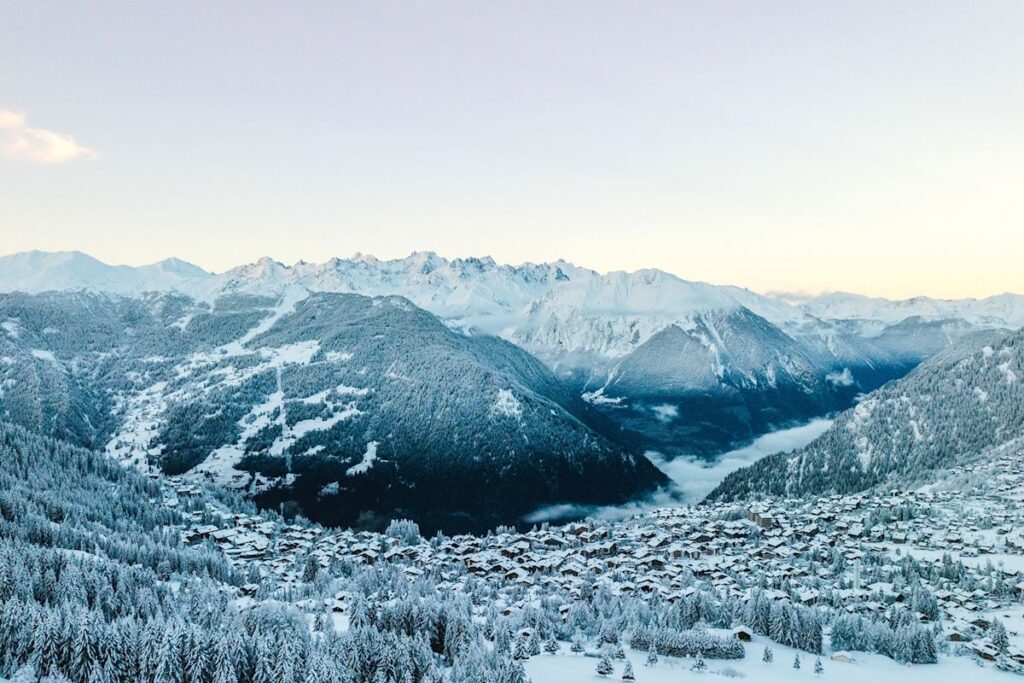
For an Alpine ski trip, Serra recommends higher-altitude destinations such as Val Thorens in France or Cervinia in Italy, but elevation alone won’t guarantee perfection. (As of November 11, Cervinia reported about 14 inches.) “Even high resorts don’t always have good skiing,” he says. He suggests choosing accommodation and lift passes that allow changes, so you can adjust if needed.
Agustina Lagos Marmol, founder and CEO of Dolomite Mountains in Alta Badia, Italy, recommends booking with a local specialist who can adjust the itinerary within the region. Before committing, ask what those adjustments would involve. “Here you don’t ski a resort, you ski across a region,” she says.
This article was originally published on Forbes.com
Source link