See how older Californians found community in LA senior centers
Helitra.com
Older adults are among the fastest-growing populations in California. By 2030, residents over 65 are expected to outnumber those under 18, signaling a major demographic shift. Recognized as community focal points under the 1965 Older Americans Act, more than 11,000 senior centers operate nationwide, offering different services such as meals, wellness classes, and spaces that foster social bonds.
Research shows social isolation poses serious risks to older adults’ mental and physical health. As people age, many face compounding health needs, fixed incomes, transportation challenges, and the loss of spouses, housing, mobility, or independence. Senior centers provide community support, yet despite their significant role, both older adults and the programs that serve them largely remain underrepresented in media.
In this photo essay, Los Angeles–based photojournalist and filmmaker Isadora Kosofsky documents the long-term impact of COVID-19-related senior center closures, many of which were the first communal spaces to shut down and the last to reopen, tracing their gradual return to the present day. Her work spans multiple years and communities including Tehachapi, Lincoln Heights, Westchester, Watts, and Culver City.
“I have seen very little in-depth storytelling about senior centers,” she says. “They exist in nearly every ZIP code, yet we know so little about these spaces and the people who gather within them.”
The intimate photographs reflect moments of solitude and connection, illuminating senior centers as daily spaces for kinship and community. “Ultimately, the project is about belonging,” Kosofsky says. “In our unprecedented aging world, it is vital that we report on how older adults seek meaning and build new relationships.
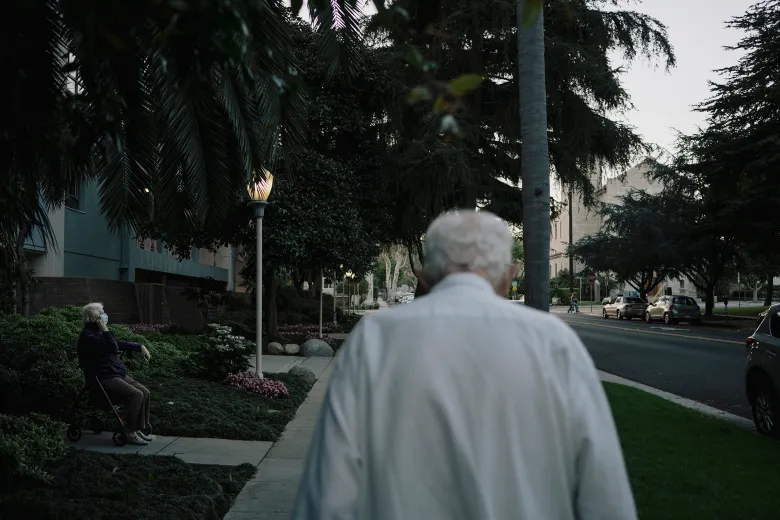
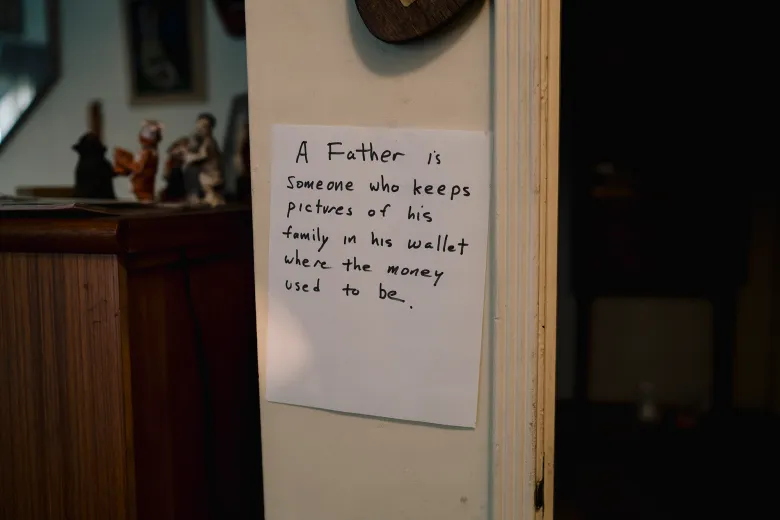
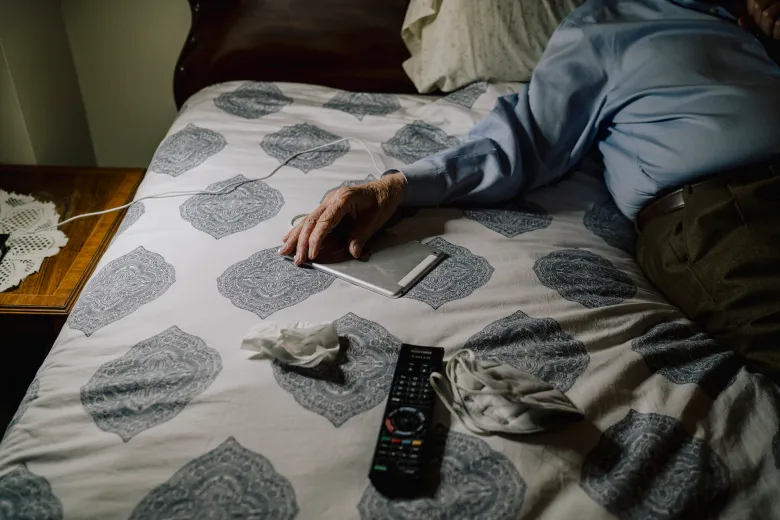
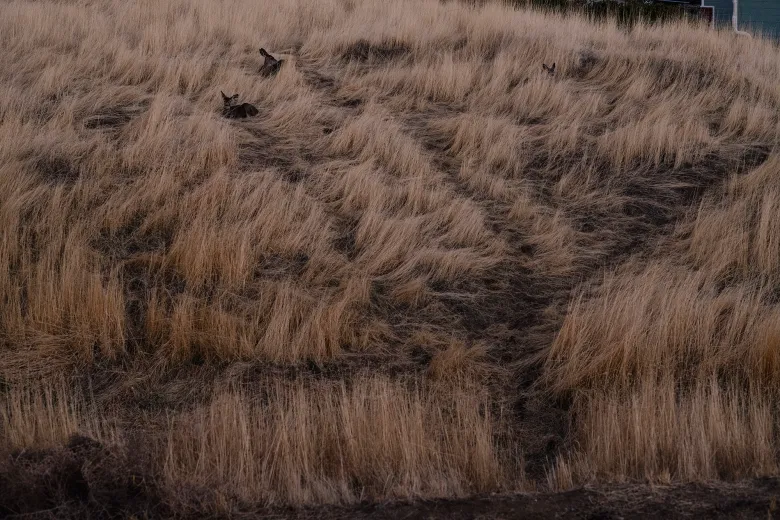
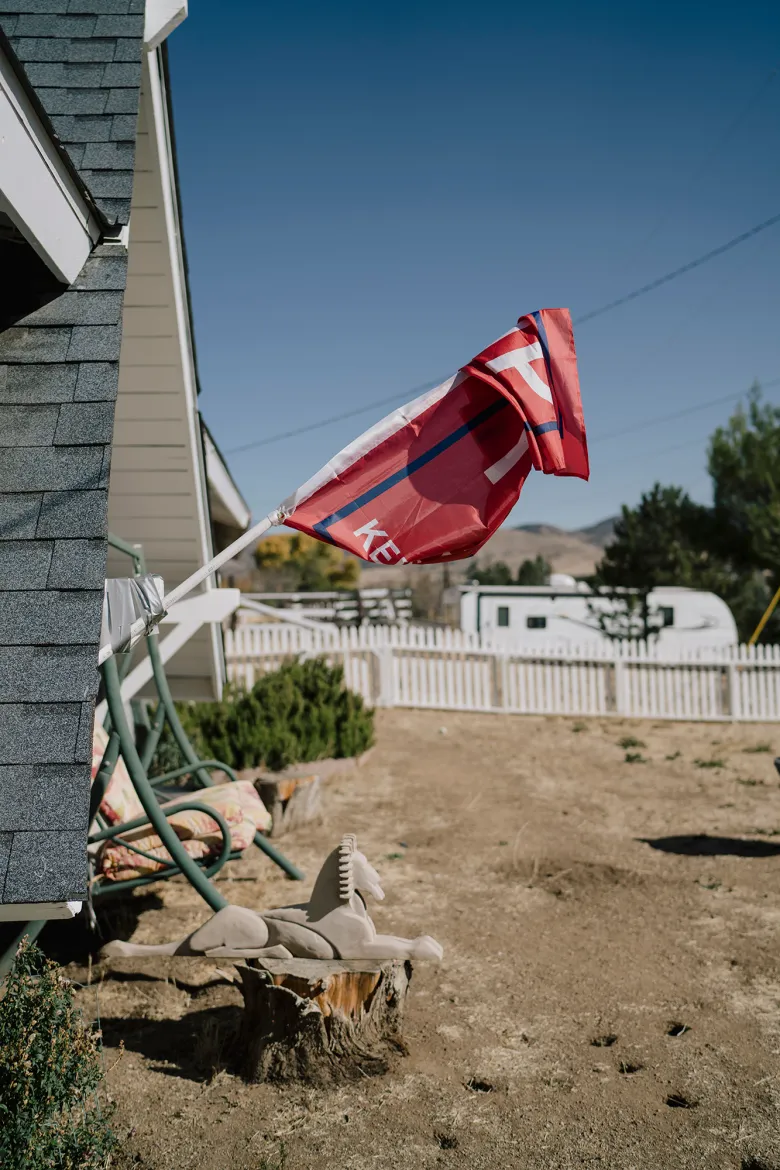
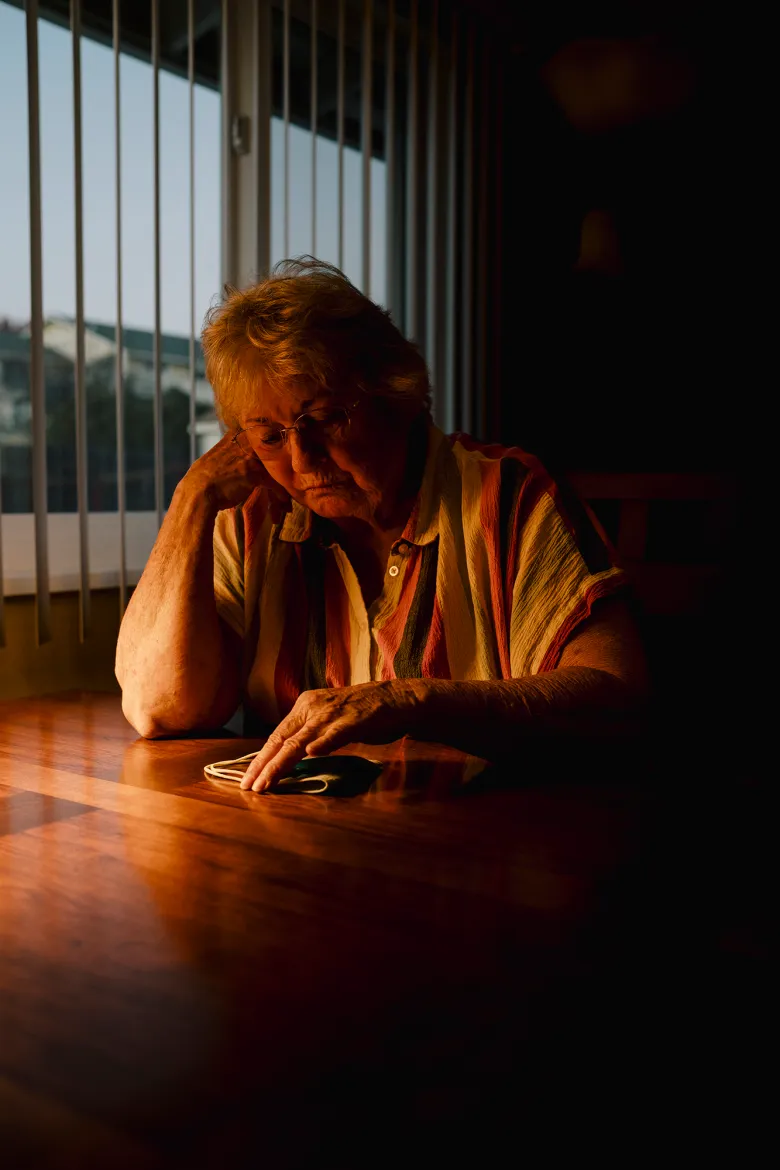
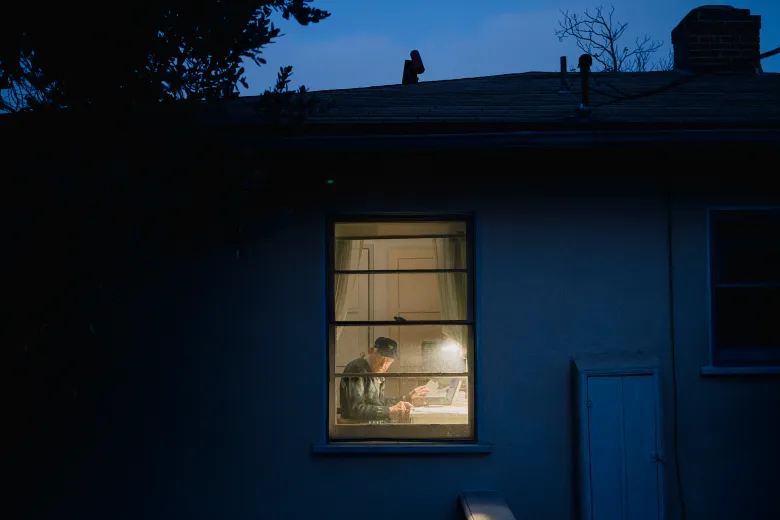
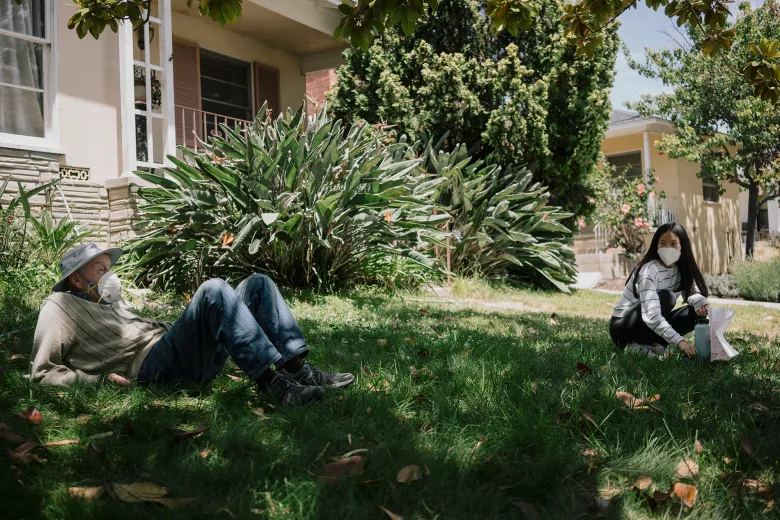
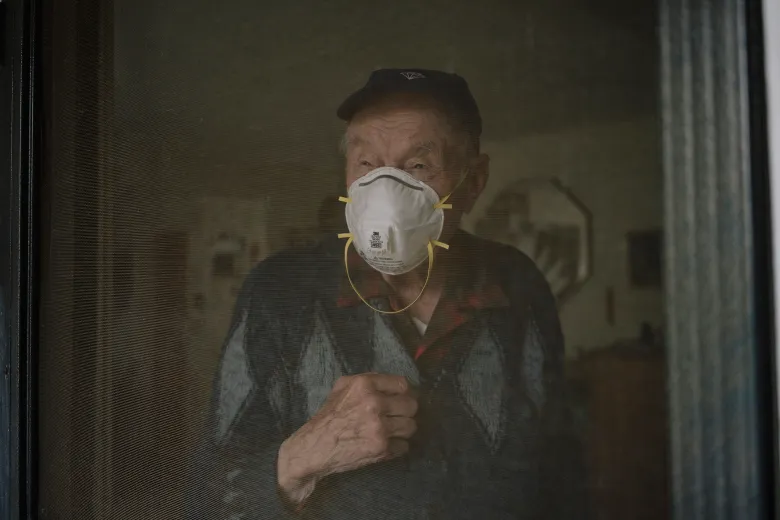
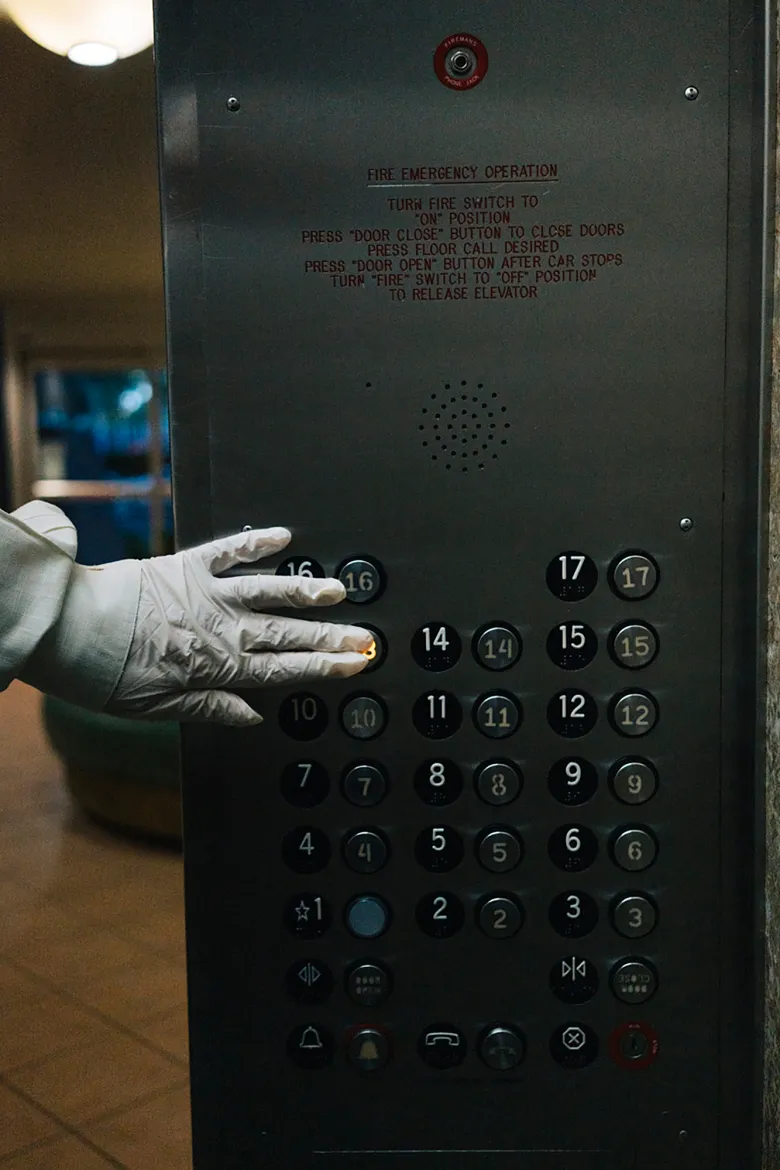
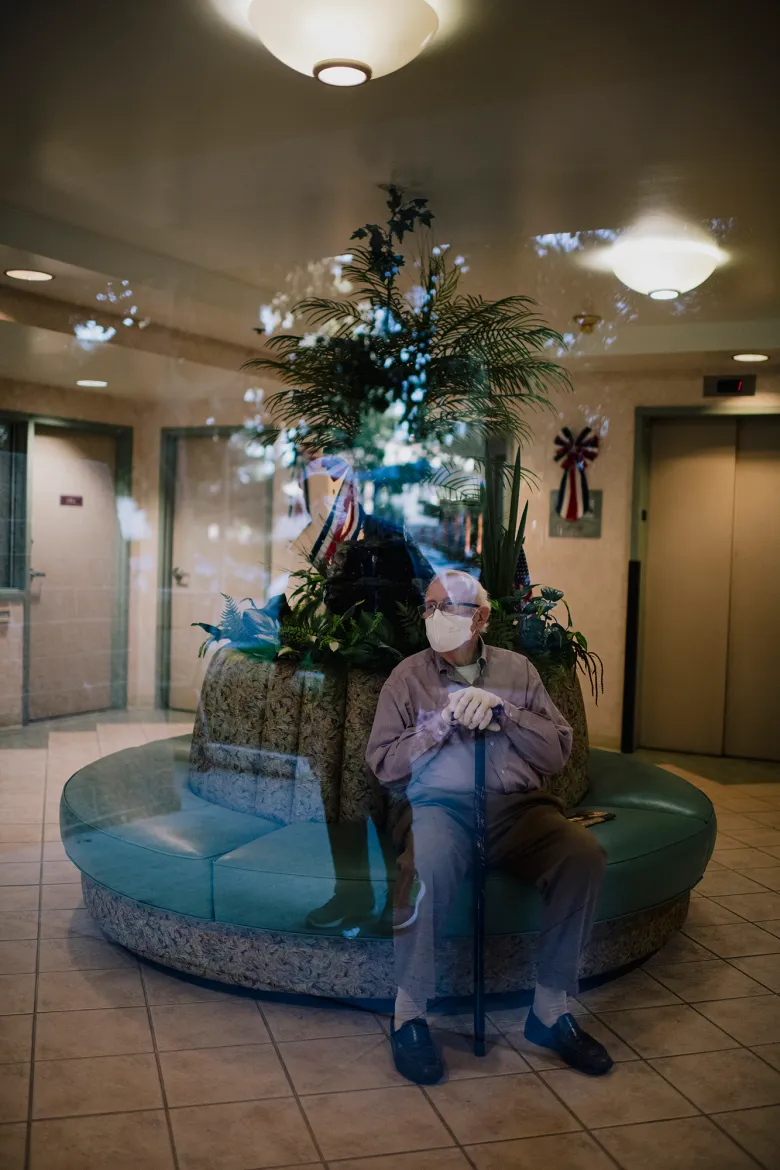
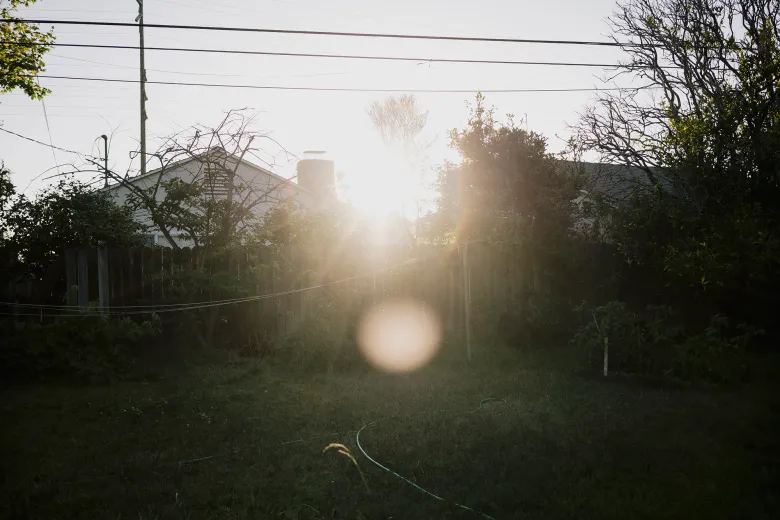
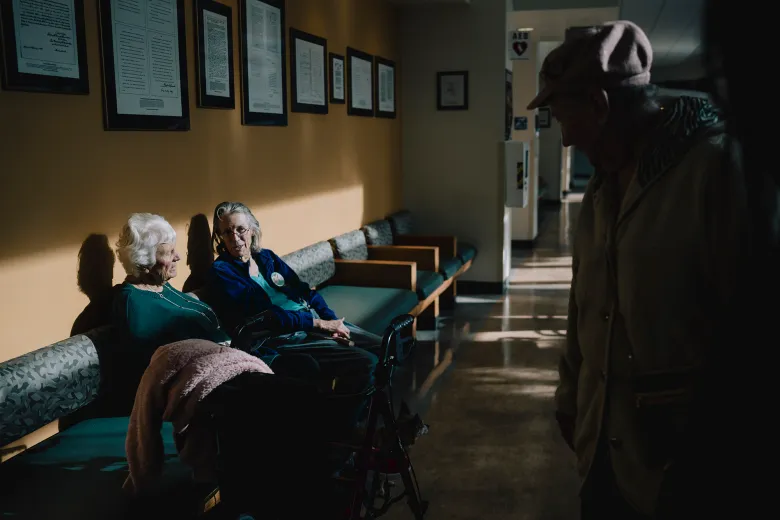
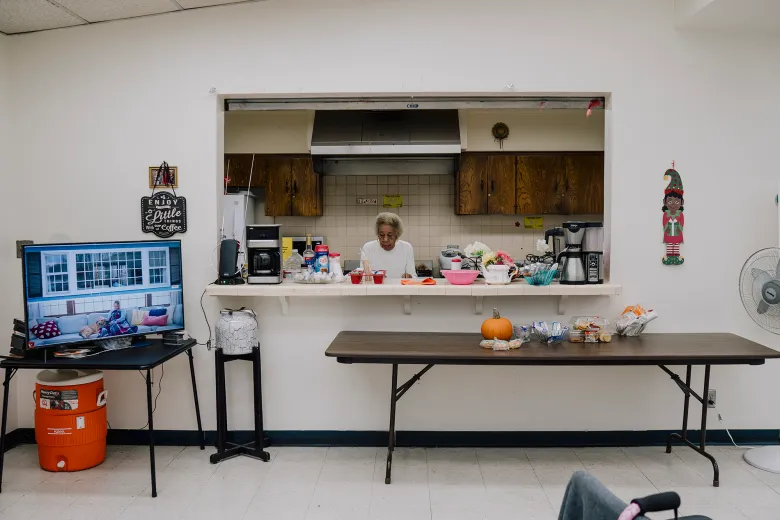
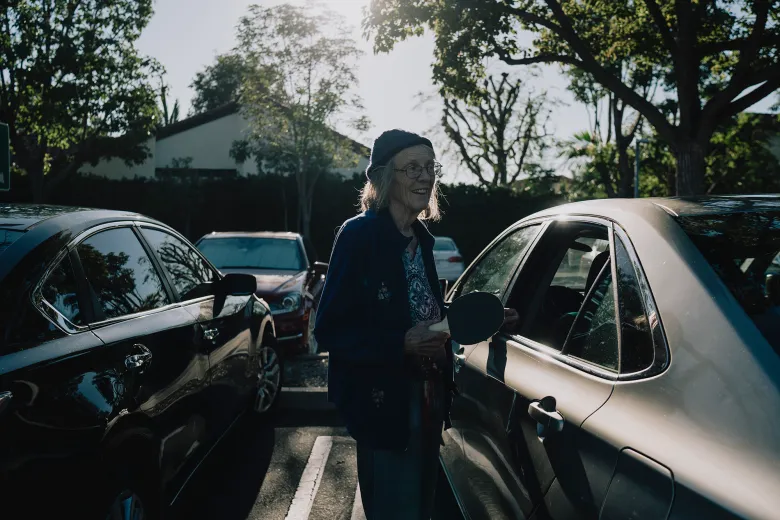
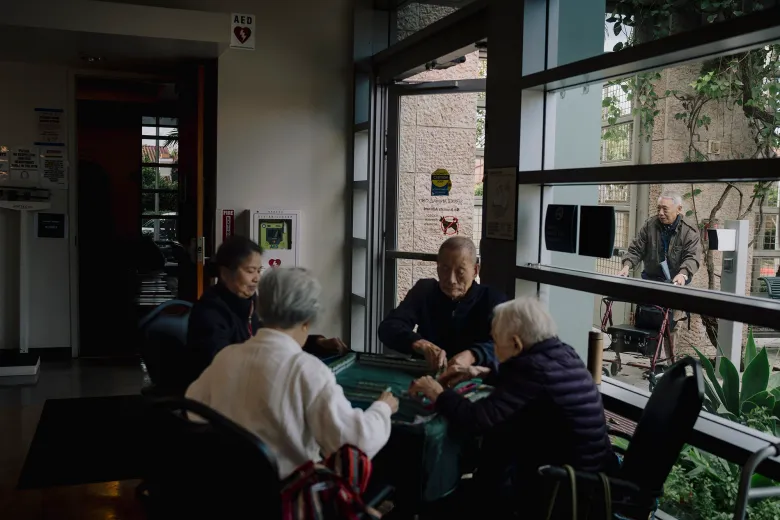
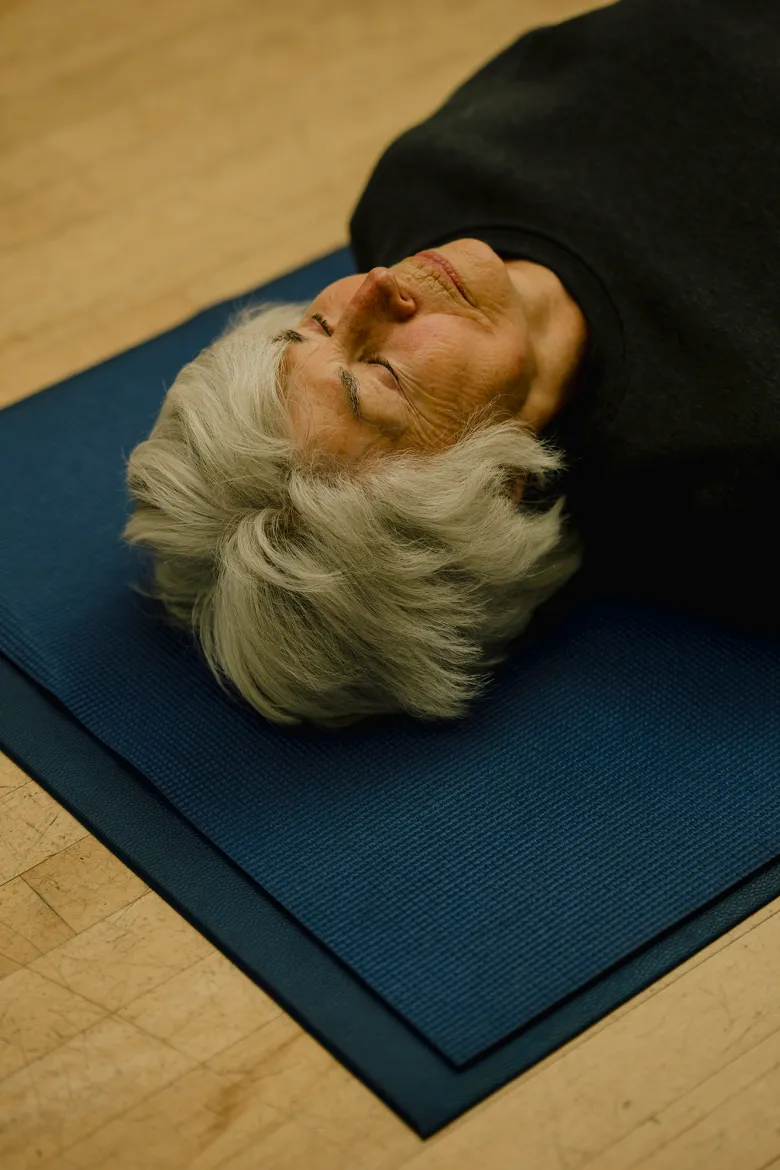
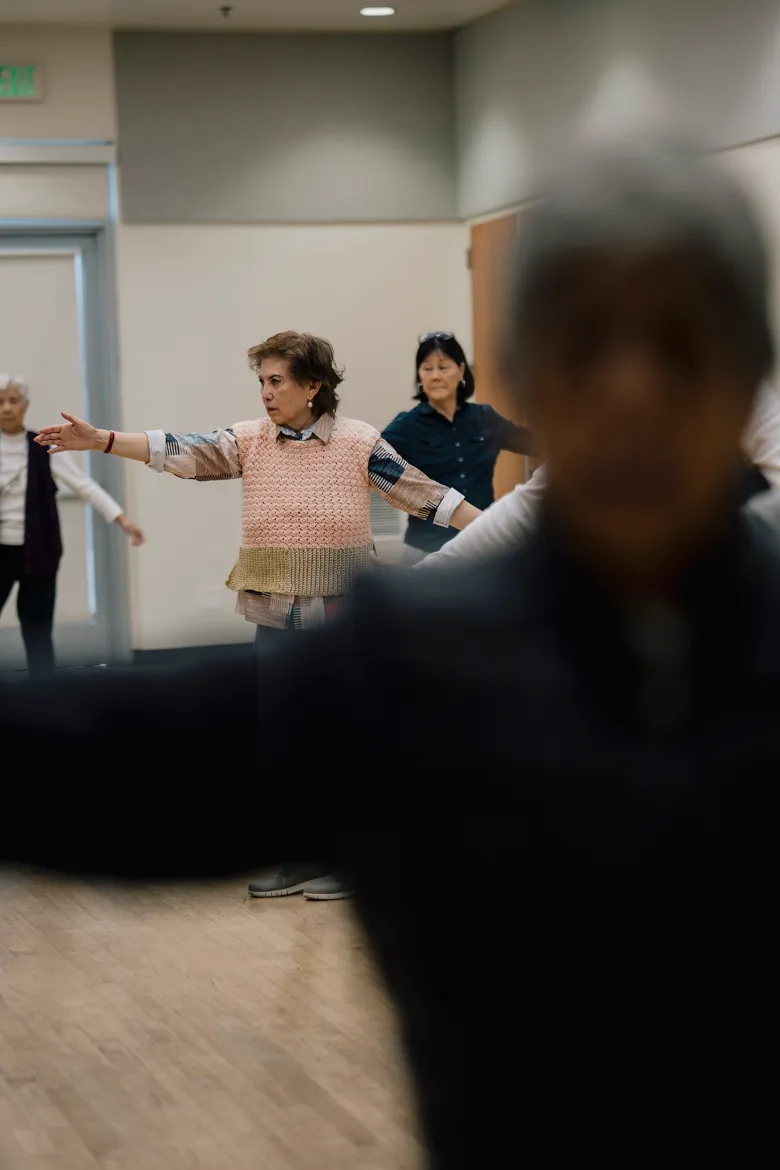
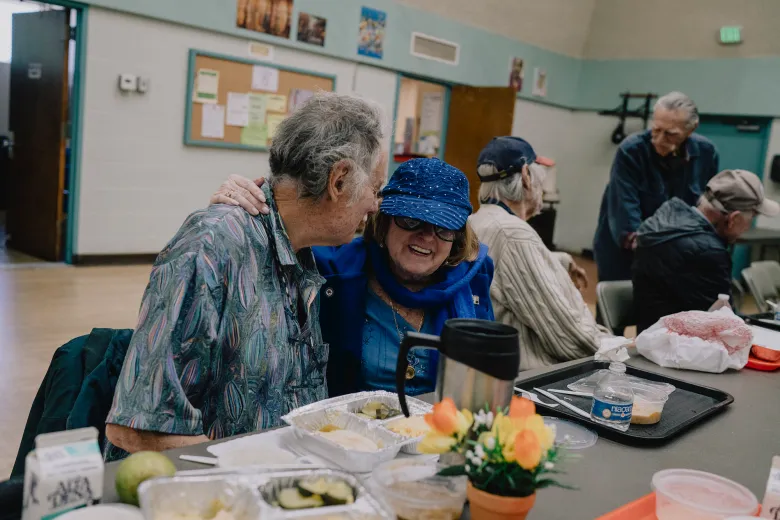
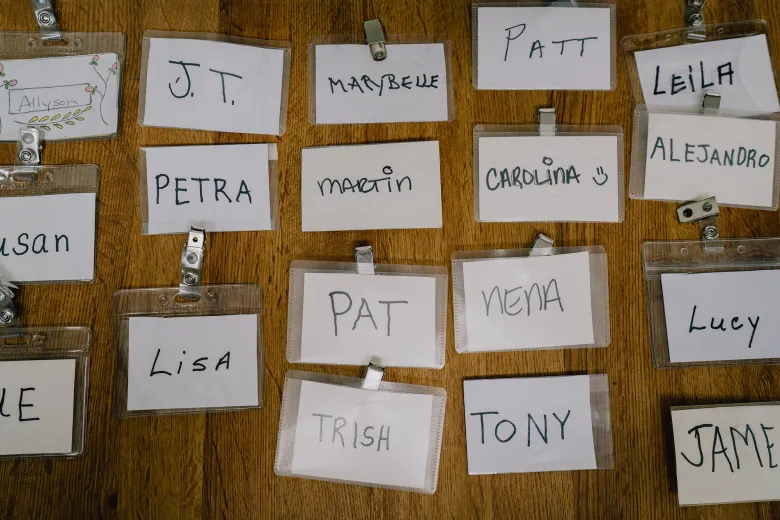
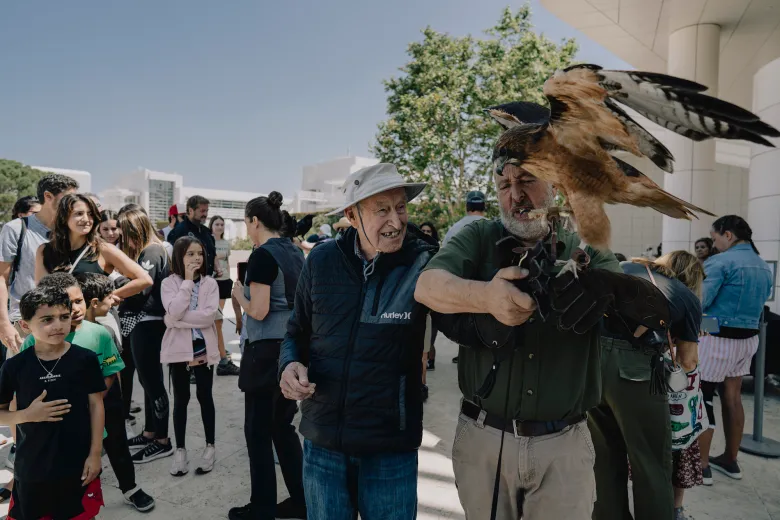
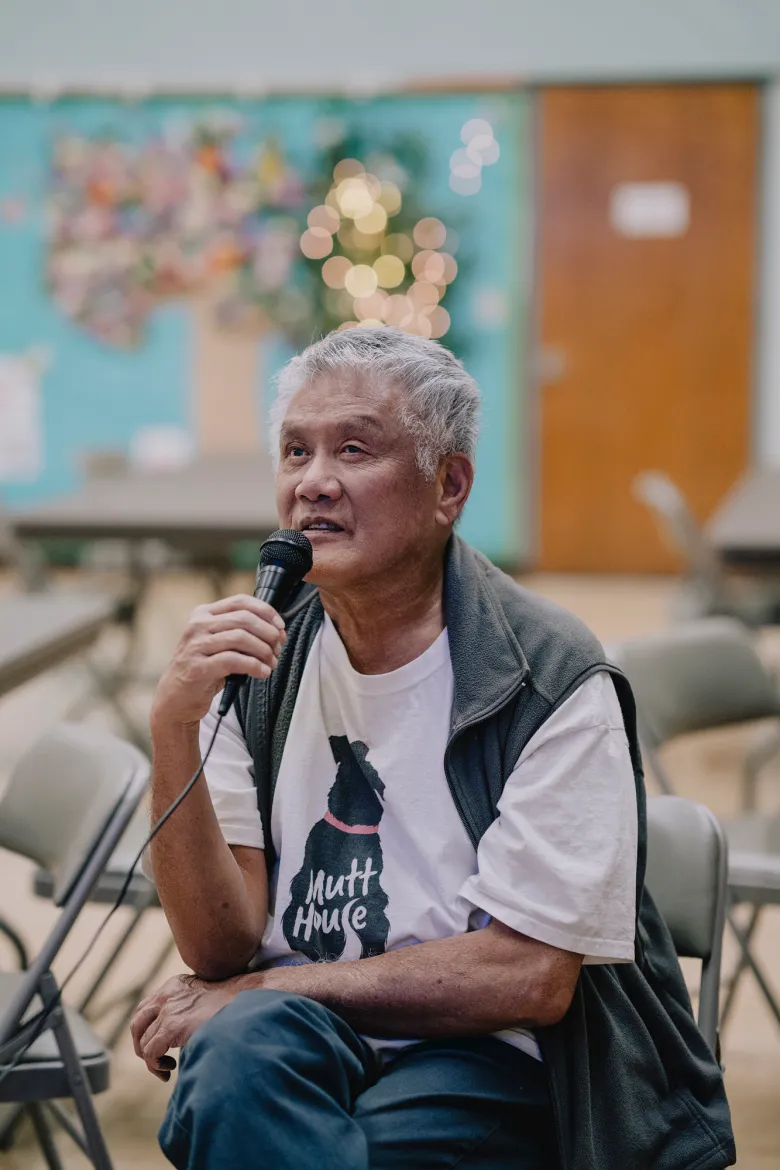
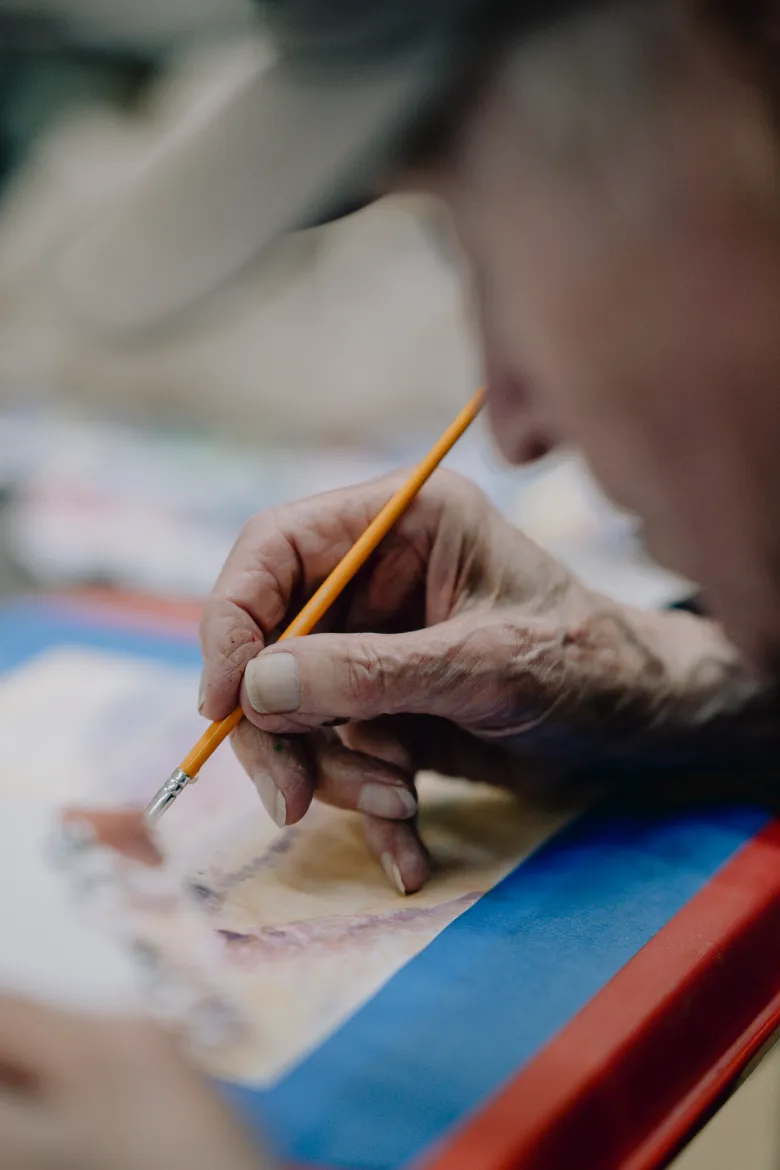
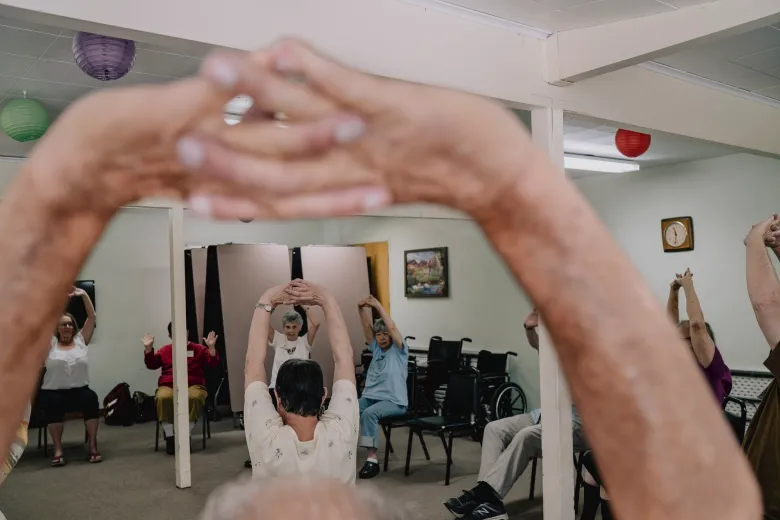
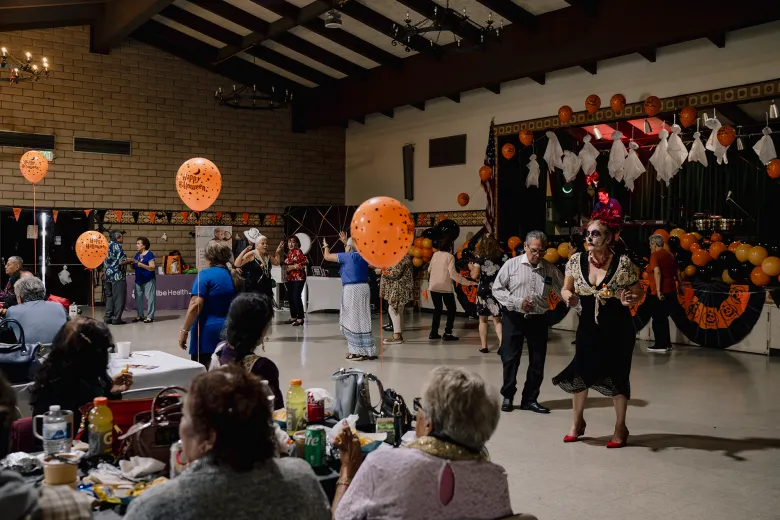
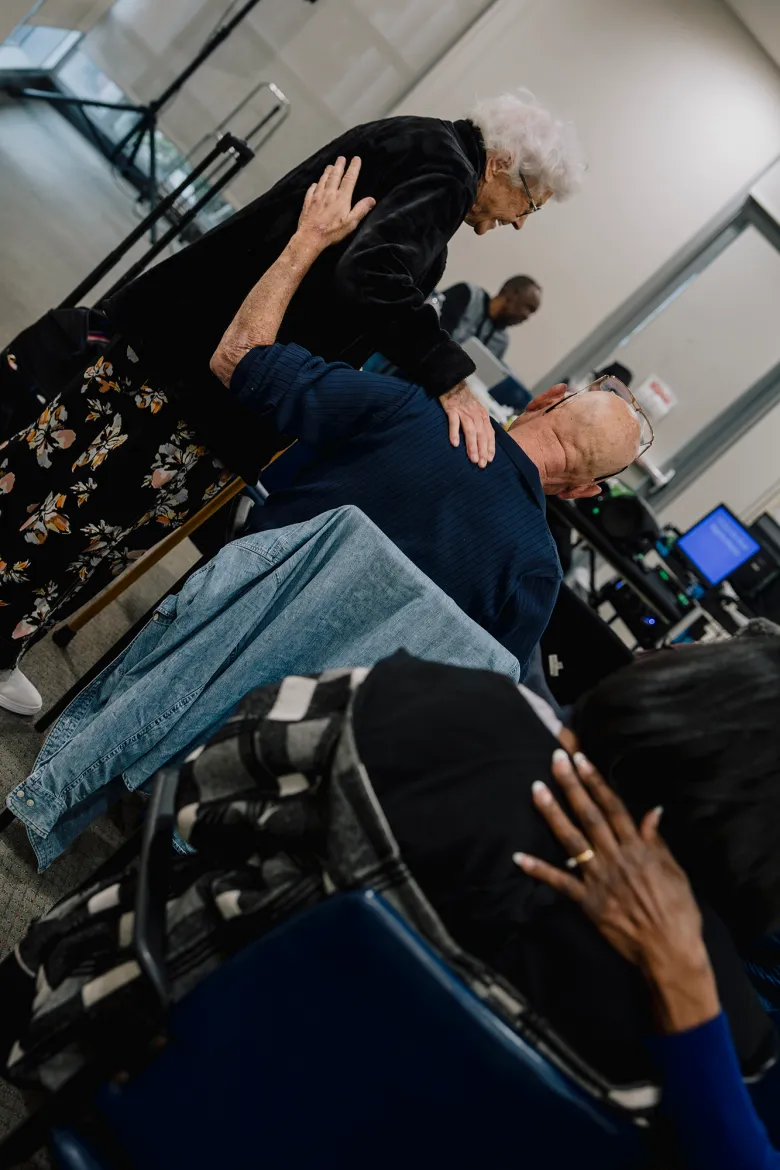
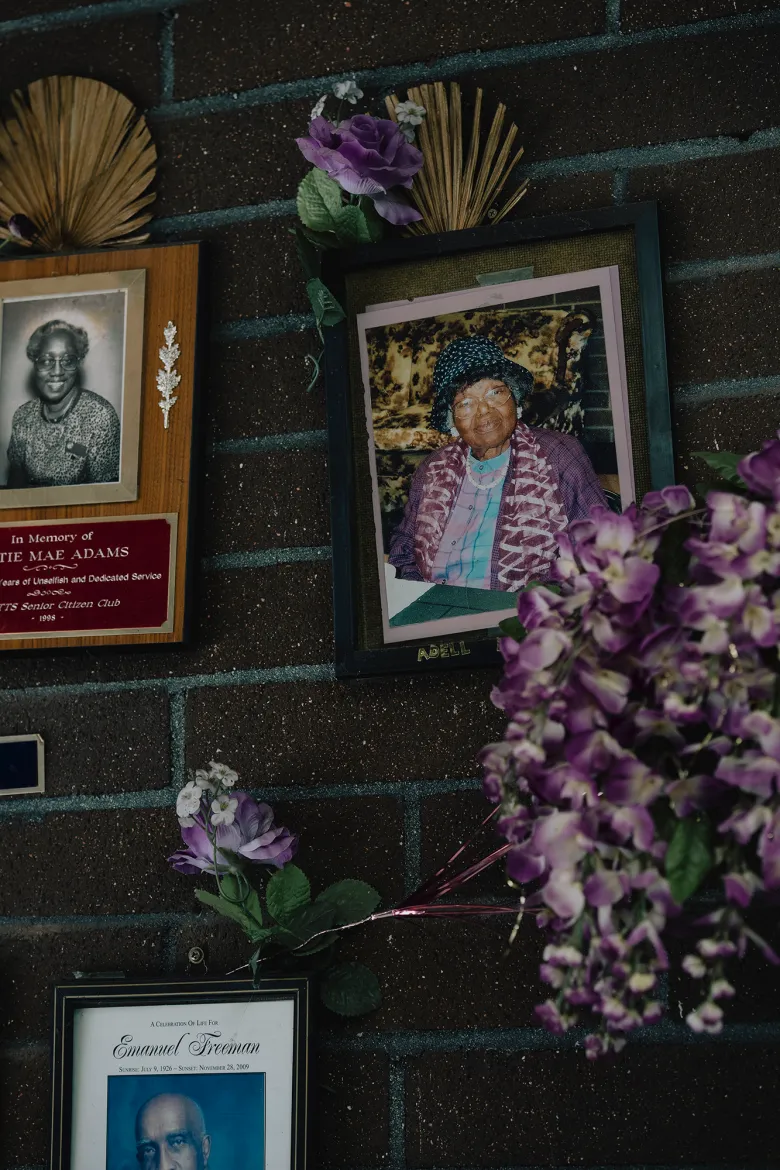
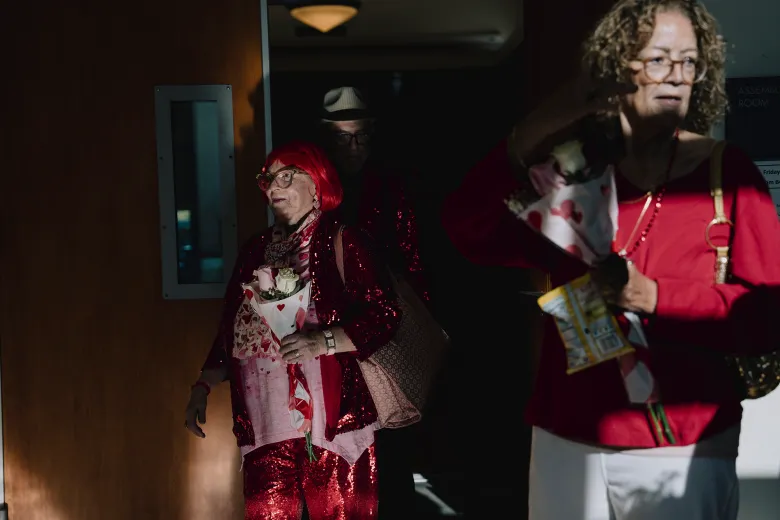
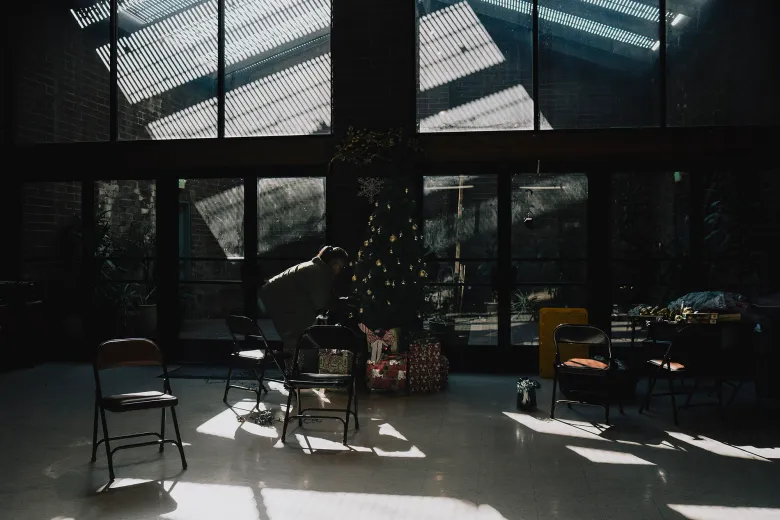
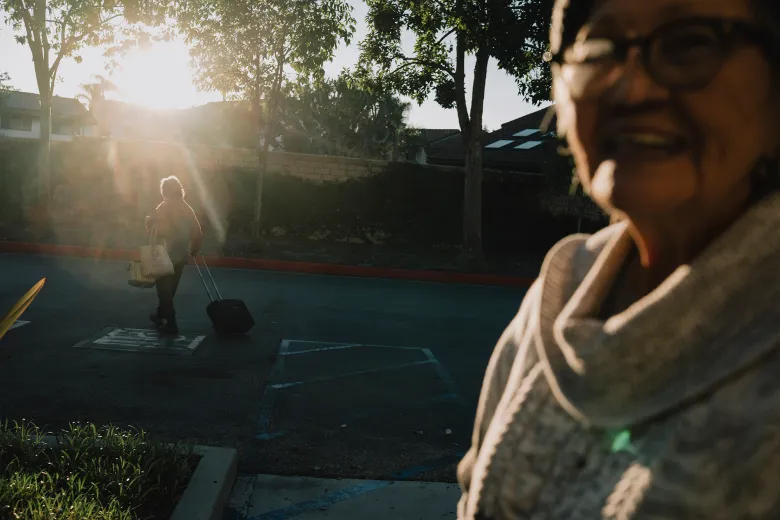
People socially distance themselves outside subsidized senior housing in Santa Monica, in 2020. A 2024 University of Colorado Boulder study revealed that more than half of older adults still spend more time at home and less time socializing in public than they did prior to the pandemic. Edgar Burns, 93, lived in the Westchester neighborhood of Los Angeles. For over 10 years, he lived alone in the home he once shared with his wife and where he raised his three children. A former Mattel toy inventor, he continued to create toys well after retirement. He kept in touch with members of the Westchester Senior Center by phone, including the director.Shane Shabad, 90, who lives in affordable senior housing in Santa Monica, relies on his iPad for information. His vision loss makes it challenging for Shane to watch television, so he listens to the local Iranian radio. “Since nobody is talking to me during the day, I have noise.” Older adults in rural areas, like Tehachapi in the Mojave Desert, face additional risks of social isolation. They face multiple barriers to connecting with others, such as transportation challenges, more limited economic resources, and more restricted access to health care, especially mental health care.\Sandie Shultis, 76, sits in her home in Tehachapi. She served on the board of the Tehachapi Senior Center but has not returned since the shutdown. “I’m such a homebody,” she shared. Sandie has lived alone with her four dogs since her husband, Ray, passed away. In 2025, Sandie moved from Tehachapi to Bakersfield to be closer to medical services.Edgar Burns, 93, uses his computer to video chat with his grandchildren. Edgar was an active member of the Westchester Senior Center near his home for over a decade. He joined the community after his wife passed away. During the pandemic, he filled his time with socially distanced meals with his family, gardening, and used Portal, which his grandson set up for him.Burns, and granddaughter, Lianna Levine, 16, sit on the front lawn of his home. “Sure, I would like to do more things with my grandkids, but I can’t, so I don’t,” he said in 2020. “It’s just a few more months.”Burns stands in the doorway of his home. He immediately returned to the Westchester Senior Center upon its reopening in 2022.Shane Shabad, 90, is a former ice cream store owner who emigrated to the US from Iran in the 1970s. In 2021, his son, who was his primary support person, died suddenly. Shabad faced increased isolation thereafter, relying on his daughter and granddaughter for support to purchase groceries.Burns, 93, dug holes for a week in the backyard of his home of 50 years. Edgar planted two different kinds of tomatoes in his garden, as COVID-19 cases rose in LA County. After preparing the soil in the yard at high noon, he walked for a mile daily. He picked blueberries off of an overgrowing plant beside his home. “Busy keeps me happy,” Edgar said in 2020. “Due to the coronavirus, all these things become important because you can’t do anything else.”Members gather in the main hallway at the Culver City Senior Center in 2025. “Even those that are recluse, all of us have a longing, different degrees of longing to belong and to be connected,” said Elena Portacolone, professor of sociology at the Institute for Health and Aging at UCSF.A member gathers food at the Watts Senior Center in Los Angeles in November 2025. “They have their homes. And our senior citizen centers are the second home,” said Leslie Richter, former supervisor for the Department of Recreation and Parks through the City of Los Angeles, which operates 29 senior centers in the city.Gina Clewly, 85, stands next to her car with a ping pong paddle at the Culver City Senior Center. Gina drives from Beverly Hills to Culver City multiple times per week to play ping pong.Macau Chen, 87, arrives in the morning to play Maj-Jong at the Culver City Senior Center. Macau speaks Cantonese only and has found community amongst the Maj-Jong players who sometimes spent eight hours at the senior center playing with other members in the hallways.First: Manon Levenberg, 85, attends a yoga class at the Culver City Senior Center. Manon has been practicing yoga for 30 years. “The yoga classes that are not in a senior citizens center are geared to a different demographic. The younger groups are just not a fit for me,” said Manon. “I think people are much more aware of fitness and moving. The pandemic has just changed a lot for people. I think a lot has been positive.” She cites loneliness and loss of friends as reasons that pushed her to seek out the center. Last: Rosalie Ranola, 79, participates in a Tai-Chi class. Members of the Westchester Senior Center interact during lunch in Los Angeles. “We wanted to find new friends,” said Andrew Wong, 86, who became a member after the pandemic. Andrew and his wife attend both the Westchester Senior Center and the Culver City Senior Center. He was motivated to join, so he could also take an iPhone education class. “At my age, it’s hard to learn.”Name tags at the Tehachapi Senior Center in Tehachapi. “It gives people something to do. A lot of seniors here have lost loved ones,” said Lewis Brown, who has been the center director since 2014. “Their kids don’t live in Tehachapi. You come here to socialize. And exercise and have a hot lunch.”Edgar Burns, 96, attends a fair at the Getty Center in Los Angeles in 2023 during the first outing with the Westchester Senior Center since the pandemic shutdown. For some older adults, transportation to and from the center to cultural and artistic events allows them to get out of their home with support. He continued to attend the senior center until his death in January 2025.First: Leonard Yee, 66, a member, sings karaoke at the Westchester Senior Center in Los Angeles. Last: Burns paints during a watercolor class. Senior centers offer a myriad of class and social programs, including art-making, music and current events. They also provide grief support groups.Members of the Tehachapi Senior Center stretch during a chair exercise class. Surveys reveal that more older adults are coming to senior centers for fitness classes since they reopened. The volunteer run center of 200 members offers exercise, Scottish dance, line dancing, and support groups. “We are self-sufficient,” said Lewis Brown. While they use a city building, the members pay utilities and insurance through fundraiser dinners and member donations. Chris Garcia, 78, dances with Eva De La Torre, 75, alongside other members of the Lincoln Heights Senior Center during a Halloween party. “I have no money, I live from Social Security” said Carmen Guerrero, 69, who became an active member of the center after she closed down her salon during the pandemic. “I want to be happy.First: Laura Shroder, 89, embraces another member during karaoke at the Culver City Senior Center. “We have a bunch of people who want to get up and sing, whether they can or not. It is a way to go ahead and have the spotlight on you,” said Lee Karol, 69, a member and volunteer who has run karaoke since the center reopened. Last: A memorial wall for past members of the Watts Senior Center.First: Julie and Ed Bilow leave a Valentine’s Day party at the Culver City Senior Center in 2026. Last: A staff member of the Watts Senior Center decorated the main room for Christmas last year. Some older adults have limited support networks; senior centers mark holidays and allow members to celebrate their birthdays. “If it wasn’t for this place, I’d be falling apart,” said Sue Bennett during her 94th birthday party in the dining room at the Culver City Senior Center. “I have a support system here. I live alone.”Amy Valesco, 92, who lives alone, waits for her caregiver to pick her up the Culver City Senior Center after playing mahjong; another member is seen walking away in November 2025. “We are here from 9-4,” Ms. Valesco said. “This is like a second home…I’ve made a lot of friends here. It’s like a second family.”
This story was produced jointly by CalMatters and CatchLight as part of our mental health initiative.