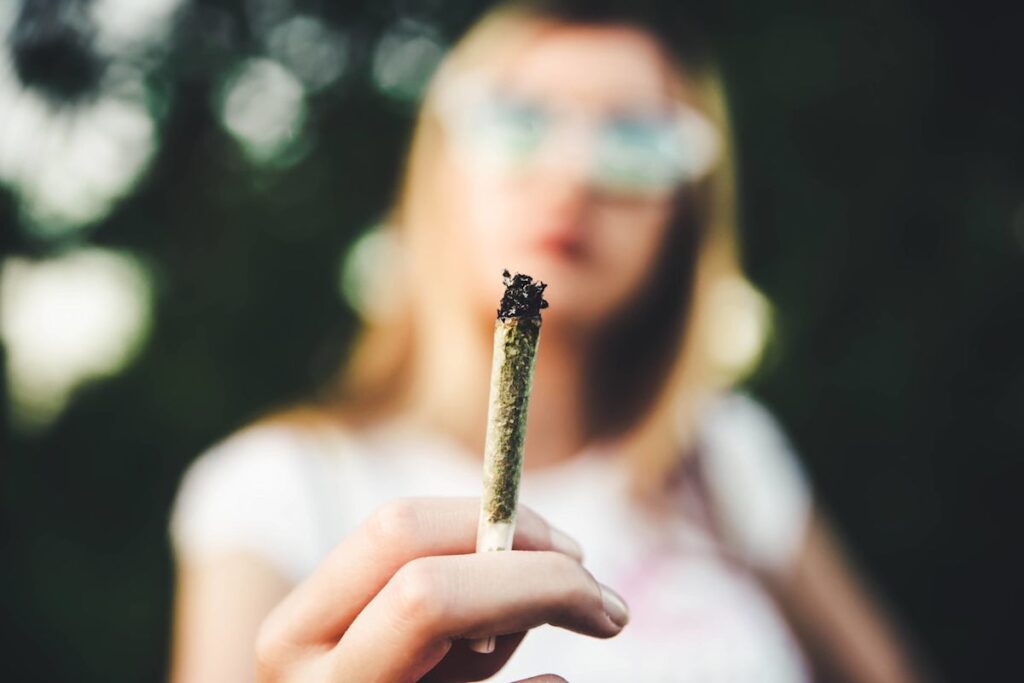
If you figured marijuana’s potential mental health consequences were mostly a young person’s problem, researchers at the University of New South Wales have some news for you.
An extensive meta-analysis published in Biological Psychiatry, highlighted in a November 24 research report, found that cannabis users experienced their first episode of psychosis approximately 2.5 years earlier than nonusers. In studies involving populations with an average onset age of 30 or older, that difference reached 6.3 years.
The findings challenge the assumption that marijuana’s psychiatric risks become less concerning as you get older. Apparently, your brain doesn’t issue a free pass on your 30th birthday.
Related: Lab Tests Reveal a Hidden Health Risk in Products Sold at US Gas Stations
Next: New Study Reveals Troubling Cannabis Trend Among Men Over 35
Why the Marijuana Findings Surprised Researchers
Scientists examined data from 149 studies involving more than 71,000 participants. The relationship between cannabis use and earlier psychosis onset became more pronounced across progressively older study populations.
Advertisement
Advertisement
Matthew Large, MBBS, DMedSci, a psychiatrist and conjoint professor at UNSW’s School of Clinical Medicine, believes prolonged exposure could help explain the findings.
“What we’re seeing suggests a cumulative effect,” Large told UNSW Sydney, via ScienceDaily.
However, the researchers have not established whether long-term cannabis consumption directly accelerates the development of psychosis.
Next: Occasional Weed Use May Impact Your Heart Health More Than You Think, Researchers Say
What Earlier Psychosis Actually Means
The National Institute of Mental Health describes psychosis as a collection of symptoms involving “some loss of contact with reality.”
Advertisement
Advertisement
Symptoms may include hallucinations, delusions, disrupted thinking, and difficulty communicating.
Importantly, the Australian-led analysis examined when psychosis developed among affected populations. It doesn’t establish an individual marijuana user’s probability of developing the condition.
Nevertheless, experiencing psychiatric illness earlier can disrupt careers, relationships, financial independence, and other important life milestones.
Next: Blood Tests May Reveal a Hidden Form of Depression, Psychiatrist Says
What Marijuana Users Should Know
According to the Centers for Disease Control and Prevention, the association between cannabis consumption and schizophrenia is stronger among frequent users and those who begin using at younger ages.
Advertisement
Advertisement
Large also expressed concern about perceptions surrounding medical marijuana.
“It’s got this therapeutic halo around it, which blinds people to the risk,” he said in the university’s research report.
That doesn’t mean everyone who consumes cannabis will experience psychiatric problems.
If you regularly use marijuana, discuss your consumption and family mental health history with your healthcare provider. Seek prompt medical attention if you experience hallucinations, persistent paranoia, or difficulty distinguishing reality from imagination.
The takeaway: Getting older doesn’t necessarily make marijuana safer for your mental health.
Advertisement
Advertisement
Next: Harvard Says Exercise Can Help Depression. New Research Reveals a Surprising Twist
Related: Scientists Reviewed 16 Studies and Found a Surprising Link Between Weight and Running

This story was originally published by Men’s Journal on Nov 25, 2026, where it first appeared in the Health section. Add Men’s Journal as a Preferred Source by clicking here.