

Shoes do more than finish your outfit. In fact, they’re one of the most important items you’ll put on in the morning. “One thing I always tell my patients is that what you put on your feet affects much more than just your feet. Your knees, hips and lower back are all connected to how you walk, and the wrong shoes can place additional stress on those joints,” says Dr. Bobby Pourziaee (aka “The High Heel Doctor”), a foot and ankle surgeon and founder of Palm Springs Podiatry in California.
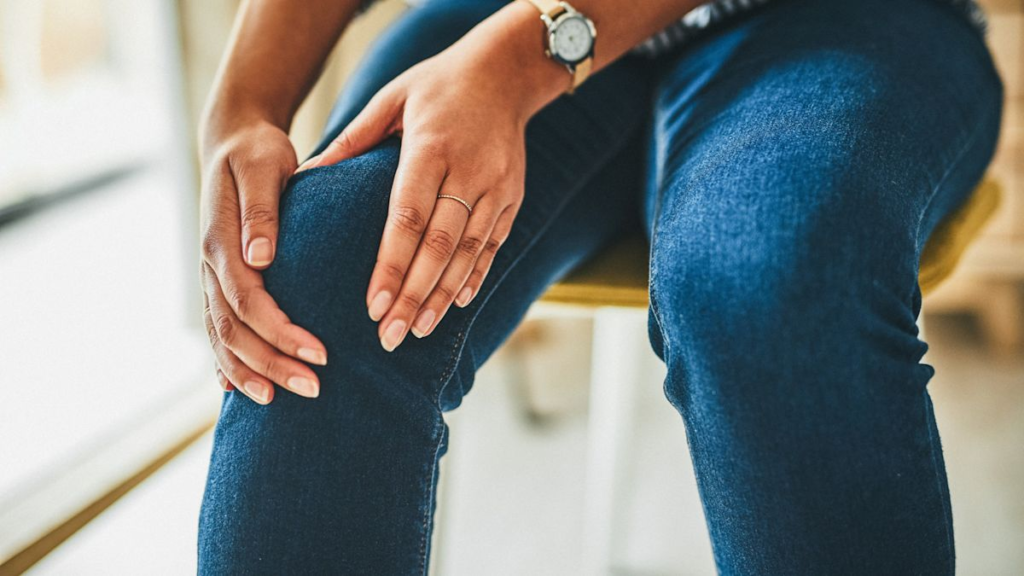
When it comes to knee pain, shoes aren’t always the culprit, but there are times when they are — or they’re at least making an existing condition worse. “Patients will sometimes tell me they can walk comfortably in their sneakers all day, but after a few hours in dress shoes or flat sandals, their knees start aching,” says Pourziaee. “That’s a pretty good indication that their footwear may be contributing to the problem.” Changing your walking pattern or shortening your stride to stay comfortable can also signal that it’s time to rethink what’s on your feet, he adds.
It may not come as a surprise that cheap flip-flops and sky-high heels aren’t exactly kind to your knees. But multiple foot experts, including two foot and ankle surgeons, a podiatrist and a physical therapist, say other features can make a shoe less than ideal too. Here’s what they want you to know about the worst shoes for your knees, and what to buy instead.
Shoes to think twice about if you have knee pain
“In general, there are no shoes that are bad for your knees per se,” says Zach Smith, co-founder of HIDEF Physical Therapy in Washington state. Shoes are a tool, he adds, and the right one depends on your feet and your specific knee issue. That said, there are some features and categories of shoes that demand caution. For example, two experts cautioned against very thick, squishy or heavily rockered soles, while Pourziaee warned about shoes with too little structure. Here’s what to keep an eye out for, especially if you already have knee pain.
Advertisement
Advertisement
Flimsy flats and flip-flops. Pourziaee names ballet flats and flip-flops the “biggest offenders,” especially if you’re on your feet for hours. “That doesn’t mean everyone wearing flip-flops will develop knee problems, but if you’re spending hours walking or standing in them, they may not be doing your knees any favors,” adds Pourziaee. If you can bend the shoe in half or wring it out like a towel, skip it, recommends Dr. Bob Baravarian, a foot and ankle surgeon and chief of podiatric foot and ankle surgery at Providence St. John’s Hospital in Los Angeles.
High heels. Another not-so-surprising shoe to skip is the high heel — and yes, that includes high-heeled boots. Pourziaee says they shift your weight forward and change your walking mechanics, increasing stress around the knee.
Worn-out sneakers. Your shoe may have started out as supportive, but unfortunately, no shoe lasts forever. And if your go-to kicks have lost their cushioning or stability, Pourziaee cautions that it can change how force travels through your joints.
Shoes with thick, soft soles. While high-loft, extra-cushioned shoes may seem like they’d help absorb shock and protect your knees, Baravarian warns that they can be “unstable underfoot and can strain the knees.” Dr. Samantha Landau, a podiatrist and assistant professor of orthopedics and podiatry at New York College of Podiatric Medicine, agrees, cautioning that overly cushioned shoes can cause your foot to sink in and throw off your mechanics.
Advertisement
Advertisement
Sneakers with heavy rockers. A rocker is a curved sole, often with an upward curve at the toe and a rounded heel, designed to roll your foot forward with each step. Baravarian cautions that for everyday wear, a thick sole plus a rocker can make a shoe less stable. Landau says a low heel drop (a flatter shoe, with the heel barely higher than the toe) paired with a “triple rocker” is “equivalent to a wheelchair for your foot,” meaning the shoe does the rolling for you, and she says that can make knee pain worse.
Not every expert agrees on that last point: Pourziaee recommends some rockered shoes, including the Hoka Bondi 9, because the smooth heel-to-toe transition can make walking more comfortable for some with knee discomfort. This split echoes Smith’s point that shoes are a tool rather than a cure-all, and that what helps one person may not help another.
What to look for instead
There’s no single best shoe for everyone, and finding the right one takes more than checking one or two features. “I also caution patients against assuming that more cushioning or more arch support is always better,” says Pourziaee. “The right shoe depends on your foot structure, walking pattern and the type of knee problem you’re experiencing.” With that in mind, here are five features to look for:
✓ Stable base. Pourziaee and Baravarian both recommend a shoe with a stable foundation. Baravarian says a good shoe shouldn’t bend front to back or wring out like a towel, and he warns that thick, soft soles can wobble underfoot and strain the knees.
Advertisement
Advertisement
✓ Comfortable cushioning. More isn’t always better. Landau warns that overly cushioned shoes can make your foot sink in and alter your walking mechanics. But Pourziaee cautions that shoes with too little cushioning can also be a problem, especially if you already have knee pain. Aim for a shoe that feels comfortable without sacrificing stability or a secure fit.
✓ Secure fit. Pourziaee recommends a shoe that holds your foot in place. Dr. Mikel D. Daniels made a related point in our “worst shoes for travel” piece: Shoes should be roomy enough to accommodate some swelling throughout the day while still keeping your foot from sliding around.
✓ Roomy toe box. Pourziaee recommends “enough room in the toe box for the foot to move naturally.” Cramped toes are uncomfortable, and a shoe that restricts your foot’s natural movement can affect how you walk.
✓ Low heel height. Baravarian recommends a flatter shoe with less heel height for people with knee issues. Pourziaee adds that very high heels shift your weight forward and change how you walk, which can increase stress around the knee. Just don’t confuse “low heel” with “no support”: A good shoe should still be structured, and Pourziaee warns that completely flat ballet flats can be a problem.
Best shoes for your knees, according to podiatrists
Amazon
This popular Asics sneaker is one of Landau’s picks, saying it often meets her patients’ needs. It has shock-absorbing gel in the heel and a durable, lugged rubber outsole, making it a solid option whether you’re a beginner trail runner or your walks simply take you off the pavement.
Amazon
Pourziaee calls this “a great choice for someone who wants a supportive everyday sneaker that doesn’t necessarily look like a running shoe. It has a stable platform, good cushioning and comes in multiple widths, which is especially helpful for patients who have difficulty finding shoes that fit properly.” The shoe is popular among people who spend long days on their feet, and Baravarian and Landau also recommend the New Balance 990 line, making it the only shoe endorsed by three of our experts.
Amazon
Nordstrom
Baravarian recommends this Adidas classic as a more stylish option. It’s also a flatter, lower-heeled shoe, in line with his advice for people with knee issues.
Amazon
“For patients who need additional stability, particularly those whose feet tend to roll inward excessively, the Gel-Kayano can be a very good option,” says Pourziaee. “It combines cushioning with guidance features that help create a more controlled walking or running experience.”
The Gel-Kayano is also one of Baravarian’s picks, and the Gel-Kayano 33 was named the best lightweight pick in our roundup of the best running shoes for overpronators.
Altra
Whether barefoot-style shoes are better for your knees is still debated: Landau warns they can cause problems, including knee pain, while Smith suggests slowly working toward a thinner sole. If you want to try zero-drop shoes without going fully minimal, Smith typically recommends something like the Altra Lone Peak, which has “some cushion but not a massive bottom.” The Lone Peak 9 pairs that with Altra’s wide toe box, but it’s built for dirt trails. If you’d rather stay on pavement, the Torin 9 may be a more comfortable pick.
Several Altra shoes, including the Lone Peak 9, carry the APMA seal.
Struggling with knee pain? You may need more than new shoes
“I always encourage patients to look at the bigger picture,” says Pourziaee. “Knee pain isn’t necessarily just a knee problem. Weakness or tightness in the muscles surrounding the hips, knees and ankles can affect how forces are distributed when you walk.”
Advertisement
Advertisement
If you’re experiencing knee pain, make an appointment with a health care professional. Pourziaee says this is especially important if you’re experiencing “persistent knee pain, swelling, locking, instability or difficulty bearing weight.” Depending on the root cause, he says common next steps, other than evaluating your footwear, may include physical therapy, improving flexibility and temporarily reducing high-impact exercises.
“I also recommend having your walking mechanics evaluated, especially if the pain keeps returning. Sometimes foot mechanics contribute to knee symptoms, and a properly selected orthotic may help certain patients. But orthotics aren’t necessary for everyone,” he says.
Dr. Scholl’s
Dr. Scholl’s Prevent Pain Lower Body Protective Insoles
Amazon
PowerStep Pinnacle Plantar Fasciitis & Heel Pain Relief Orthotic
Amazon
Renranring Latex-Free Resistance Band Set
Meet our experts
Bob Baravarian, board-certified foot and ankle surgeon, medical director of DOCS Foot & Ankle and chief of podiatric foot and ankle surgery at Providence St. John’s
Samantha Landau, a podiatrist and assistant professor of orthopedics and podiatry at New York College of Podiatric Medicine
Bobby Pourziaee, DPM, “The High Heel Doctor,” board-certified foot and ankle surgeon, founder of Palm Springs Podiatry
Zach Smith, PT, DPT, co-founder of HIDEF Physical Therapy
Our health content is for informational purposes only and is not intended as professional medical advice. Consult a medical professional on questions about your health.
Source link