 4 min read
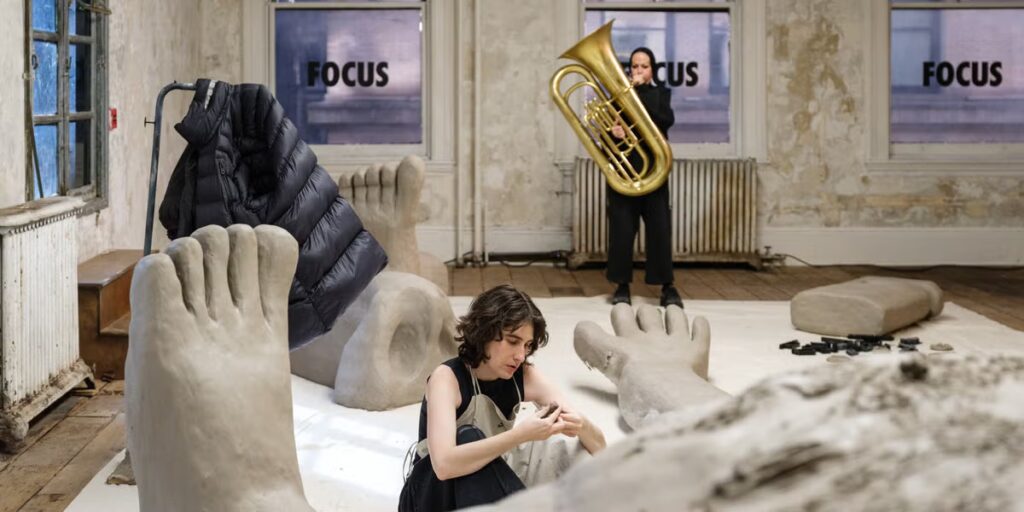
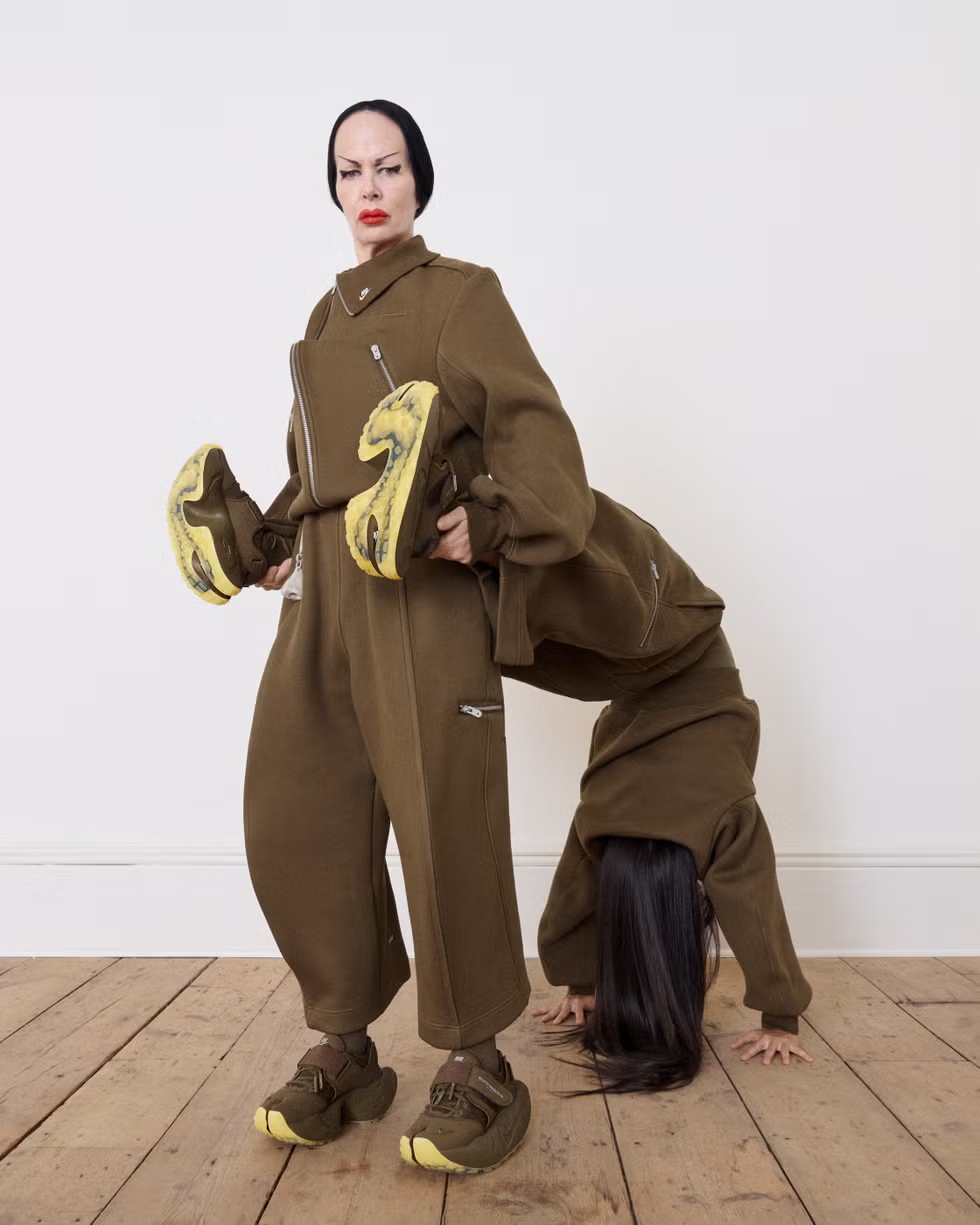
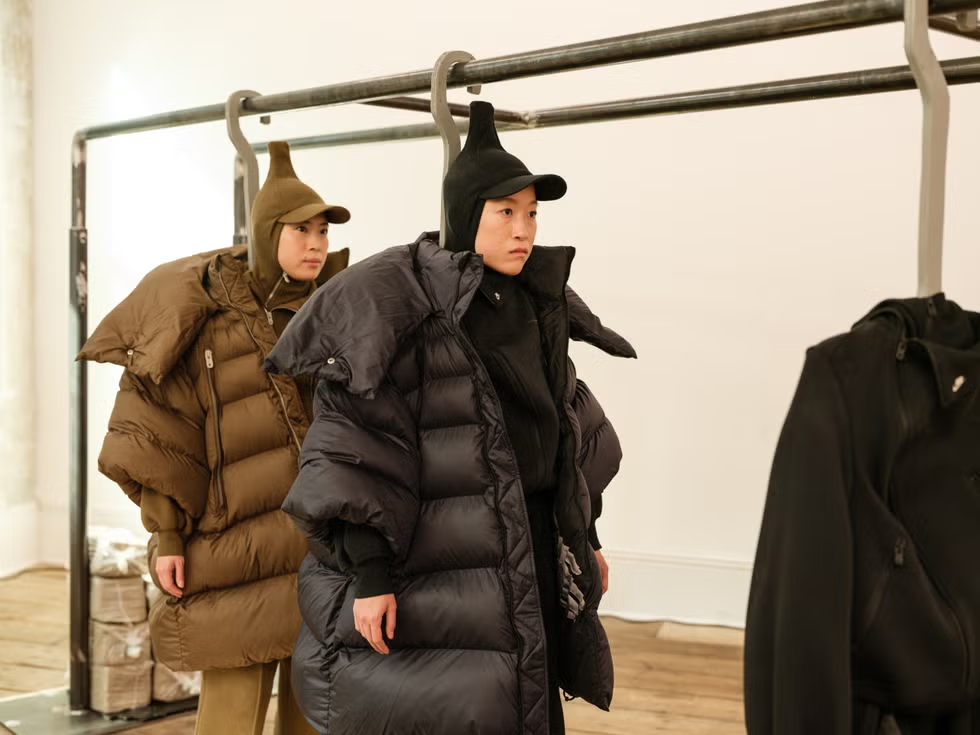
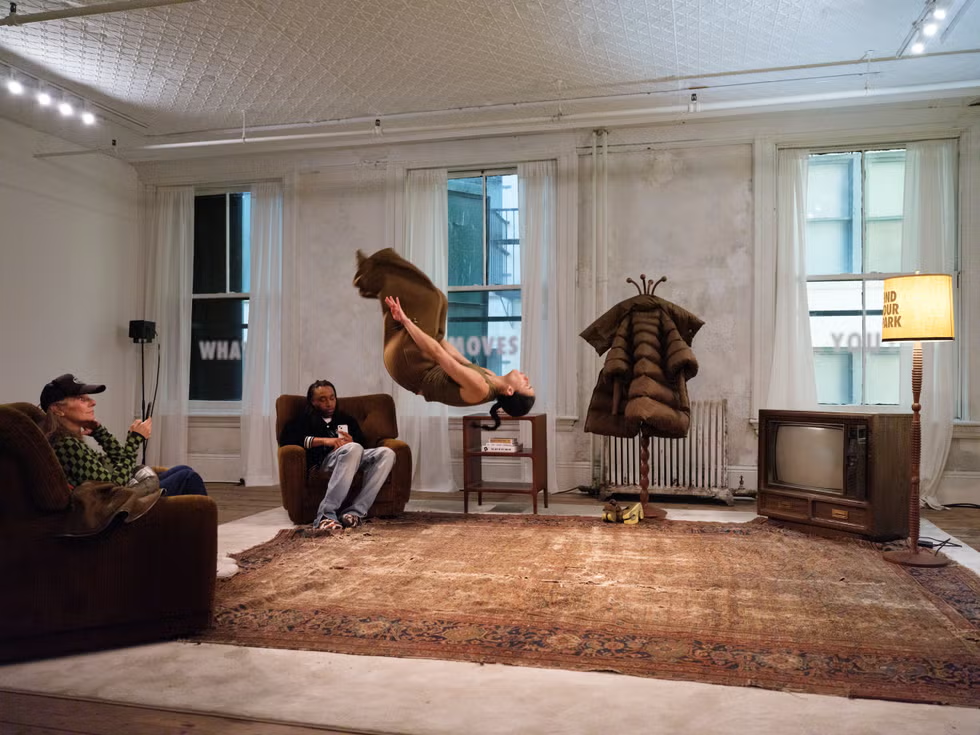
Only at a Melitta Baumeister presentation in New York would you find the artist Kembra Pfahler playing a tuba, Paola Castro doing backflips, and Colleen Litchfield sculpting clay on the floor with sneakers gliding by on motorized platforms with chunky tires. “I really loved the idea of just doing flips in your living room,” the designer tells ELLE of her event last month. Sitting in her Greenpoint atelier in Brooklyn, Baumeister is wearing one of her signature black pointy baseball caps covered in pleated fabric. It’s become such a trademark for her that the people who know her best barely recognize her without it.
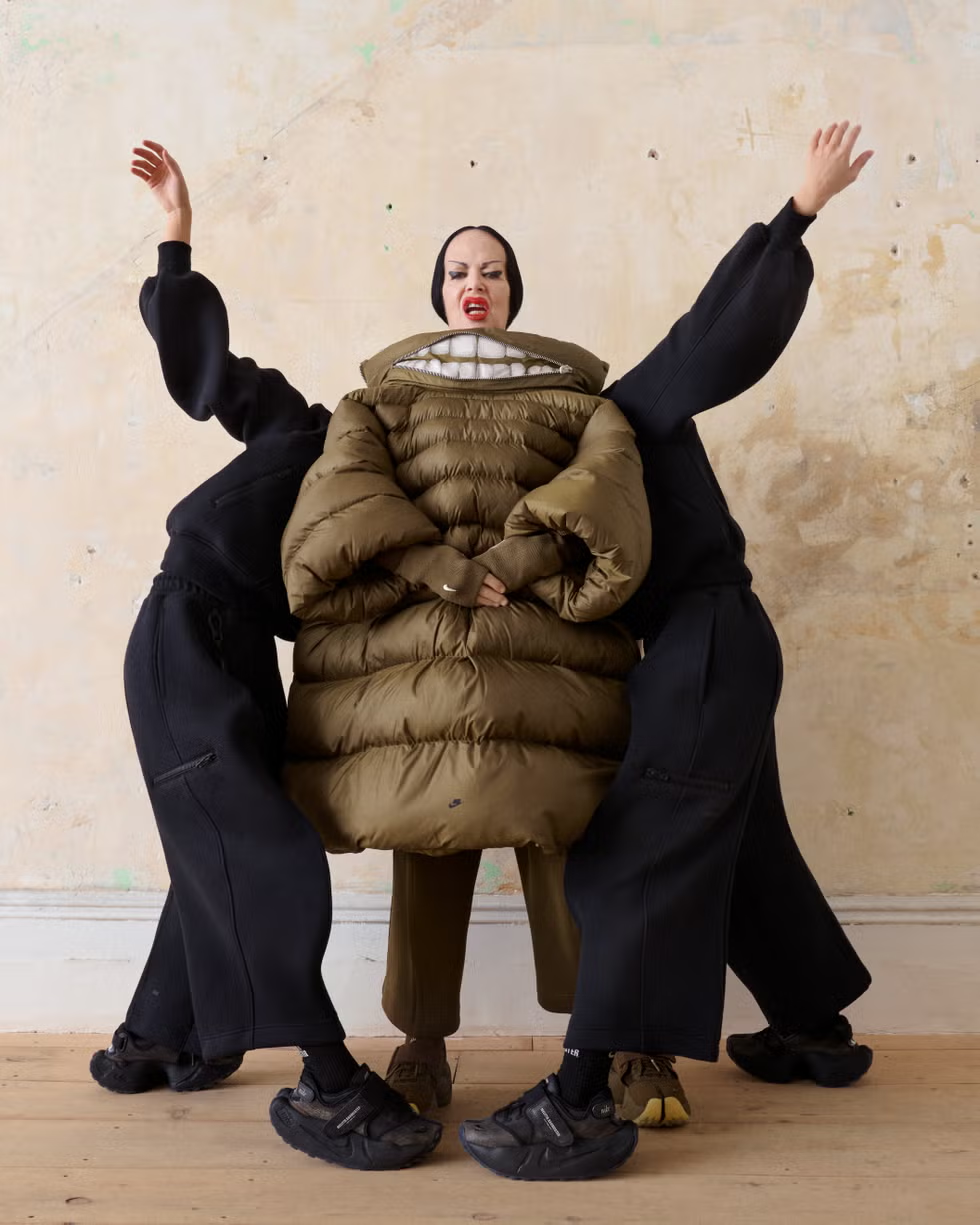
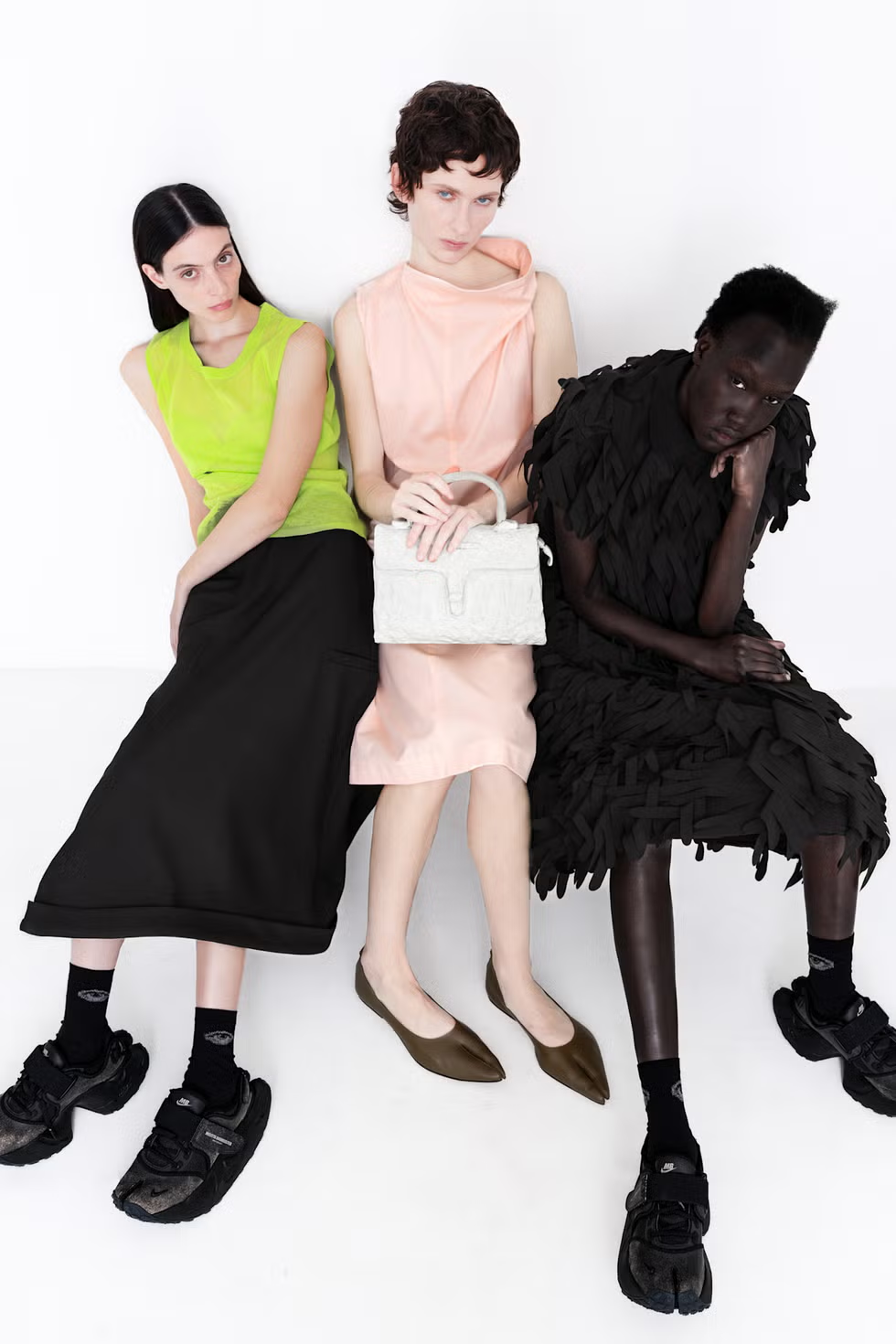
But that’s not all she’s known for. Since launching her own fashion line over a decade ago, Lady Gaga and Rihanna have worn her work, and the label has become a favorite of fashion insiders, with over-the-top conceptual shows, directional collections sold at places like Dover Street Market, and sporty collaborations. Her latest foray is a second collaboration with Nike, which involved the aforementioned performance-art-centric presentation to launch her rework of the Tabi-silhouetted Rift. Her take is a chunky, clay-inspired wedge of a shoe with gasp-inducing details like eyeball motifs and puffy logos.
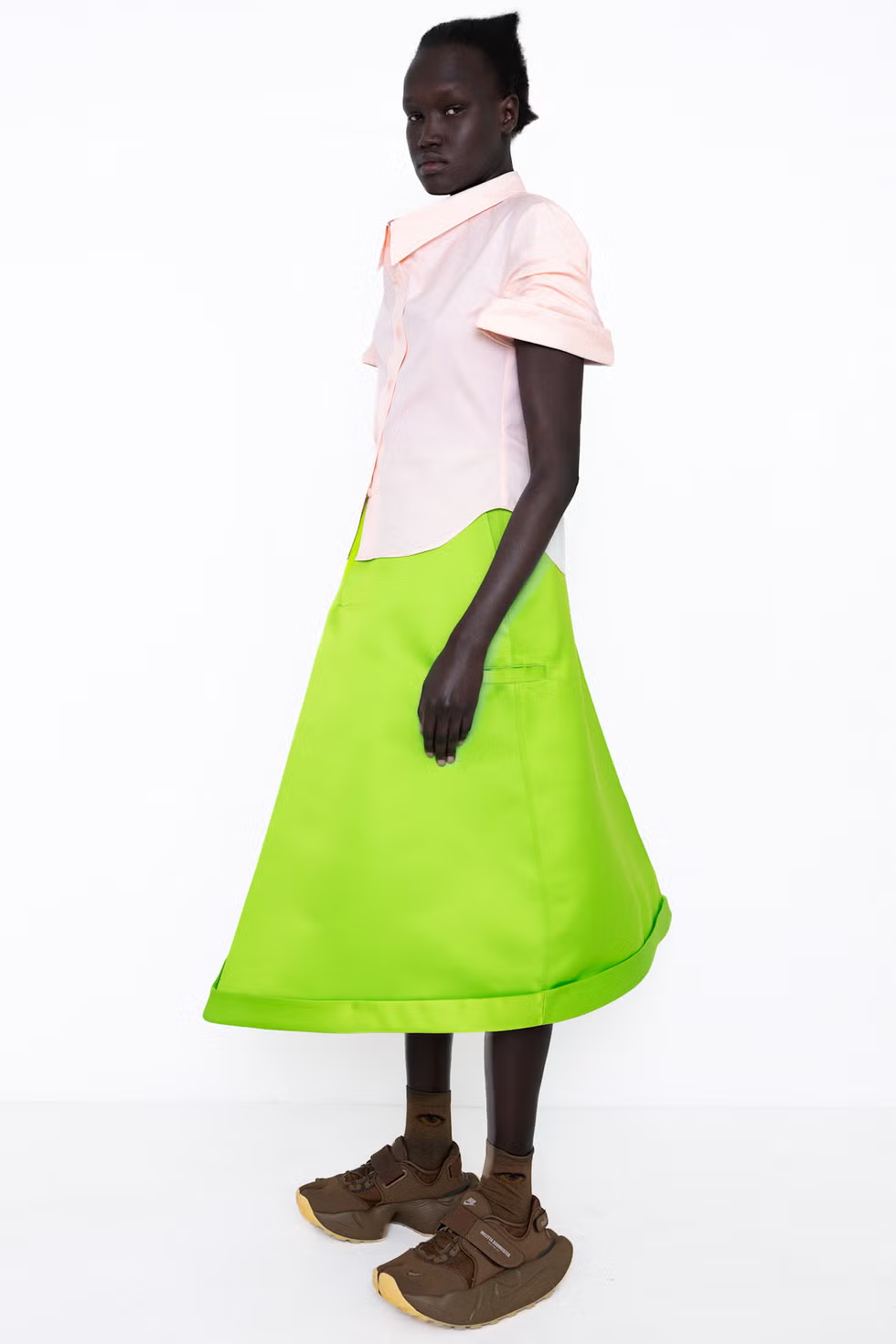
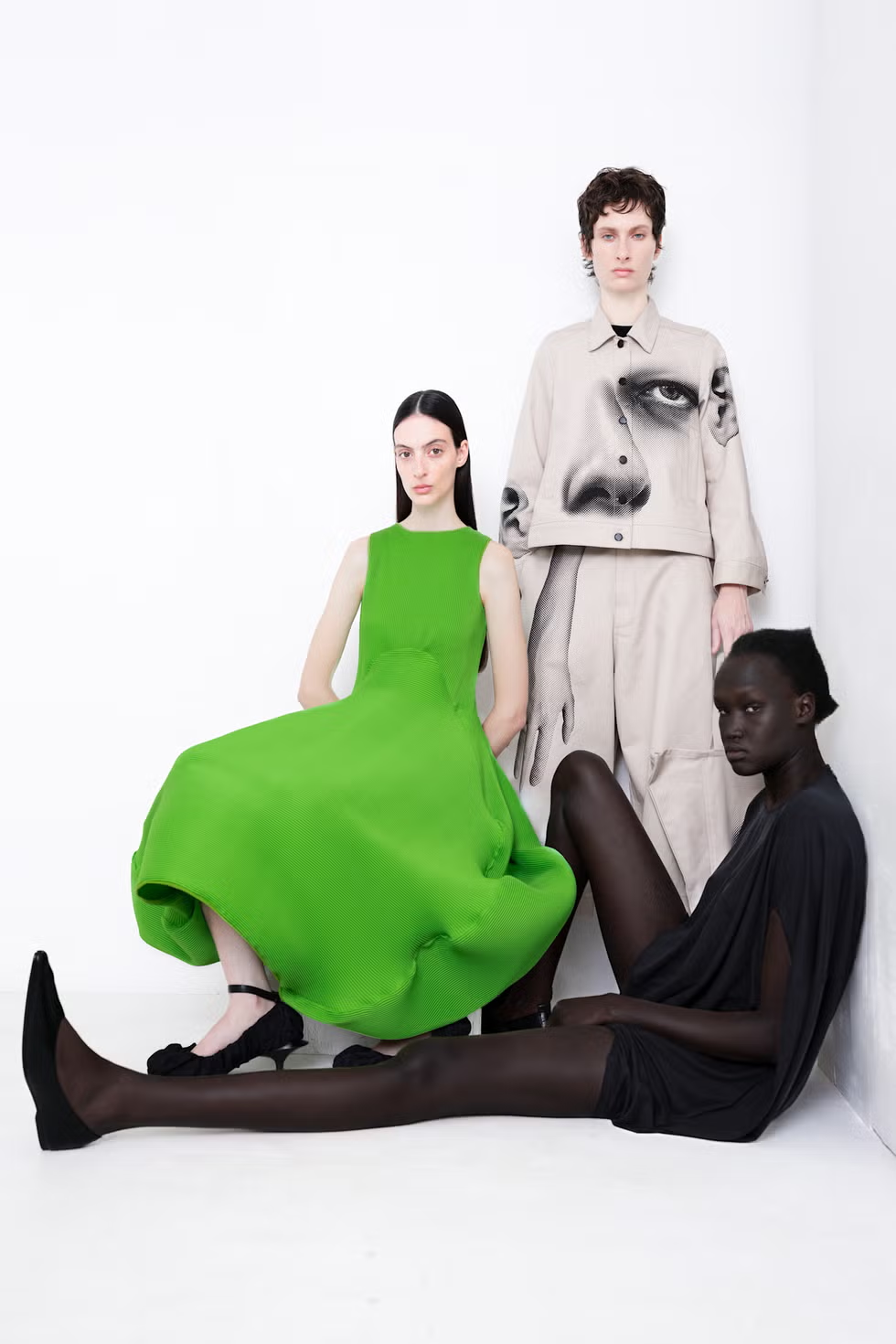
Baumeister’s work has a cult following because it puts a focus on handmade details in an unusual, raw way. But she also has always gravitated towards big, voluminous shapes that take up space in an uncompromising way, with an element of sportiness. At her New York Fashion Week debut, for instance, Paralympian sprinter Scout Bassett opened the show. Sculpted dresses with bell-shaped bottoms, architectural pointed blouses, and surreally satisfying pleated dresses were put on full display with banana-shaped pouches, spiked necklaces, and, of course, that signature hat done in various colors like lemon yellow.
“I think because there’s so much out there, I feel like making statements to show creativity,” Baumeister says. “I feel like that’s why you have to push because there’s just too much boring stuff out there.” The designer describes her house codes as O lines and A lines, always with a voluminous shape. “My approach is always to make a garment kind of feel three-dimensional. There might be a drape from the side view, but it’s all very considered. It comes from hand draping, working with the fabric, and seeing what the fabric can do with its structure.”
Born in a tiny town in the Black Forest in southern Germany, Baumeister went to tailoring school at the age of 16 before studying fashion design at the Pforzheim University of Applied Sciences. She later moved to New York City to study at Parsons in the MFA Fashion Design and Society program and officially founded her line when she graduated in 2014. In 2023, she won the CFDA/Vogue Fashion Fund, and in 2025, she won the National Design Award for Fashion Design.
Earlier this year, the Costume Institute at the Metropolitan Museum of Art acquired her “Venus” dress and exhibited it at the “Costume Art” show. She works alongside her partner, Michal Plata, who also serves as the brand’s art director. The city continues to inspire her: “the energy is so special and so strong here that I feel like it kind of gives me that sort of harshness in design,” she says. “We’re very bold and kind of very daring. I don’t think I would do the same in Germany in my hometown.”
Though many of her pieces are designed in charcoal black, when she’s not working in neutrals, it’s neons. “I really want color to feel strong and bold rather than kind of too soft or too safe,” she says. Color is a storytelling method for her, and the brighter colors also represent energy. Baumeister continues to pull from the earliest days of her brand, like when she created clothing out of poured silicone. “I’m still very inspired by that, because it was not about caring about wearability, it was more like an art piece than clothing.” One of her brand missions is to show that garments don’t have to be traditionally sewn, or conventionally shaped. Another pillar for her is the accessories and footwear. “A bag talks so much about the character of a woman, and the shoe as well, because you can feel more feminine or more masculine or more in a certain way,” she says.
At the moment, she’s busy working on her own line (with a potential return to fashion week on her mind) after finishing her latest Nike collaboration, which just launched. The Nike collaboration includes clothing in addition to the shoes, like sculpted sweatpants accented with nose-shaped keyrings. “I always think shoes or sneakers nowadays look so much that they’re coming out of a machine and no one touched them and they’re just perfect,” she says of the collection. “I wanted to highlight that things are made by hand and there is a lot of hand work also in shoes.”
For the occasion, she actually hand-sculpted the shoes with clay in her atelier to form the final mold. That’s part of the reason why the presentation was so theatrical and involved a live sculptor: “I wanted to show how things are made. I want people to come to the thought that there’s no God-given talent, and you’re not born as a final product. Things have to be built from the ground up. There’s always another thing that you have to work on.”
That’s what makes her work so exciting. Baumeister is still most interested in what fashion can become when it refuses to conform to the typical shape.
Why Trust ELLE
Every product featured on ELLE.com is independently researched, tested, or editor-approved. We only recommend products that we stand behind, and the merchandise featured on our site is always driven by editorial and product testing standards, not by affiliate deals or advertising relationships. Any content created in partnership with advertisers is marked as such.
Source: ELLE
Source link