


March is Colorectal Cancer Awareness Month and a local woman who was shocked by a diagnosis in her late 30s is sharing her story.

(Courtesy Allison Solomon)
Courtesy Allison Solomon

(Courtesy Allison Solomon)
Courtesy Allison Solomon

(Courtesy Allison Solomon)
Courtesy Allison Solomon
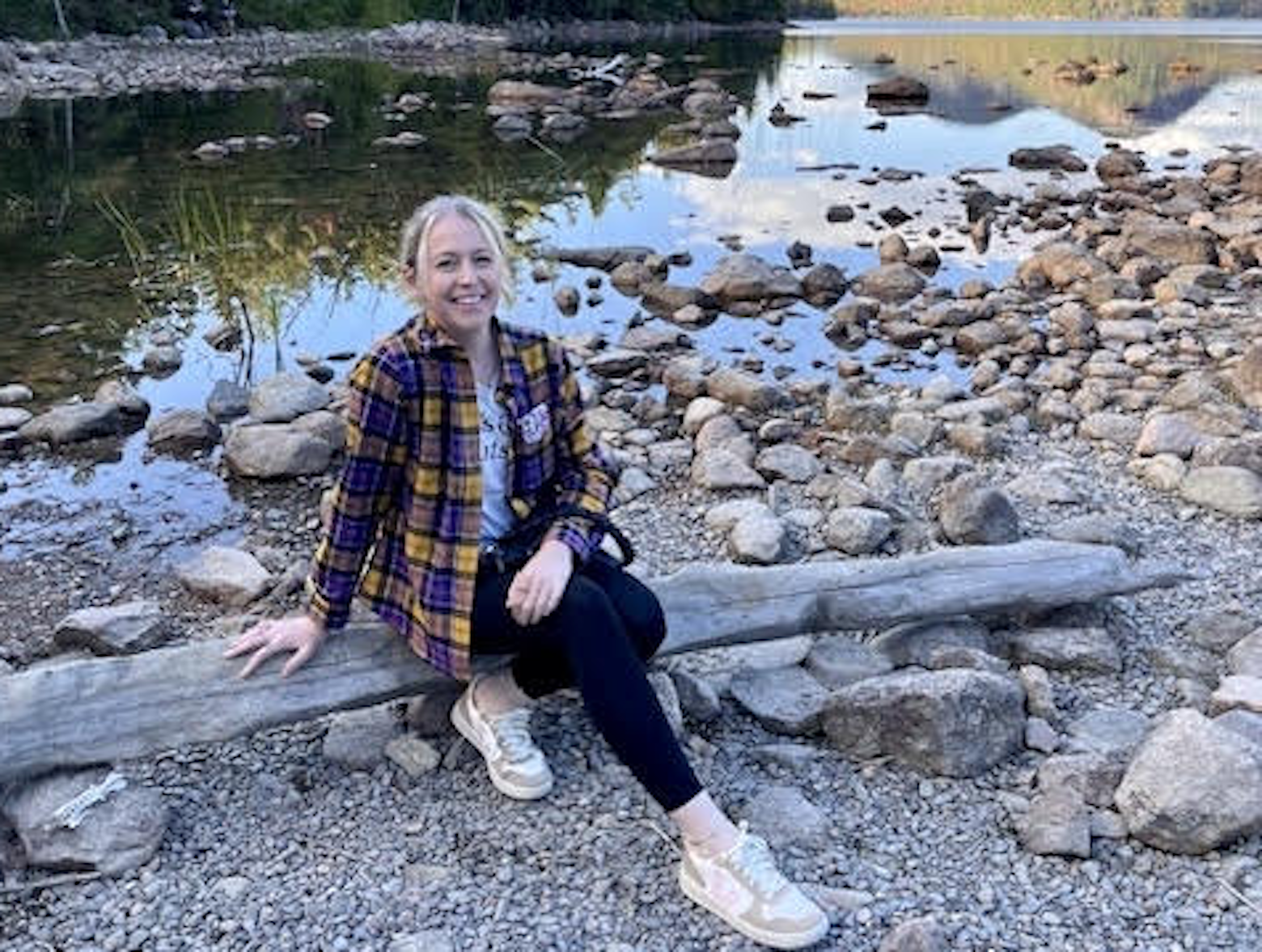
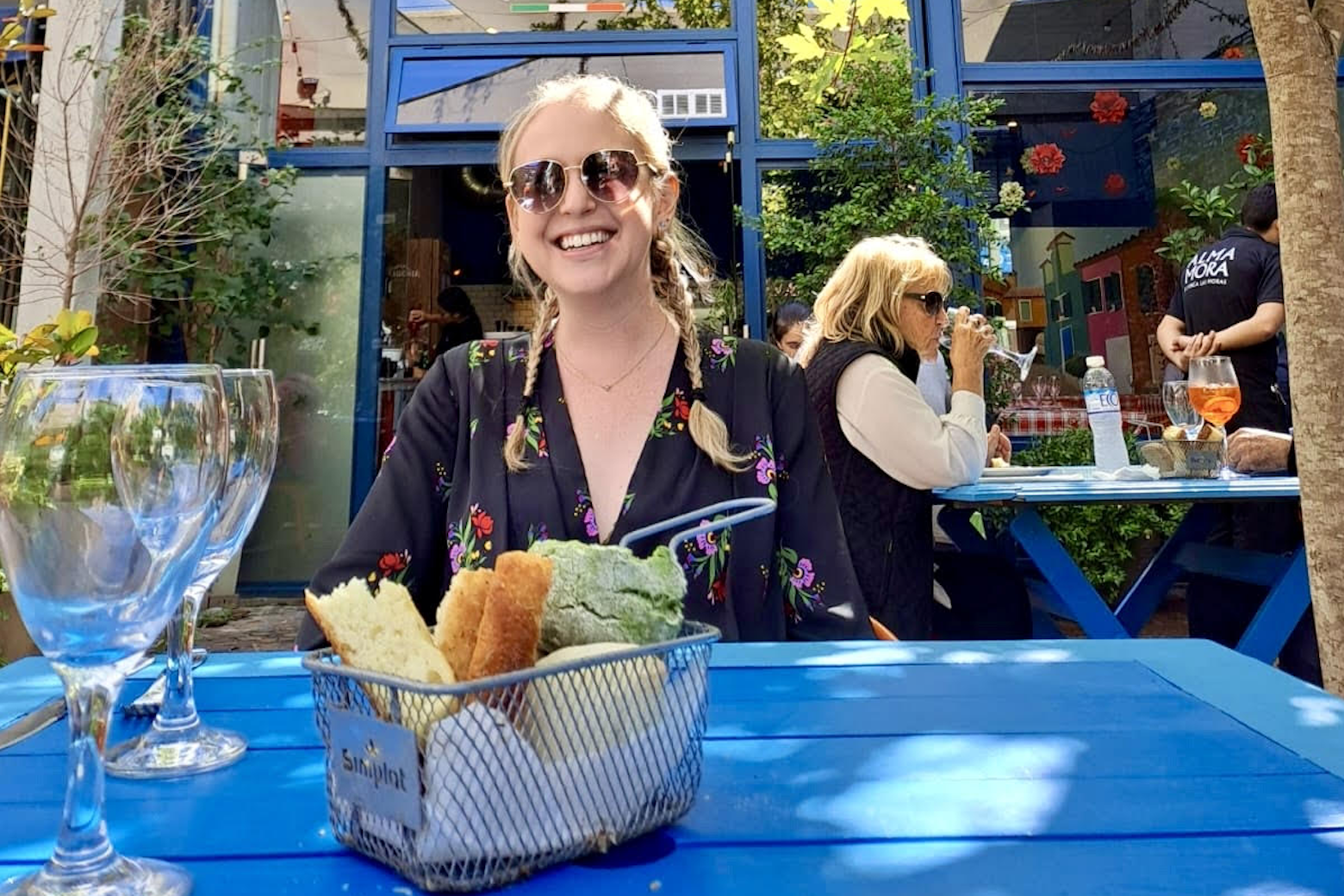
Allison Solomon said she started noticing changes in her body two years ago. But when she started getting persistent symptoms, she knew something was wrong.
“I started just noticing some changes in just my day to day,” Solomon said.
She was 37 at the time and had no family history of colon cancer, so she didn’t qualify for a routine colonoscopy, which start at 45 years old.
But she did not dismiss her persistent symptoms, which included loss of appetite, stomach cramps, a change in bowel habits and blood in her stool.
“They said ‘you have a malignancy,’ which was shocking,” Solomon said.
She said after that, it was “a whirlwind.”
She received a CT scan that confirmed the cancer had not yet spread to other organs. Solomon’s physician and a gastrointestinal medical oncologist at MedStar Georgetown University Hospital, Dr. Benjamin Weinberg, recommended chemotherapy.
“I had surgery a month later, and then got transitioned over to being Dr. Weinberg’s patient and started chemotherapy later that summer,” she said.
Weinberg said they’re researching why more younger people are being diagnosed with colorectal cancer.
Colorectal cancer rates in those under 65 are rising rapidly, with almost half of new cases being in that group.
“We’re looking for other explanations, like microbiome within the tumor itself, to try to distinguish, is there some unique quality to early onset colorectal cancer,” Weinberg said.
And they’re trying to use birth year as a guiding factor to try to get more answers.
“Folks that were born in the ’80s and early ’90s, this is the group that seems to be the most impacted, whether that’s from early antibiotic exposure, microplastics, some other exposure that we haven’t identified yet,” he said.
Solomon has now been in remission since 2024 and is under close surveillance with routine tests and labs done frequently.
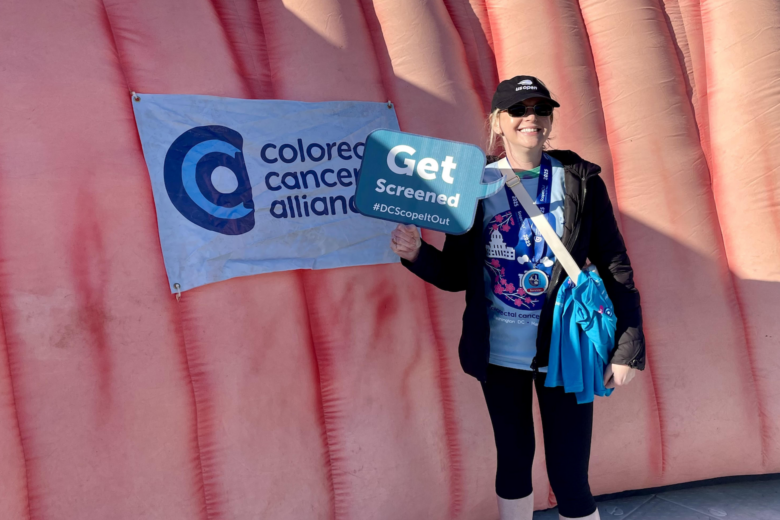
She’s also gotten into the advocacy side of colorectal cancer, helping spread the word about the disease and access to resources. She said she’s supporting the 2026 D.C. ScopeItOut 5K on the National Mall on March 22 with the Colorectal Cancer Alliance.
Colon cancer misconceptions
MedStar Georgetown University Hospital recently released a national survey that found more than 75% of Americans are unsure when or how often to get a colonoscopy.
Dr. Weinberg said that age is important because colonoscopies are crucial to stopping cancer.
“This is something that needs to happen, can’t be ignored,” he said. “The screening age for folks at normal risk is 45, so those of us who are 45 and older really don’t have a good excuse to say, ‘I’m too young for screening’ anymore.”
The survey also found that four in 10 people incorrectly thought that screening after 45 requires a family history of the disease.
According to the survey, more than 36% of those who are eligible for regular screenings have skipped them.
And colonoscopies aren’t just for screening.
“It does allow the advantages of being able to remove premalignant polyps before they become cancer, as well as early stage colon cancer, sometimes without needing a surgery,” Weinberg said.
Get breaking news and daily headlines delivered to your email inbox by signing up here.
© 2026 WTOP. All Rights Reserved. This website is not intended for users located within the European Economic Area.